REVIEW · CHANIA
Cheese and Wine Tasting Tour From Chania
Book on Viator →Operated by TravelPath AllcreteTours · Bookable on Viator
Crete can be tasted in one packed day. This Cheese and Wine Tasting Tour from Chania strings together iconic food stops with the kind of olive-tree history you do not forget, plus a proper winery tasting in Kissamos.
Two things I like right away: the chance to see the world’s oldest recorded olive tree in Vouves, and the family-run feel of the wine tasting at Pnevmatikakis Winery. One watch-out: the bakery stop may require cash, and the day runs long with driving time between places.
In This Review
- Key highlights before you go
- A 7-hour food loop starting with olives
- Vouves and the oldest recorded olive tree in the world
- Perivolakia’s bread, rusks, and honey lessons
- The cheese-and-oil part: why the factory stops feel worth it
- Kissamos at Pnevmatikakis Winery: the part wine people talk about
- Cheese, bread, honey, and wine: how to get the most out of it
- Your guide and the kind of information you actually use
- Getting there: pickup timing, comfortable transport, and real expectations
- Price and value: what $42.06 buys you
- Who should book, and who should skip
- Should you book this Cheese and Wine Tasting Tour from Chania?
- FAQ
- How long is the Cheese and Wine Tasting Tour from Chania?
- What time does the tour start?
- Is pickup offered from Chania?
- Is the tour in English?
- What is the price per person?
- Do I need cash during the tour?
- What happens if the weather is bad?
Key highlights before you go
- Vouves old olive tree, with real measurements: estimated 3,000 to 5,000 years old, still producing.
- Cretan bakery visit: see how traditional rusks and bread get made.
- Honey and olive orchard learning: you’ll connect the dots between plants, bees, and Cretan ingredients.
- Cheese, olive oil, and bee-related stops: factory-style experiences that explain what you’re eating.
- Pnevmatikakis Winery tastings in Kissamos: multiple locally made wines, paired with local delicacies.
- Bring cash for the bakery: cards are common elsewhere on the route.
A 7-hour food loop starting with olives
This is a full, single-day flavor circuit based in and around Chania. The tour starts at 8:00am and runs about 7 hours total, with the rest of the time used for travel between stops.
The group stays small-ish for a day trip, with a maximum of 50 travelers. You’ll also get practical help from the organizers, including pickup (from your hotel or near it) and a mobile ticket, and the tour is offered in English.
Vouves and the oldest recorded olive tree in the world
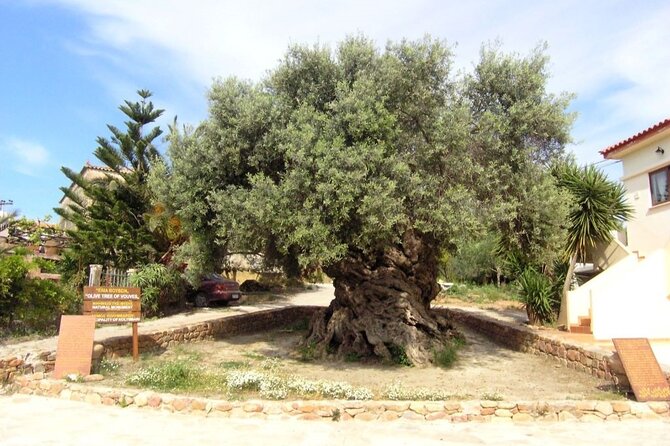
Your first major stop is Ano Vouves—a village visit with an absolute attention-grabber: the oldest recorded olive tree in the world. It’s treated like a natural monument, and the tree’s age is estimated at 3,000 to 5,000 years. It’s not just a photo stop either; the point is that it’s still alive, still fructifying.
Here are the details that make this stop hit harder than a generic landmark:
- The tree began with a wild olive base and was then domesticated through the Tsounati variety.
- Its trunk has been shaped by time: about 12.5 meters in circumference and roughly 4.6 meters in diameter.
- The admission for this part is listed as free.
Even if you’re not a plant-history person, this is a great “why Crete tastes the way it does” moment. Olive culture here is not marketing—it’s the backbone of local food.
How long to expect: about 30 minutes here. That’s enough time to look closely, read what’s presented, and get your bearings before the next food lesson begins.
Perivolakia’s bread, rusks, and honey lessons
After Vouves, you’ll shift from ancient trees to everyday Cretan food production. The stop at Perivolakia focuses on traditional ways of eating and living, with multiple food and production-style visits bundled in.
You’ll visit a local bakery where you can watch the process behind Cretan traditional savouries like rusks and bread. This is also the stop where you should plan for real-world spending: one clear piece of advice from the day is to bring cash for the bakery. Elsewhere, cards are accepted, but the bakery is the place that can trip you up if you roll in empty-handed.
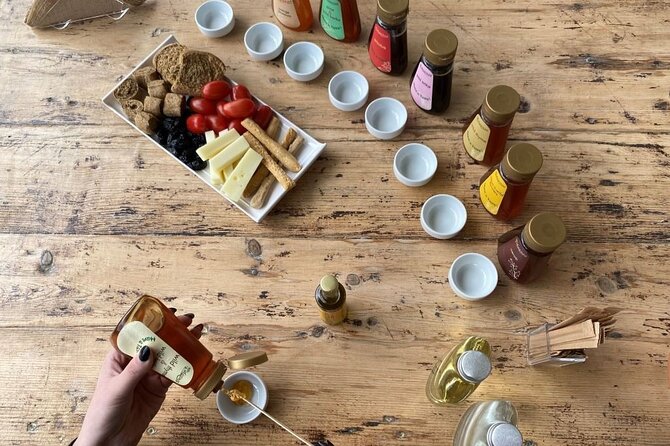
From there, the day includes an olive grove visit connected to how local ingredients come together—especially olive trees and Cretan honey. This is the kind of stop that makes later tastings make sense, because honey and olive products aren’t separate topics in Crete. They’re part of the same ecosystem: plants, bees, and hands-on tradition.
The cheese-and-oil part: why the factory stops feel worth it
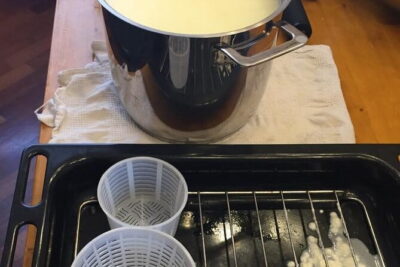
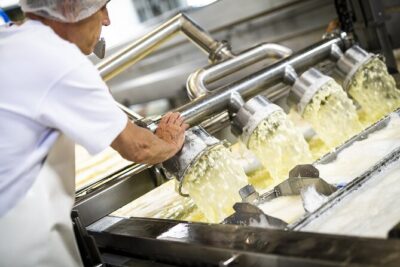
This tour is marketed as cheese and wine, and it delivers more than just a sip-and-guess session. Along the day, you’ll also meet the production side of Crete’s ingredients—things like a cheese factory stop, plus visits tied to bee keeping and olive oil.
Why I think these additions matter: a tasting without context can feel random. But when you see how products are made—how something turns from raw materials into packaged flavors—it changes what you taste next. You start noticing differences: texture, saltiness, aroma, and the way wine pairing actually works.
Also, the tour is paced as a series of short learning blocks, not a single long lecture. That keeps it fun even if you’re not the type to read every sign.
Kissamos at Pnevmatikakis Winery: the part wine people talk about
The highlight for many people on this style of tour is the winery. Here, you go to Pnevmatikakis Winery, a family-run operation in Kissamos.
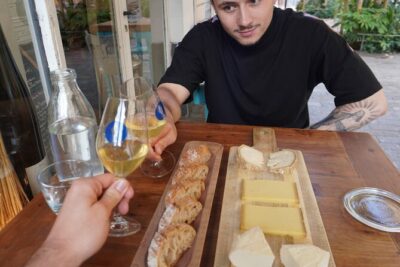
This is where the day stops being mostly educational and turns into pure tasting. You’ll learn about the wine-making tradition of Crete, and then you’ll taste multiple varieties from the winery’s own collection, paired with local delicacies.
A detail that stands out for wine lovers: one review notes 18 self-service wines to taste. That’s a lot of choice for one stop, so you’ll want to pace yourself. A good strategy is to start with something light, then move to deeper styles as your palate warms up.
Wine is also where you’ll likely notice favorites. One common mention is the rose wine being especially good—so if you’re the kind of person who often skips rose, this may be your sign to reconsider.
One more practical note: the winery is open for families, so kids get a special platter and drinks that the winery family prepares. If you’re traveling with children, that’s reassuring.
How long to expect: about 1 hour at the winery, with the winery tasting listed as included.
Cheese, bread, honey, and wine: how to get the most out of it
This is not a snack-only tour. It’s a string of tastings and production visits, so eating is part of the plan. Here’s how I recommend you handle it so the day stays enjoyable instead of heavy:
- Eat breakfast before you start. One traveler recommendation is to come fed, because the morning can involve over an hour of travel/gathering time before the first big stop.
- Take small portions first. With multiple tastings—especially at the winery—your ability to enjoy flavors depends on not overfilling early.
- Use the bakery strategically. If you want to buy items from the bakery, bring cash and plan that purchase before you snack out of your budget.
- Pairing is the point, not the trivia. Watch what gets offered with the wines, then decide what you like. You do not need to remember grape names to enjoy the experience.
One nice bonus: you’re not just eating in silence. This tour works well for socializing with new people, partly because the stops are short and you naturally chat during tastings and transfers.
Your guide and the kind of information you actually use
Guides here matter because the day mixes history, food, and production. The best kind of tour guide explains just enough so your tasting clicks.
One guide name that shows up in the experience is Linda, including the note that she could provide information in Greek, French, and West-Flamish (Dutch dialect). Even if your language matches English, the big takeaway is the same: clear, friendly explanations that connect the dots from olive tree to bread to honey to wine.
Expect a dynamic style. The pace is active, and the goal is that you leave with a better sense of how Crete makes and eats food—not just what you sampled.
Getting there: pickup timing, comfortable transport, and real expectations
Pickup is part of the deal. You’ll receive voucher details with pickup time and pickup point the day before, with pickup from your hotel or close to your hotel.
Start time is 8:00am, but the day can feel like it starts earlier than you’d expect because you may wait for group pickup. One helpful tip from the experience: it can take time to gather everyone before you reach the first stop.
On transport, comfort tends to be a plus—one review specifically calls out a comfortable bus and friendly guides. With a max group size of 50, the day generally keeps a sense of order.
Price and value: what $42.06 buys you
At about $42.06 per person, this tour is aiming for solid value: several free or included stops plus tastings that would cost more if you booked them separately.
Here’s the value math in plain terms:
- Vouves has free admission and still gives you a major landmark moment.
- Perivolakia also lists free admission, and you’re not just observing—you’re connecting food practices like bread-making and honey.
- The winery tasting is listed as included, which is the part that typically costs the most in standalone experiences.
And for many people, the real value comes from variety. You’re tasting across dairy, bread, honey/production learning, olive-related culture, and then wine in Kissamos. That’s a lot of “different bites” in one day for the price.
One more financial tip: if you plan to buy bakery items, factor in cash. If you only plan to sample and not purchase, you can keep spending calmer.
Who should book, and who should skip
This tour is a great fit if you:
- Want a guided food day with multiple production stops, not just one tasting room.
- Like structured days where each stop adds context for the next.
- Appreciate a family-run feel at the winery and a friendly guide who explains what you’re eating.
You might consider something else if you:
- Don’t enjoy long driving days. The tour is about 7 hours, but a big chunk is travel between places.
- Are allergic to the idea of cash-only purchases. The bakery can require cash.
Should you book this Cheese and Wine Tasting Tour from Chania?
If you want a practical Crete sampler—ancient olive tree + traditional bakery + honey and production learning + winery tasting—this is an easy yes. The price is reasonable for the number of stops, and the winery portion has enough tasting volume to satisfy wine fans.
Just go in prepared: bring cash for the bakery, arrive ready for a long morning, and pace your tastings at the winery so you’re still enjoying flavors by the last pours.
If that sounds like your kind of day, book it.
FAQ
How long is the Cheese and Wine Tasting Tour from Chania?
It lasts about 7 hours (approximately).
What time does the tour start?
The start time is 8:00am.
Is pickup offered from Chania?
Yes. Pickup is offered from your hotel or close to your hotel. Pickup details are sent in your voucher one day before.
Is the tour in English?
Yes, it’s offered in English.
What is the price per person?
The price is $42.06 per person.
Do I need cash during the tour?
For the bakery stop, it’s a good idea to bring cash. Cards are accepted elsewhere on the route.
What happens if the weather is bad?
The experience requires good weather. If it’s canceled due to poor weather, you’ll be offered a different date or a full refund.