REVIEW · AGUIMES
Gran Canaria: Cheese Workshop in Agüimes
Book on GetYourGuide →Operated by La Jaira de Ana · Bookable on GetYourGuide
Goats and cheese, in one short stop. At La Jaira de Ana in Agüimes, you get a hands-on goat-milk cheesemaking session that runs from fresh-milk basics to shaping the cheese and tasting the result.
I like that you spend real time with the baby goats in a natural farm setting, not just a quick photo moment. I also like the payoff: you leave with the cheese you made yourself, which is more fun than another souvenir. One catch to plan for is that you’ll need a cooler to take your cheese home.
In This Review
- 6 things you’ll remember from La Jaira de Ana
- Why Agüimes is a great base for this cheese workshop
- Meeting the baby goats at La Jaira de Ana
- From milking to first steps: how the 1.5 hours usually flows
- Hands-on cheesemaking: what you actually do, not just watch
- Taking your cheese home (and what that means for your plan)
- Price and value: is $35 for 1.5 hours worth it?
- Language reality: Spanish instruction and how to handle it
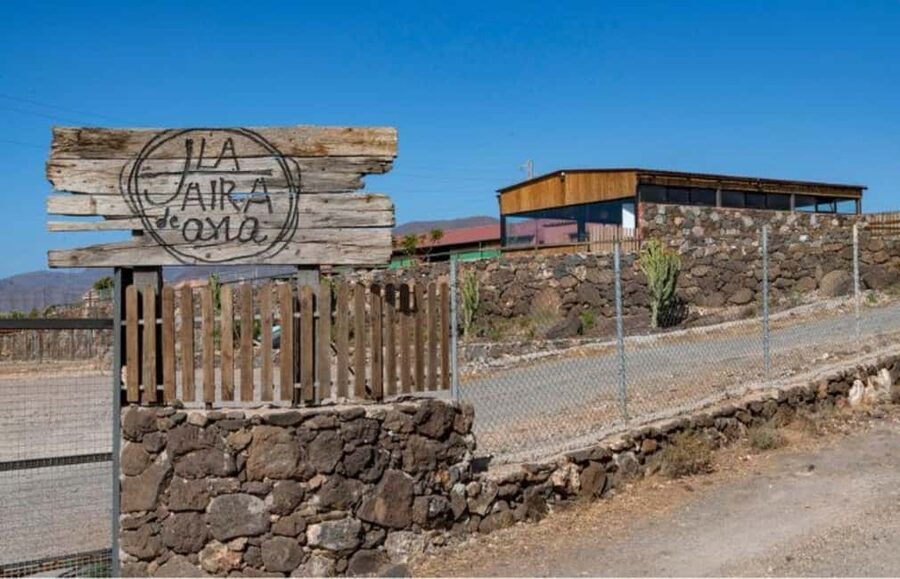
- Logistics to consider: finding the farm and not feeling rushed
- Who this workshop is best for
- Should you book La Jaira de Ana’s cheese workshop?
- FAQ
- Where does the cheese workshop take place?
- How long is the workshop?
- What will I make during the workshop?
- Will I get to interact with goats?
- Can I take the cheese home?
- What language is the workshop taught in?
- Is there free cancellation?
- Can I reserve without paying right away?
- Do I need to check starting times?
6 things you’ll remember from La Jaira de Ana
- Baby-goat time right in the farm environment, with close interaction
- Step-by-step cheesemaking taught in a simple, guided way
- Real hands-on work, including key stages like coagulation and shaping
- Fresh goat milk as the ingredient, collected from their own goats
- A tasting moment at the end of the process
- You take your cheese home, so bring a cooler and plan for transport
Why Agüimes is a great base for this cheese workshop
Agüimes is a smart choice if you want something more hands-on than the usual island routine. This 1.5-hour experience is built around everyday farm life: goats, milk, and the traditional work that turns that milk into cheese.
What makes it feel different from a typical food class is that it starts with the animals. You’re not learning cheese in a classroom with a slide deck. You’re learning it with the source right there—baby goats and the people who care for them—so the process makes practical sense fast.
The experience is also short enough to fit into a busy travel day. You’re not committing half a day, and you’re not waiting around for hours while something happens offstage. Instead, you get an active workshop flow and a clear ending: you take home your cheese.
Meeting the baby goats at La Jaira de Ana
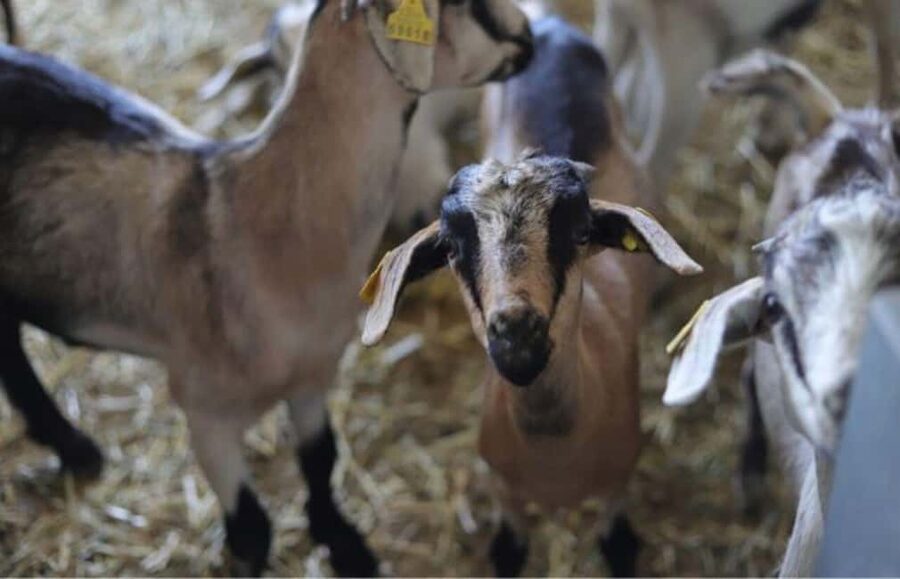
The farm setting is part of the point. You’ll meet the goats and interact with them in a natural environment, with time to observe how they’re kept and how their milk fits into the cheesemaking.
In particular, you’ll be around little baby goats, which is where the experience turns from educational to genuinely fun. If you travel with kids, this is the kind of activity that keeps attention without turning into a gimmick. One review specifically noted baby rabbits and lots of farm animals for younger visitors, which matches the “farm day” feel.
You’ll also likely notice the guide pacing: they explain what’s happening, then they bring you into it. That matters because cheesemaking is simple when someone shows the steps in the right order. When it’s done that way, you don’t need technical knowledge—you just follow the process and do what you’re asked.
One more thing: a guide named Fermet (as mentioned in a feedback note) handled the tour around the farm and then moved into the process with patience. Another person highlighted Ana as the enthusiastic expert who guided the cheesemaking end to end. If you get either of them, you’re in good hands.
From milking to first steps: how the 1.5 hours usually flows
Your session is structured as a “whole story,” from milk collection to the transformation process. You start with a warm welcome where the instructor explains how the cheesemaking works—from milking through the steps that turn milk into something you can shape.
You’ll also get to observe how the fresh milk you’ll use is collected. That’s not just a nice touch. It connects the dots between farm care and food you can actually eat.
After that, you move into the guided workshop portion. The process is taught step by step, with enough instruction that you know what you’re doing and enough hands-on time that you feel ownership. The key moments you can expect to participate in include coagulation and shaping—the steps where milk stops being liquid and starts behaving like cheese.
The workshop then ends with a taste of the final product. That tasting is important because it helps you understand the “why” behind each step. You’re not only making something. You’re learning how the steps affect the flavor you experience at the end.
Hands-on cheesemaking: what you actually do, not just watch
This is the kind of workshop where your hands matter. You’re there to join the process, not just observe it. The included activities clearly point to active participation: you’ll make your own artisan cheese with fresh goat’s milk, and you’ll learn the traditional process through step-by-step guidance.
Here’s what that typically means in practical terms:
- You start with the milk and learn how it’s handled before it becomes cheese
- You move into coagulation, where the mixture changes and you can see the process take shape
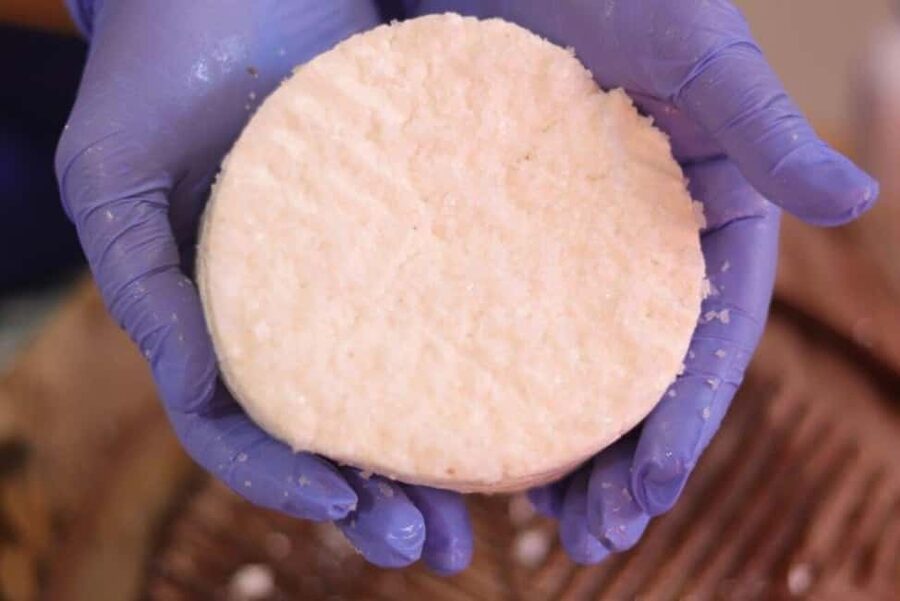
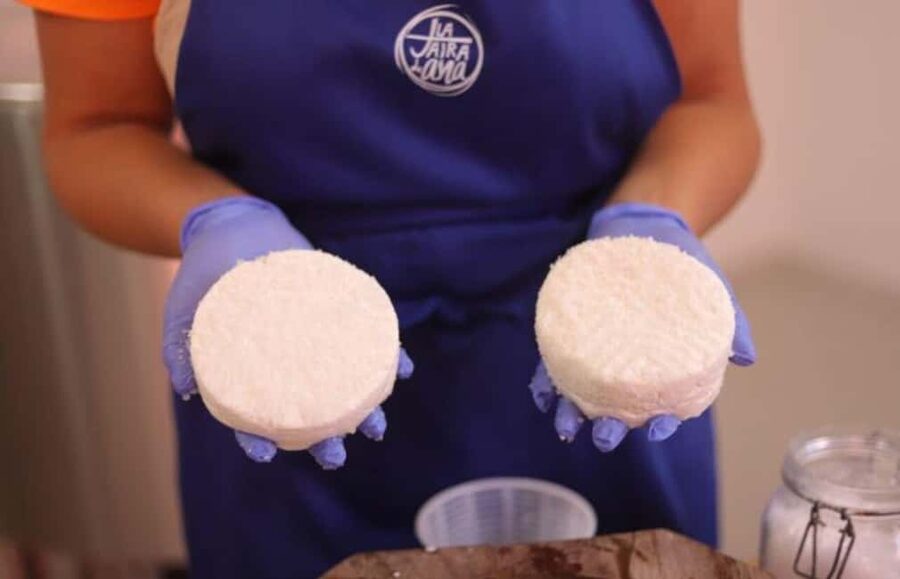
- You shape the cheese, so the end result reflects your work, not just the instructor’s
- You taste what you made, so the whole session has closure
Because the steps are taught in sequence, you don’t need to guess. If something feels confusing, the whole format is designed to get you back on track. That’s also why it feels like a true workshop instead of a “watch and hope” class.
If you like food experiences that teach technique while staying relaxed and human-scale, this fits. The animal interaction also keeps things grounded: you’re not learning cheese as a distant luxury product. You’re learning it as farm craft.
Taking your cheese home (and what that means for your plan)
The biggest practical detail is simple: you’ll take home the cheese you created yourself. And that means you need to plan for transport immediately after the workshop.
The instructions specifically say to bring your cooler to take your cheese home. This isn’t optional fluff. If you want to enjoy your effort later, keep it cold, keep it contained, and don’t let it sit around in a warm bag for too long.
Also, keep your post-workshop plan flexible. You’re leaving with an edible item that needs proper handling. If your schedule is tight and you have long transport time right after, it’s worth thinking about how you’ll keep the cheese cold the whole way back to where you’re staying.
Price and value: is $35 for 1.5 hours worth it?
At about $35 per person for a 1.5-hour workshop, the value depends on what you want out of the experience.
Here’s what you get for the money, based on what’s included:
- You make your own artisan cheese using fresh goat’s milk
- You meet and interact with baby goats in a natural setting
- You get a hands-on cheese-making workshop with step-by-step instruction
- You learn the traditional process from start to shaping
- You leave with the cheese you made
That’s a rare combo: farm animal time + real instruction + food you produced + something you can actually bring home. A lot of food classes give you a tasting and a story. This one adds a tangible product and the animal-based origin of the ingredients.
Is it pricey compared to doing nothing? Sure. But compared to other short, structured food experiences that don’t include animal interaction and don’t produce something you can take home, this looks like a fair deal—especially if you’re the type of traveler who values doing over watching.
Language reality: Spanish instruction and how to handle it
The workshop content is offered in Spanish, and the instructor is Spanish. Some content is shown in the original language, which means you should expect at least part of the session to be taught without English translation.
Here’s how to think about it so it doesn’t become a problem:
- If you’re okay following along with demonstrations, you’ll likely be fine. Cheesemaking has visual steps.
- If you don’t speak Spanish, focus on the sequence the instructor shows you. That’s the core learning.
- Ask for clarification when you need it. The experience is hands-on, so questions can be practical.
The good news is that the workshop format is built around physical steps like coagulation and shaping. Those parts are easier to understand even when you don’t catch every word.
Logistics to consider: finding the farm and not feeling rushed
One consideration worth taking seriously is that farm locations can be easy to miss. There can be gaps between online maps and reality, and getting turned around eats into your limited time.
So I’d plan like this:
- Give yourself extra time before the start time
- Use navigation early, not at the last second
- If you’re driving, keep your attention on the route and allow room for slow turns or rural roads
If something goes wrong, the experience includes contact details through the booking platform, so use that rather than waiting silently.
This isn’t meant to scare you. It’s just realistic travel advice for smaller farms and activities that depend on arriving on time.
Who this workshop is best for
I think this is a strong fit if you want a break from big-ticket attractions and you enjoy practical, food-focused learning.
It’s especially good for:
- People who love animals and want more than a quick look
- Foodies who enjoy technique and want a hands-on outcome
- Families, since the farm setting and animals make it naturally engaging
- Travelers who like short activities with a clear ending (you make it, you taste it, you take it home)
If you hate hands-on work or you’re strictly looking for a passive tasting tour, this may feel like too much “doing.” But if you enjoy contributing, you’ll likely have a better time.
Should you book La Jaira de Ana’s cheese workshop?
Yes, if you want a short, farm-based experience that mixes animals, technique, and a real edible souvenir. The value is strong because you get the process step by step, you participate in key stages like coagulation and shaping, and you leave with the cheese you made yourself—assuming you bring a cooler.
Before you book, do two reality checks: confirm you’re comfortable with Spanish instruction, and plan for transportation right after the workshop because your cheese needs to stay cool. If those two points work for you, this is the kind of trip memory that doesn’t fade, because you can literally taste it later.
FAQ
Where does the cheese workshop take place?
It takes place in Agüimes, Gran Canaria in Spain, at La Jaira de Ana.
How long is the workshop?
The duration is 1.5 hours.
What will I make during the workshop?
You’ll make artisan cheese using fresh goat’s milk.
Will I get to interact with goats?
Yes. You can meet and interact with baby goats in a natural environment.
Can I take the cheese home?
Yes. You can take home the cheese you made yourself, and you’re advised to bring a cooler.
What language is the workshop taught in?
The language is Spanish, with instruction from a Spanish instructor.
Is there free cancellation?
Yes. You can cancel up to 24 hours in advance for a full refund.
Can I reserve without paying right away?
Yes. It offers a reserve now & pay later option.
Do I need to check starting times?
Yes. Starting times can vary, so you should check availability to see when the sessions run.