REVIEW · MATERA
Matera: Mozzarella and Cheese tasting with a Cheesemaker
Book on GetYourGuide →Operated by Latteria da Nicola · Bookable on GetYourGuide
In This Review
- A quick hook
- Key highlights you’ll care about
- Meeting the cheesemakers: the brown door beside the shop
- What to watch for
- Farmer’s breakfast first: why arriving hungry is smart
- What you’ll probably enjoy most
- From milk to mozzarella: stretching, cooking, and learning the phases
- The practical reality: you’re learning
- The cheese tasting lineup: fresh to matured in a logical order
- How to taste without overthinking it
- What you take home: vacuum-packed provolone or scamorza
- Price and value: what $77 buys you in real terms
- Who should book this
- Who should skip it
- Quick practical tips so you get the most out of the 2 hours
- Should you book the Matera mozzarella and cheese tasting workshop?
- FAQ
- How long is the Matera mozzarella and cheese tasting?
- How much does the experience cost?
- Is transportation included?
- What’s included in the tasting and breakfast?
- Do you make mozzarella during the class?
- What cheese can you take home?
- Who is it not suitable for?
A quick hook
Matera’s best cheese lesson happens at home, not in a showroom. You’ll enjoy a proper farmer’s breakfast from local organic dairies, then get hands-on with mozarella stretching and a real cheese tasting lineup. One catch: it is not suitable for people with lactose intolerance.
The main draw for me is the way the cheesemaker shares the family method step by step, from milk processing to stretching and production phases passed down for three generations. The other thing I like is the tasting structure: fresh to matured cheeses, so you actually learn what changes with age and technique instead of just sampling random bites.
If you want a hands-off experience, this one might feel a bit too participatory. And if you’re lactose intolerant, you should skip it entirely.
Key highlights you’ll care about
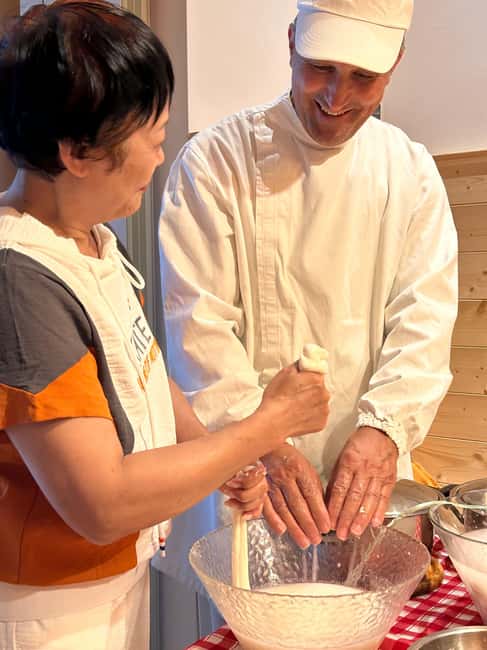
- Hands-on mozzarella stretching with cooking and milk processing during the class
- Farmer’s breakfast with fresh dairy plus honey, jam, homemade treats, and local bread
- Clear tasting progression from fresh to semi-fresh, semi-matured, and matured cheeses
- Small group size (up to 10) that makes it feel personal, not rushed
- Take-home cheese in a vacuum package, typically lasting up to 20 days
Meeting the cheesemakers: the brown door beside the shop
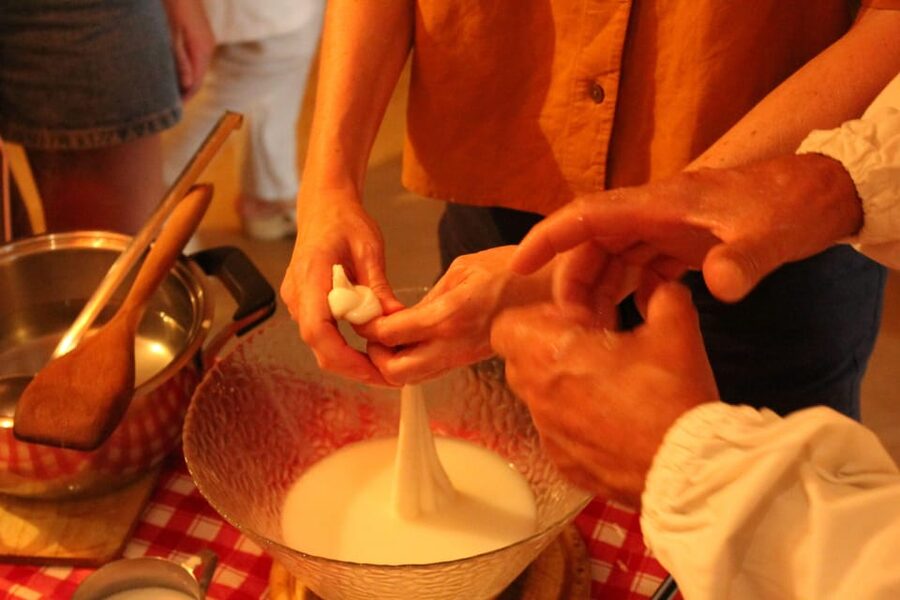
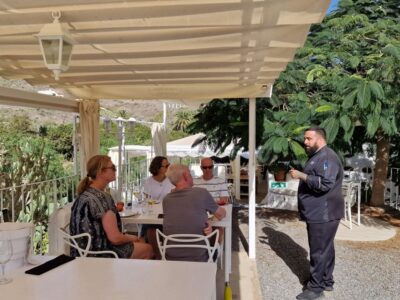
This experience starts in Matera in a simple, easy-to-overlook spot: the brown door beside the cheese shop. That matters, because you’re not going to a big culinary school setup. You’re going to a working home-and-creamery kind of place run as a family business.
The setting tends to feel warm and practical. You’ll be with a small group of up to 10 people, and the instructor is comfortable moving between Italian and English. Reviews I’ve read also mention the cheesemaker and his wife welcoming people like family, with more food than you’d expect. Plan your timing accordingly, because a “snack” vibe is not the mood here.
Good news if you’re traveling solo or in a small group: the format makes it easy to ask questions. You can also expect some hands-on time, which is where the workshop gets memorable.
What to watch for
No pets are allowed. Also, because it’s a dairy-based session and includes a breakfast-style spread, it’s not a good match if you need strict lactose management.
Farmer’s breakfast first: why arriving hungry is smart
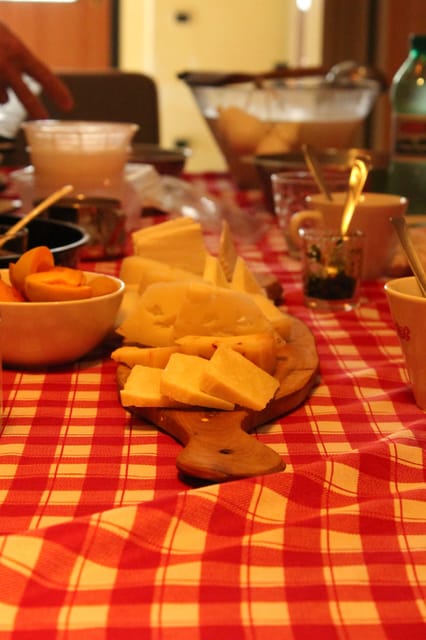
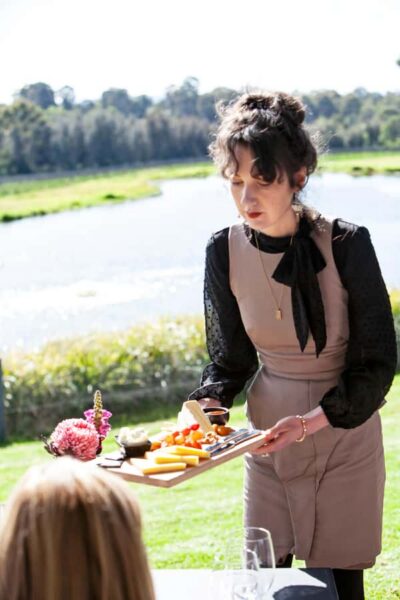
The tour begins with a typical farmer-style breakfast made from organic dairy products. You can expect fresh yogurt and fresh milk, plus fresh butter, along with homemade treats like honey and jam and local bread. It’s not fancy-buffed presentation. It’s the food you’d want after a morning walk through Matera’s streets, before you start tasting cheeses that go from fresh and creamy to more developed flavors.
This first part does two things well:
- It sets your palate. Fresh dairy flavors make the later cheese differences easier to notice.
- It gives you energy for the hands-on part. Mozzarella stretching and cooking steps take attention, and the session is 2 hours total.
If you tend to skip breakfast while traveling, you’ll be relieved. If you already ate a big breakfast, you’ll likely feel stuffed before the first cheese tasting even starts. The best move is to show up ready for food.
What you’ll probably enjoy most
The fresh dairy components, especially if you like the taste of real milk and real butter. This workshop leans on quality ingredients, and that shows up in how clean and fresh the flavors feel.
From milk to mozzarella: stretching, cooking, and learning the phases
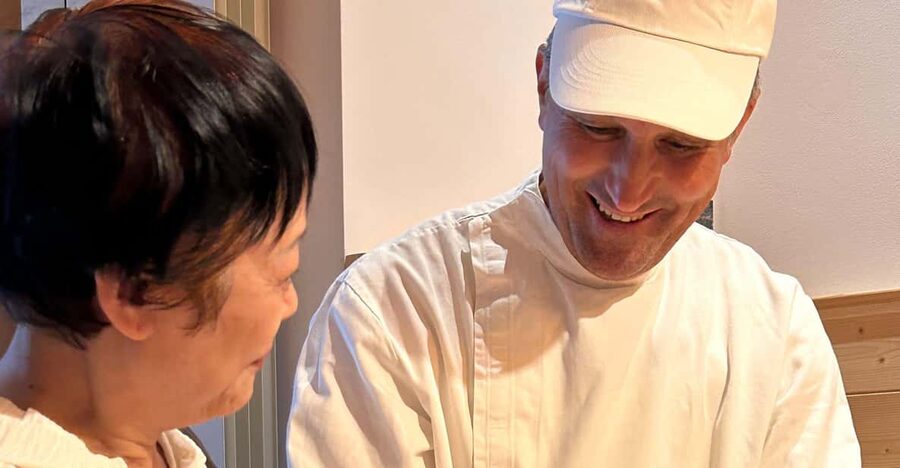
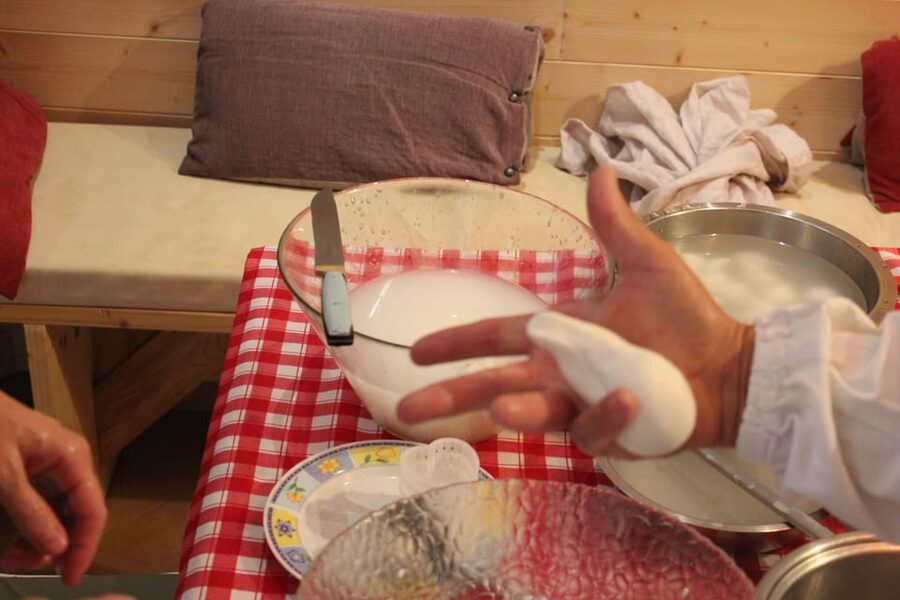
After breakfast, the class shifts into the workshop mode. The cheesemaker walks you through the tradition of handmade cheese production, including how the family method has been handed down from father to son across three generations. You’ll also hear about the business history and the local production approach, framed around processing phases from milk to cheese.
Then comes the practical part. You can expect:
- Assistance with milk processing and cooking
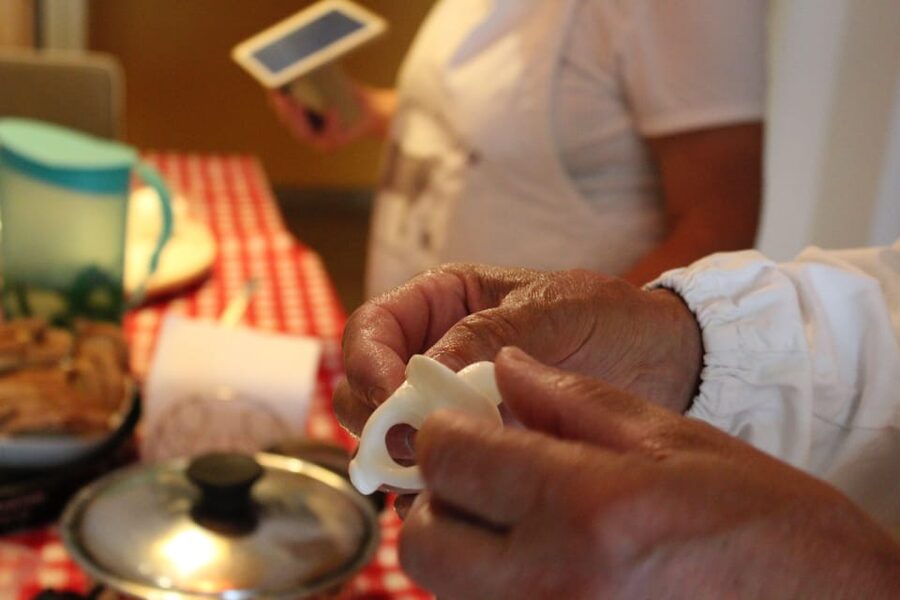
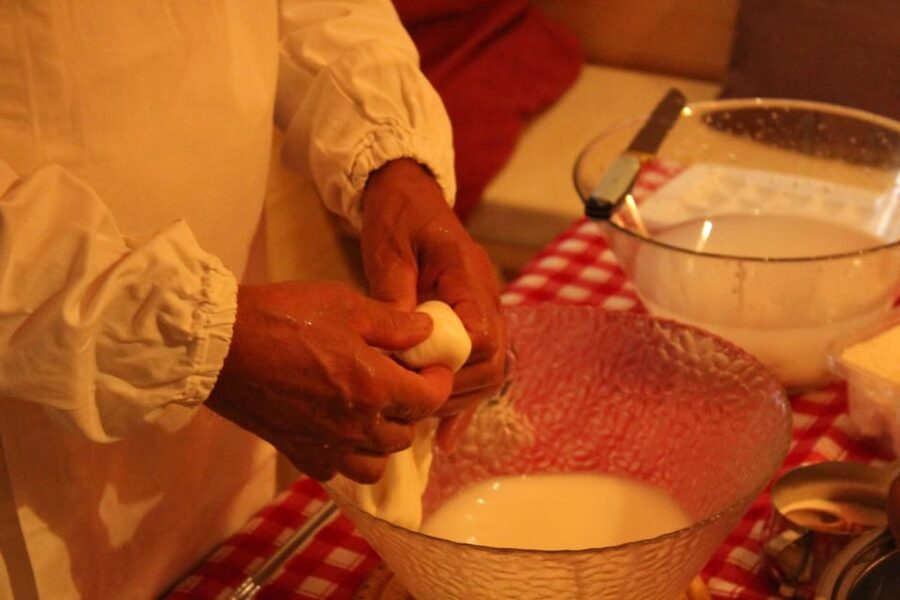
- A demonstration of typical hand mozzarella stretching
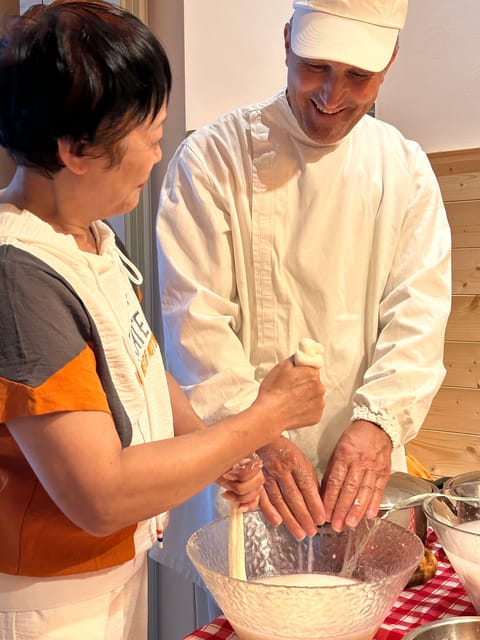
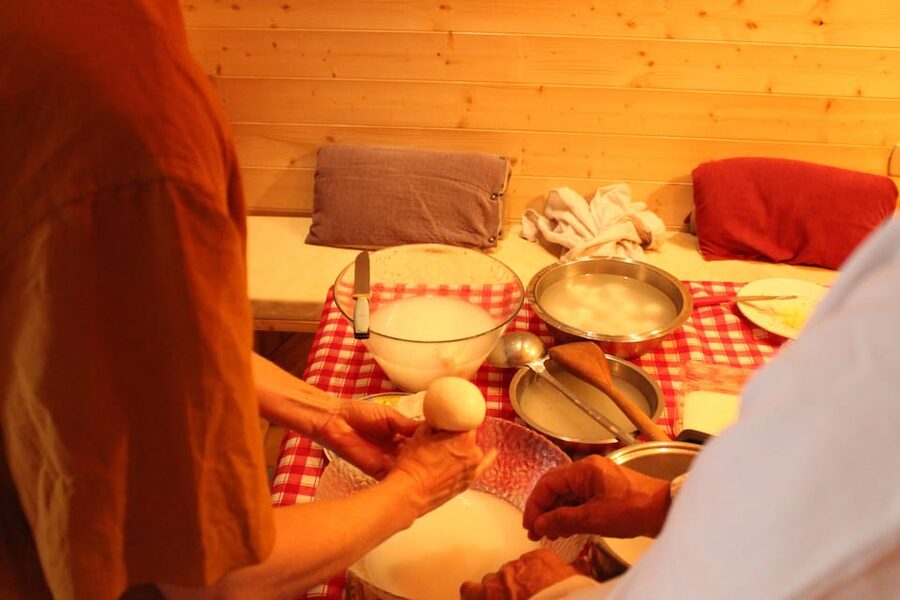
- A hands-on mozzarella stretching session
Hands-on is the key word. The stretching is where the whole process stops being abstract. When you actually pull and work the curd, you understand why consistency and timing matter. It also helps you taste more thoughtfully later, because you’ll recognize texture cues you might otherwise miss.
This portion is also valuable if you’re the kind of traveler who wants to take home a skill, not just photos. Even if you don’t plan to make cheese at home right away, you’ll leave understanding what makes mozzarella mozzarella.
The practical reality: you’re learning
You should come prepared for a tactile food experience. It’s not culinary showmanship with perfectly dry hands. You’ll likely get a bit involved in the process, and you’ll want to be comfortable paying attention for the full 2 hours.
The cheese tasting lineup: fresh to matured in a logical order
After the production steps, you move into tasting. This is one of the strongest parts of the workshop because the tasting is structured, not random.
You’ll start with freshly prepared mozzarella and burrata. Burrata is often the headline in places like this, and in past experiences people have specifically called out an exceptional version of it. I’d treat that as a sign that the workshop really cares about freshness and texture.
Then the tasting expands across different ages and styles:
- 2 fresh cheeses
- 2 semi-fresh cheeses
- 2 semi-matured cheeses
- 2 matured cheeses
That lineup is smart for two reasons. First, you taste with a “map” in your head: fresh is bright and milky; matured starts getting deeper and more developed. Second, you learn to notice differences in aroma and mouthfeel, not just saltiness or strength.
How to taste without overthinking it
Take small bites and give yourself a moment between cheese types. If you rush, they blur together. If you slow down, you’ll actually feel the progression from softer, younger cheeses to firmer, more intense ones.
What you take home: vacuum-packed provolone or scamorza
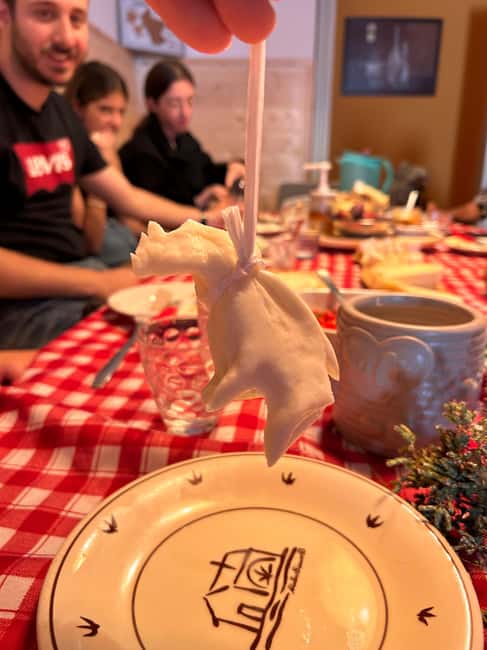
At the end of the tour, you don’t just leave with memories. You’ll take home cheese in a vacuum package. The specific choice is usually provolone cheese, scamorza cheese, or another type of cheese.
The practical part: the vacuum-packed cheese can be transported for up to 20 days without problems. That’s a big deal if you’re flying or you’re staying out of town and want to share it later. It also makes the workshop feel like it respects your trip planning, not just your appetite during the 2-hour session.
You should also expect a small surprise as part of the wrap-up. If you like the feeling of ending a tour with a little extra, this is the kind of touch that lands well.
Price and value: what $77 buys you in real terms
At $77 per person for about 2 hours, this workshop is priced like an intimate, experience-first activity. It’s not “cheap,” but it’s also not just a tasting platter.
Here’s what you’re paying for, in practical value:
- A full farmer’s breakfast with fresh dairy and homemade add-ons
- Hands-on mozzarella stretching plus milk processing help and cooking steps
- Multiple tastings across fresh to matured cheeses
- A take-home vacuum-packed cheese
- A small group format (up to 10), which is where the host attention becomes worth it
You also don’t have to manage transportation to the meeting point because it’s not included. So factor in a simple local plan for getting to the brown door. If you’re already in Matera, that’s usually the only logistical hurdle.
Who should book this
You’ll likely love it if you:
- Like hands-on food learning, not just eating
- Want to understand cheese differences across aging stages
- Care about local, small-scale production and family methods
- Don’t mind dairy (and can handle lots of it)
Who should skip it
Avoid if you’re lactose intolerant. And if you hate “getting involved” in food tasks, you may find the class format too active.
Quick practical tips so you get the most out of the 2 hours
- Arrive hungry. The breakfast is real, and it’s part of the tasting flow.
- Wear comfortable clothes. You’ll be working with food and moving around.
- Bring questions. The workshop is built for learning, and the hosts explain the process and history.
- Use the cheese take-home wisely. Vacuum-packed cheese up to 20 days is ideal for gifts or later meals, but still treat it like a food you’ll want to enjoy, not just carry.
Also, the meeting point is straightforward but easy to miss. Look for the brown door beside the cheese shop.
Should you book the Matera mozzarella and cheese tasting workshop?
If you want a Matera food experience that feels authentic and practical, I’d book it. The best part is the combination: breakfast that sets your palate, a hands-on mozzarella moment that teaches you something real, and a tasting lineup that actually maps how cheese changes with age.
The only serious reason to hesitate is lactose intolerance, since the experience is built around dairy. Beyond that, it’s one of those trips where you leave with both knowledge and a take-home piece of the region.
If your travel style is eat-and-learn, and you like spending time with people who do the work every day, this is a strong choice in Basilicata.
FAQ
How long is the Matera mozzarella and cheese tasting?
It lasts 2 hours.
How much does the experience cost?
The price is $77 per person.
Is transportation included?
No, transportation is not included.
What’s included in the tasting and breakfast?
You’ll get an organic farmer breakfast with fresh dairy (fresh yogurt, fresh milk, fresh butter) plus homemade treats and typical bread. You’ll also taste freshly prepared mozzarella and burrata, then 2 fresh, 2 semi-fresh, 2 semi-matured, and 2 matured cheeses.
Do you make mozzarella during the class?
Yes. There’s a mozzarella stretching demonstration and a hands-on stretching session.
What cheese can you take home?
You’ll receive provolone cheese or scamorza cheese (or another type of cheese) in a vacuum package.
Who is it not suitable for?
It’s not suitable for people with lactose intolerance, and pets are not allowed.