REVIEW · CEGLIE MESSAPICA
Puglia: Masseria Seppunisi Tour, Cheese, Burrata Tasting
Book on GetYourGuide →Operated by Masseria Seppunisi · Bookable on GetYourGuide
Hand-make burrata on a working farm. Masseria Seppunisi turns cheese into a hands-on experience, not a lecture. You’ll start with the farm’s story, meet the cows, and then get your hands in the process of making burrata and mozzarella.
I especially like two things here: first, the farm is real and active—milk gets turned into cheese daily, so you’re seeing the work firsthand. Second, the tour is truly interactive; you’re not just watching, you’re making your own mozzarella or burrata with help from the staff. On top of that, the final aperitif is built around the farm’s products and a proper glass of wine.
One thing to consider: because it’s a functioning dairy with machinery going on, you may have moments where it’s harder to hear every detail unless you’re positioned close to the guide. That’s not a deal-breaker, but it’s good to know what kind of setting you’re walking into—farm life is loud.
In This Review
- Key things to know before you go
- Masseria Seppunisi: a 16th-century dairy on Puglia’s Murge plateau
- How the 2-hour farm visit actually flows
- Meeting the cows and getting the real farm atmosphere
- Seeing the milk-to-cheese journey (cowshed, dairy, aging rooms)
- Making mozzarella and burrata with your hands
- The final aperitif: five cheeses, Apulian taralli, focaccia, dessert, and wine
- Price and value: is $53 for 2 hours worth it?
- Best fit: who this tour suits (and who might want another option)
- Practical tips that make the visit easier
- Should you book Masseria Seppunisi?
Key things to know before you go
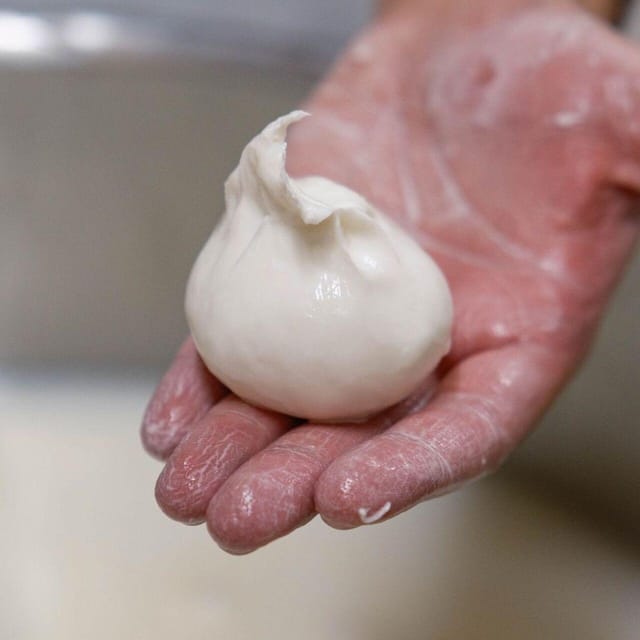
- Hands-on mozzarella or burrata: You’ll shape cheese yourself with guidance.
- Meet the cows up close: Including time around calves and a real milking routine.
- You’ll see multiple production zones: Cowshed, dairy, and cheese aging rooms.
- Aperitif is part of the point: A tasting plate plus local wine to finish.
- Small group (max 10): Better attention while you’re making cheese.
- Farm noise is real: If you’re sensitive to sound, plan to stand near the guide.
Masseria Seppunisi: a 16th-century dairy on Puglia’s Murge plateau
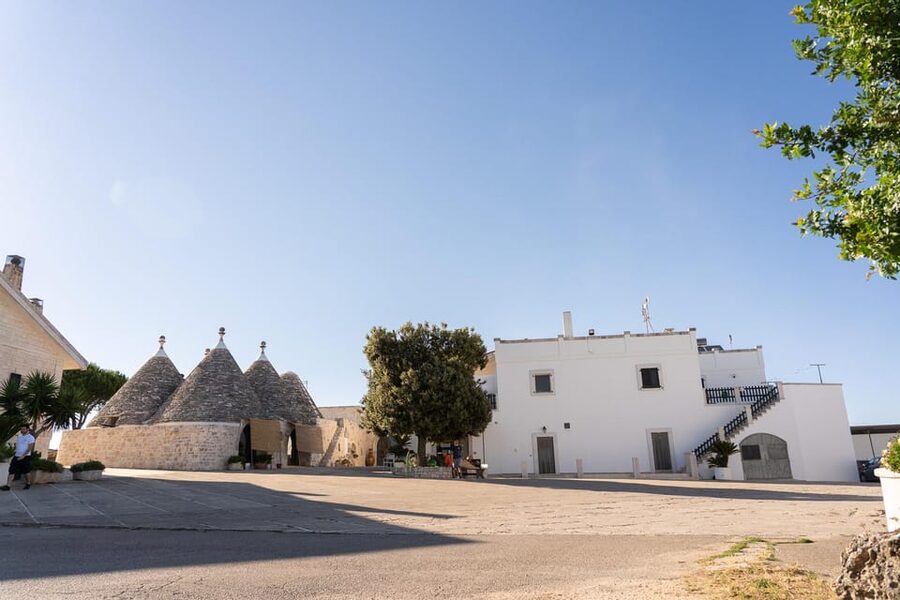
Masseria Seppunisi sits on the Murge plateau, in that stretch of Apulia between the Itria Valley and the approach to Salento. This matters because the landscape and the farming rhythm are part of the food. When you walk into a place like this, you’re not just buying cheese—you’re seeing how the milk supply and local know-how turn into the final taste.
The farm traces its roots to the 16th century, and it’s been run by four generations. That long timeline shows up in the way they talk about the process: milk quality is the starting point, and the aim is freshness and goodness built on traditional habits. They also emphasize km0 production, which basically means the focus stays close to the farm’s own work.
Expect a tour that feels practical. You’ll move from barn areas to dairy spaces and then into cheese aging rooms—each stop explains a piece of the chain. If you want a Puglia experience that’s about eating and doing, not just standing in a pretty spot for photos, this one fits.
How the 2-hour farm visit actually flows
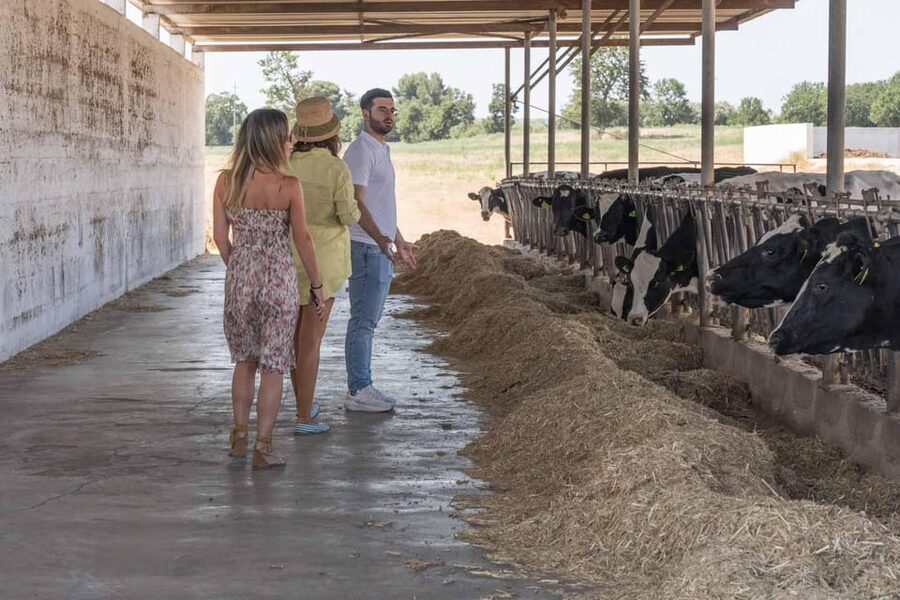
The tour runs about 2 hours, and it uses that time efficiently. You get a short historical and farm context, then you transition into the areas where the milk becomes dairy products. After that comes the hands-on portion, and finally a tasting aperitif to bring it all together.
Here’s the rhythm you’ll feel:
You start with the farm overview and where the cows fit into daily work. Then you visit the cowshed, cross through the dairy area, and end up in the cheese aging rooms. After the explanation, you make mozzarella and burrata with your own hands, guided by the staff. The tour ends with an aperitif where you eat what the farm produces.
The time pressure isn’t intense, but it is focused. In other words, you won’t get a slow, meandering walking tour. You’ll be busy, which is usually the point at a working dairy.
Meeting the cows and getting the real farm atmosphere
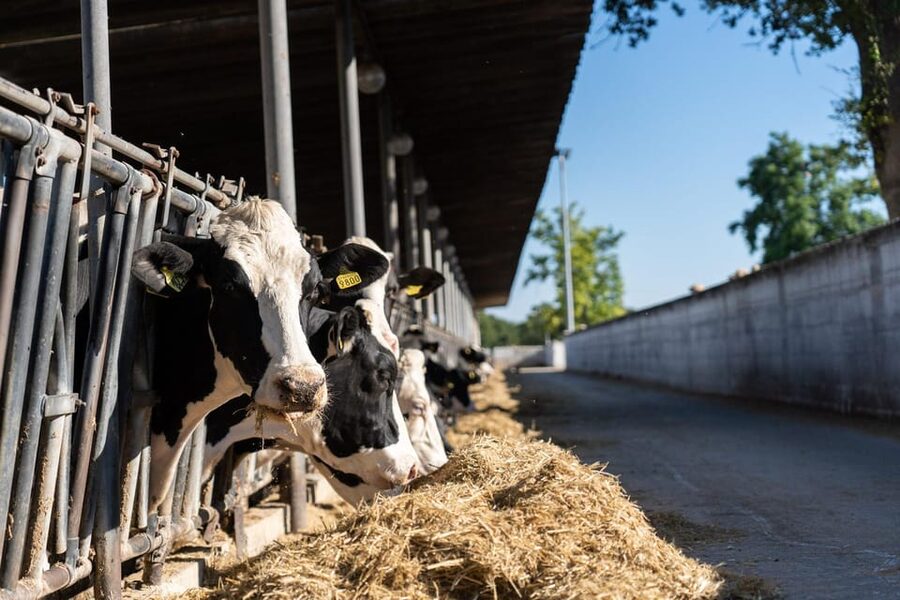
You begin at the heart of it: the cows. The farm is centered on daily milking, and that’s the engine behind everything else you’ll eat. You’ll get to see the cows in their barn setting, and you’ll have a chance to meet the younger ones too. It’s not just cute animal time—this is how you build context for why the cheese tastes the way it does.
In the better moments, the animals make the tour feel human-scale. You’re standing close enough to smell the barn atmosphere, and you see the practical side of livestock farming. It also helps you relax before the hands-on cheese part, because you’re not immediately thrown into production equipment and lab steps.
One practical note: wear comfortable shoes. The ground can be uneven or farm-dusty, and you’ll be walking between areas. Sandals or flip-flops are a bad match for a working facility.
Seeing the milk-to-cheese journey (cowshed, dairy, aging rooms)
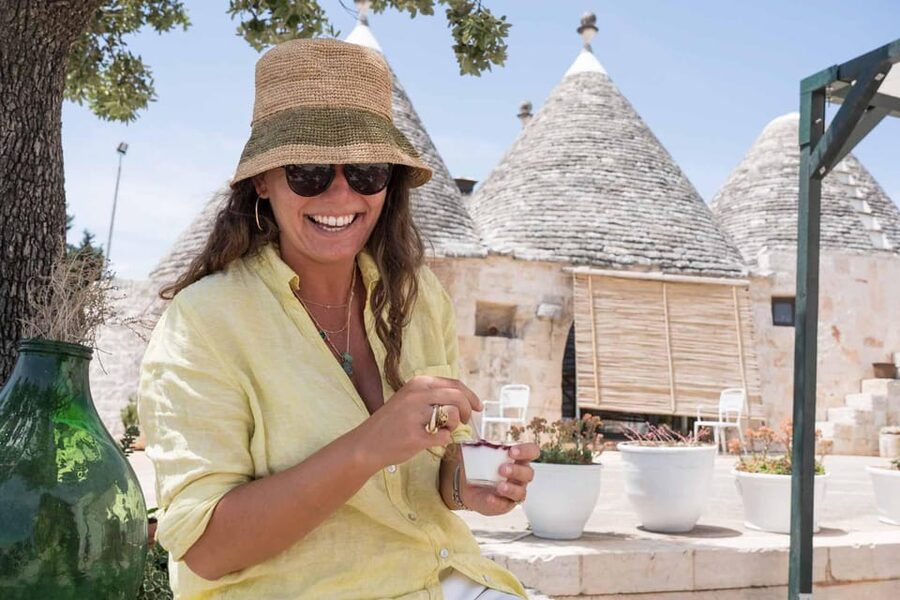
After the cows, you’ll move through the production zones in a logical order: cowshed, dairy, then cheese aging rooms. That sequence is more than a route—it’s an explanation of how cheese changes over time.
In the dairy area, you’ll learn how expert hands turn milk into dairy delights on a daily schedule. The aging rooms then show you the next stage: not just making, but waiting. Watching aging spaces reminds you that cheese flavor isn’t instant. Time, temperature, and careful handling matter.
I like tours that show at least two stages of the process, and this one does. A first-time cheese eater can follow the story without feeling lost, and a more curious foodie gets the extra satisfaction of seeing where the finished flavors develop.
Making mozzarella and burrata with your hands
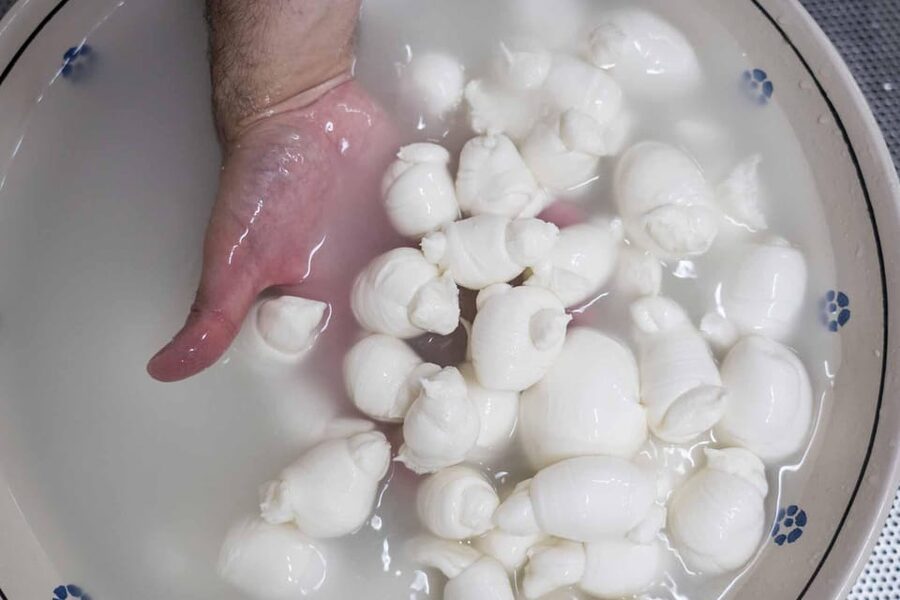
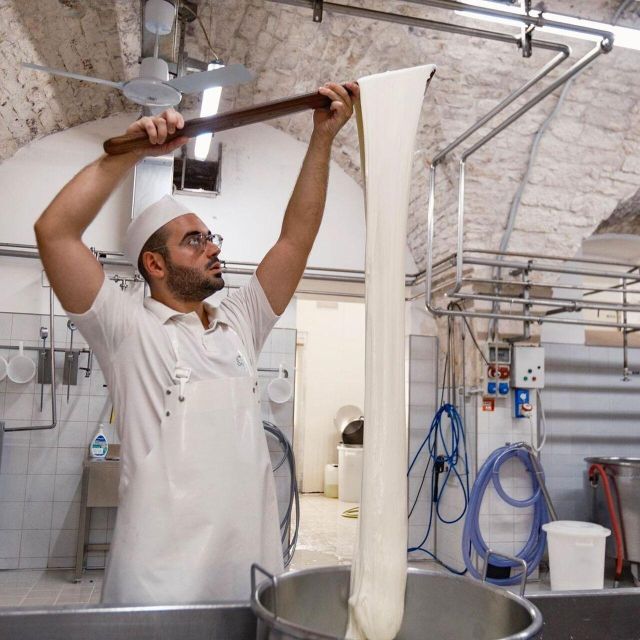
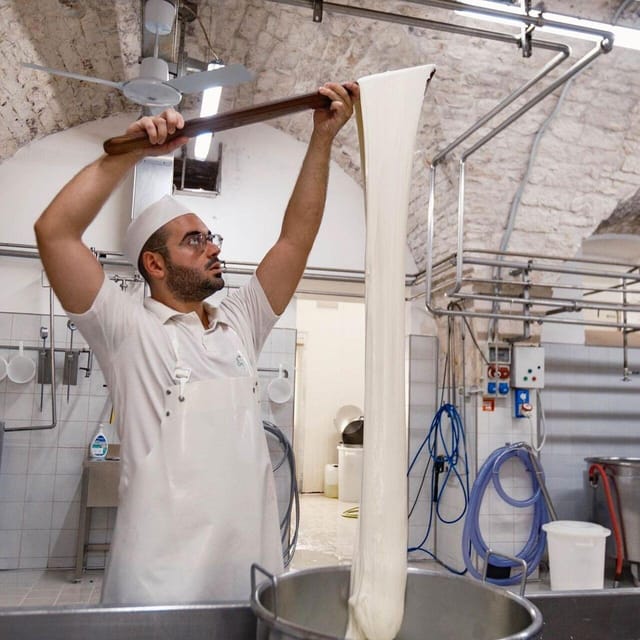
This is the main event. You’ll make mozzarella and/or burrata yourself with guidance. Think of it as a short, structured class inside a working farm environment. You’ll watch steps, then you’ll do the shaping and handling.
The key advantage of a hands-on cheese workshop on a farm like this is that you understand texture, not just flavor. You learn how stretching and shaping relate to the final product—especially for burrata, where the experience is all about that soft, creamy inside paired with the right outer form.
Staff guidance is part of the value here. The owner and team explain the process in a way that’s easy to follow, and English support is provided by the guide. One name that comes up in the experience is Wendy, who helps make sure the steps make sense if you’re not working in Italian.
Even if you don’t plan to cook Italian cheese at home, you’ll leave with a better sense of what makes mozzarella and burrata different. And you’ll have the satisfaction of eating something you helped create, not something that simply arrived on a plate.
The final aperitif: five cheeses, Apulian taralli, focaccia, dessert, and wine
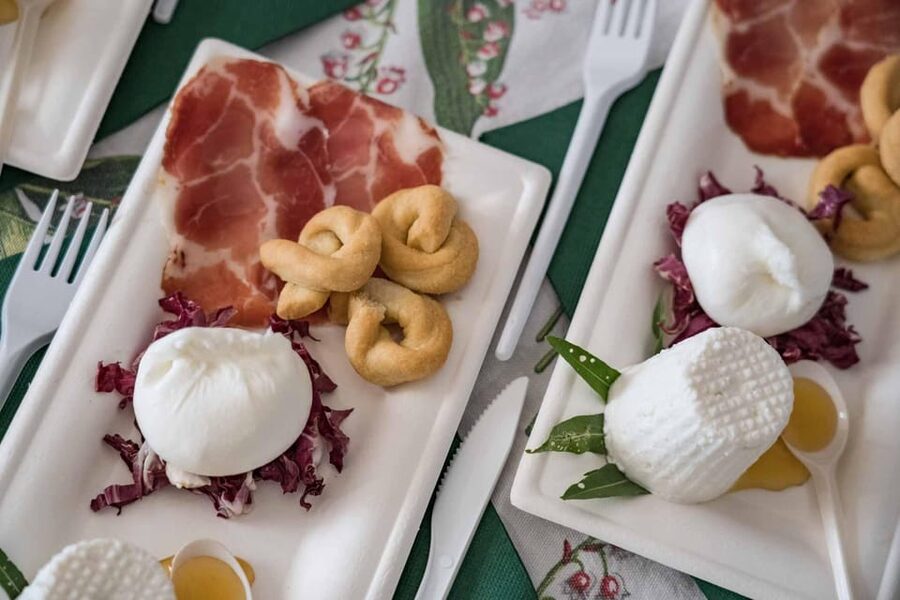
After the work, you’ll eat. This part matters more than many tours make it seem, because the taste locks in what you learned.
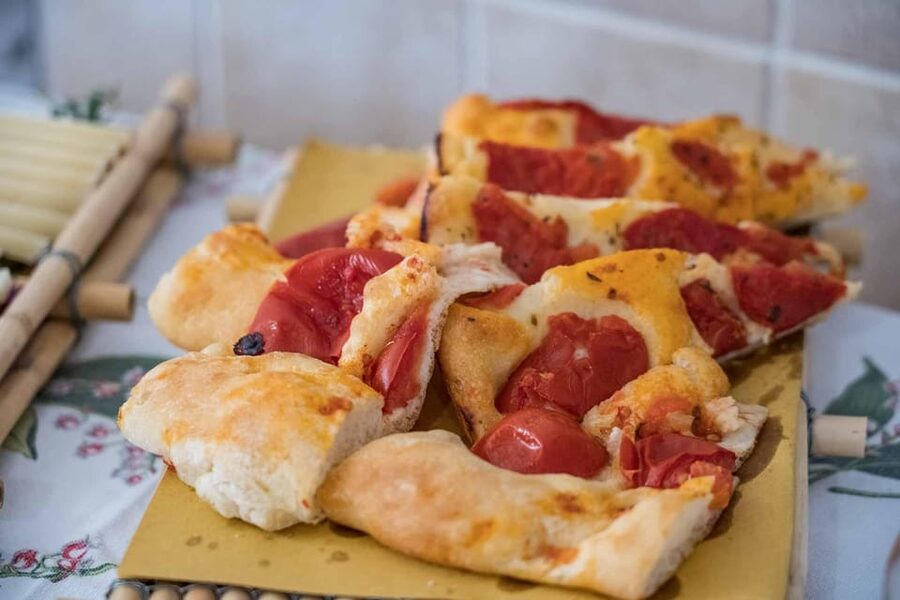
The tasting plate includes 5 types of cheeses, cold cuts, Apulian taralli, Apulian focaccia, and a final dessert. It’s served with local wine, and the pairing is part of the fun. In particular, rose wine shows up as a favorite match for the cheeses—light, chilled, and friendly with the richness of fresh dairy.
You’ll get both soft and harder styles during the tasting, which is a great way to experience how “cheese” isn’t one thing. Soft cheeses feel different in the mouth, and aged cheeses bring more depth. If you’ve only had mozzarella fresh before, this is a fast education.
There’s also a very real farm energy around the tasting. One funny thing to keep in mind: farm cats can be quick around food. So if you’re enjoying your mozzarella, watch your plate and don’t turn your back.
Price and value: is $53 for 2 hours worth it?
At $53 per person for about 2 hours, this is not a budget-only activity—but it also doesn’t feel inflated for what you actually get. You’re paying for multiple things that add up fast on the ground:
- Hands-on production time (not just observation)
- Access to several farm zones (cowshed, dairy, aging rooms)
- A full tasting plate that goes beyond a bite-size sample
- Wine service and water during the tour
- A small group format (limited to 10 participants)
If you’ve done tours where the “class” is basically watching someone else work, the difference here is obvious. The price becomes easier to justify once you factor in that you’re making cheese yourself and then eating a substantial spread.
In Puglia terms, this also saves you time. Instead of stitching together a dairy stop plus a separate meal plus a separate tasting, you get it in one smooth loop.
Best fit: who this tour suits (and who might want another option)
I think this is a great match for a few kinds of travelers:
- Cheese lovers who want to understand how mozzarella and burrata are made, not just taste them.
- Food-first travelers who like a practical, farm-based experience.
- Families who can handle a hands-on activity that mixes animals, making, and eating.
- Couples and small groups who prefer a smaller setting (max 10) where guides can actually help during the cheese-making.
If you’re the type who hates getting your hands dirty or dislikes any chance of farm mess, you might feel less excited. The farm setting is real, and that includes barn surroundings and hands-on work. Also, if you’re very sensitive to loud environments, plan to stand closer when the guide is speaking—machinery noise can make listening tougher.
Practical tips that make the visit easier
A few small choices can make a noticeable difference:
Wear comfortable shoes. You’ll move around the farm, and it’s not the place for flip-flops.
Bring a phone or camera if you want, but keep expectations realistic. This is an operating dairy, and the hands-on portion is where your attention should be. Quick photos before or between steps are fine, but don’t let filming steal your focus from actually making cheese.
When the guide is explaining, try to keep your spot near the front or near the person leading the demo. One downside that shows up for some people is that it can be hard to hear if you’re farther away. Staying close improves your chances of catching the details.
And yes—keep an eye on the food during tasting. The farm cats can move fast.
Should you book Masseria Seppunisi?
If you want a Puglia experience that mixes animals, hands-on cooking skills, and real food tasting in one 2-hour block, I’d book it. The strongest reasons are the interactive cheese-making and the way the tour builds from cows to dairy to tasting. For $53, you’re also getting a fuller tasting plate than you’d expect from a simple “try some cheese” stop.
Skip it only if you strongly dislike farm environments or you know you’ll struggle with hearing information in a working dairy setting. Otherwise, this is one of those tours where you leave with a better understanding of burrata and mozzarella—and a belly full of Apulian goodness.