REVIEW · MADRID
Sangria Workshop and Tasting with Local Cheese
Book on Viator →Operated by Travel Vibes · Bookable on Viator
Sangria class beats guesswork every time. In central Madrid, you spend about two hours making and tasting three sangria styles, with the story of what goes into each glass. It’s fun, social, and practical—then you get a recipe PDF so it’s not just a pleasant blur.
What I like most is the hands-on part: you learn the steps for both red and white sangria, and the guide keeps it interactive with questions and pacing that works for a small group. I also like the pairing: the cheese tasting isn’t an afterthought, it’s built to match the flavors you just made—especially Spanish sheep’s milk Manchego, plus bread and sweet treats.
One consideration: 2 hours goes fast. If you’re the type who likes to immediately act on restaurant and sightseeing advice, plan this early in your trip so those recommendations actually help you before you move on.
In This Review
- Key points to know before you go
- Why this sangria workshop feels like the right kind of Madrid evening
- Meeting point and timing: getting there without stress
- Making sangria: three styles, one repeatable method
- Flavor “stories” that actually help you taste better
- Cheese tasting: Manchego plus the logic behind the pairings
- The guides: why the room feels friendly and not stiff
- What it’s like in a small group (and why 15 is the sweet spot)
- Price and value: what $22.93 really covers
- Vegan and non-alcoholic options: how to plan if you’re avoiding alcohol
- When you should book: early trip beats last day
- Should you book this sangria and cheese workshop?
- FAQ
- How long is the sangria workshop and tasting?
- Is the tour offered in English?
- What do I make and taste during the class?
- Does the experience include cheese with the sangria?
- Are there non-alcoholic or vegan options?
- Is there a recipe handout after the workshop?
- Where does the tour start?
- What’s the group size?
Key points to know before you go
- Three sangria styles in about two hours: you’ll make and taste multiple variations, not just drink.
- Red plus white plus a sherry-infused twist: each one comes with a flavor explanation you can use later.
- Cheese pairing with real Spanish staples: Manchego (sheep’s milk) is a standout.
- Small group size (max 15): it keeps the workshop lively and gives the guide a chance to answer questions.
- Recipe PDF at the end: you can recreate what you liked back home.
- Non-alcoholic and vegan options available: you don’t have to sit this one out.
Why this sangria workshop feels like the right kind of Madrid evening
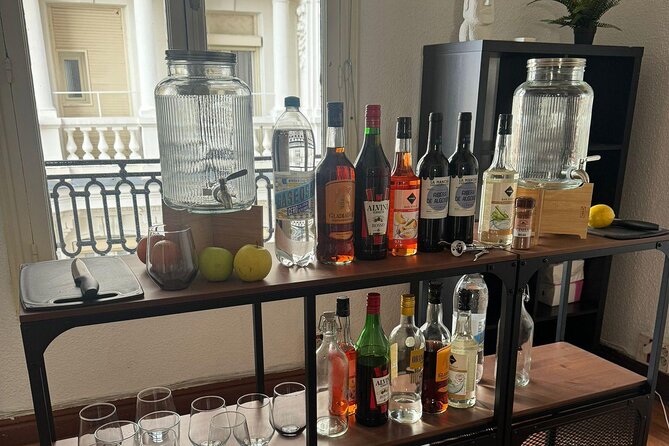
Sangria in Spain isn’t just a party drink. It’s a flexible method—fruit, wine, sweetening, and balance—plus a few traditions that explain why certain mixes work. This experience leans into that idea instead of treating sangria like a one-size-fits-all cocktail.
The format matters. A 5:00 pm start gives you that classic early-evening rhythm: you can do the workshop, eat well, and still have time to wander afterward. And because the group is capped at 15, you get a real workshop vibe, not the chaotic “everybody line up” thing.
Price-wise, you’re paying for more than a glass. The $22.93 per person buys the guided production of multiple drinks, the tasting of those drinks, plus a cheese spread that includes local varieties and Manchego. When you factor in that it’s a guided food pairing (not just a tasting flight in silence), the value starts to make sense.
You can also read our reviews of more tours and experiences in Madrid.
Meeting point and timing: getting there without stress
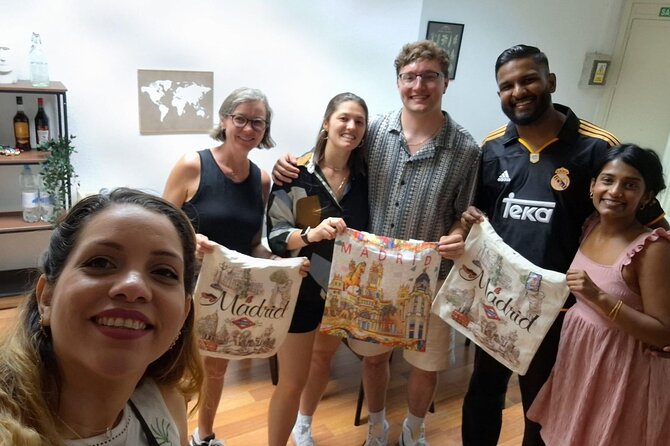
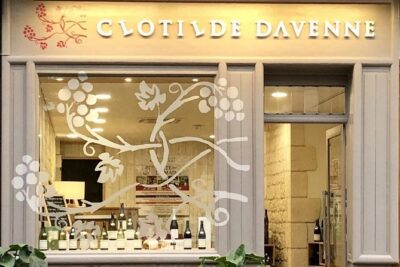
You meet at C. de la Montera, 24, tienda calle, Centro, 28013 Madrid and the activity ends back where you started. The tour runs for about 2 hours and starts at 5:00 pm.
Because it’s near public transportation, you don’t have to build your whole afternoon around one specific route. That’s helpful in Madrid, where the right metro/bus connection can save you a lot of walking. If you’re planning dinner after, I’d treat this as your “pre-dinner” meal—by the end, you’ll already have bread, cheese, and sweet bites in the mix.
Making sangria: three styles, one repeatable method
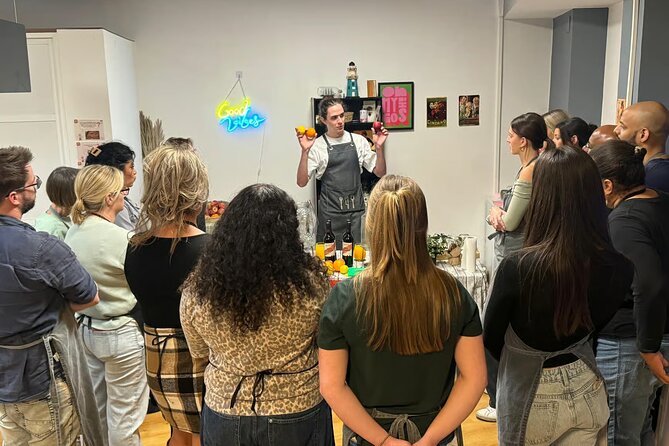
The core of the workshop is simple: you make three distinct sangria styles, learn the ingredients, and practice balancing flavors. The guide talks through the history and the “why” behind the choices, but you’re not stuck in lecture mode. You get guided step-by-step instruction and time to taste as you go.
Here’s how the styles line up based on what you’ll experience:
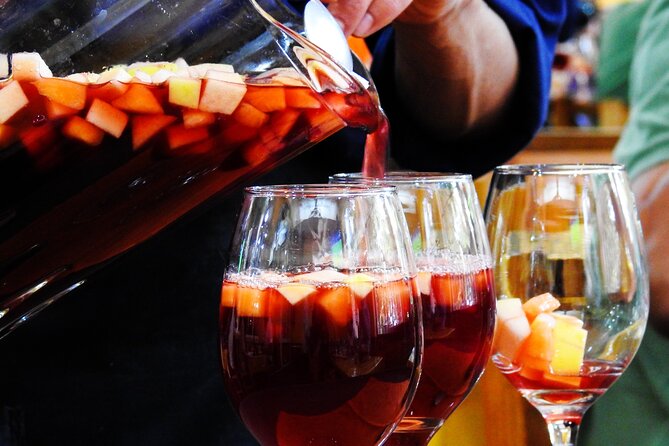
- Classic red sangria: bold and fruity, usually the most familiar style. You’ll learn how to get sweetness and fruit working with wine without overdoing either.
- White sangria: often a surprise for people who assume sangria is only red. One review called the white style a revelation, and that tracks—white sangria tends to feel lighter and more aromatic, which changes how the fruit and sweetness land on your palate.
- Sherry-infused sangria blend: the workshop specifically mentions a sherry-infused blend with a lighter, almost sparkling feel. Even if you don’t drink sherry often, this is a smart way to understand how fortified wine changes the flavor profile.
The practical win: once you understand the balance, you can adjust future drinks at home or when you’re buying sangria in a bar. If your sangria tastes too sweet, too flat, or too “wine-forward,” you’ll know what ingredient direction to adjust next.
Flavor “stories” that actually help you taste better
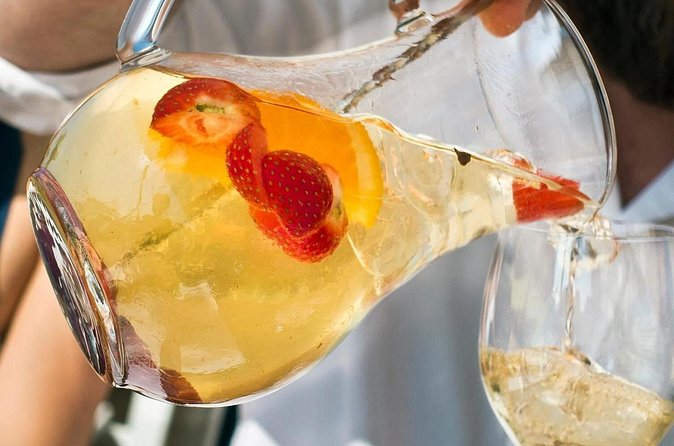
What makes this workshop more than a recipe class is that each drink comes with a story and a flavor goal. You aren’t just told what to pour—you’re told what it’s supposed to taste like and what ingredients create that effect.
A guide-led explanation like this helps you taste with a purpose:
- When you notice fruit flavors more than wine, you learn what ingredient ratios and type of fruit are doing that job.
- When a cheese pairing suddenly makes a drink taste brighter or softer, you start to understand why pairing works instead of treating it like a magic trick.
This is where the interactive element shows up. In reviews, guides like Ivan and Dani are singled out for being especially sweet and patient, and for asking questions throughout the process. In practice, that means you’re more likely to ask your own “why” questions—like how to balance sweetness or what ingredient choice changes aroma—because the group stays small enough to get answers.
Cheese tasting: Manchego plus the logic behind the pairings
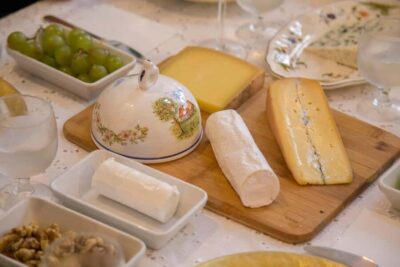
After you make and taste your sangrias, you switch to the food part of the evening: a curated tasting of local cheeses, including authentic Manchego.
Manchego is Spanish sheep’s milk cheese with a nutty, buttery character. That matters for pairing, because sheep’s milk tends to feel creamy and steady on the palate, which helps you track how the sangria’s acidity and sweetness shift across the tasting.
In the spread, you’ll also get items beyond cheese, like bread, jams, fruit, and sweet treats. That combination is why this works so well for different tastes in the same group. If someone isn’t sure about cheese pairings, the bread and jam can still make the pairing feel approachable. If you do like cheese, you’ll have enough variety to notice differences between mild and sharper flavors.
And one practical detail: pairing isn’t only about whether things “match.” It’s about how flavors change when they meet. Expect to find that a cheese bite can make a sangria taste more refreshing, or that fruit notes in the sangria can make the cheese feel less sharp.
The guides: why the room feels friendly and not stiff
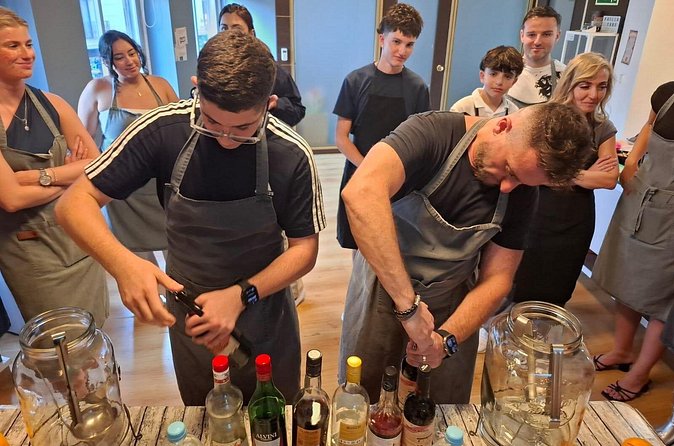
The workshop experience is clearly shaped by the guides. Several reviews mention Ivan—including one that jokingly asks Ivan or Superman after he refilled wine when it ran short. That anecdote tells you something useful: the guide is paying attention to the flow of the group, not just going through a script.
Other names you’ll see mentioned include Dani, praised for making the class interactive and walking people through the nuances of cheese tasting, and Lila, praised for fun energy and strong English.
You don’t need to be a sangria expert. You just need someone willing to explain ingredients, guide your steps, and then help you taste what you’re eating. From the way the class is described, that’s exactly the tone here.
What it’s like in a small group (and why 15 is the sweet spot)
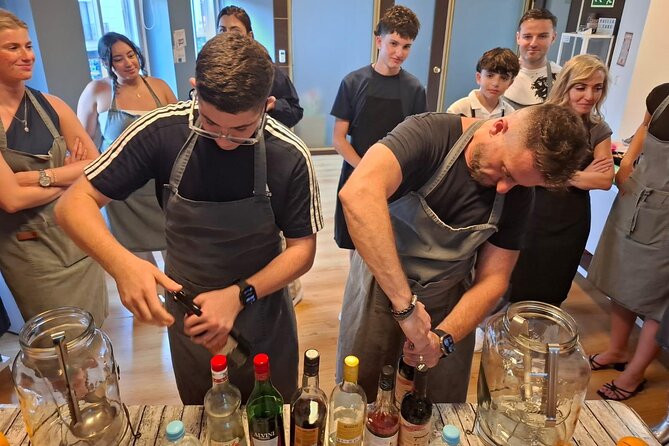
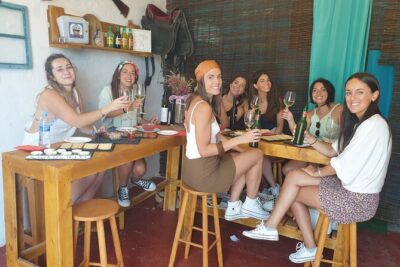
With a maximum of 15 travelers, you’ll likely feel like you’re part of the workshop instead of watching it happen from the edge. That group size supports:
- faster questions,
- more personal pacing,
- and better chances to actually taste what you’re making.
In a bigger group, it’s common for the “make” part to become a rush. Here, the reviews point toward a guided pace with time to talk history, ask flavor questions, and learn cheese tasting basics.
Also, because it’s in English, you’re not stuck guessing at instruction. That matters when you’re learning how to balance flavors—because “a little more” can change everything in a drink like sangria.
Price and value: what $22.93 really covers
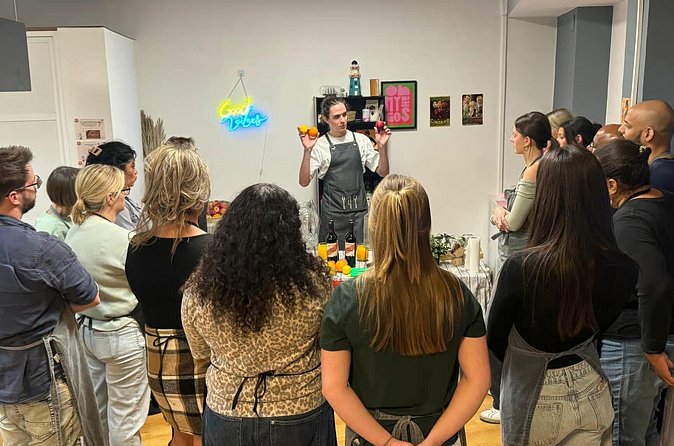
Let’s talk value without rose-colored glasses. You’re paying $22.93 for:
- a 2-hour guided workshop,
- making and tasting three sangria styles,
- learning the history and ingredients,
- and enjoying a local cheese tasting that includes Manchego plus bread and sweet bites.
That’s a lot of “included” food and drink for the price, especially in a city where stand-alone tastings can cost more. The workshop structure also makes the money go farther: you’re not only sampling; you’re learning how to recreate at least the logic of the drink.
And there’s one more value piece that’s easy to miss: a PDF with all the recipes is sent at the end. So even if you don’t recreate immediately, you’ll have the measurements and ingredient combinations saved for later.
Vegan and non-alcoholic options: how to plan if you’re avoiding alcohol
This experience states that non-alcoholic and vegan options are available. That’s a real deal-maker because sangria’s core is typically wine and fruit-forward sweetness, but the approach can be adapted.
If you’re booking with dietary needs, I’d decide in advance what you want most:
- Do you want the same flavor-learning experience, just without alcohol?
- Or do you want sangria that fits a vegan plan while keeping the workshop process intact?
Either way, you can still participate fully since the class is designed to include those options.
When you should book: early trip beats last day
One tip I’d take from the experience tone: schedule this early-ish in your Madrid trip. The guides are described as offering a lot of recommendations for food, wine, and sights. That’s great, but only if you still have time to use it.
If you book your workshop on your last evening, you might enjoy the class and tasting (you will), but you’ll lose the chance to turn those suggestions into real meals and routes while your trip is still unfolding.
Should you book this sangria and cheese workshop?
I think you should book it if you want a hands-on Madrid food moment that mixes drink-making, tasting, and pairing in a small-group format. It’s especially worth it if you like learning through doing—mixing ingredients, tasting what changes, and then using the recipe PDF later.
Skip it (or at least consider your expectations) if your idea of fun is mostly quiet sightseeing with zero kitchen tasks. This is a workshop, so you’re actively involved, not just watching.
If you want a practical, delicious way to spend about two hours at 5:00 pm in Madrid—this hits the mark.
FAQ
How long is the sangria workshop and tasting?
It lasts about 2 hours.
Is the tour offered in English?
Yes, the workshop is offered in English.
What do I make and taste during the class?
You’ll make and taste three different sangria styles, and you’ll also do a local cheese tasting that includes Manchego.
Does the experience include cheese with the sangria?
Yes. You’ll be treated to a tasting of local cheeses, including authentic Manchego, along with pairings like bread and other items mentioned as part of the tasting.
Are there non-alcoholic or vegan options?
Yes. Non-alcoholic and vegan options are available.
Is there a recipe handout after the workshop?
Yes. You’ll receive a PDF with the recipes at the end of the class.
Where does the tour start?
The meeting point is C. de la Montera, 24, tienda calle, Centro, 28013 Madrid, Spain.
What’s the group size?
The experience has a maximum of 15 travelers.