REVIEW · TENERIFE
Tacoronte: Guided Winery Tour with Wine and Cheese Tastings
Book on GetYourGuide →Operated by Bodegas Monje · Bookable on GetYourGuide
You can taste Tenerife’s volcanic wine in one stop. This family-run visit at Bodegas Monje (operating since 1750) walks you through Canary wine culture and pairs it with four thoughtful wine-and-cheese tastings. I particularly like the way the tour connects grapes and soil to flavor, and I also like the practical pacing for a 2-hour outing—short enough to fit your day, not rushed to the point you lose the thread. One possible drawback: English can be fast or limited depending on the day, so plan for weekend timing and language flow.
In This Review
- Quick hits: what makes this tour worth your time
- Bodegas Monje in El Sauzal: the setting does half the work
- The 2-hour flow: what you’ll do from start to finish
- Where Tenerife wine gets its personality: Familia Monje and volcanic grapes
- The star section: four wines paired with four local cheeses
- 1) Dragoblanco with fresh goat cheese (Tenerife)
- 2) Hollera red with smoked goat cheese (La Palma)
- 3) Monje Tradicional with semi-cured peppery goat cheese (Fuerteventura)
- 4) Listán Negro with cured goat and sheep milk cheese (Gran Canaria)
- How the guide style affects your experience (English timing and delivery)
- Views, photo time, and the part that surprises people
- Price and value: why $41 for tastings can feel like a win
- Who should book this and who might want something else
- Should you book Bodegas Monje’s wine and cheese tour?
- FAQ
- How long is the Bodegas Monje guided winery tour with wine and cheese tastings?
- Where is the meeting point?
- What’s included in the price?
- How much does it cost?
- What languages are the guides?
- Are there specific English tour times on weekends?
- Is the tour wheelchair accessible?
Quick hits: what makes this tour worth your time
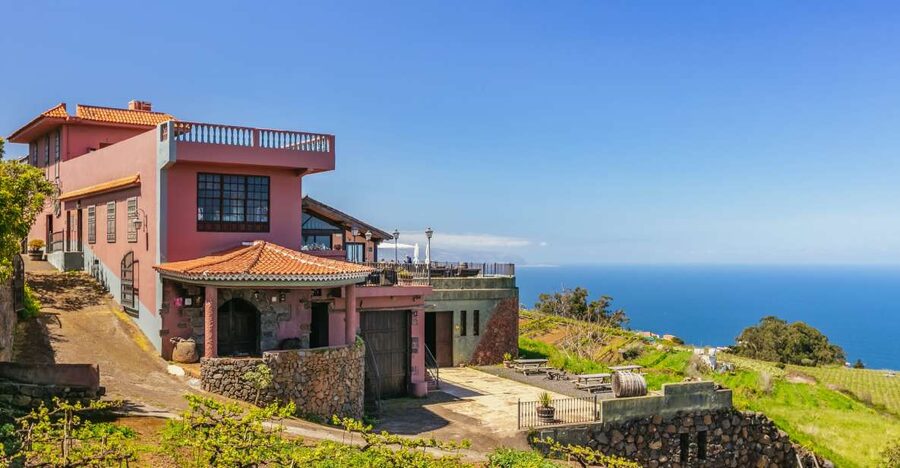
- Family winery since 1750: you’ll learn how the Familia Monje shaped vineyards over generations.
- Volcanic terroir in plain language: grape varieties and soil aren’t treated like homework.
- 4 wines + 4 artisan cheeses: each pairing has a clear reason behind it.
- Canary Island cheese variety: goat cheeses from Tenerife, La Palma, Fuerteventura, and Gran Canaria show up across the tasting.
- Stunning El Sauzal setting: views make even a rainy day feel like you’re somewhere special.
- Guides you might recognize: guides such as Natalia or Caleb are reported to bring energy and clear explanation.
Bodegas Monje in El Sauzal: the setting does half the work
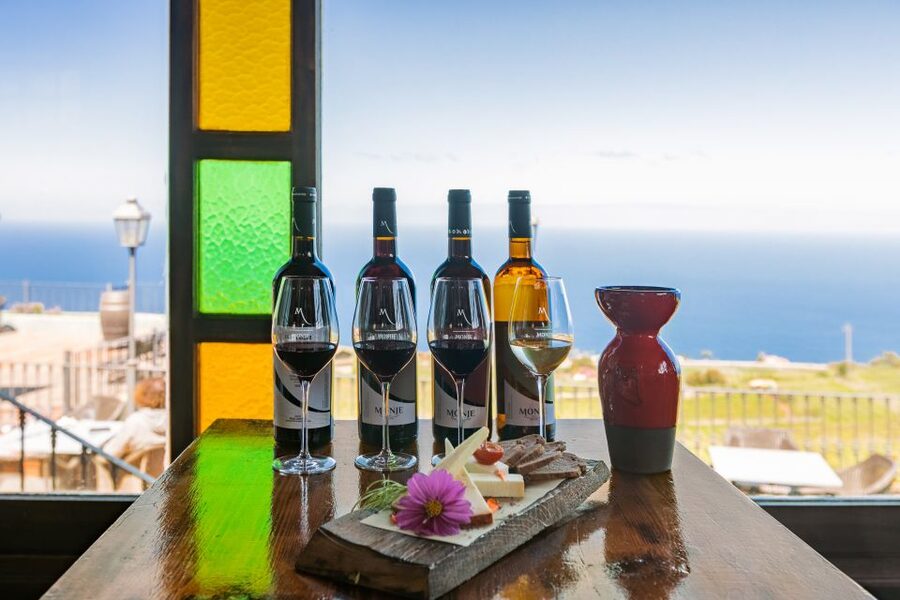
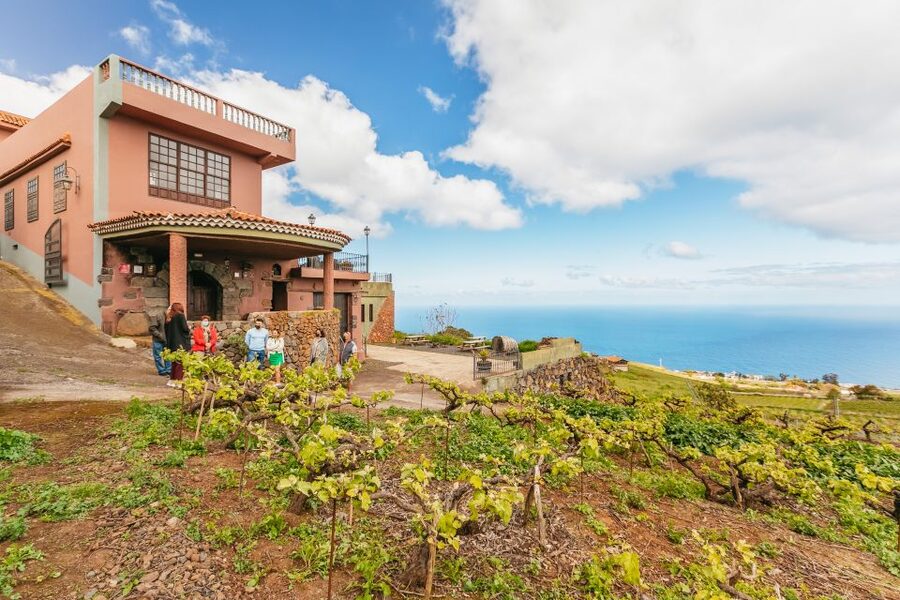
Bodegas Monje sits in El Sauzal on Tenerife, and the first thing you notice is the location. Even if your day is cloudy, the winery grounds still feel like a real destination, not just a tasting room with plastic plants.
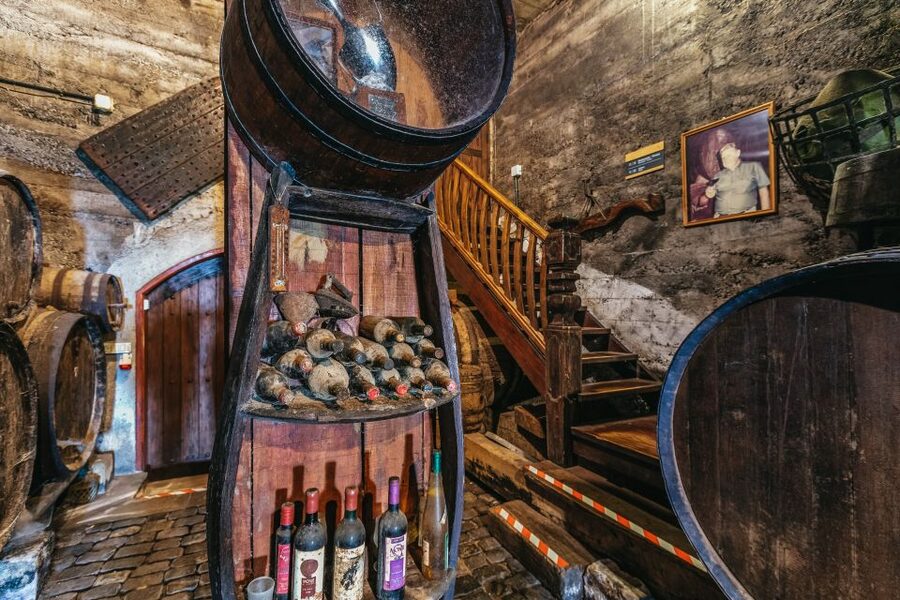
I like that this doesn’t try to be a theme park. You’re at a working family winery, and the property feels like it has history you can walk through—plus there are good spots for photos after the tour.
One practical note: if you plan to stay for lunch in the on-site restaurant, it can get busy. If food is part of your plan, I’d reserve ahead so you’re not stuck waiting while the best views fade into “maybe later.”
You can also read our reviews of more tours and experiences in Tenerife.

The 2-hour flow: what you’ll do from start to finish
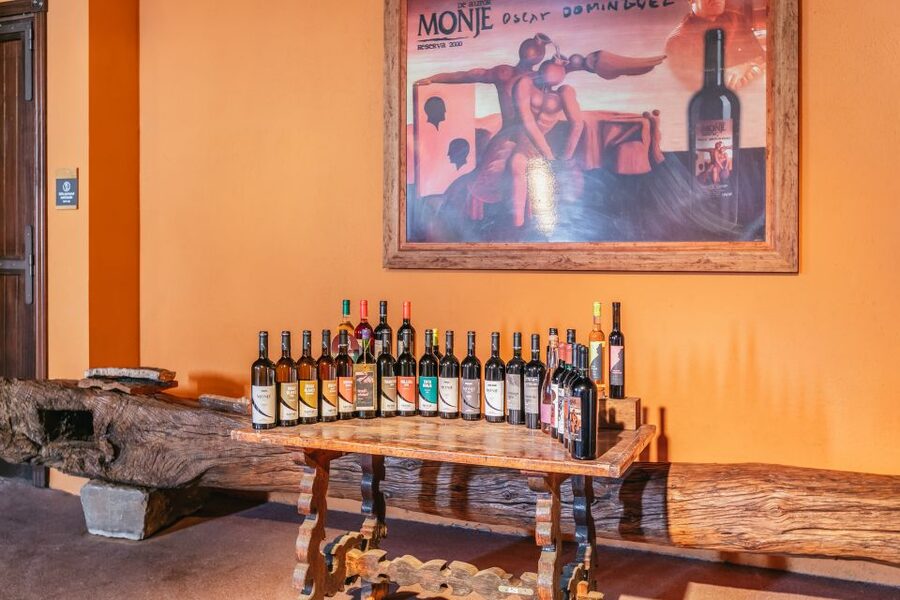
This is a tight, focused experience: about 2 hours from meet-up to the final tasting. You’ll start at Bodegas Monje in El Sauzal, and then your guide leads you through both the story of the winery and the tasting lineup.
The tour format matters because it keeps you from doing the classic vacation thing—wandering a winery for an hour and then rushing the tastings at the end. Here, the wine and cheese are the main event, and the vineyard/history pieces are meant to help you understand what you’re tasting rather than just fill time.
Also, the tour includes a live guide in Spanish and English. On some days, English is scheduled specifically, so it’s worth paying attention if you rely on English to follow every nuance.
Where Tenerife wine gets its personality: Familia Monje and volcanic grapes
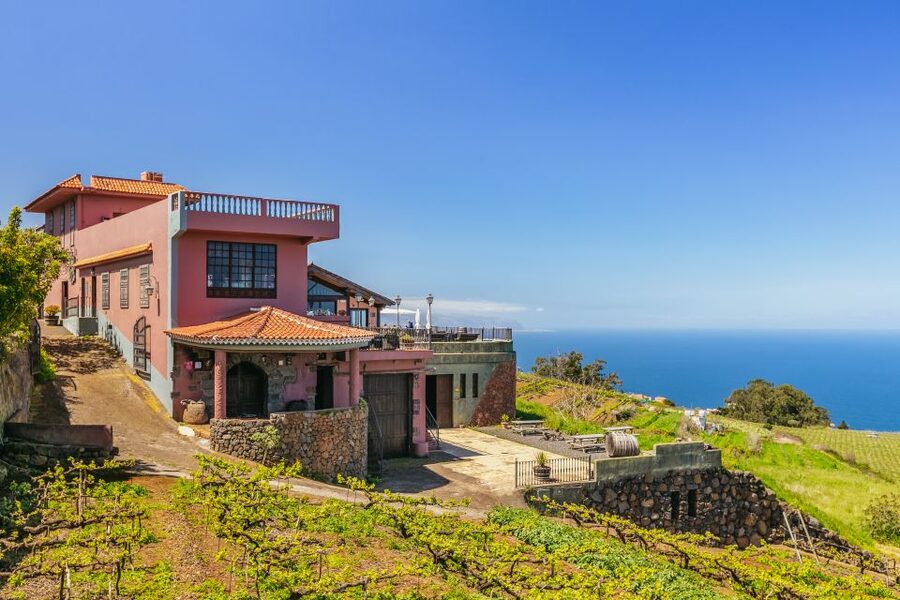
A big part of the appeal is how the tour explains what makes Canary wine distinct. You’ll hear about the Familia Monje and how the winery has operated since 1750, which gives the visit a grounded, inherited feel.
Then comes the key idea: Canary wines grow in a setting that isn’t like mainland Spain. The volcanic soil and the local grape varieties shape the style, and the guide ties that back to what you’ll notice in each glass—acidity, fruit, texture, and the way flavors linger.
This is also where the tour helps you connect dots fast. If you don’t know much about wine, you don’t need to. The point is learning enough to taste with confidence, not collecting random facts you’ll forget by the second cheese.
The star section: four wines paired with four local cheeses
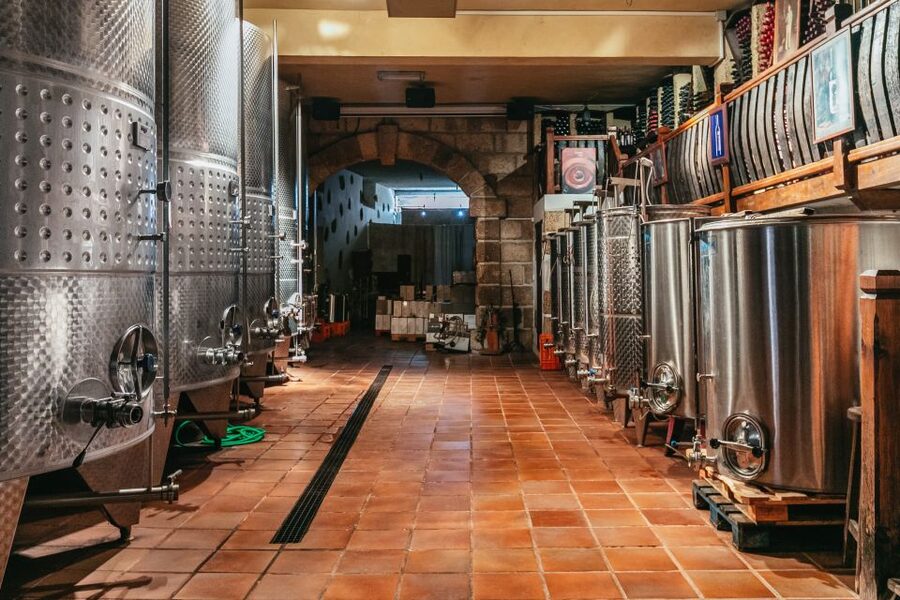
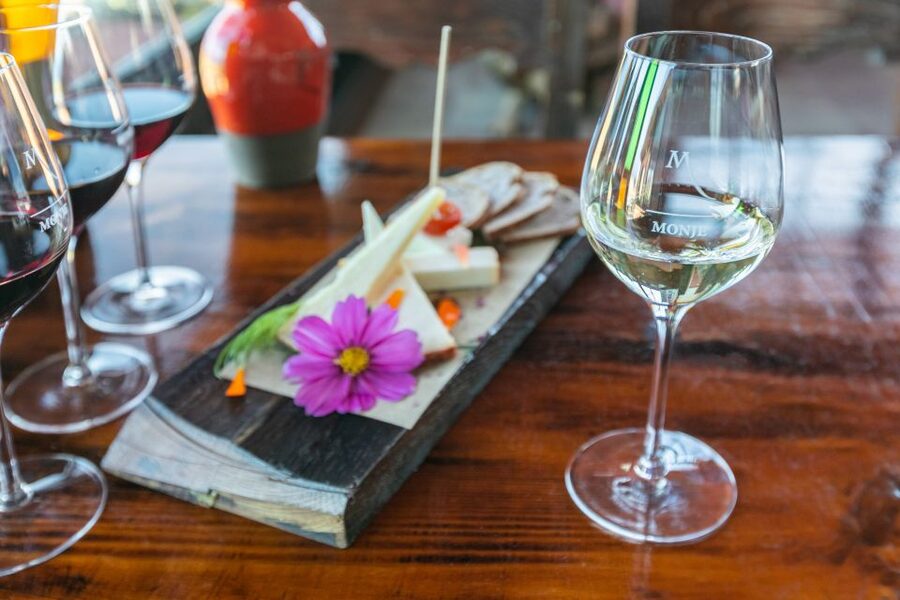
The tastings are the heart of the tour, and they’re handled in a way that feels deliberate. You’ll taste four wines and get four cheese pairings, each from the Canary Islands, with the guide explaining how the pairing works.
I like this lineup because it takes you across islands and styles, so you don’t just repeat the same flavor profile four times. It becomes less like sampling and more like tasting a mini map of the Canaries.
Here’s the exact sequence you can expect:
1) Dragoblanco with fresh goat cheese (Tenerife)
You’ll start with a young Dragoblanco, paired with fresh goat cheese from Tenerife. This opener is usually about clarity and freshness—think lighter flavors first so your palate isn’t already confused by heavier textures.
If you’re new to wine tasting, this is a smart first pour. Fresh goat cheese gives you an easy comparison point while the wine helps you understand the balance style Canary winemakers aim for.
2) Hollera red with smoked goat cheese (La Palma)
Next is a red Hollera, noted for a carbonic maceration process, paired with smoked goat cheese from La Palma. The guide walks you through why this works: the wine’s fruity, lively character meets the smoky depth.
This step is great if you like contrasts. You get sweet/fruit notes meeting smoke, and the pairing shows how fermentation style can change the way red wine behaves on your tongue.
3) Monje Tradicional with semi-cured peppery goat cheese (Fuerteventura)
After that you’ll taste a young red Monje Tradicional, paired with semi-cured peppery goat cheese from Fuerteventura. Semi-cured cheese adds body, and peppery flavors help the wine feel more structured.
This pairing tends to be a crowd favorite because it hits more “savory” territory. Even if you don’t consider yourself a wine person, the cheese often does the heavy lifting in making the tasting feel satisfying.
4) Listán Negro with cured goat and sheep milk cheese (Gran Canaria)
You finish with a red barrel-aged Listán Negro, paired with cured goat and sheep milk cheese from Gran Canaria. Barrel aging usually brings extra texture and warmth, and the cured cheese makes the finale linger.
If you enjoy the deeper end of red wine—more toast, more structure—this last pairing is where it comes together. It’s also a nice end point for buying bottles afterward, because you’ll know exactly what you liked and why.
How the guide style affects your experience (English timing and delivery)
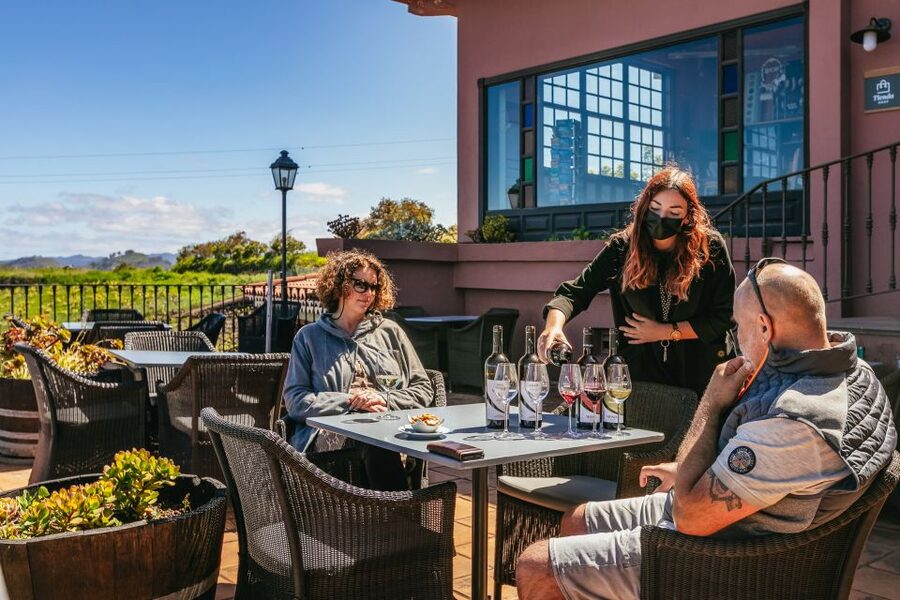
I’ll be honest: this tour’s quality depends partly on your language fit. The content is clearly strong, but several factors can change how fully you catch it.
On weekends, English tours are at 11:00 AM and 4:00 PM. If you’re booking Saturday or Sunday and you want English specifically, line your schedule up with those times.
Also, some guides speak English quickly, and some tours may feel like Spanish and English are happening in parallel. If you’re someone who wants every detail slowly and clearly, plan to arrive calm and give yourself a buffer—this isn’t the kind of tour you can do while mentally sprinting to your next bus.
On the positive side, guides such as Natalia and Caleb are reported to bring a friendly, light tone, with clear explanations that make wine feel less intimidating. Guides also tend to keep it moving without turning it into a lecture.
Views, photo time, and the part that surprises people
The winery grounds are a big part of the appeal. People mention enjoying the terraces with views of the coast, and the setting makes the tour feel more like an afternoon outing than a chore.
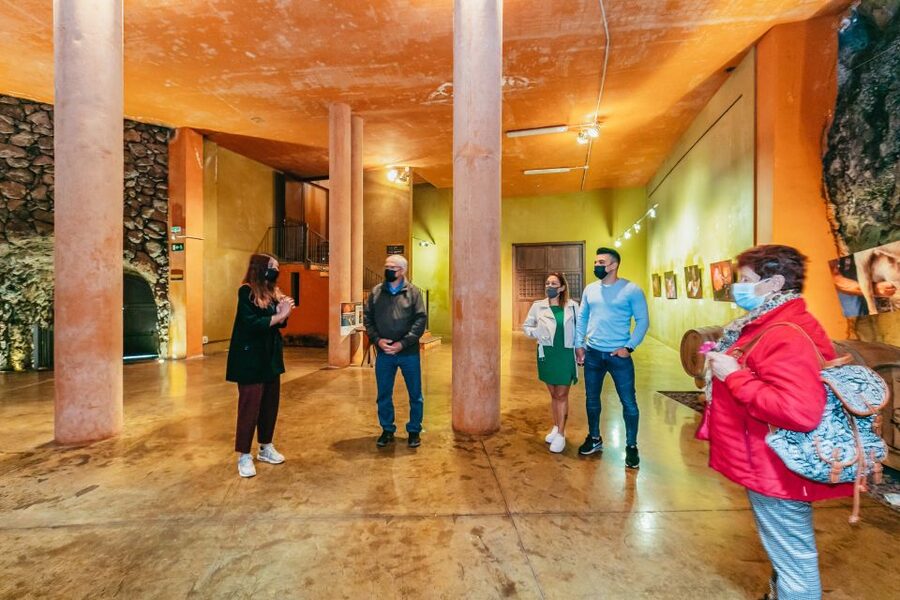
One reason this works so well: the tour isn’t physically intense. You’ll go through the winery areas and see production spaces, but it’s still manageable for people who don’t want a big walking day.
If you care about photo time, you’ll likely appreciate that there’s room to stroll the premises and take pictures after the tour. It’s a small thing, but it’s the difference between “we hurried through” and “we actually got the shot.”
If the weather turns, you can still have a good experience. One set of reports notes rain didn’t ruin the day, which is reassuring if your Tenerife plans wobble.
Price and value: why $41 for tastings can feel like a win
At $41 per person for a roughly 2-hour tour, you’re paying for three things:
1) access to a family winery with a long operating history,
2) guided storytelling tied to Canary wine style, and
3) the main course: four wine tastings and four cheese tastings.
That last part is what makes the price easier to justify. You’re not paying just for “a glass and a snack.” You’re tasting a sequence with specific pairings, which is exactly how you get value from a short experience.
One extra value angle: if you’re coming from a cruise port, local transport costs can add up fast. There’s a note that a taxi from the port was €45 and a return was arranged easily by staff. Even with that, the tour still came out cheaper than expected for some cruise guests—so it can be a smarter use of your time (and your budget) if you’re working from a tight timetable.
Who should book this and who might want something else
This tour fits best if you want a compact, high-flavor visit to Tenerife wine. It’s especially good for:
- couples and solo visitors who want a structured tasting without planning details
- people who like pairings (wine + cheese with a clear logic)
- anyone curious about how Canary wine differs from mainland Spain
It might not fit as well if you want a longer, more hands-on vineyard walk. Some reports ask for more time in the fields or more detail about each individual wine. Others felt the tour was a bit fast or slightly less memorable than they hoped.
In other words: if you want depth-heavy vineyard time, you might look for a longer tour. If you want an efficient, scenic tasting with real local cheeses, this one makes sense.
Should you book Bodegas Monje’s wine and cheese tour?
I’d book it if you’re coming to Tenerife for culture you can taste—especially if you’re excited by Canary wine and you like the idea of four islands showing up through cheese pairings. The 4-wine/4-cheese structure is the main reason to choose this tour, and it’s also why it works for people who are new to wine.
I’d think twice if you need slow, super-detailed explanations in English every minute. Check weekend English timing, and don’t assume every tour will feel equally paced for your language needs. If that’s you, choose the time that matches English scheduling and you’ll start the day with fewer uncertainties.
Finally, if you love the pairing you taste, plan to browse the winery shop afterward. Several reports mention buying wine on-site, and it’s the easiest way to bring home what you actually enjoyed, not what you guessed you’d like.
FAQ
How long is the Bodegas Monje guided winery tour with wine and cheese tastings?
The tour lasts about 2 hours.
Where is the meeting point?
The meeting point is Bodegas Monje – El Sauzal – Tenerife.
What’s included in the price?
The tour includes wine and cheese tastings.
How much does it cost?
The price is $41 per person.
What languages are the guides?
The tour is guided in Spanish and English.
Are there specific English tour times on weekends?
Yes. On Saturdays and Sundays, English tours run at 11:00 AM and 4:00 PM.
Is the tour wheelchair accessible?
Yes, the tour is wheelchair accessible.