REVIEW · PERPIGNAN
tasting workshop of 6 to 8 wines with charcuterie chocolate cheese
Book on Viator →Operated by domaine vents du sud · Bookable on Viator
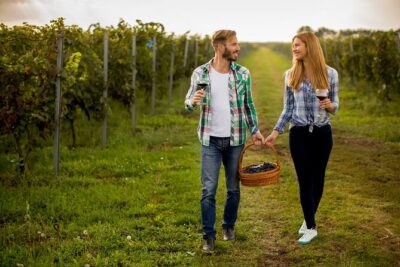
Six wines can teach you more than a book. At Domaine Vent du Sud in the eastern Pyrenees, Jean-Claude leads an English-taught tasting of 6–8 natural white, rosé, red, and sweet wines, paired with cold meats, cheese, and chocolate. I love the winemaker commentary that explains what you’re tasting and why, and I love that the food pairing is part of the lesson, not an afterthought. One possible drawback: it’s only about 90 minutes, so if you’re craving a long, slow cellar experience, you may want to plan dinner nearby.
You meet at 6 Rue du Stade in Vingrau, and the experience ends back there. It’s a private setup, so your group stays together, and the whole vibe stays relaxed rather than formal. Based on what people consistently celebrate, this is the kind of tasting where you ask questions and the host actually responds with real details.
In This Review
- Quick hits you’ll care about
- What you taste: natural white, rosé, red, and sweet
- The charcuterie, cheese, and chocolate pairing that makes it stick
- Jean-Claude’s commentary: how it stays informative without getting stuffy
- Where it happens: Vingrau meeting point and the eastern Pyrenees feel
- Price and value: $24.03 for 90 minutes that includes food
- Who this is best for (and the one thing to think about)
- Should you book this Perpignan-area wine workshop?
- FAQ
- How many wines are included?
- What types of wines will I taste?
- Is food included?
- Who leads the tasting?
- Where does the experience start and end?
- How long does the experience last?
- Is this a private tour?
- Is it offered in English?
- What’s the cancellation window for a full refund?
Quick hits you’ll care about
- 6–8 natural wines: whites, rosés, reds, plus natural sweet options.
- Pairing is the point: cold meats, cheese, and chocolate cheeses are served alongside each round.
- English-friendly: the tasting is offered in English, with a host who’s comfortable explaining.
- Family-run feel: a small, organic-focused vineyard atmosphere comes through in the experience.
- Private for your group: no mixing with strangers on the tasting table.
What you taste: natural white, rosé, red, and sweet
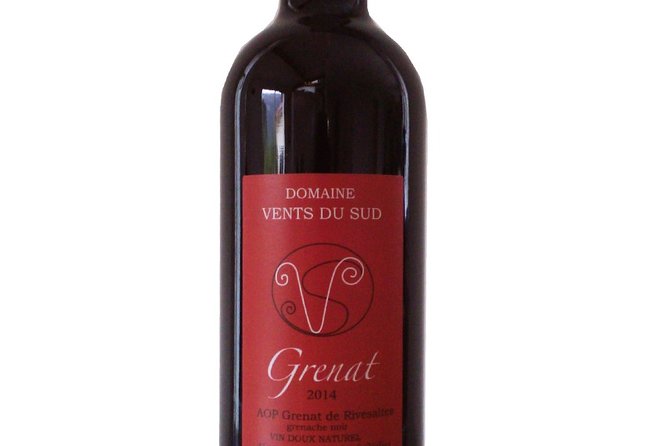
This is not a basic sip-and-spit tasting where everything tastes the same in your glass. You’ll taste 6 to 8 natural wines that walk across styles, which is how you start to understand how grape variety, winemaking choices, and acidity change the experience.
The lineup includes natural white, rosé, and red wines, plus natural sweet wines. That mix matters. Whites (especially in southern France) often bring a crisp, clean frame for food. Rosé can act like a bridge between styles—light enough to keep things fresh, but with enough texture to handle cured meats. Reds usually shift the whole table toward deeper flavors, where cheese and charcuterie start showing off their salt and fat. Then comes the sweet wine, which is where people often realize how pairing can make something taste more balanced instead of simply sweet.
A subtle perk here is that the tasting is “commented by the winemaker.” Even without getting lost in technical terms, it keeps you from guessing. You’re tasting with context: what the winemaker thinks you should notice first, and what kind of food pairing will make those flavors pop.
If you’re new to natural wine, this can still work well. You don’t need a background in fermentation or winemaking philosophy. What helps is that the tasting is structured by what’s in front of you: each wine, then the food pairing that explains the logic.
The charcuterie, cheese, and chocolate pairing that makes it stick
Wine is fun. Wine plus food is how it becomes memorable.
You’ll be eating cold meats and cheeses alongside the tasting. And yes, chocolate enters the picture too, including what the experience calls chocolate cheeses. That combination can sound like a gimmick until you experience the contrast: salt and fat from cured meats, creaminess and tang from cheese, and then chocolate’s sweetness and cocoa notes.
Here’s the practical reason this pairing approach is smart. Cured meats and cheese don’t just taste salty or fatty—they also “set the stage” for how you perceive wine aromas and structure. A wine that feels thin on its own can taste fuller with cheese. A wine that seems too sharp by itself can suddenly feel smoother once fat and salt hit your palate.
Chocolate (and chocolate-like flavors from cheese) adds a different job. It can soften perceived acidity and round out flavors, which is useful especially when you reach the natural sweet wines. If you’ve ever had dessert wine that felt cloying, this style of pairing can help you understand how to make sweetness feel intentional.
One more good sign: the experience has proven flexible with different dietary needs. There’s at least one report of the host being attentive with vegan and celiac requirements. I wouldn’t assume they can do every special diet for every group, but it’s a real indicator that you can ask about your needs ahead of time rather than feeling shut out.
Jean-Claude’s commentary: how it stays informative without getting stuffy
The biggest “how did they do that?” part of this workshop is the way the winemaker runs the tasting. Jean-Claude is repeatedly described as warm, fun, and fluent in English, which changes the whole experience for non-French speakers.
Why that matters: the comments aren’t just about labels. Guests highlight learning about grapes in the region and getting clear food pairing explanations. When the host explains a wine’s character in simple language, you learn faster. You also start tasting with your brain turned on, not just your taste buds.
It’s also clear this isn’t a lecture. People mention humour and anecdotes, and the pace feels easy-going. That combo is rare: you get serious information without feeling trapped in a classroom. For you, that means you can ask questions and expect direct answers, not a polite brush-off.
If you like to understand what you’re buying (not just what you’re sipping), this is a strong format. You’ll leave with more than a list of names—you’ll have a mental “map” for how styles behave. That’s useful when you’re shopping later in Perpignan or anywhere else in the region.
Where it happens: Vingrau meeting point and the eastern Pyrenees feel
The meeting point is straightforward: 6 Rue du Stade, 66600 Vingrau, France. The experience starts there and ends back at the same spot, so you’re not stuck figuring out your return.
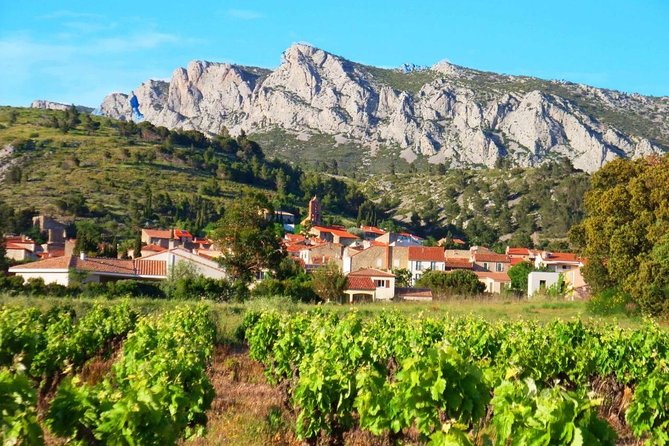
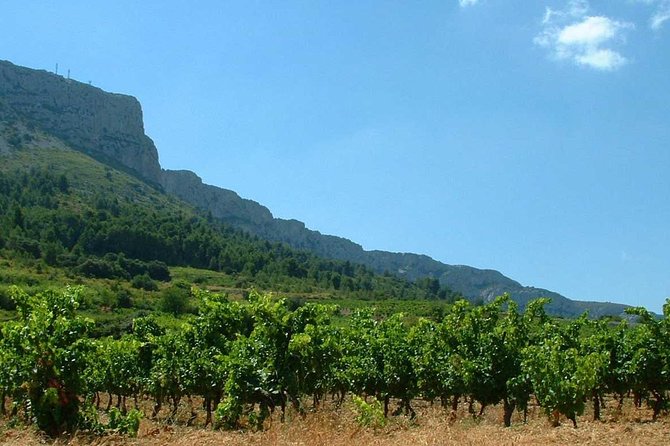
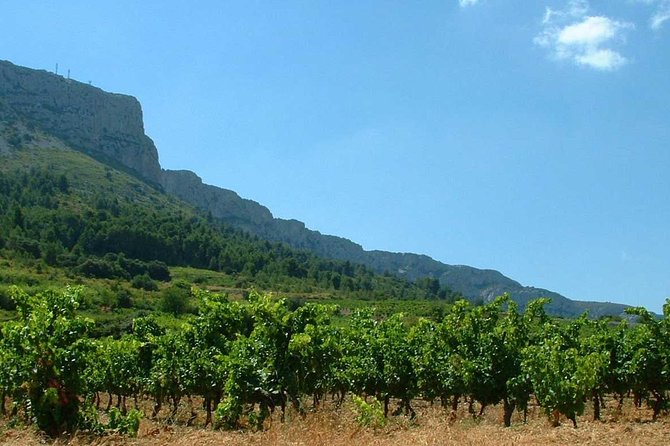
Even though the workshop is tied to Perpignan, the setting feels like a proper regional stop rather than a city tasting room. People describe a drive into the mountains to reach Domaine Vent du Sud, which is exactly the kind of “get out of town” detail that makes a short experience feel like a real outing.
You also get practical travel perks. The location is near public transportation, and free parking is available. That helps a lot if you’re basing yourself around Perpignan and want a day activity that doesn’t turn into a logistics puzzle.
Time-wise, plan for about 1 hour 30 minutes total. That’s long enough to taste a full set and eat through pairings, but short enough to still keep your day flexible. In other words: you can do this and still have time for a stroll in Perpignan afterward.
Price and value: $24.03 for 90 minutes that includes food
At $24.03 per person, this is priced like a “doable treat” rather than a splurge. And the value comes from what’s included in that time.
You’re not just tasting wine. You’re tasting 6–8 wines with commented guidance, and you’re eating cold meats and cheeses, plus chocolate elements. That’s the big difference between cheap tastings and this one. When food is part of the structure, it costs you less to “make the day work.” You’re effectively buying a planned meal experience, just in guided tasting form.
Is it expensive compared to a supermarket pour? Sure. But it’s also not trying to be. It’s designed to teach you, not just fill your glass. And because it’s private for your group, it avoids the awkwardness that can happen when a tasting table is overcrowded.
Here’s who tends to get the most value: people who like pairing food with what they drink, and people who want a quick but real education without spending half a day. If you’re already a wine nerd and you want deep cellar access, you might still want extra activities. But for most travelers, the combination of natural wine variety, food pairing, and winemaker commentary lands in the sweet spot.
Who this is best for (and the one thing to think about)
This workshop fits best if you want an easy, friendly way to understand regional wines.
It’s especially good for:
- First-timers who want guidance in English and clear tasting explanations
- Food lovers who enjoy the idea of wine pairing
- People who appreciate natural/organic styles and want to compare them across whites, rosés, reds, and sweet wines
- Groups who prefer a private feel instead of a crowded public tasting
One consideration: it’s compact. You’re tasting a set of wines and eating a planned pairing menu within about 1 hour 30 minutes. That’s perfect for many people, but it’s not the right format if you’re expecting a longer vineyard walk, extended cellar time, or a multi-course sit-down dinner.
If dietary restrictions matter to you, you should plan to communicate them. There’s evidence the host is attentive with vegan and celiac needs, which is encouraging. Still, with special diets, your best move is to ask specific questions before you go so the pairing matches your requirements.
Should you book this Perpignan-area wine workshop?
If you want a short, fun, and genuinely educational wine stop near Perpignan, I’d book this. The winemaker-led format (Jean-Claude), the natural wine variety (white, rosé, red, and sweet), and the fact that you’re eating cold meats, cheese, and chocolate pairings make it feel like more than a simple tasting.
The main reason not to book is simple: if you want a long vineyard day, or you’re chasing a big “tour bus” production, this is more intimate and focused on tasting and pairing.
For most travelers, it’s a smart use of time: you get a real regional experience, you leave with better tasting instincts, and you get fed while you learn.
FAQ
How many wines are included?
You’ll taste 6 to 8 wines during the workshop.
What types of wines will I taste?
The tasting includes natural white, natural rosé, natural red, and natural sweet wines.
Is food included?
Yes. The tasting comes with cold meats and chocolate cheeses (along with cheese pairings as part of the tasting experience).
Who leads the tasting?
The tasting is commented by the winemaker.
Where does the experience start and end?
It starts at 6 Rue du Stade, 66600 Vingrau, France and ends back at the same meeting point.
How long does the experience last?
It lasts about 1 hour 30 minutes.
Is this a private tour?
Yes. It’s private, meaning only your group participates.
Is it offered in English?
Yes, the workshop is offered in English.
What’s the cancellation window for a full refund?
You can cancel for a full refund up to 24 hours before the experience’s start time.