REVIEW · TORREVIEJA
Torrevieja: Wine and Cheese Tasting at Torre del Moro
Book on GetYourGuide →Operated by Tours Costa Blanca · Bookable on GetYourGuide
One sentence can taste like a whole place. At Torre del Moro in Torrevieja, this wine and cheese tasting turns simple samples into a guided lesson on local products, including a wine linked to La Mata Natural Park. I especially like that you get both cheese variety and a guided narrative, so you’re not just eating and moving on.
You’ll probably enjoy the history side too. The guide explains the background of the place you meet and the story behind each product, which makes the session feel more like Spanish culture than a generic food plate. The only real drawback to consider: group seating can be a bit awkward if you’re traveling solo and want easy conversation with strangers.
In This Review
- Key things to know before you go
- Torre del Moro: the views and the “why here” factor
- What you actually taste in 90 minutes (six cheeses, two wines)
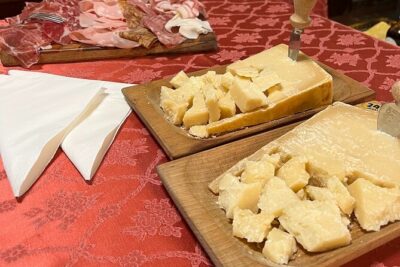
- Six homemade Spanish artisan cheeses
- Two types of wine
- Bread and table extras you might get
- How the guide turns bites into Spanish culture
- The flow of the experience: what happens when
- Group size, pacing, and the solo-traveler reality
- How good is the value at $45 per person?
- What kind of traveler should book this?
- Practical tips so you enjoy it more
- Price, logistics, and the parts that matter
- Should you book the Torre del Moro wine and cheese tasting?
Key things to know before you go
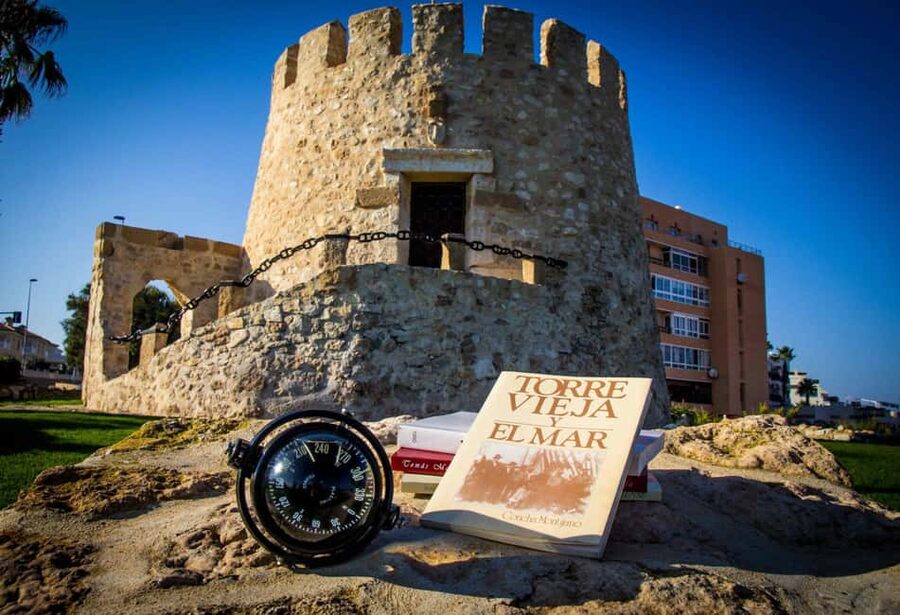
- Torre del Moro setting: The tasting is tied to an emblematic Torrevieja meeting spot, not a random room.
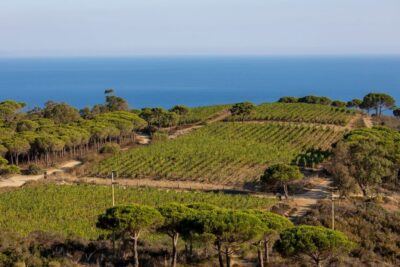
- La Mata Natural Park wine: One of the wines connects to the local natural area around La Mata.
- Six homemade Spanish artisan cheeses: You’ll sample a broad range, not just one or two.
- Two types of wine: Expect a short but guided wine component alongside the cheese.
- Story-led guidance: You’ll learn the history of each cheese and the place where you gather.
- Potential extras on your table: In at least one detailed session, bread, two olive oils, Torrevieja salt, fruit skewers, and bottled water were also included.
Torre del Moro: the views and the “why here” factor
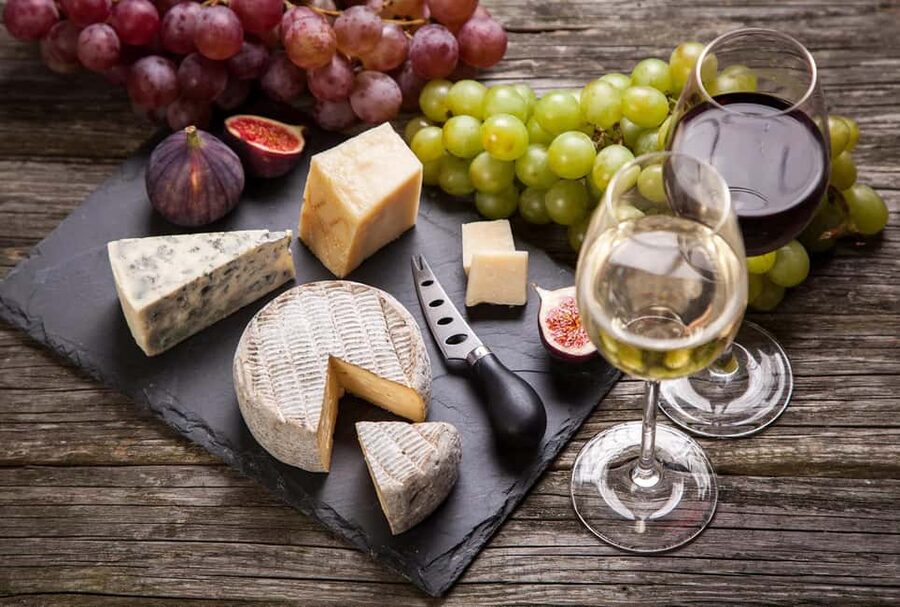
Torrevieja is a town where you can go into food mode fast—this tasting leans into that. You meet at Torre del Moro, described as an emblematic place in town, and the guide adds context so you understand why this stop matters before the first bite.
And yes, you get wonderful views during the tasting. That matters more than it sounds. Food tastings in plain indoor spaces can feel like a classroom you don’t ask for. Here, the setting helps you slow down, look around, and treat the session as part of your Torrevieja evening.
What you actually taste in 90 minutes (six cheeses, two wines)
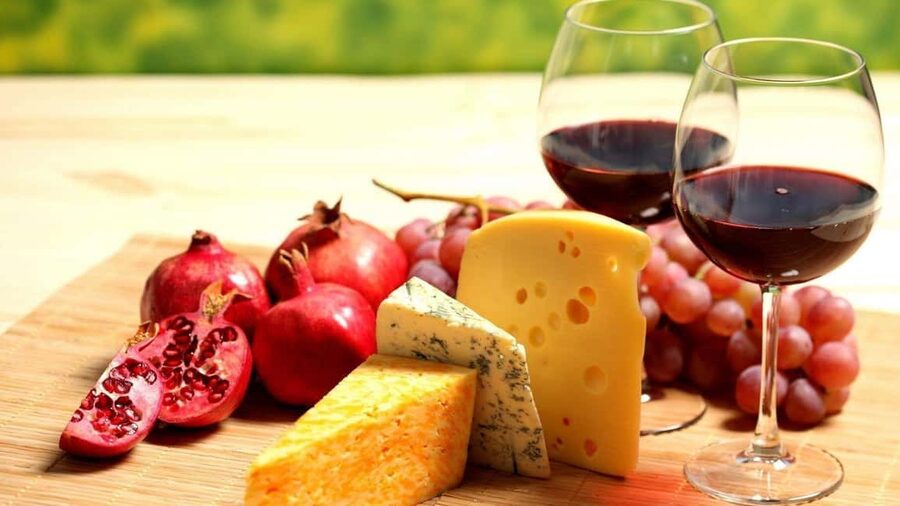
This is built around a clear structure: learn about local products, then taste them while someone explains what you’re seeing and tasting.
Six homemade Spanish artisan cheeses
You’ll taste six homemade Spanish artisan cheeses. That’s a big enough number to compare textures, salt levels, and intensity. It also gives you a chance to find favorites you can realistically buy afterward—because you’re not guessing what you liked from a one-cheese sample.
One helpful detail from a well-described session: the hosts handled lactose intolerance by including cheeses made with sheep’s milk (at least three of them). That’s not something every tasting lists up front, so if you have dietary needs, it’s worth saying something when you book.
Two types of wine
You’ll also try two types of wine. In other words, it’s not a full-on winery style wine seminar. It’s a wine-and-cheese pairing lesson where the wine supports the cheese tasting, not the other way around.
One thing to calibrate: some people will find the wine portion more straightforward, while the cheese portion can feel more varied. That’s normal for short sessions like this—cheese needs time to compare.
Bread and table extras you might get
The basic included items are artisanal cheeses and wine. But in a more detailed account, the table also had bread, two types of olive oil, Torrevieja salt, fruit skewers, and bottled water.
I can’t promise those extras for every group from the info you provided, but it’s a strong sign that your hosts understand how to round out a tasting table, not just hand you a bare-bones sample.
How the guide turns bites into Spanish culture
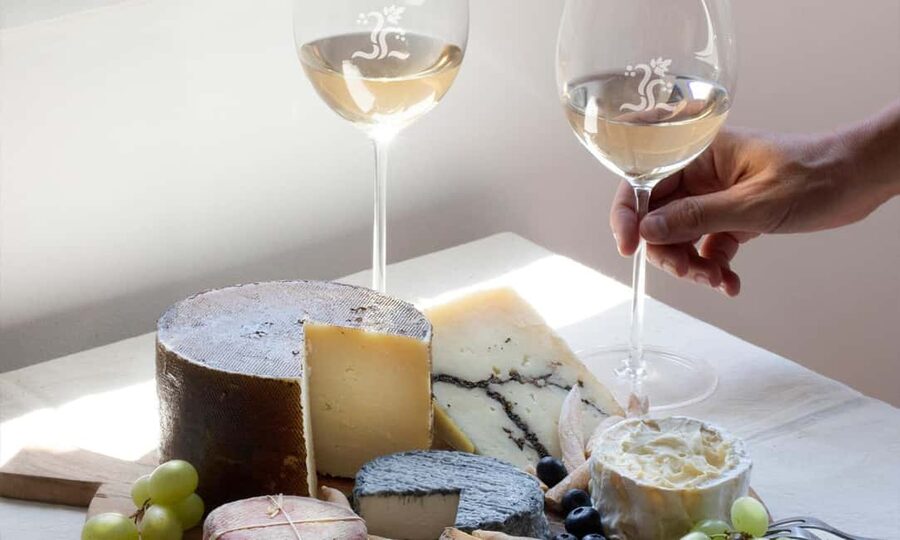
This tasting isn’t just about what you eat. It’s about why those foods matter.
The guide explains the story behind each cheese and the background of where you meet. That storytelling changes your tasting experience. Instead of thinking, This tastes salty, you start noticing patterns: how a cheese’s character links to production style, and how local places shape what ends up on tables.
I also like that the guide is live and that languages are covered. You get a Spanish and English live tour guide, which means you can ask questions without turning your tasting into silent lip-reading.
The flow of the experience: what happens when
The total time is 1.5 hours—short enough that you won’t dread the schedule, long enough that you won’t feel rushed the whole time.
Here’s how it generally feels in practice:
- You gather first at Torre del Moro, with a bit of orientation and place history.
- You begin tasting cheeses while the guide talks through what makes each one distinct.
- The wine comes in as a companion to the cheese, letting you reset your palate and compare.
- During the end stretch, you have time to purchase products if you want.
One practical note: the end-of-session buying moment can be fast. In one account, a staff check felt a bit odd while someone was paying and talking with multiple employees. Most tastings handle payments normally, but if you’re sensitive to being singled out, keep an eye on pacing and don’t feel pressured to chat while you pay.
Group size, pacing, and the solo-traveler reality
Food tours are “social,” but they don’t always solve social logistics.
In one well-reviewed session, the group was small because some people didn’t show up, and that made the experience feel more personal. Small groups usually mean better attention and more chances to ask questions.
But another review flagged a drawback for solo travelers: if you’re seated with couples, conversation can become lopsided. If you prefer meeting people, you may want to ask the guide in advance (or just at the start) where you’ll sit and how the tables are arranged.
The upside: even when the seating isn’t perfect, the structure still carries you. You’re focused on tasting and learning, not forced to “perform” small talk.
How good is the value at $45 per person?
Let’s talk money honestly. $45 per person for 1.5 hours is not a budget snack. You’re paying for three things:
- Quantity and range: six cheeses plus two wines is a real tasting menu.
- Guided context: the guide shares history and product background, so it’s not self-guided shopping.
- Local buying opportunity: you can purchase the products afterward, and at least one account says the items were priced sensibly.
Here’s my practical value take: this is worth it if you want a guided introduction to Spanish flavors and you’ll actually buy at least one thing you try. If you’re the kind of person who only wants to taste a little and move on, you might feel it’s pricey for a quick bite.
But if you like learning as you eat—and you want something more “Torrevieja” than a generic bar tasting—you’re in the right price zone.
What kind of traveler should book this?
This tasting makes sense for:
- Couples who want an easy, structured activity without a long plan.
- Food-curious travelers who like guided explanations with a strong cheese focus.
- Anyone who wants a taste of local products tied to the region (including the La Mata Natural Park wine theme).
It’s not for kids. The experience is not suitable for people under 17, so plan it as an adult outing.
If you’re lactose intolerant, don’t assume you’re out of luck. One detailed session included sheep’s milk cheeses for lactose needs, and that suggests the hosts can adapt within reason. Still, confirm directly when you book.
Practical tips so you enjoy it more
A tasting goes smoother when you do tiny things right.
- Go hungry, not starving. You’ll be sitting and sampling; too little appetite makes it feel bland, too much makes the wine tougher.
- Ask about dietary needs early. If you have lactose intolerance or other restrictions, say so when you reserve.
- Watch your pace at the end. If you want to buy, be ready that the checkout moment can feel like a quick handoff.
- If you’re solo and social, ask about seating. You want to avoid being stuck at a table where everyone’s already in couple mode.
- Bring one simple question. Something like what makes the local wine different, or how they select the cheeses. It helps the guide tailor the conversation to your interests.
Price, logistics, and the parts that matter
This activity runs 1.5 hours, and it’s offered in Spanish and English with a live tour guide. It’s wheelchair accessible, which is a big plus for travelers who usually have to filter for accessibility first.
One more real-world thing: if you’re traveling at a busy time, start times can vary, so check availability for the specific schedule that fits your day in Torrevieja.
Should you book the Torre del Moro wine and cheese tasting?
I’d book this if you want a compact evening plan where:
- you get six cheeses worth of comparison,
- you’re interested in the stories behind local products (not just the tasting),
- and you’d like the chance to buy items you actually tried.
Skip it if you mainly want a relaxed, unguided hangout where conversation happens naturally with strangers. The content is great, but seating dynamics can swing—and one solo traveler found the setup awkward enough to sour the mood.
If you fall somewhere in the middle—curious about Spanish food, open to guided learning, and happy to take it as an activity rather than a social mixer—this is a solid value at $45 for 90 minutes.