REVIEW · GRAN CANARIA
Aguïmes : Cheese Making Workshop at la Jaira de Ana
Book on GetYourGuide →Operated by La Jaira de Ana · Bookable on GetYourGuide
Goat cheese starts with your hands, not a menu. At La Jaira de Ana in Aguïmes, I like the hands-on workshop that teaches you the full process, and I like the goat-to-cheese focus that starts with care and milk collection. One thing to consider: the experience runs in Spanish and English, and the English can depend on how your group is set up.
You’ll spend about 3 hours learning by doing: coagulation, molding, and shaping the cheese you’ll take home. The farm setting is part of the charm, and you also get a guided dairy visit built into the experience. The only likely wrinkle is communication—if Spanish is your weak spot, plan to lean on your phone translation and ask questions early.
If you want a fun, practical food activity that feels authentic (not a quick demo), this one checks the box. You’ll leave with a tangible souvenir: the cheese you made, plus instructions for how to enjoy it.
In This Review
- Key highlights you’ll feel from start to finish
- Price and logistics for the La Jaira de Ana workshop
- Meeting La Jaira de Ana: how the experience starts
- The farm-to-workshop flow: goats, milk, and why it matters
- Hands-on cheese steps: coagulation and molding made practical
- What you take home (and what you should pack)
- The optional tasting: how to get more flavor without paying twice
- Value check: is $30 really fair for 3 hours?
- Who this workshop is best for
- Should you book Aguïmes goat cheese at La Jaira de Ana?
- FAQ
- How long is the cheese making workshop at La Jaira de Ana?
- What does the $30 per person price include?
- Do I get to taste the cheese?
- Where does the workshop take place?
- What language is the workshop offered in?
- What should I bring?
Key highlights you’ll feel from start to finish
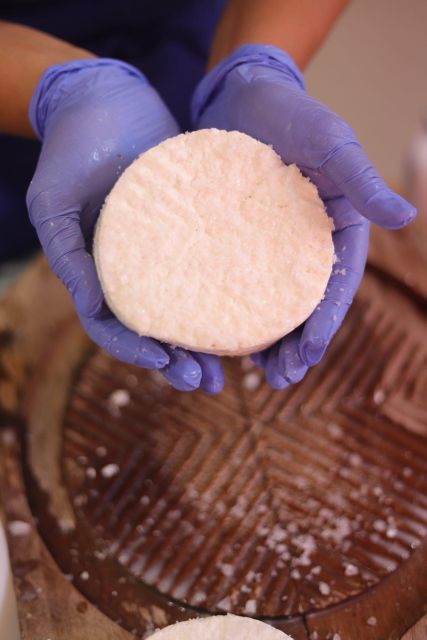
- Hands-on goat cheese making with step-by-step guidance from the start of the process
- Farm/dairy visit included, so you learn where the milk comes from and how it’s handled
- Real protective hygiene setup (hairnets and gloves are used in the workshop)
- Take-home cheese you made yourself, with the option to bring a cooler
- Optional tasting available for extra cost, so you can compare what you made with the farm’s cheeses
Price and logistics for the La Jaira de Ana workshop
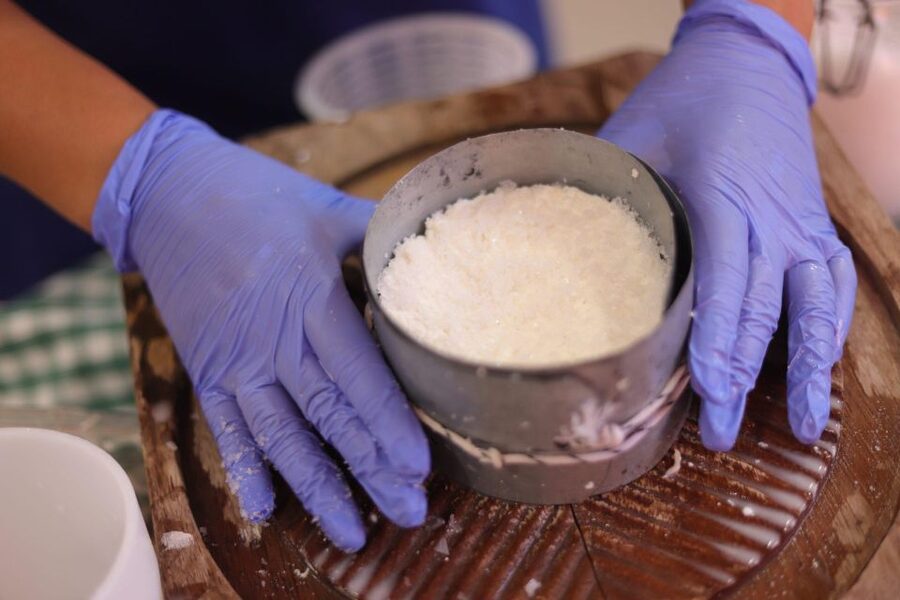
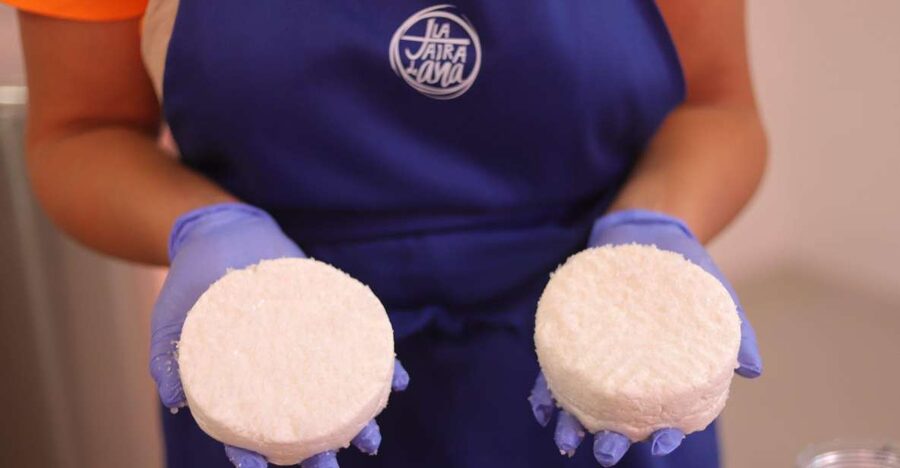
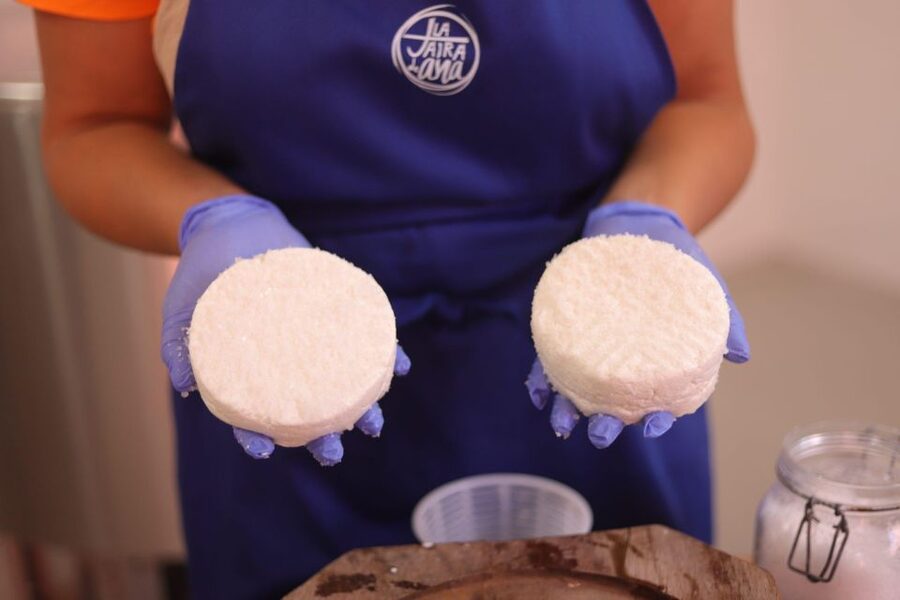
This workshop costs $30 per person for about 3 hours, and it’s set up as a full experience, not a quick photo stop. You get the cheese workshop itself, a guided visit, and the cheese you make. That last part matters: many food experiences teach you things, but you don’t get to leave with the result. Here, you take your cheese home, and you’re given instructions on how to enjoy it.
One practical detail: the workshop may happen on the farm or in another space, depending on how they’re running the day. Either way, the structure stays the same—welcome, goat and milk background, then hands-on cheese steps.
Also, check starting times before you book. It’s scheduled for 3 hours, but the start time can vary. If you’re building a day around it, plan buffer time before and after.
You can also read our reviews of more tours and experiences in Gran Canaria.
Meeting La Jaira de Ana: how the experience starts
When you arrive, you redeem your voucher with the La Jaira de Ana staff. That’s it—no long mystery meeting points, just show up and get pointed to where the group gathers.
This matters because the workshop moves in real time with the food process. Cheese making isn’t something you can pause. So you’ll be best off arriving a few minutes early, getting your bearings fast, and being ready to start when they call you in.
Bring comfortable shoes. You’ll likely be moving around during the goat and dairy visit and then transitioning into the workshop area. And yes, bring your passport or ID card, since it’s explicitly listed as needed.
The farm-to-workshop flow: goats, milk, and why it matters
The experience begins with a welcome and an overview of cheese making, from getting the milk through to the transformation steps. Then you shift into what you can actually see: goat care and the collection of the fresh milk you’ll use for your cheesemaking adventure.
I like this order because it gives you context. Cheese making isn’t just chemistry; it starts with how animals are cared for and how milk is collected. When you understand those first steps, the later techniques make more sense. Instead of memorizing actions, you understand why they’re done.
If you’re the type of traveler who likes your food education hands-on (instead of lecture-style), this part is a win. And if you’re traveling with someone who loves goats, you’ll probably have the best kind of morning: the kind where you can enjoy animals and then turn that into something you can taste later.
Hands-on cheese steps: coagulation and molding made practical
Then comes the workshop itself. This is where you go from watching to doing.
The process they teach includes the key stages that shape most goat cheeses:
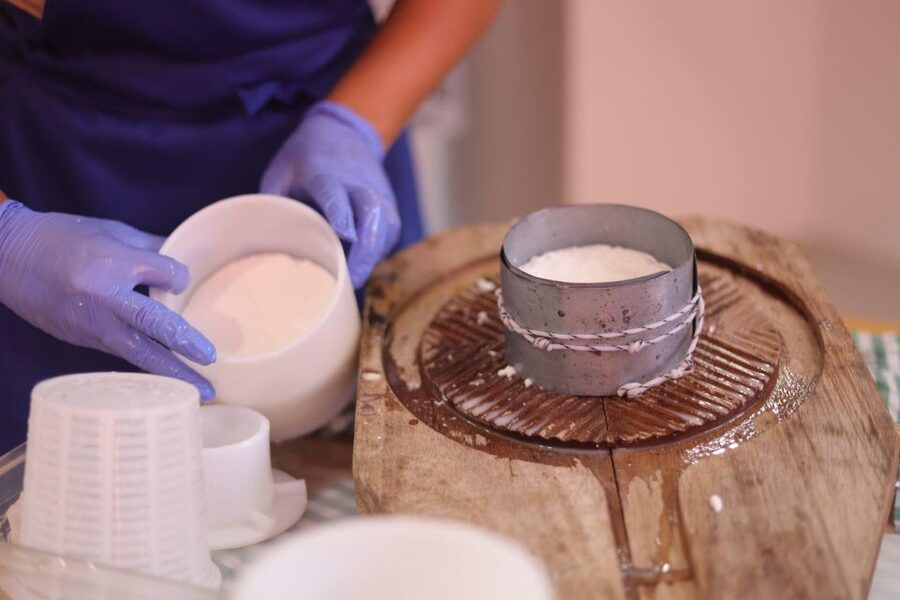
- Coagulation: the moment the milk starts turning toward curds
- Molding: shaping the cheese so it sets into its final form
You’re guided through each step, and you’re actively involved rather than standing on the sidelines. That’s one of the best values here. For $30, you’re not just paying for access to a room—you’re paying for participation in a skill.
A small detail that makes a difference: the workshop is run in a very sanitary way, with hairnets and gloves. That’s reassuring if you worry about food handling, and it also makes the experience feel serious in a good way. You’re making food, so hygiene and procedure are treated like part of the craft.
One more thing to keep in mind: communication. The workshop runs in Spanish and English. In one case, English translation via a phone didn’t feel super easy to understand. So if you don’t feel fluent in Spanish, ask your questions early and repeat instructions back in your own words to avoid misunderstandings during the hands-on steps.
What you take home (and what you should pack)
Your take-home prize is the cheese you make in the workshop. If you want to do it smoothly, you can bring a cooler to keep the cheese from going bad.
That suggestion isn’t just a nice-to-have. Goat cheese can be sensitive to temperature, and you’re leaving a farm environment with something perishable. A cooler is the easiest way to protect your investment in time and money—because you didn’t just learn the process, you made the result.
Also, keep an eye out for the instructions on how to best enjoy it. That’s part of the value too. If you’ve never stored or served goat cheese properly, those notes help you make the most of your souvenir once you’re back in your rental or hotel.
The optional tasting: how to get more flavor without paying twice
At the end, you have the option for a small cheese tasting, which highlights the flavors of the cheeses prepared with their methods. It’s extra cost, separate from the workshop price.
Even if you’re not adding the tasting, you’ll likely leave with a stronger sense of texture and flavor because you shaped the cheese yourself. But the tasting can be useful for a practical reason: it gives you a comparison point. You’ll be able to notice how slight changes in the process or type of cheese affect the final result.
If you’re the type who likes food experiences that end with a payoff, this optional stop is the kind of add-on that can make the workshop feel complete.
Value check: is $30 really fair for 3 hours?
For $30, you’re getting several things in one sitting:
- A guided cheese-making workshop (with you doing the work)
- A guided dairy/farm visit
- The cheese you make (you take it home)
In plain terms: you’re paying for the ingredients, tools, guidance, and your edible souvenir. That’s a better deal than many classes where you learn but leave empty-handed.
The time is also a real factor. 3 hours is long enough to learn the steps properly and not feel rushed. If you’ve ever taken a short food demo, you know how quickly it can blur together. Here, the duration gives it room to feel like a craft, not a show.
Main consideration: language and translation quality. If you rely on English and the translation feels unclear, you might need to slow down your pace—ask more questions, take notes on your phone, and don’t be shy about speaking up. The good news is that the work is hands-on, so you’ll still understand a lot just by watching and doing.
Who this workshop is best for
This is a strong fit if you want:
- A practical food activity you can’t get from a typical tasting room
- A chance to learn from goats up close, not just hear about them
- A take-home edible souvenir that’s directly tied to what you learned
It’s also a great choice for couples and small groups—especially if someone in your party is a fan of goat cheese or enjoys farms. The experience has that mix of relaxed farm time and focused instruction.
If you’re traveling with kids, the workshop’s hands-on format and animal element may work well, but the main limitation is the language setup. So plan for lots of visual learning and a bit of patience.
If you hate slow-paced experiences or you’re looking for a big city attraction with constant movement, this might feel calmer than you expect. But if you like food craft, it’s exactly the right tempo.
Should you book Aguïmes goat cheese at La Jaira de Ana?
Book it if you want a real, learn-by-doing experience where your result is tangible. The included farm/dairy visit, the sanitary workshop setup, and the fact that you take your own cheese home make this feel like good value.
Skip or think twice if you’re very dependent on clear English explanations and you’re worried about translation. The workshop is hands-on, but if you need detailed verbal instruction in English to feel comfortable, you may want to plan to communicate with extra effort.
If you’re choosing between another quick food stop and a skill-building class, this one is the easier pick. You’ll come away with something you can taste later, plus the satisfaction of knowing you made it from fresh goat milk to finished cheese.
FAQ
How long is the cheese making workshop at La Jaira de Ana?
It runs for about 3 hours. Starting times can vary, so you’ll want to check availability for the schedule.
What does the $30 per person price include?
The price includes the cheese workshop, a guided cheese dairy tour, and the cheese you make in the workshop that you can take home.
Do I get to taste the cheese?
You have the option of a small tasting at the end, but it is not included in the standard price. It has an additional cost.
Where does the workshop take place?
It can be on the farm or in another space. Either way, the experience includes a visit and hands-on cheesemaking.
What language is the workshop offered in?
The instructor speaks Spanish and English.
What should I bring?
Bring a passport or ID card and wear comfortable shoes. If you want to keep your cheese in good condition after the workshop, you may bring a cooler.