REVIEW · ATHENS
Athens: Acropolis Wine Tasting with Cheese and Olives
Book on GetYourGuide →Operated by ATHENS WINE TASTING · Bookable on GetYourGuide
Wine under the Acropolis hits different.
This is a small semi-private Greek wine tasting with a guide, where you learn to taste like you mean it, not just sip. You also get a virtual tour of Attica vineyards and a guided walk through ancient Greek wine culture, including the Dionysus angle.
I love the hands-on structure: you taste five distinct Greek wines (3 whites, 2 reds) and you’re taught how to judge quality step by step. I also like the food pairing setup with local cheeses, Greek olives, and homemade bread rusks, which actually helps you notice flavors instead of masking them.
One drawback to consider: it’s not a long winery day. If you mainly want relaxing drinking time with zero education, this can feel a bit more lesson than party, and at $44 you’ll want to enjoy the learning.
In This Review
- Key Points That Make This Tasting Worth Your Time
- Under the Acropolis, You Get a Real Greek Wine Lesson
- Price and Value: What $44 Buys in Real Terms
- Getting There: Tournavitou 9 and the Easy In-and-Out Plan
- What Happens in the Virtual Attica Vineyard Tour
- The Tasting Method: How You Learn to Recognize Quality Wine
- Your 5 Wines: How the Session Helps You Compare Styles
- Cheese, Olives, and Bread Rusks: The Pairing That Makes You Taste More Clearly
- Dionysus and Ancient Greek Wine Culture: Why the Myth Side Isn’t Just Fluff
- What Group Size Feels Like (and Why It Matters)
- Language and Pace: Easy for First-Timers
- Who Should Book This Acropolis Wine Tasting
- Tips to Get More Out of the Session
- Should You Book? My Take
- FAQ
- How long is the Athens Acropolis wine tasting?
- What’s included in the price?
- How many wines will I taste?
- Where do I meet for the activity?
- Do you offer private group options?
- What languages are the guides?
- Is it only for adults?
Key Points That Make This Tasting Worth Your Time
- Five wines, split into whites and reds so you can learn what style differences really feel like
- Virtual Attica vineyard tour tied to grape varieties and how ancient winemaking worked
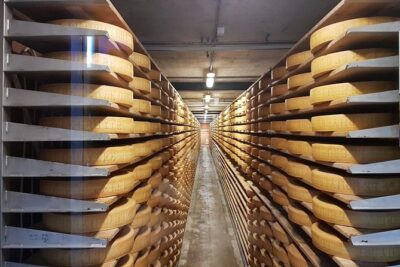
- Cheese, olives, and bread rusks designed to match the wines you’re tasting
- A guided approach to evaluating wine using scent, color, taste, and balance cues
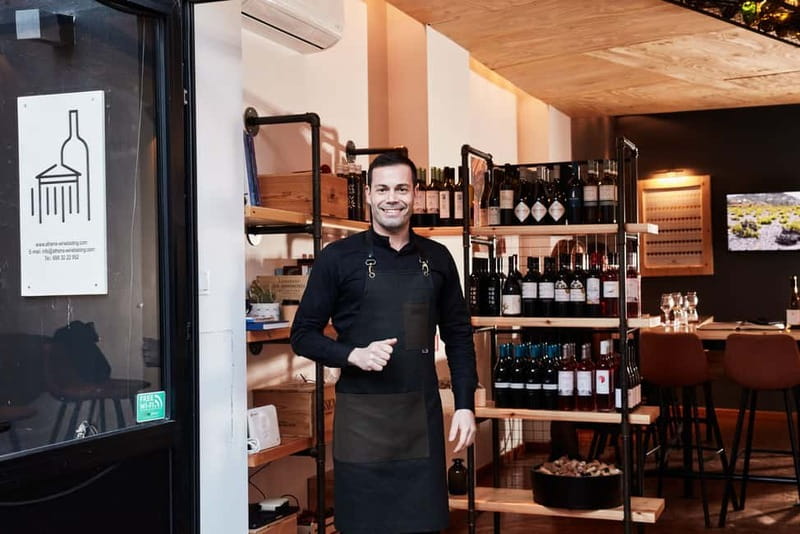
- Guides with a lively, patient teaching style, including names like Theo, Tonia, Anastasia, and Evalina
Under the Acropolis, You Get a Real Greek Wine Lesson
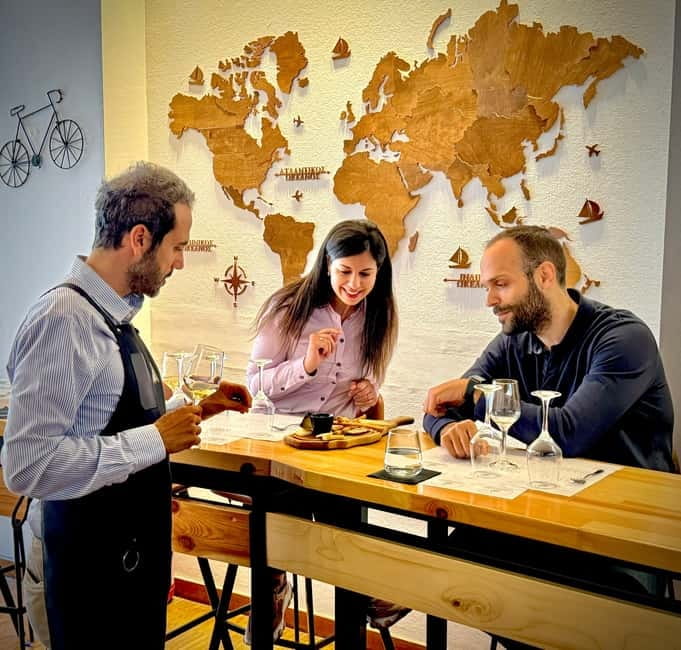
Athens has plenty of wine spots, but this one feels more purposeful. You’re right by the Acropolis area, and the setting works like a comfortable “study session” where the lesson stays friendly and social.
What makes it click is the mix: you get wine education, Greek food context, and myth stories like Dionysus, the god of wine and fertility. It turns Greek wine from a vague idea into something you can actually describe and remember.
You can also read our reviews of more tours and experiences in Athens.

Price and Value: What $44 Buys in Real Terms
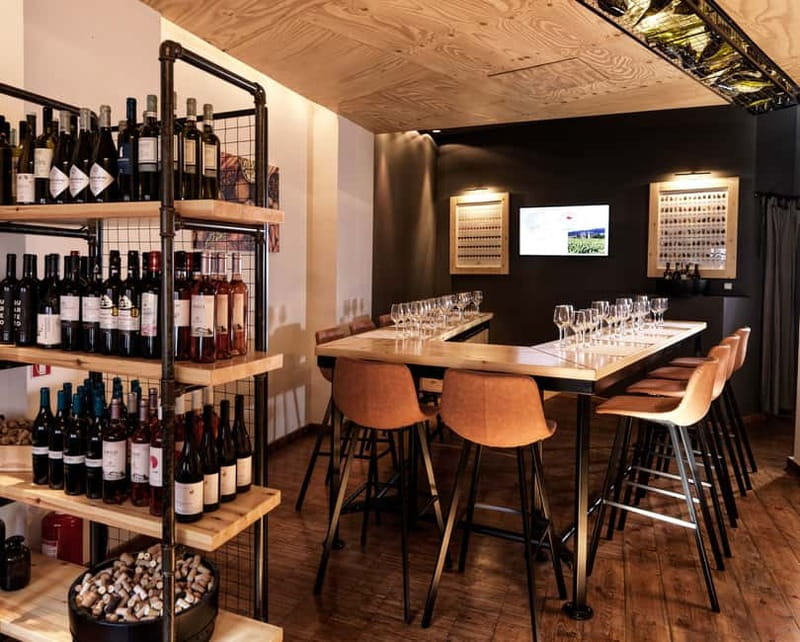
At $44 per person for about 1 to 1.5 hours, you’re paying for more than a glass. You get five wines (3 white, 2 red), plus a spread of local cheeses from across Greece, Greek olives, homemade bread rusks, and bottled water.
Here’s the value math that matters: if you enjoy wine, the pairing + tasting format is what usually costs more than the wine itself. This experience bundles the “how to taste” coaching and the food that teaches you what the wine is doing. In other words, you’re not just buying alcohol; you’re buying taste training.
Also, the session includes a cheat sheet (and a wine list) so you can take notes and later compare bottles when you see them in shops.
Getting There: Tournavitou 9 and the Easy In-and-Out Plan
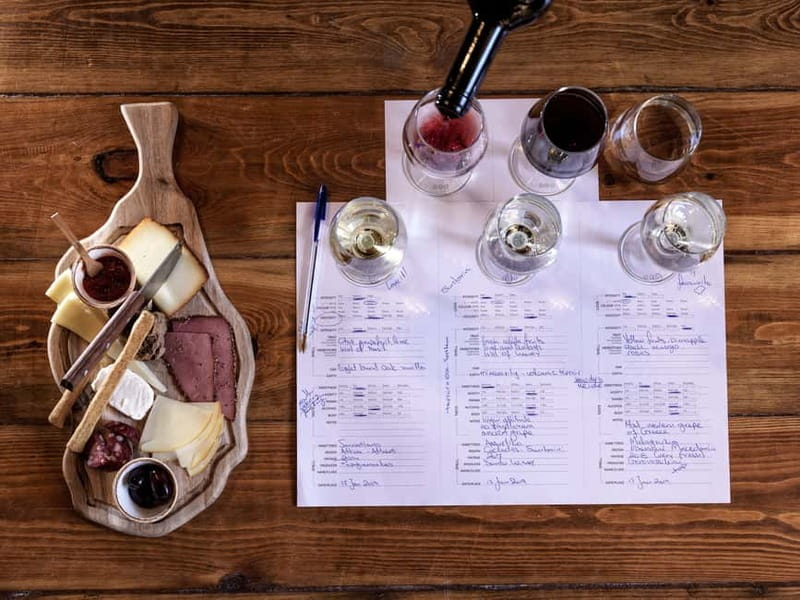
Your time stays simple. The activity starts and ends at Tournavitou 9 (the meeting point can vary a bit depending on the option booked). For a first evening in Athens, this is a nice setup because you can plan the rest of your night without a complicated schedule.
Once you arrive, you settle into the tasting space and get oriented quickly. The pacing matters here: you’re tasting throughout the session, not waiting at the start for everything to happen later.
What Happens in the Virtual Attica Vineyard Tour
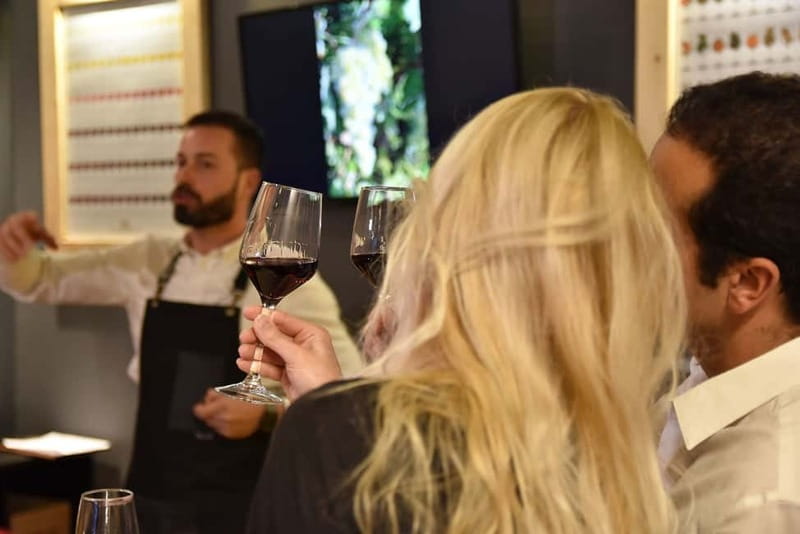
The virtual tour is one of the smartest parts of this tasting. Instead of staying stuck in the glass, the guide connects what’s in your mouth to where it comes from.
You’ll explore Attica vineyards, the grape varieties, and ancient winemaking processes—all guided in a way that’s meant for real understanding, not just trivia. You’re also shown how traditional wine styles connect back to the myths and food culture of ancient Greece.
If you’re the type who loves origins (how a region shapes the flavor), you’ll appreciate that the tour gives you a mental map. And if you’re new to Greek wine, it gives you a framework so you don’t feel lost when the wines taste different from what you expect.
The Tasting Method: How You Learn to Recognize Quality Wine
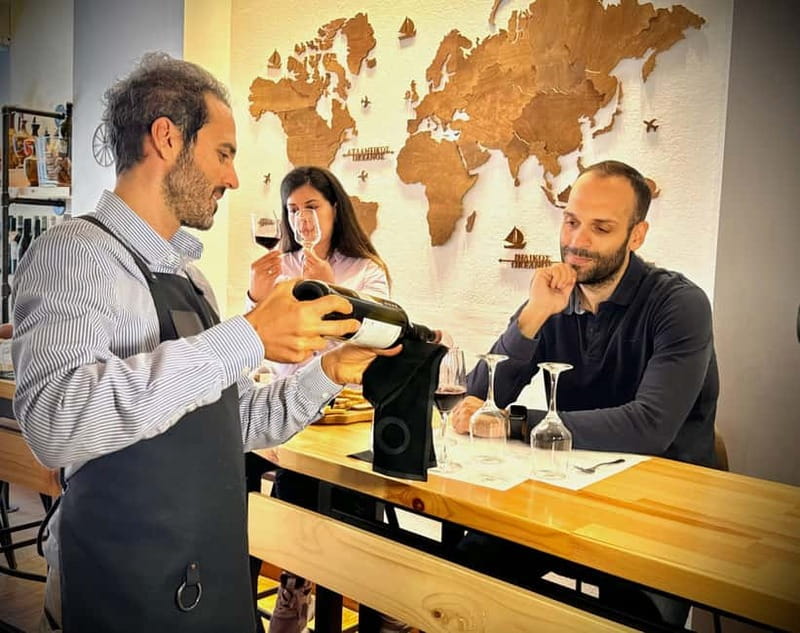
This isn’t a random flight. The session is built to teach you how to evaluate wine, from the basics through the cues that separate “good” from “quality.”
Here’s what you’re working on during the tasting:
- Color and clarity (what you see can hint at style)
- Aroma checks (what you smell first shapes what you think you’ll taste)
- Flavor and structure (how the wine feels on the palate)
- Alcohol perception and balance (how heat or weight affects overall impression)
- Finish (how the taste lingers and whether it feels cohesive)
The practical kicker: your guide doesn’t just talk. You learn by doing, tasting wine in order, and getting coaching while your palate is still fresh. That’s also why people who’ve done tastings elsewhere often say this one teaches more about how to taste, not just what to taste.
Also, your notes help. The included cheat sheet means you can remember which wine you liked and why, instead of leaving with only a fuzzy memory of “that one was good.”
Your 5 Wines: How the Session Helps You Compare Styles
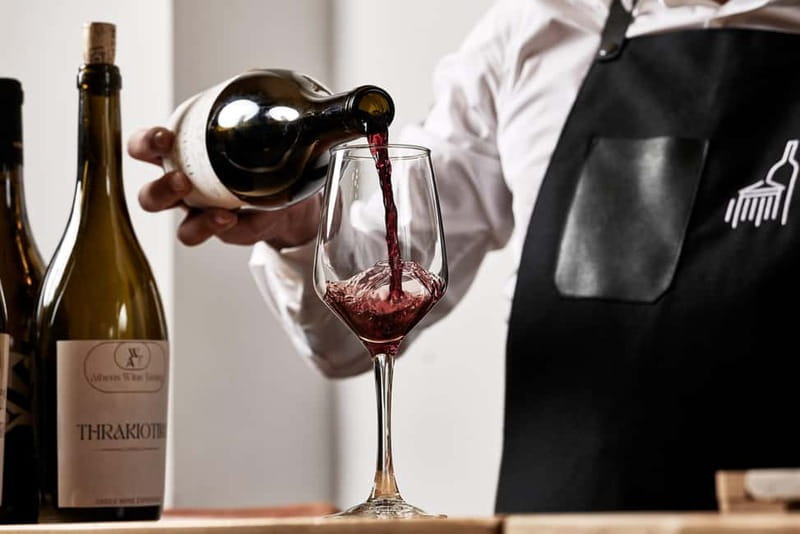
You’ll taste five Greek wines in total: three whites and two reds. That lineup is perfect for learning contrast, because you’re not stuck with one flavor lane.
What you’ll do, in effect, is build comparisons:
- Whites teach you about freshness, aroma expression, and lighter structure.
- Reds teach you about depth, texture, and how tannin and fruit weight show up in Greek styles.
You may notice that the guide frames each pour with a story and a set of traits to look for. That makes your tasting less like guessing and more like pattern recognition.
If you’re a beginner, this format is reassuring: you taste a variety, but you’re still guided through what to pay attention to. If you’re more experienced, you still get value because the session pushes you to articulate your impressions using method.
Cheese, Olives, and Bread Rusks: The Pairing That Makes You Taste More Clearly
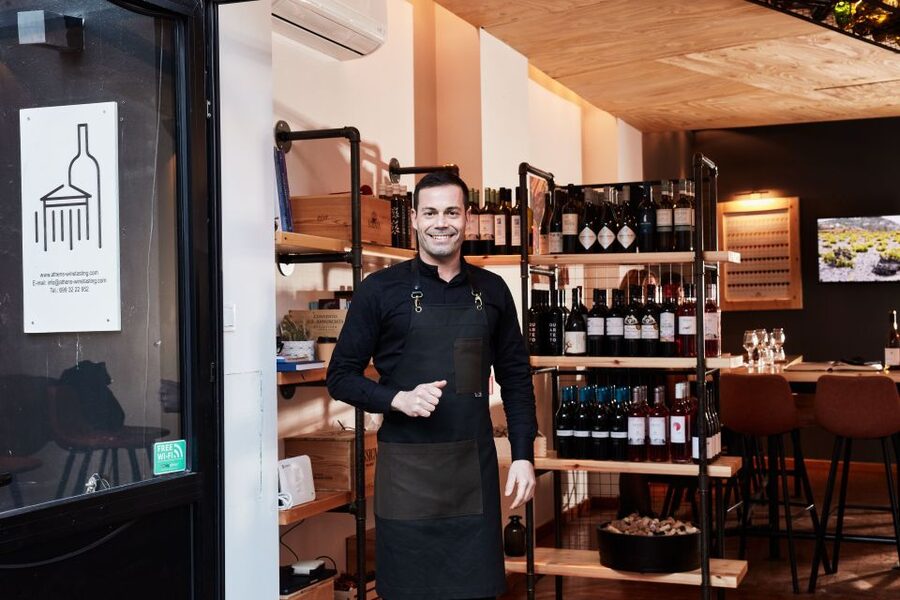
Food pairing is where a lot of tastings go wrong. Either the food is so strong it overwhelms the wine, or it’s so generic it teaches nothing.
Here, the pairing is one of the strongest parts of the experience. You’ll get:
- A selection of local cheeses from all over Greece
- Greek olives
- Homemade bread rusks
- Bottled water to reset your palate
The best part is how the pairing supports learning. Fat, salt, and texture help reveal structure in the wine—especially aroma and balance. You stop tasting in isolation and start tasting in context, the way you’d at a proper Greek table.
And yes, it’s also genuinely enjoyable. The cheeses plus olives make the whole hour feel like a social meal, not a lecture. People consistently point out that pairing here feels thoughtful rather than random, which is exactly what you want at this price.
Dionysus and Ancient Greek Wine Culture: Why the Myth Side Isn’t Just Fluff
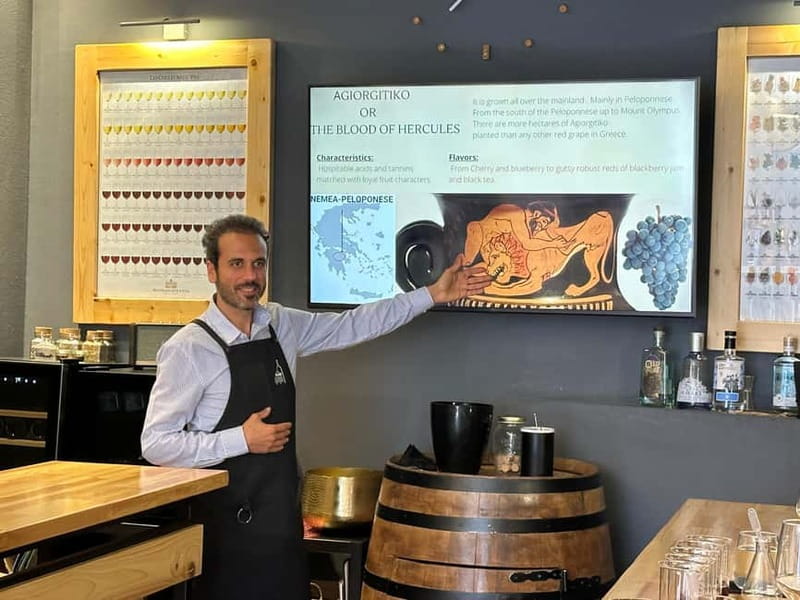
Myth stories can turn into filler fast. Not here. Dionysus—the god of wine and fertility—works as a bridge between the grapes in front of you and the culture around them.
The point isn’t to memorize legends. It’s to understand why wine mattered in ancient Greek life: ritual, celebration, hospitality, and identity. When your guide threads those stories alongside tasting, you get a sense of continuity from old-world traditions to modern Greek winemaking.
That context also helps you taste more confidently. You stop thinking of Greek wine as a novelty, and start thinking of it as a living tradition with regional character.
What Group Size Feels Like (and Why It Matters)
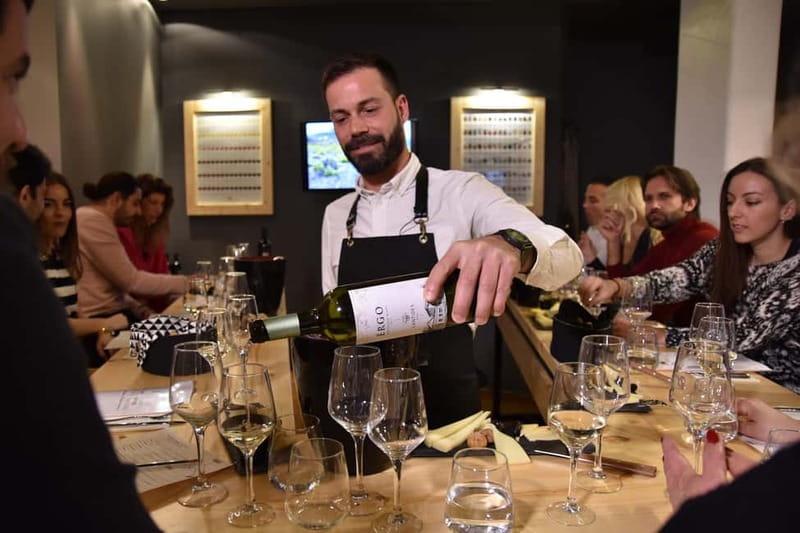
This is a small group setup, usually around eight to ten people, and there’s private group availability too.
That size is ideal. You get a social vibe, but it still feels like you can ask questions and keep up. If you’ve ever been stuck in a big group tasting where you only catch half the explanation, this setup avoids that frustration.
It also makes the guide’s role feel personal. People often emphasize how welcoming and patient the hosts are, including guides such as Theo, Tonia, Anastasia, and Evalina.
Language and Pace: Easy for First-Timers
The live guide offers English and Greek, so you’re not stuck with a language barrier.
Pacing is another big deal. The session is short by design (1 to 1.5 hours), but it stays readable: introduction, virtual tour portion, tasting and evaluation, and then pairing and wrap-up with notes. If you like structured experiences where you know what’s coming next, you’ll feel comfortable.
Possible catch: it’s a teaching experience. If you want total downtime and zero talking, you might find the guidance a lot. But if you like learning while tasting, it’s a strong fit.
Who Should Book This Acropolis Wine Tasting
I think this experience is best if you fit one of these profiles:
- You want an intro to Greek wine that goes beyond taste notes.
- You like guided wine education, especially if you’ve felt lost in tastings before.
- You enjoy pairing food with drink and want it explained.
- You want a short evening activity in Athens that doesn’t require a long drive.
It may not be the best match if you’re only chasing a party mood, or if you dislike any instruction during a tasting. This is about learning what you’re tasting and why.
Tips to Get More Out of the Session
If you want this to feel worth every dollar, do three small things:
- Take notes right away using the included cheat sheet. It’s made for quick recall later.
- Ask at least one question early. The small group size makes it easier for the guide to respond directly.
- Pause between sips and focus on your senses. You’ll get more out of the tasting method when you slow down for a moment.
Also, if you have any dietary needs, mention them at booking. The activity asks you to share dietary restrictions or requirements in advance.
Should You Book? My Take
Yes, I’d book it if you want a smart Athens evening that blends wine, food pairing, and real tasting technique. At $44 for five wines plus cheese and olives, it’s priced like an educational tasting, and the included cheat sheet makes the payoff feel lasting.
If you’re the kind of person who likes being shown how to taste—color, aroma, balance—and you enjoy Greek culture through stories like Dionysus, this is a great start. If you’re only looking for a casual drink with minimal talk, you may prefer something less structured.
FAQ
How long is the Athens Acropolis wine tasting?
The experience lasts about 1 to 1.5 hours.
What’s included in the price?
The price includes 5 different Greek wines, a selection of local cheeses, Greek olives, homemade bread rusks, bottled water, and a list of the wines with a cheat sheet.
How many wines will I taste?
You’ll taste five wines total: 3 whites and 2 reds.
Where do I meet for the activity?
The meeting point is at Tournavitou 9, though the exact meeting point may vary depending on the option booked.
Do you offer private group options?
Yes. Private group availability is offered.
What languages are the guides?
The live guide speaks English and Greek.
Is it only for adults?
Yes. You must be at least 18 years old and bring a valid photo ID or passport. It’s not suitable for children under 18.