REVIEW · ATHENS
Orange & Natural Wines Of Greece with Cheese & Olive Oils
Book on GetYourGuide →Operated by CRU BEE-HAVING Wine & Olive OIl Tastings · Bookable on GetYourGuide
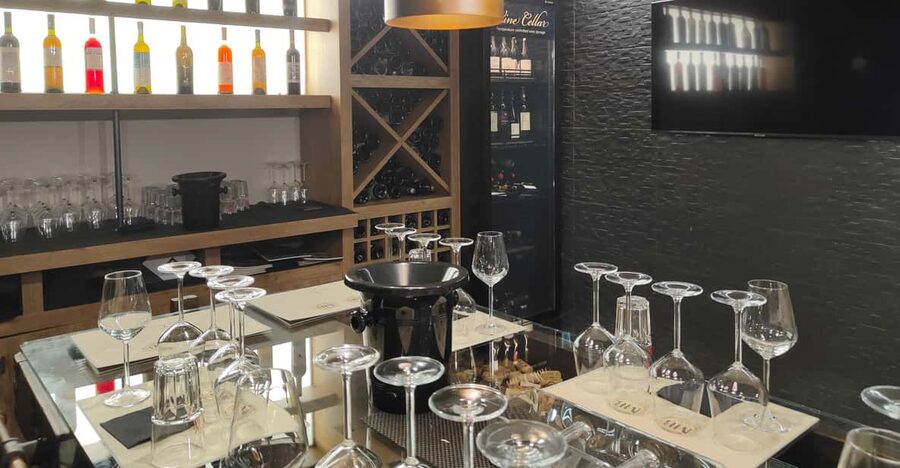
Greek natural wine tastes like discovery. In this Orange & Natural Wines Of Greece tasting in central Greece, you sample six Organic, Biodynamic, Natural, or Orange wines alongside the right bites and extra virgin olive oil, guided by an English-speaking sommelier like Anton. I love how the pairing focus goes beyond wine basics, and I like that you learn the story of how these wines are made, not just what to sip. One possible drawback: natural and orange wines can taste unusual if you only want the clean, predictable flavors of mainstream styles.
You also get a quick education on Greek wine culture, including why indigenous grapes, hot days, and dry winds matter. And the practical part is real: you learn how amphora and modern vessel choices can shift a wine’s character, then taste those ideas in sequence.
With a price of $41 per person for a 1-hour flight, it’s a focused stop for wine-curious adults. Just note it’s not suitable for anyone under 18 or over 95, so plan your day around that.
In This Review
- Key points
- Natural and Orange Wine in Central Greece: What Makes This Tasting Different
- The 1-Hour Flight: How You Fit Six Wines Without Feeling Rushed
- What You Actually Learn: Organic, Biodynamic, and Natural Wine-Making
- Amphora, Cement, and Stainless Steel: Why Vessel Choice Matters
- Pairing Like a Greek: Cheese, Herbs, Spices, Condiments, and Olive Oil
- Extra Virgin Olive Oil Secrets: Why It Belongs in a Wine Tasting
- How the Tasting Helps You Buy Better Bottles Later
- Price and Value: Is $41 a Good Deal for Six Wines?
- Who Should Book This Tasting (and Who Might Skip It)
- Should You Book Orange & Natural Wines Of Greece with Cheese & Olive Oils?
- FAQ
- How many wines are included in the tasting?
- How long is the experience?
- What wine styles will I try?
- Are food pairings included?
- Is the tasting taught in English?
- Does it include wine education or just tasting?
- Is the experience suitable for children?
- Is it suitable for older adults?
- What if my plans change?
Key points
- Six-wine tasting flight focused on Organic, Biodynamic, Natural, and Orange wines
- Professional English guidance with stories and accessible explanations from Anton
- Cheese, nibbles, and pairing rules that mix herbs, spices, and condiments
- Extra virgin olive oil secrets explained through what you taste alongside each pour
- Greek winemaking methods like amphora, stainless steel, cement, and limited oak influence
- Limited bottlings for some wines, including runs as low as 200 bottles
Natural and Orange Wine in Central Greece: What Makes This Tasting Different
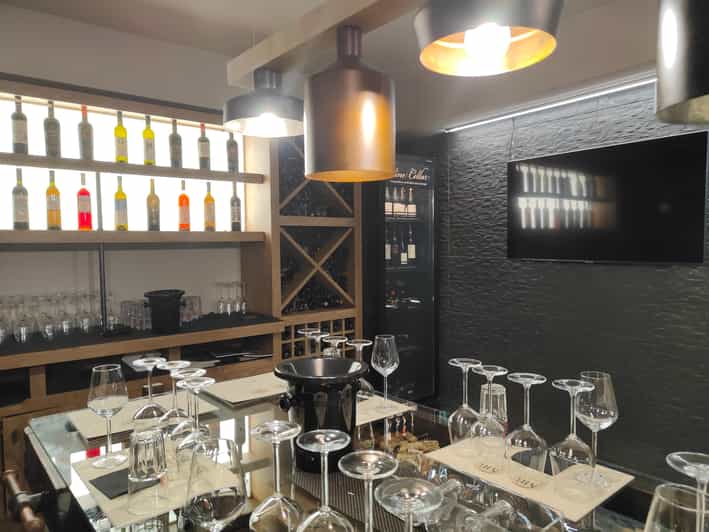
If you’re used to wine tastings where everything feels scripted, this one is more interesting. The point here is to understand why Greece produces so many distinct styles, especially the natural and orange wine side of the world where “clean and classic” is not the only goal.
You start with the mindset that Greek wine didn’t begin as a trend. The country has long relied on indigenous grape varieties, and this tasting connects that to how growers and producers work today. You’ll hear that Greece can make top-level wines because the climate does some heavy lifting: hot days, dry winds, and grapes that already carry flavor and structure.
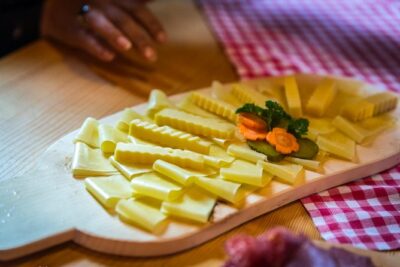
The other difference is that the tasting is not only about wine. You’re also guided through nibbles, cheese-style pairings, and extra virgin olive oil, plus seasonings like herbs, spices, and condiments. That matters because natural wine often shines when food brings texture and contrast, not when it’s treated like a solo show.
You can also read our reviews of more tours and experiences in Athens.
The 1-Hour Flight: How You Fit Six Wines Without Feeling Rushed
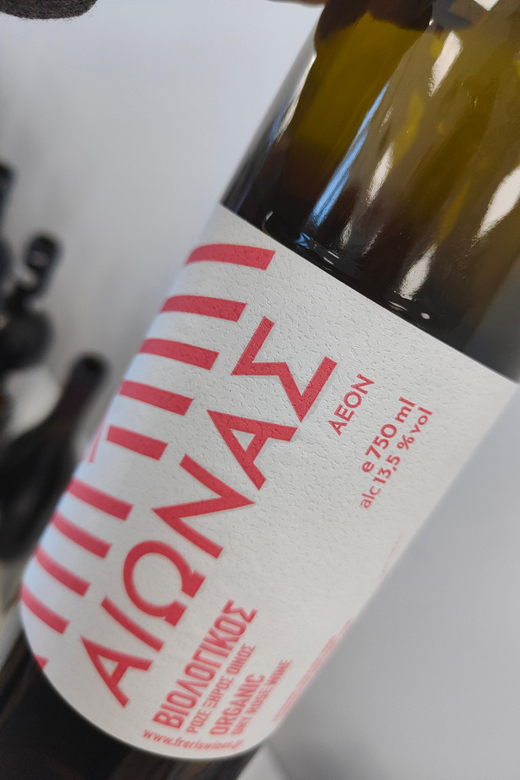
This is built for a quick but complete experience: 1 hour, and you taste six wines. That time pressure is a blessing if you tend to get stuck staring at a glass. You’ll move from one wine to the next, pick up patterns, and start noticing how the style changes from pour to pour.
In this kind of format, you also learn fast what you personally like. Even if orange wine is not your usual order, it’s exactly the style you need to test here. One of the common takeaways is that people find something new, not just something familiar with a different label.
A practical consideration: because it’s short, you’re not going to do a deep comparison of every single nuance. If you want to linger over each wine for 20 minutes, this might feel tight. But if you want a smart introduction to Greek natural wine and real pairing logic, the length works.
What You Actually Learn: Organic, Biodynamic, and Natural Wine-Making
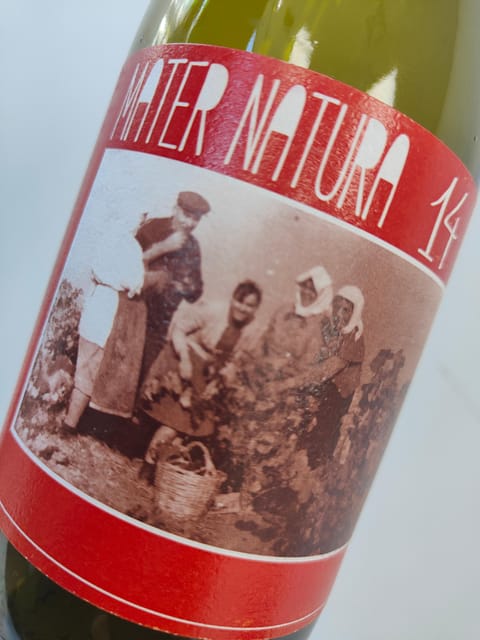
The tasting includes the history and the importance of Organic and Natural wine-making, and it keeps the message grounded. You’ll be shown how these methods connect to taste, rather than treated as a badge on the cork.
What I like about this approach is that it doesn’t pretend natural wine is identical to “no rules.” It focuses on choices that affect the glass: vineyard practices, fermentation decisions, and aging methods. That’s where your tasting starts to make sense. Instead of wondering why a wine tastes different, you learn what might have caused it.
You also get the broader Greek context: the idea that indigenous grapes and long knowledge of the land are still shaping what winemakers do. The tasting mentions how Greece has 340+ indigenous ancient varieties, and that scale is key. When the starting material is so specific, the wine can’t help but feel more place-driven than a one-size-fits-all style.
Amphora, Cement, and Stainless Steel: Why Vessel Choice Matters
One of the most useful pieces of the experience is learning how Greek winemakers age wine in different materials. The tasting highlights amphora (clay jars), stainless steel, and plain cement as common routes, sometimes with a small influence of oak and with some wines aged long in the bottle.
You don’t need to memorize the tech to benefit from this. You just need to know the basic takeaway: vessel choice can influence how a wine develops, how it retains freshness, and how the flavors come across. When you taste multiple wines back-to-back, those differences become easier to catch.
This is also where orange wine fits naturally into the story. Orange wine typically comes from processes that give more contact or character associated with skins and fermentation. Even if you don’t go deep on chemistry, you can taste what that approach often brings: a different texture, a different grip, and a different sense of depth compared with clearer, more standard styles.
If you enjoy learning through your palate, this part of the tasting is worth your full attention. It’s not just trivia. It’s a way to start predicting what you might like when you’re choosing bottles later.
Pairing Like a Greek: Cheese, Herbs, Spices, Condiments, and Olive Oil
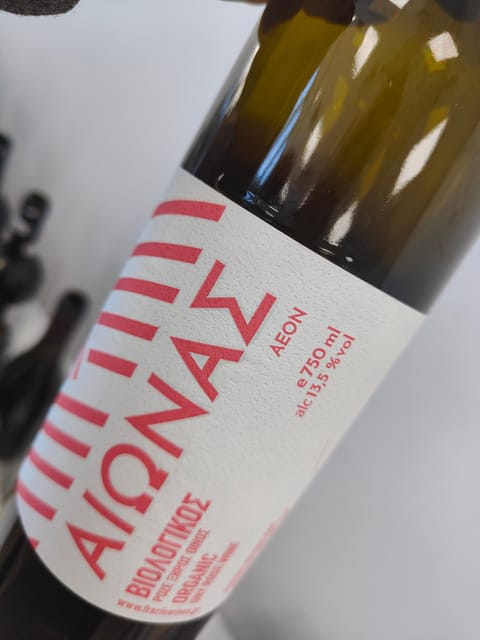
This tasting gets practical with pairing. You’re not limited to wine-and-cheese basics. You also get herbs, spices, and condiments designed to match the wines you’re drinking.
The biggest value for you is that the pairing logic helps you stop guessing at restaurants. Instead of thinking only about sweetness level or “red vs white,” you start thinking about intensity and texture. One of the strongest pairing principles you’ll hear is the idea of matching powerful with powerful and complex with complex. It’s simple, and it works.
Cheese and nibbles give you fat and salt, which can soften tannins and round out sharper edges. Condiments and seasonings then add lift and contrast, so a wine doesn’t just sit on your tongue like a lone note. Olive oil adds yet another layer, especially when it’s extra virgin and meant to be tasted rather than hidden.
And yes, orange wine often benefits from this kind of food-first thinking. If your go-to rule is that orange wine should only be paired with the adventurous stuff, this tasting shows you how to do it with balance instead of fear.
Extra Virgin Olive Oil Secrets: Why It Belongs in a Wine Tasting
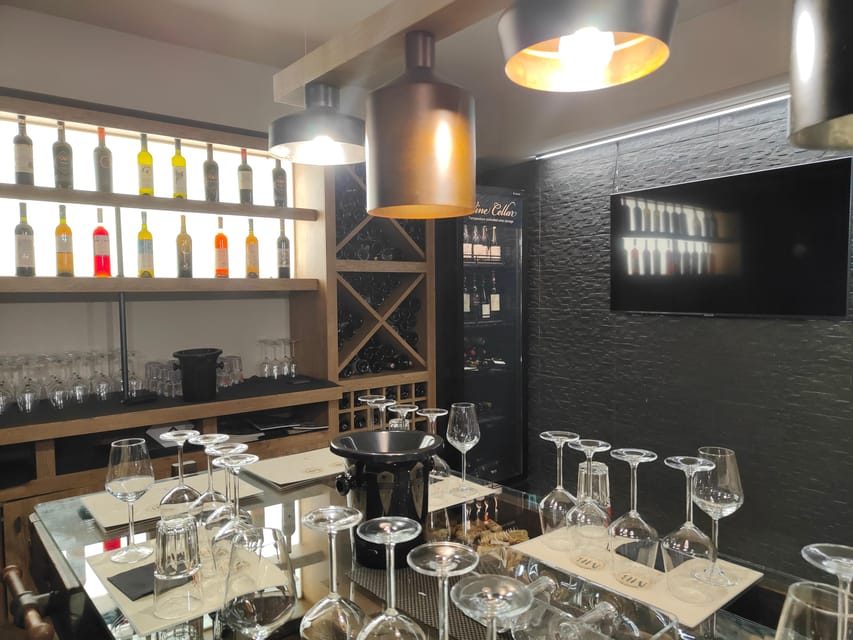
Extra virgin olive oil isn’t an afterthought here. The experience highlights learning the hidden secrets of extra virgin olive oil, and the pairing portion uses it as a real tasting tool.
The key idea: olive oil can change how a wine feels in your mouth. It coats, it softens, and it can make certain aromas easier to notice. That means it can help you understand a wine’s structure rather than just its flavor.
So you’re essentially training two senses at once: tasting the wine, then tasting what happens when oil enters the picture. This is one of those “you can do it at home” lessons, because once you understand that pairing effect, you start buying olive oil and matching it to meals instead of treating oil like a generic pantry item.
If you’re the kind of person who loves cooking or building dinner around ingredients, this is a huge bonus. You’ll walk away with practical ideas for how to use oil in real pairings, not just as background for bread.
How the Tasting Helps You Buy Better Bottles Later
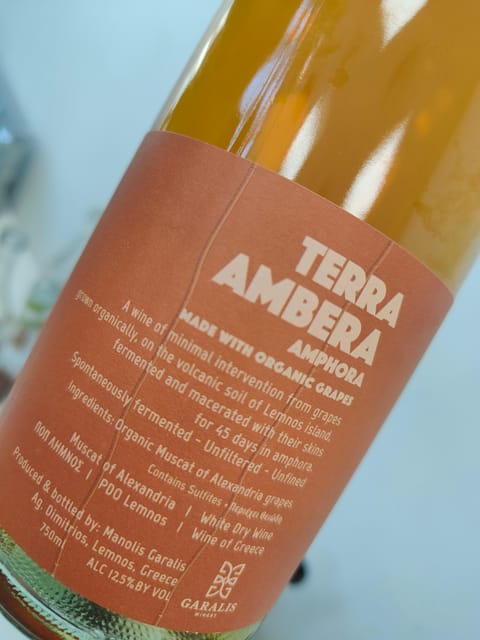
Some wines in this space are made in limited runs. The experience notes that certain bottlings can be as low as 200 bottles, and that some are available exclusively in the store to buy or ship.
That matters for value. In a tasting like this, you’re tasting not only what’s available, but what’s hard to find. If you find a wine you love, the chance to buy it in a limited format is part of the point. Otherwise you’d be chasing availability later and paying more just to get the bottle.
Also, because this tasting focuses on organic, biodynamic, natural, and orange styles, it’s a way to learn your personal preferences inside a specific direction of Greek wine. You’re less likely to end up with a bottle that tastes surprising in a bad way, because you trained your palate with the right food and oil.
If you’re the type who buys a few bottles on a trip, I’d treat this as both education and a shopping shortlist. Take notes during the flight so you remember what you liked when you get to the shop.
Price and Value: Is $41 a Good Deal for Six Wines?
At $41 per person for six wines plus nibbles and extra virgin olive oil, this is priced like an experience, not a quick pour-and-go. The value is strongest when you remember the total package: wines, pairing support, and the education on organic/natural methods and Greek context.
Where many wine tastings fall flat is the “cost per sip” math. Here, you’re paying for guidance and structure. You’re tasting multiple styles of Greek natural wine in a single hour, which compresses weeks of learning into one smart stop.
You should also factor in the pairing component. Cheese, herbs, spices, condiments, and olive oil make the flight more than a tasting checklist. They help you understand why natural and orange wines can work at the table, not just in a glass.
If you already know you love natural wine and olive oil pairings, this price looks even better. If you’re new, it can still be worth it because the education is part of what you’re buying.
Who Should Book This Tasting (and Who Might Skip It)
This is best for adults who are curious about Greek wine beyond the standard expectations. If you like food-focused tastings, and you enjoy learning how ingredients interact, you’ll likely get a lot out of the pairing-first approach.
It’s also a strong fit if you want a one-hour experience that covers both the glass and the ingredients. The tasting includes history and the importance of organic/natural wine-making, so you’re not only consuming flavors. You’re also building a framework you can use when you order wine or shop later.
Possible mismatch: if you only want wines that taste highly uniform and extremely clean, orange and natural wines might feel different than what you’re used to. Natural wines can show character that feels less controlled. The upside is that you’ll learn why that difference exists.
Finally, it’s not suitable for children under 18 or people over 95, so check that before you plan your day.
Should You Book Orange & Natural Wines Of Greece with Cheese & Olive Oils?
I think you should book it if you want a practical, Greek-centered introduction to natural wine and you care about pairing. The six-wine format, the professional sommelier guidance in English from Anton, and the emphasis on extra virgin olive oil make it feel like real learning, not just sampling.
Skip it if your goal is a traditional, mainstream tasting where you can predict every aroma and want a very “safe” style. Also, because it’s 1 hour, it’s better as a first tasting stop or a focused afternoon plan than something you build your whole day around.
If you’re choosing between “read about it” and “taste it with guidance,” this one pushes you toward the second option, and that’s usually the fastest way to find what you truly like.
FAQ
How many wines are included in the tasting?
You’ll taste six wines.
How long is the experience?
It lasts 1 hour.
What wine styles will I try?
The tasting includes Organic, Biodynamic, Natural, and Orange wines.
Are food pairings included?
Yes. You’ll have nibbles, and extra virgin olive oils are part of the experience. Cheese is included in the experience title.
Is the tasting taught in English?
Yes, the instructor is English-speaking.
Does it include wine education or just tasting?
It includes history and the importance of Organic and Natural wine-making.
Is the experience suitable for children?
No. It’s not suitable for children under 18.
Is it suitable for older adults?
It’s not suitable for people over 95.
What if my plans change?
Free cancellation is offered up to 24 hours in advance for a full refund. You can also reserve now and pay later.