REVIEW · BUDAPEST
Budapest: Wine, Cheese, and Charcuterie Tasting
Book on GetYourGuide →Operated by Taste Hungary · Bookable on GetYourGuide
Budapest can be a whirl of sights, but this tasting slows you down fast. You get a sommelier-led introduction to Hungarian wine styles and regions, while you’re eating real cheese and charcuterie matched to each pour. I love that it’s not only about drinking, it’s about learning what you’re actually tasting.
What I also like is the variety: you’ll try five Hungarian wines, finishing with sweet wine from Tokaj, plus bread and artisan oils to help reset your palate between wines. The only thing to consider is that this is an alcohol-focused experience, so it’s not a fit if you want a light, kid-friendly stop.
In This Review
- Key Takeaways Before You Go
- A 90-Minute Budapest Wine Lesson, With Real Pairings
- What You Taste: Five Hungarian Wines and a Tokaj Sweet Finish
- Cheese and Charcuterie Pairings That Actually Make Sense
- The Bread, Artisan Oils, and Palate Reset You Can Taste
- How the Sommelier Explains Hungarian Wine Without Overloading You
- The Setting: Meeting Near National Museum in District VIII
- Price and Value: Is $50 Fair in Budapest?
- Who This Is Best For (and Who Should Skip It)
- Should You Book This Budapest Wine, Cheese, and Charcuterie Tasting?
- FAQ
- How long is the Budapest wine, cheese, and charcuterie tasting?
- How many wines do I taste?
- Does the tasting include Tokaj wine?
- What food is included?
- What language is the guide?
- Where is the meeting point?
- What’s the minimum age?
- When does it run?
Key Takeaways Before You Go
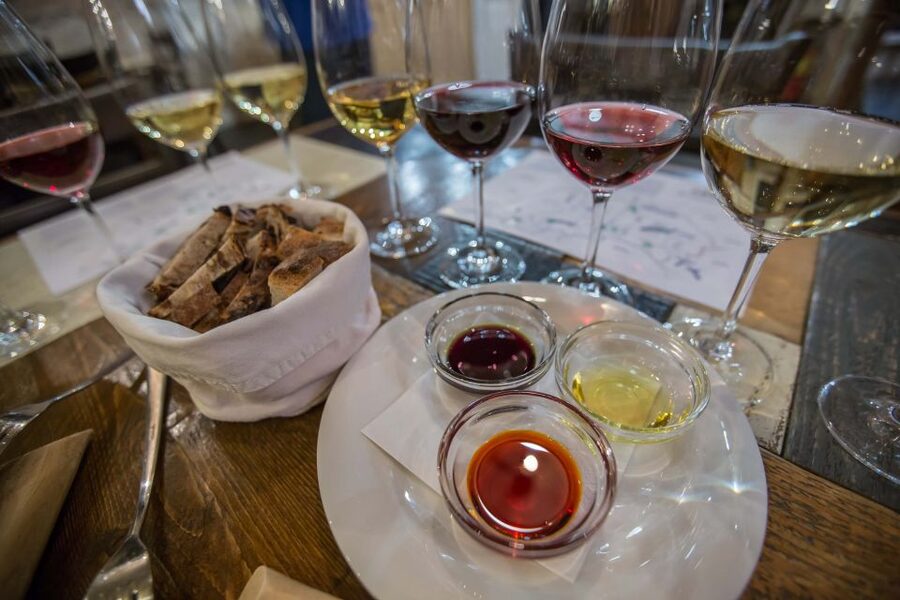
- Five glasses, not tiny sips: you get real pours across the lineup for a proper comparison.
- Tokaj sweet wine at the end: a memorable finisher that helps you understand Hungary’s signature sweetness.
- Hungarian grape focus: you may taste varieties and styles you’ve never seen on a restaurant wine list.
- Local artisan sourcing: cheese and charcuterie come from specific producers, not generic platters.
- Bread and artisan oils included: they’re there for a reason, not just filler.
- Tasting sheets + wine-region map: you can take notes and leave with a clearer mental map of the country’s wine zones.
A 90-Minute Budapest Wine Lesson, With Real Pairings

If you want a Budapest experience that feels genuinely local, this is a great choice. Instead of chasing trendy bars, you sit down with a sommelier and taste Hungary’s wines alongside the foods they’re meant to meet.
The format works because you’re always moving from one pairing to the next. One pour is explained, you try it with a specific cheese or cured meat, then you move on. I like that rhythm because it makes the flavors easier to remember the next day, not just the next sip.
You can also read our reviews of more tours and experiences in Budapest.

What You Taste: Five Hungarian Wines and a Tokaj Sweet Finish
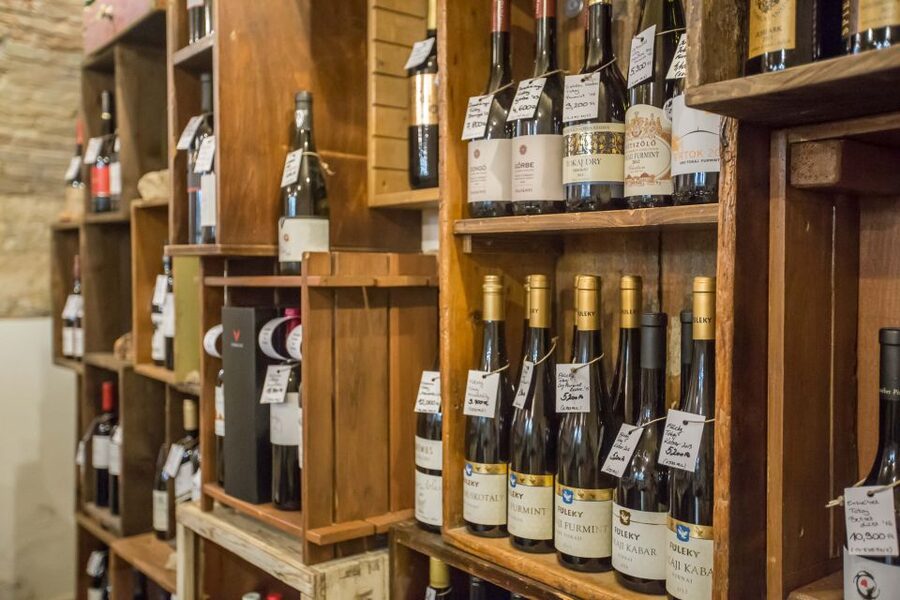
The heart of the experience is a lineup of five Hungarian wines. The sommelier frames each one with context: what region it comes from, what grape style it represents, and how to spot what makes it Hungarian rather than generic.
Here’s the key reason this matters for your trip: Hungarian wine can feel unfamiliar if you mostly know European labels by country—France, Italy, Spain. This tasting is designed to build recognition. You’ll learn the major regions and important varieties, then you’ll taste examples that show the range from drier styles to something sweeter and distinctly Hungarian.
And yes, the last glass is a sweet wine from Tokaj. Tokaj isn’t just a name on a label; it’s part of the story of Hungary’s international reputation for sweetness. Ending with it gives your palate a clear contrast point: earlier wines help set the scene, then Tokaj shows the other side of the Hungarian spectrum.
Based on the tasting style, you may also end up with wines that are not easy to find outside Hungary. That’s a plus if you like bringing home not only bottles, but also a few new grapes and styles you can actually look for later.
Cheese and Charcuterie Pairings That Actually Make Sense
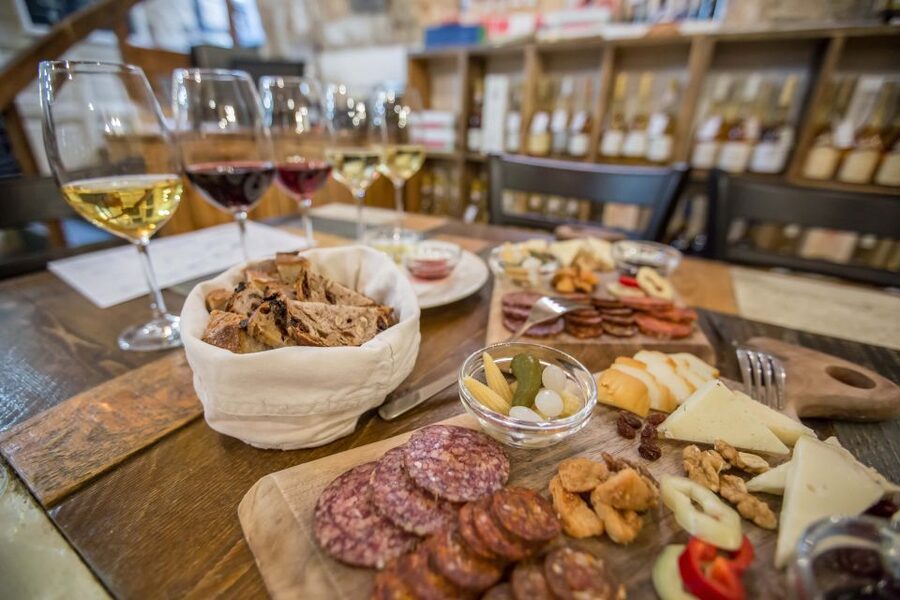
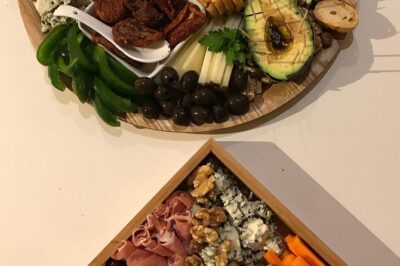
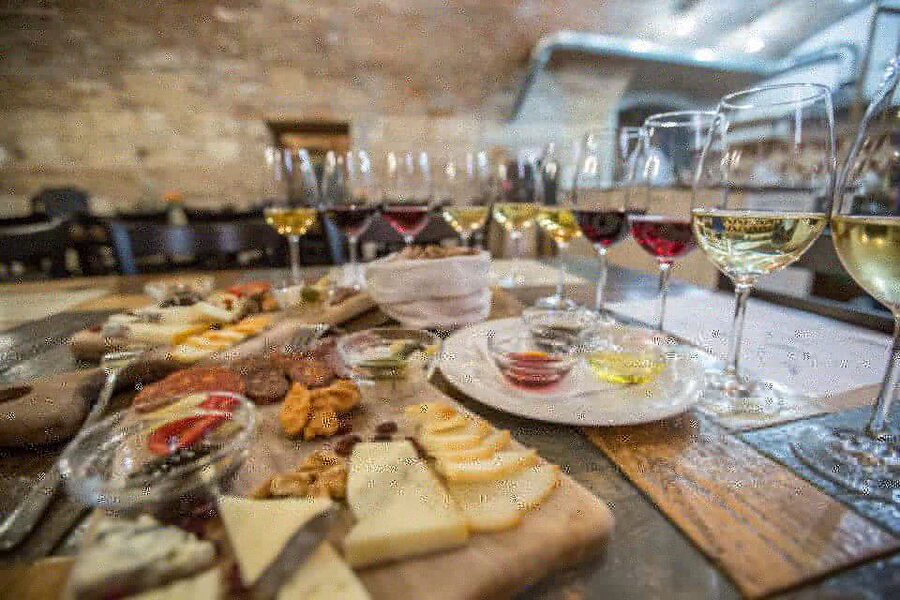
The food isn’t an afterthought. You get a cheese and charcuterie board built for pairing, and it includes specific highlights such as Mangalica pork sausages, free-range water buffalo salami, smoked duck breast, and grey beef sausage. There are also various cheese styles in the mix.
What I like about this setup is that it teaches you how Hungarian wine can handle salty, smoky, fatty flavors. Many wine tastings slap food on the table and hope it works. Here, the pairing logic is built in—each wine has a food match, so you learn what the wine does when it meets real cured and smoked tastes.
Also worth noting: bread and artisan oils are part of the included spread. That means you have a way to reset between wines and soften stronger flavors. If you’ve ever tasted multiple wines back-to-back and felt like your palate gets stuck, this helps prevent that.
The Bread, Artisan Oils, and Palate Reset You Can Taste
Bread and oil sound simple, but in a tasting like this they play a practical role. Bread helps neutralize acidity and spice in the background. Oil can round edges and soften the sharpness of certain meats, especially when you’re switching between red and white styles—or dry and sweet.
This is one reason I’d call this a good intro even if you’re not a “wine person.” You’re not just swallowing wine; you’re using the whole table setting to understand how flavors shift.
How the Sommelier Explains Hungarian Wine Without Overloading You
The experience is English-guided, live, and led by a sommelier. That guide is what turns a tasting from passive sipping into something you can use later.
In the recent experiences I reviewed, different guides are named—Thomas, Bence, Sam, and John/Jon. You can’t predict who you’ll get, but you can expect the same core approach: clear explanations, engaging delivery, and plenty of room for questions.
If you worry that wine explanations will turn stiff or too technical, you’ll likely appreciate the balance. The pacing is designed for a group sitting around a table, and the goal is to help you connect what’s in the glass to the geography and grape choices behind it.
The Setting: Meeting Near National Museum in District VIII
You meet at The Tasting Table Budapest, Bródy Sándor utca 9, 1088 Budapest (District VIII). The location is convenient: it’s about 150 meters from the National Museum and roughly a 5-minute walk from both Astoria (M2) and Kálvin tér (M3). Trams 47 and 49 also stop at Astoria and Kálvin tér.
This matters because you can tack it onto an afternoon with less transit stress. If you’re already touring central sights, it’s an easy add-on rather than a whole new trek across town.
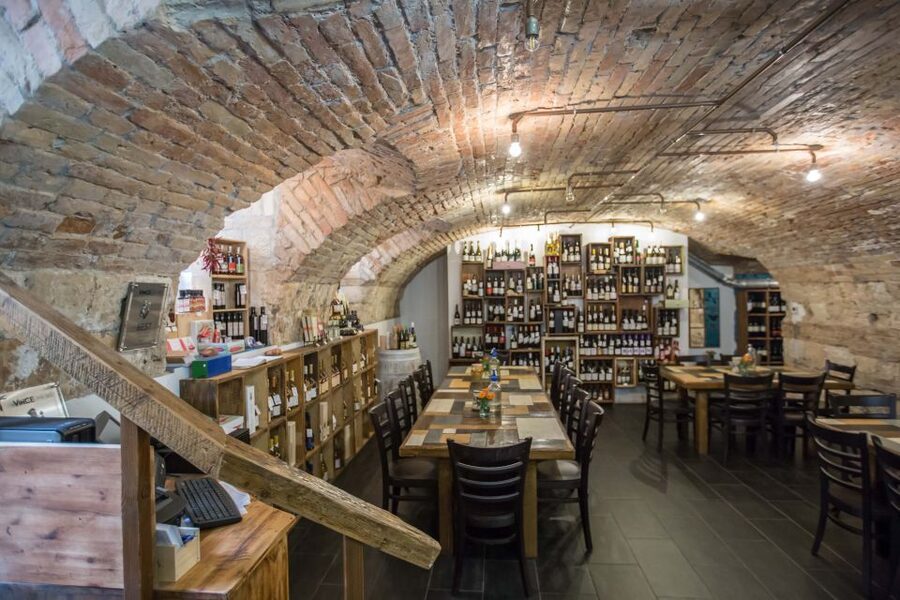
One more detail: the venue is described as an old cellar setting with arches and a cozy brick room vibe. That kind of atmosphere helps the tasting feel like a real local stop, not a rushed storefront check-in.
Price and Value: Is $50 Fair in Budapest?
At $50 per person for 1.5 hours, the value is tied to what’s actually included. You’re getting:
- 5 glasses of Hungarian wine
- A local cheese and charcuterie plate
- Bread and artisan oils
- Tasting sheets with a map of Hungarian wine regions
That’s a strong package for a city where a single “glass and snack” can add up quickly. Here, the cost is covering both the drinks and the food pairing work, plus the guide’s explanations and the materials you take home.
You should still consider your personal comfort with wine. This isn’t a no-drinking history lecture. It’s built around tasting. If you want a food-first meal, or if you dislike wine completely, you may feel less satisfied.
Who This Is Best For (and Who Should Skip It)
This works especially well if:
- You’re new to Hungarian wine and want a guided, structured starting point
- You like learning by tasting rather than reading facts
- You want a central Budapest plan that blends wine, food, and explanation
- You want something different from the typical beer or bar-hopping routine
It may be less ideal if:
- You’re under 18 (the legal drinking age in Hungary is 18)
- You want a totally alcohol-light experience
- You’re looking for a full dinner style meal with lots of extra courses (this includes cheese/charcuterie, bread, and oils, but no additional food beyond that)
If you’re traveling with someone who isn’t sure about wine, the food pairing helps. You still get strong flavor variety, so you’re not stuck on the wine alone.
Should You Book This Budapest Wine, Cheese, and Charcuterie Tasting?
I’d book it if you want a high-payoff afternoon: five real wines, serious Hungarian foods, and a guide who helps you connect the dots. It’s also a smart choice when Hungarian wine feels intimidating—this tasting turns that mystery into a simple, memorable lineup.
Do it when:
- You’ll be in central Budapest and can walk or tram over easily
- You want a calm, seated plan for about 1.5 hours
- You’re excited to try wines you might not easily order later
Skip it if you’re not interested in tasting wine or you’re looking for something more like a meal-focused restaurant experience.
FAQ
How long is the Budapest wine, cheese, and charcuterie tasting?
It lasts about 1.5 hours.
How many wines do I taste?
You’ll taste 5 glasses of Hungarian wines.
Does the tasting include Tokaj wine?
Yes. The final wine is a glass of sweet wine from Tokaj.
What food is included?
You’ll get a local cheese and charcuterie plate, plus bread and artisan oil.
What language is the guide?
The live tour guide speaks English.
Where is the meeting point?
You meet at The Tasting Table Budapest, Bródy Sándor utca 9, 1088 Budapest (District VIII), near the National Museum.
What’s the minimum age?
The legal drinking age is 18 in Hungary, so participants must be 18+.
When does it run?
It’s available on most days between about 3:00 PM and 5:00 PM, depending on the start time shown when you check availability.