REVIEW · PORTO
Porto: Cálem Cellar with Chocolate, Cheese, and Wine Tasting
Book on GetYourGuide →Operated by Cálem Cellars · Bookable on GetYourGuide
Port really does belong beyond desserts. At Cálem Cellars in Porto, you learn how Port gets made, then you taste it with serious food pairings like cheese and chocolate.
Two things I love about this experience are the mix of education and eating, and the fact that you get to compare styles side by side. You’ll hear about the Douro Demarcated Region and Port production in the cellar, then finish with a tasting built around Cálem Late Bottle Vintage, Cálem Vintage, and a 20-year-old tawny.
One possible drawback to plan for: groups can get busy, and in those moments the pace can feel fixed. If you’re the type who wants lots of detailed Q&A, you may want to choose your timing in the room carefully.
- Interactive Museum time-saver: You see the Port-making story in a hands-on format before the cellar walk.
- Active cellar access: The cellars stay in use, and you visit areas tied to the real process (not just photo ops).
- A focused 3-wine tasting: You taste three named Ports designed to be compared, not scattered.
- Food pairings that actually change the taste: goat cheese, São Jorge cheese, crackers and jam, plus chocolate tartlet and chocolate milk.
- Multiple guide languages: Spanish, French, Portuguese, and English are supported.
- Short duration, big payoff: You’re typically done in about an hour, with time to sit and compare flavors.
In This Review
- What You Taste at Cálem: 3 Ports Paired With Cheese and Chocolate
- The Interactive Museum Before the Cellars: Port-Making Basics Without a Lecture
- Walking Cálem Cellar: From Douro Demarcated Region to the Barrels
- The Pairing Logic: How Transmontano, São Jorge, and Chocolate Work With Port
- The Guide Makes It: From Matthew to Slimmy to Anna to Anastasia
- Duration and Flow: How a 1-Hour Tour Can Still Feel Like More
- Group Size and Hearing: When You Need to Choose Your Spot
- Price and Value at $53: Is It Worth It?
- Who Should Book This Cálem Tasting (and Who Should Think Twice)
- Should You Book Cálem Cellar With Chocolate, Cheese, and Wine?
- FAQ
- How long is the Cálem Cellar chocolate, cheese, and wine tasting?
- What wines are included in the tasting?
- What food pairings are served?
- Do they offer multiple tour languages?
- Is it wheelchair accessible?
- What allergens should I be aware of?
- What’s the price per person?
- Can I cancel for free?
- Is there a reserve now, pay later option?
What You Taste at Cálem: 3 Ports Paired With Cheese and Chocolate
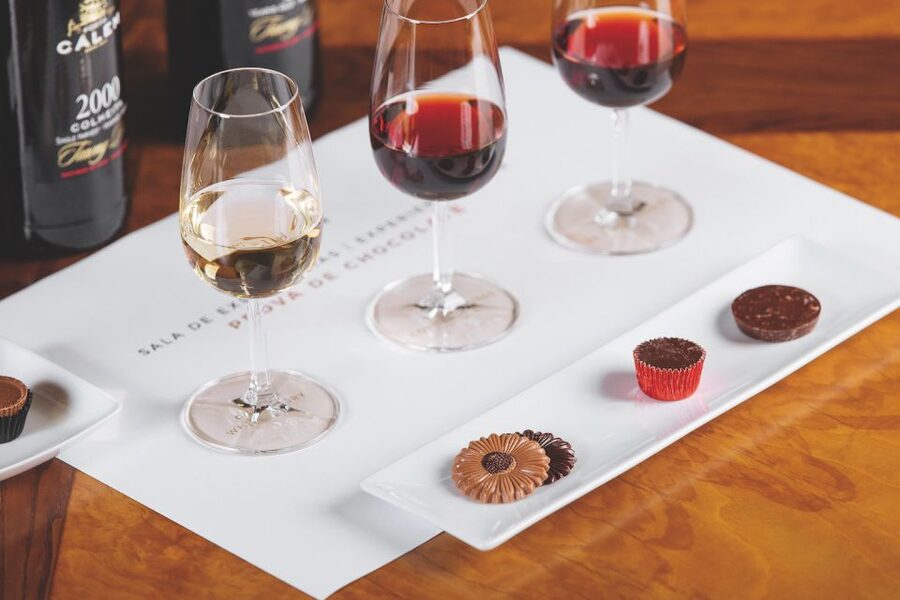
This is a tasting that’s built for comparison. Instead of drinking one Port and moving on, you sample three clearly different bottles: Cálem Late Bottle Vintage, Cálem Vintage, and Cálem 20 years old tawny. That combo alone helps you understand how style, aging, and sweetness can shift what’s in your glass.
Then comes the food, and it’s not just an afterthought. Your pairing includes goat cheese Transmontano, cheese from S. Jorge Island, crackers and jam, plus two chocolate options: black chocolate tartlet and chocolate milk. This matters because Port can swing from fruity to woody and caramel notes, and the dairy and chocolate help highlight those changes.
If you like “foodie” tastings, you’ll appreciate that your order of consumption is guided. The idea is to build your palate step by step so each Port has a fair shot, rather than tasting over the loud flavor of the last bite.
One practical note: the tasting includes milk, so if you’re avoiding dairy, you’ll want to know this in advance. The allergen list also includes dried fruits, soy, nuts, and eggs.
The Interactive Museum Before the Cellars: Port-Making Basics Without a Lecture
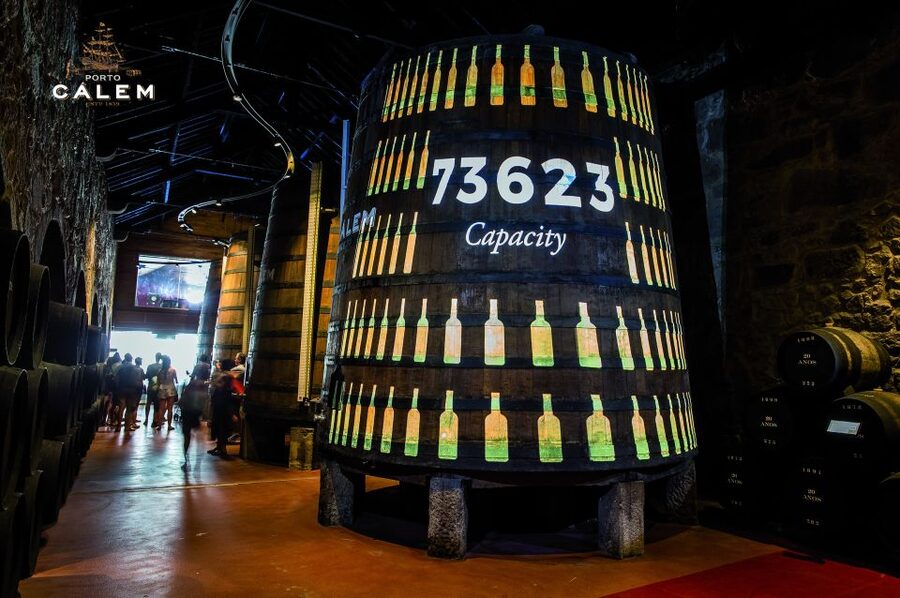
Most people think Port starts with grapes and ends with a sweet sip. This tour nudges you to think in a more exact way.
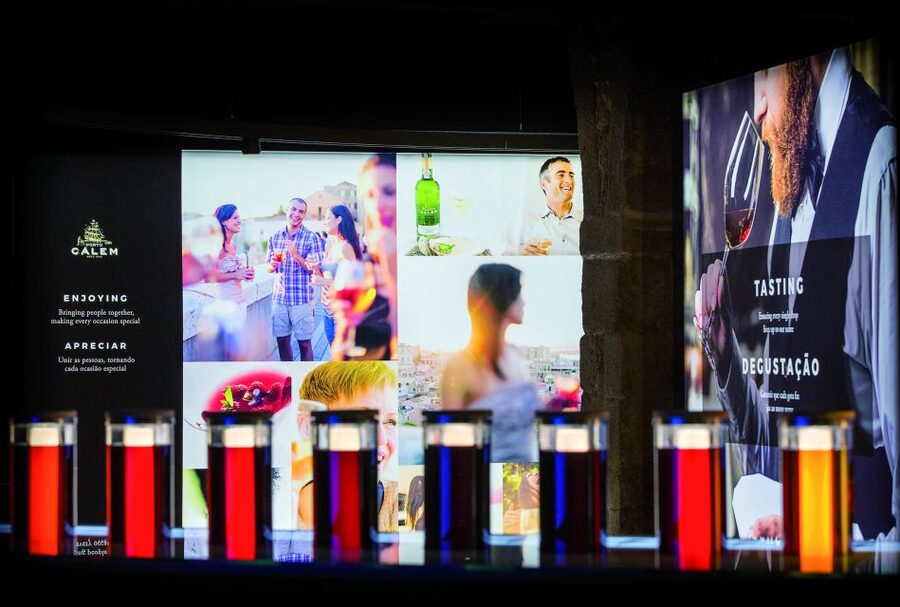
You begin with a visit to the Cálem Interactive Museum, which explains the Port-making process in a fun, structured format. Even if you only catch the highlights, you’ll leave with a map of the story: where the Douro fits in, how Port gets produced, and why different styles come out tasting so different.
The museum is especially useful if you’re new to Port. It gives you vocabulary for what you’ll later see in the cellars. It also helps you connect the big terms you’ll hear during the guide talk—especially the Douro Demarcated Region—to what you’re actually drinking.
You can also read our reviews of more tours and experiences in Porto.

Walking Cálem Cellar: From Douro Demarcated Region to the Barrels
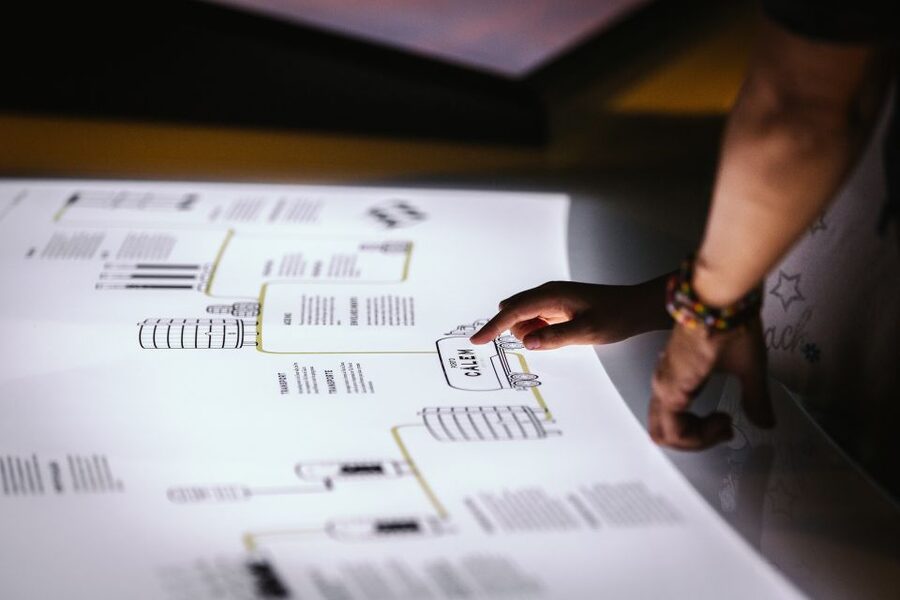
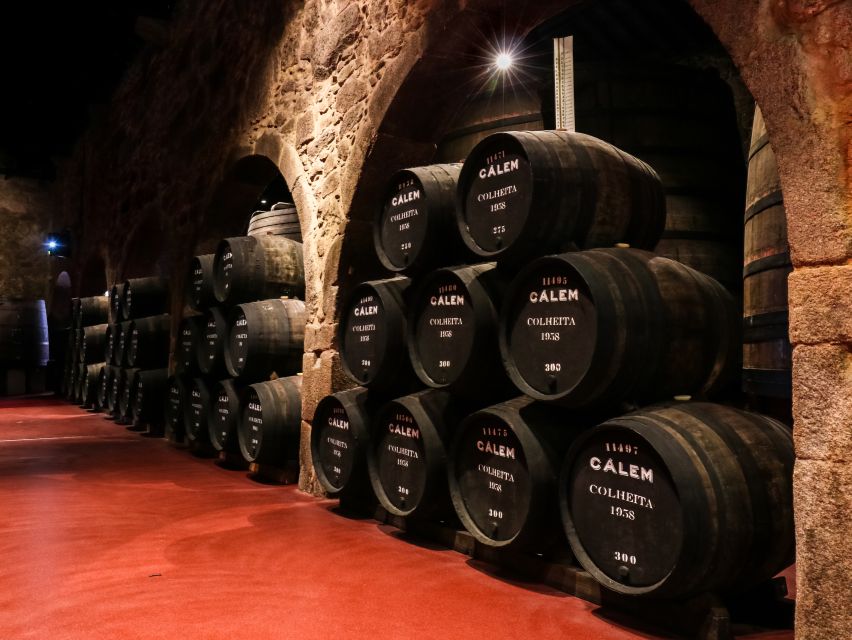
After the museum, the experience shifts into the cellars themselves. This is not a dead space. The cellars remain active and visitable, which gives the whole thing a stronger sense of reality than a museum-only stop.
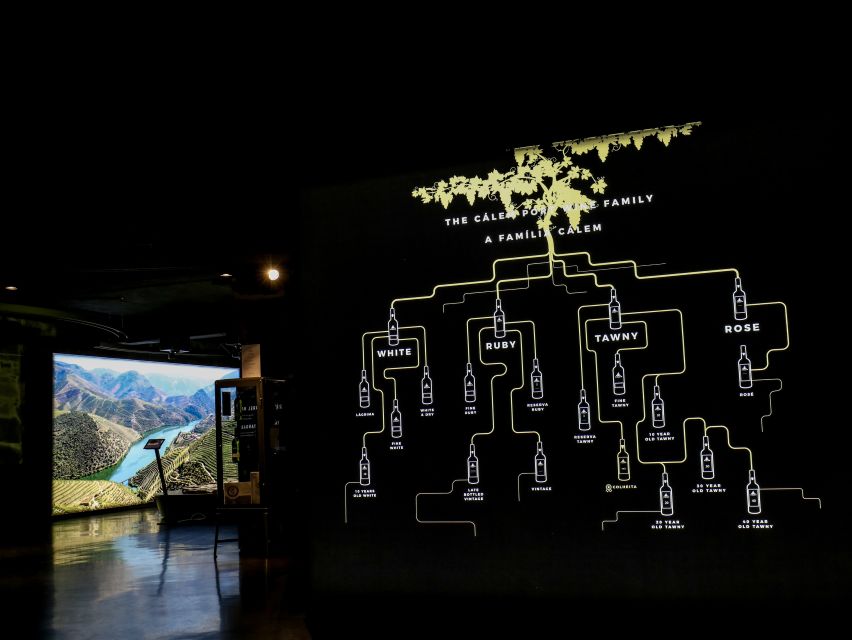
During the guided portion, you learn about Port production details, plus how Cálem interprets the history of the house. You’re also taken through the logic behind the different Port categories—what makes them distinct and what that means when you taste them later.
A detail I like in the way they frame it: you’re taught about storage characteristics next to barrels where the grapes grow, with protection from light and heat. That’s the kind of practical win that you won’t get from a casual bar tasting. You start to see Port as a product of time, conditions, and decisions, not just a style.
This is also where the “why” clicks for me. When you taste later, you’re not guessing. You know what you were told to look for: fruit character, aged notes, and how sweetness and structure feel together.
The Pairing Logic: How Transmontano, São Jorge, and Chocolate Work With Port
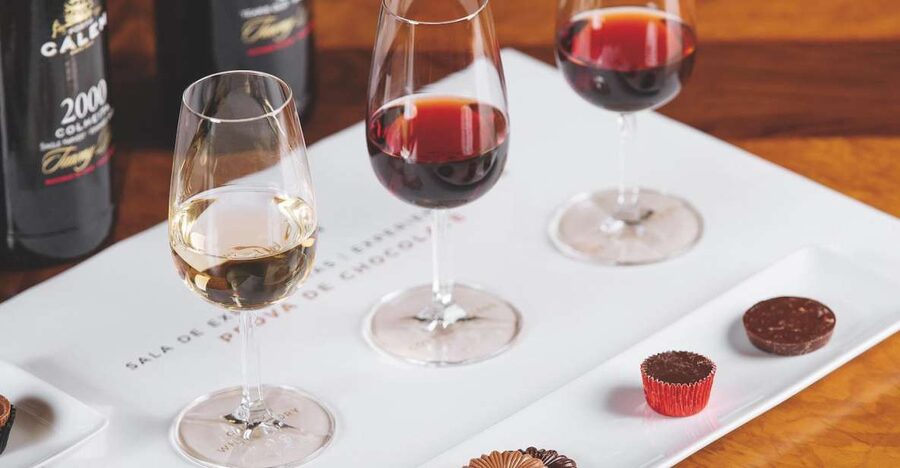
Pairings here are designed to make the Ports easier to read. The cheeses do most of the heavy lifting, and you get two very different styles.
- Transmontano (goat cheese) tends to bring tang and a distinct bite. With Port, it can sharpen the fruit side and make the wine feel more defined.
- São Jorge Island cheese brings its own character, and it helps you notice changes in how creamy, nutty, or caramel-leaning notes show up as you move through the Ports.
Then you add crackers and jam to reset your palate. It’s a simple trick, but it works because it adds a controlled sweetness and crunch that doesn’t overpower the next pour.
Finally, the chocolate. You get both a black chocolate tartlet and chocolate milk, which is a smart pairing move because black chocolate often highlights darker fruit and spice, while milk chocolate adds roundness and sweetness. Port is already sweet, so the guide’s pacing matters: you want chocolate to support the wine, not cover it.
If you care about pairing, this part will feel like the real “aha” moment. You don’t just taste Port. You learn how Port behaves in a food context.
The Guide Makes It: From Matthew to Slimmy to Anna to Anastasia
The tour’s success leans heavily on the guide. The good news: you’re not stuck with generic talk.
In English-language experiences, guides like Matthew have been described as both informative and entertaining, with a focus on Port history and manufacturing. In other visits, guides such as Slimmy have stood out for energy and storytelling, and Anna has led tastings at a relaxed pace. Anastasia is another name you may run into, with guests highlighting a professional, know-it-all-but-friendly presentation.
Even when the structure is fixed, a strong guide helps you do two things:
1) follow the production logic without getting lost in jargon
2) taste actively, with an order and explanation that improves what you notice in the glass
Also, since the tour offers Spanish, French, Portuguese, and English, you’re likely to find a language match for your comfort level.
Duration and Flow: How a 1-Hour Tour Can Still Feel Like More
The experience is listed as 1 hour, and that’s a good way to think about it: you’re not committing your entire day to one stop.
Still, the flow matters. You have a short museum visit, a guided cellar walk, and then the tasting and pairing. On a busy day, you’ll be grateful it’s capped. On a quieter day, it may feel fuller than you expected.
I’d plan like this: treat it as an hour of activities, then keep a little buffer afterward in case you slow down for the tastings. One of the nicest parts of a Port comparison is sitting long enough to notice differences, and that can take a few extra minutes beyond the bare minimum.





Group Size and Hearing: When You Need to Choose Your Spot
One thing to consider is sound and crowding. Some tours can include enough people that you’re not always able to hear every word. If your main goal is learning, not just tasting, your position in the room matters.
Here’s what works in practice:
- Move closer to the guide when the talk starts.
- Don’t assume you can ask many follow-ups during the loudest, busiest sections.
- Pay attention during the cellar explanation, because that’s where the tasting comparisons make more sense.
There’s also a style consideration. Some participants have felt the cellar portion can become sales-forward toward specific Port products. That doesn’t ruin the experience, but it’s worth knowing if you’re sensitive to hard selling. If you want pure education, keep your focus on the production and pairing lessons, not the pitch.
Price and Value at $53: Is It Worth It?
At $53 per person, the value depends on what you want out of Porto.
Here’s what you get for that price:
- Entrance to Cálem Cellars
- An included guided experience that ties the production story to what you taste
- A tasting with three Ports plus multiple food pairings (two cheeses, crackers and jam, and both chocolate items)
If you’ve been doing wine tourism in Europe, you know many tastings charge extra for each pour, and food pairings often come in small portions. This package is structured to include both, and that’s where I see the value.
Also, the tasting is a comparison set. Instead of one bottle you barely remember, you leave with a sense of how three named Port styles differ and what foods make those differences clearer.
If you’re a total Port novice, this can be a great “starter course” because it teaches through tasting. If you’re already a serious Port drinker, it may feel a bit light on deep technical detail, but the pairing format can still be fun.
Who Should Book This Cálem Tasting (and Who Should Think Twice)
This tour fits best if you want a Port experience that’s not stuffy. I think it’s ideal for:
- food lovers who enjoy pairing savory and sweet
- Port beginners who want clear guidance on how to taste
- people who like a short, structured visit rather than an all-day wine mission
It may be less ideal if:
- you need lots of quiet, one-on-one explanation (the group and room dynamics can affect hearing)
- you strongly prefer super-deep technical production talk
- mobility needs are a concern. The info lists wheelchair accessible, but it also says it’s not suitable for people with mobility impairments. If this matters for you, check directly with the provider before you book.
Should You Book Cálem Cellar With Chocolate, Cheese, and Wine?
I’d book it if you want Port that comes with real context and a proper food pairing. The museum-to-cellar flow helps you understand what you’re tasting, and the specific lineup of Late Bottle Vintage, Vintage, and 20-year-old tawny makes the comparison easy.
Before you commit, make your decision based on two things:
1) Are you comfortable with a guided group format where sound can vary?
2) Do you have any allergen concerns, since milk and several other allergens are involved?
If you’re looking for a one-hour Porto stop that blends education, atmosphere, and a sit-down tasting with cheese and chocolate, this one fits the bill.
FAQ
How long is the Cálem Cellar chocolate, cheese, and wine tasting?
The duration is listed as 1 hour. You’ll want to check starting times when you book.
What wines are included in the tasting?
The tasting includes Cálem Late Bottle Vintage, Cálem Vintage, and Cálem 20 years old tawny.
What food pairings are served?
You’ll get goat cheese Transmontano, cheese from S. Jorge Island, chocolate tartlet black and chocolate milk, plus crackers and jam.
Do they offer multiple tour languages?
Yes. The live tour guide is available in Spanish, French, Portuguese, and English.
Is it wheelchair accessible?
The information states wheelchair accessible, but it also says it is not suitable for people with mobility impairments. If mobility is a concern for you, it’s worth contacting the provider before booking.
What allergens should I be aware of?
Allergens listed include milk, dried fruits, soy, nuts, and eggs.
What’s the price per person?
The price is listed as $53 per person.
Can I cancel for free?
Yes. Free cancellation is available up to 24 hours in advance for a full refund.
Is there a reserve now, pay later option?
Yes. The option is listed as reserve now & pay later, meaning you can book without paying today.