REVIEW · CAGLIARI
Cheese Making and Tasting Tour from Cagliari with Lunch
Book on GetYourGuide →Operated by Genna Tours · Bookable on GetYourGuide
Cheese here is work, not just food. This private, 6-hour tour from Cagliari takes you to a real working farm where you watch pecorino and ricotta made, then eat the results onsite. You also get a guided look at how the farm runs beyond the cheese, from grain to vines.
Two things I especially like are the scale of the process—like seeing 50 liters of milk transform into two wheels of cheese—and the fact that lunch is built around what you learned. One drawback to consider: you’re on a tight day schedule, so it’s best if you like structured experiences more than wandering on your own.
In This Review
- Key Highlights You’ll Actually Care About
- From Cagliari Pickup to Su Sorgiali: A Day Trip That Feels Like Food Country
- Watching Pecorino Take Shape: Milk, Shepherd Skills, and the Two-Wheel Moment
- What to expect during the demonstration
- Ricotta Making, Pecorino Comparisons, and Why Mold Matters
- Su Sorgiali Farm Walk: Pigs, Horses, Grain, Vines, and a Few Friendly Surprises
- Why this farm walk is worth your time
- Lunch at the Farm: Tagliere, Grain-Based First Course, and Vineyard Wine
- Practical lunch tips
- Price and Value: What $305.87 Covers (and Why It Can Still Feel Like a Deal)
- Best Fit: Who Will Enjoy This Cheese-Making Day
- Should You Book This Cagliari-to-Su Sorgiali Cheese Tour?
- FAQ
- How long is the cheese making and tasting tour?
- Where does the tour start and end?
- What’s included in the price?
- What languages are the live guides?
- What should I bring?
- Does lunch include wine?
Key Highlights You’ll Actually Care About
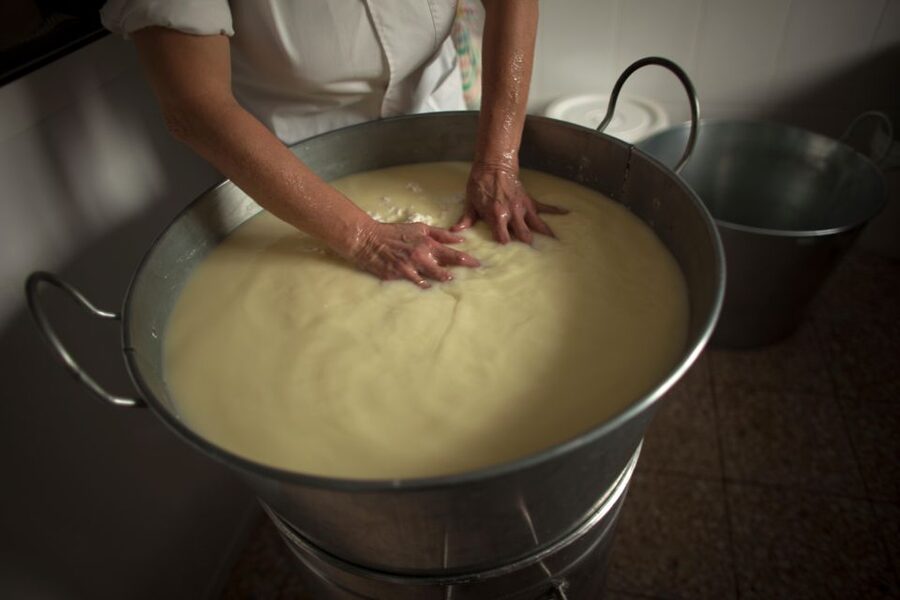
- Pecorino demo with real numbers: you see how 50 liters of milk turns into two cheese wheels.
- Ricotta + clear comparisons: you’ll learn what makes Sardinian pecorino distinct from Roman pecorino.
- The mold step makes sense: the guide explains why mold is beneficial and what happens when it comes out.
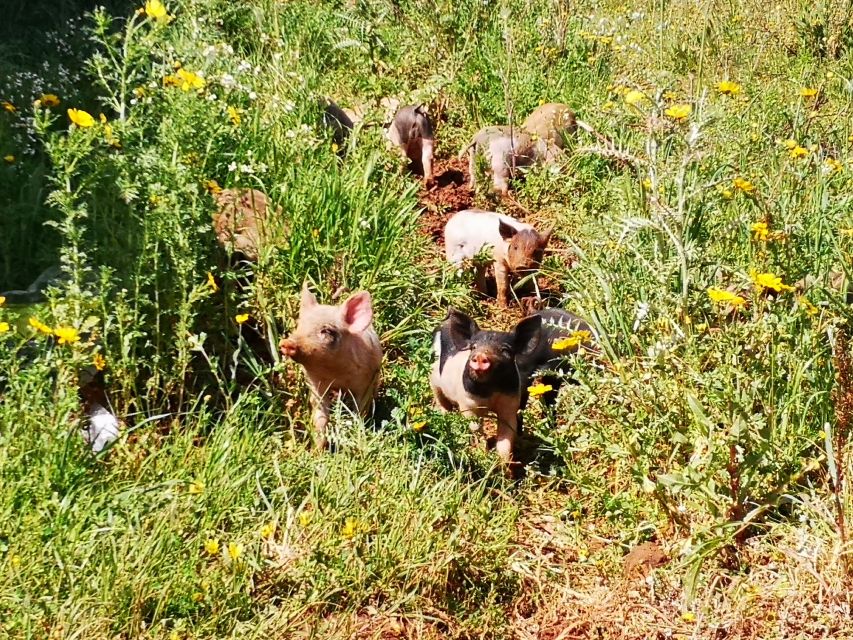
- Farm tour beyond the kitchen: pigs, horses, grain fields, and vineyards are part of the story.
- Lunch tied to production: tagliere, a grain-based first course, and wine from the vineyard.
From Cagliari Pickup to Su Sorgiali: A Day Trip That Feels Like Food Country
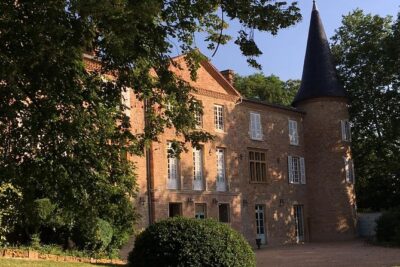
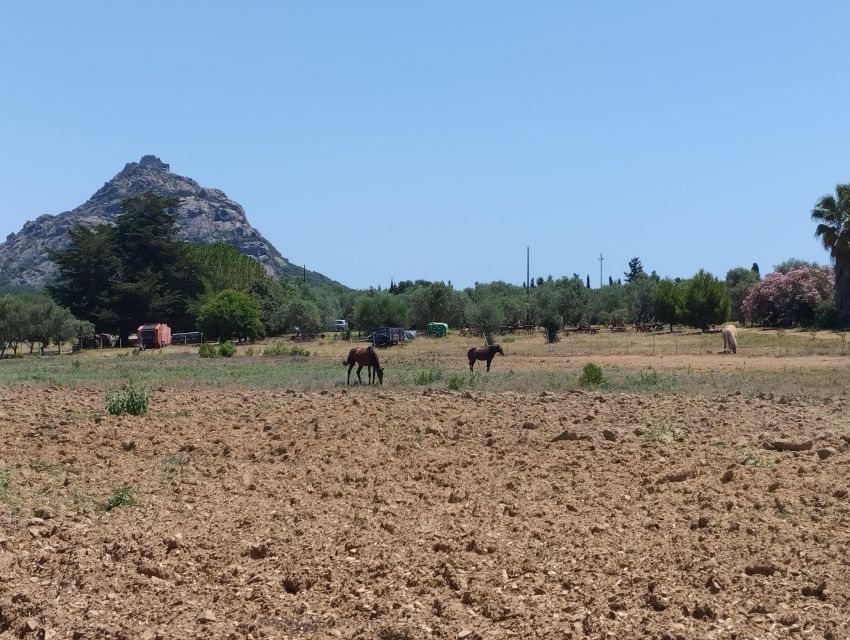
This tour is built for a smooth half-day-plus-outing style: you’re picked up in Cagliari and driven to the Su Sorgiali area near Siliqua. The vehicle is air-conditioned, and you’ll be with a private group, which usually means fewer distractions and more time to ask questions as the process happens.
The big value here is that the drive isn’t just transportation. It sets the tone: you’re going from city routines into the working rhythm of a farm, where smell and sounds come before any tasting. You’ll also want comfortable shoes, because even the guided parts involve walking around farm areas.
You can also read our reviews of more tours and experiences in Cagliari.

Watching Pecorino Take Shape: Milk, Shepherd Skills, and the Two-Wheel Moment
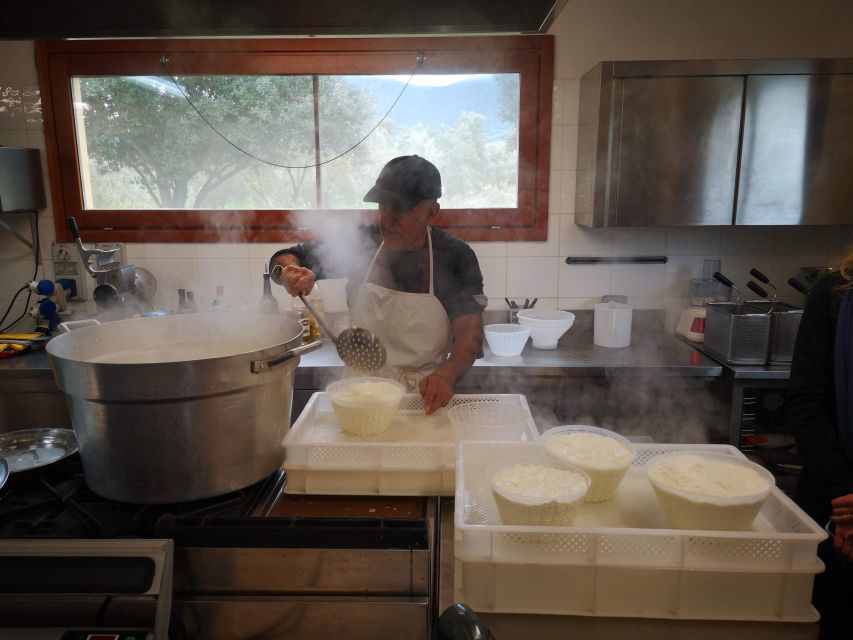
The main event starts with a cooking class and food tasting at Su Sorgiali. Rather than treating cheese as a finished product, the day focuses on how pecorino is actually made—tied to the shepherd’s role and the routines of a working operation.
One moment that really lands is the 50-liter-to-two-wheels detail. Seeing that kind of conversion helps you understand why good pecorino isn’t a quick factory item—it’s labor, timing, and attention. It’s also a useful mindset shift for you: instead of asking, what does it taste like, you start asking, how did it become what it is.
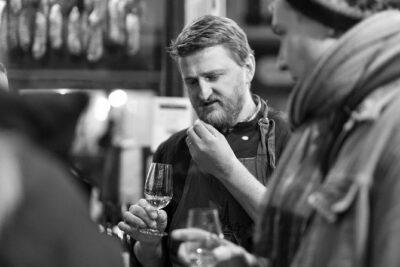
You’ll also be learning as you go, including how the process turns into something worth tasting. In real working farms, tasting isn’t always formal, and this tour leans into that: you get to experience the flavors while things are still in motion. Some groups also include an extra taste like coffee during the wait between steps, which turns the morning into a proper food rhythm.
What to expect during the demonstration
- You’ll watch the cheese-making flow and hear how the shepherd approaches the milk and timing.
- You’ll get guided explanations as each stage connects to taste and texture.
- You’ll have structured tasting time, so you’re not just watching for hours.
If you’re hoping for a fully hands-on workshop, the wording points more toward observing and tasting than guaranteed participation. You’ll still get plenty of interaction through the guide and the Q&A style explanations.
Ricotta Making, Pecorino Comparisons, and Why Mold Matters
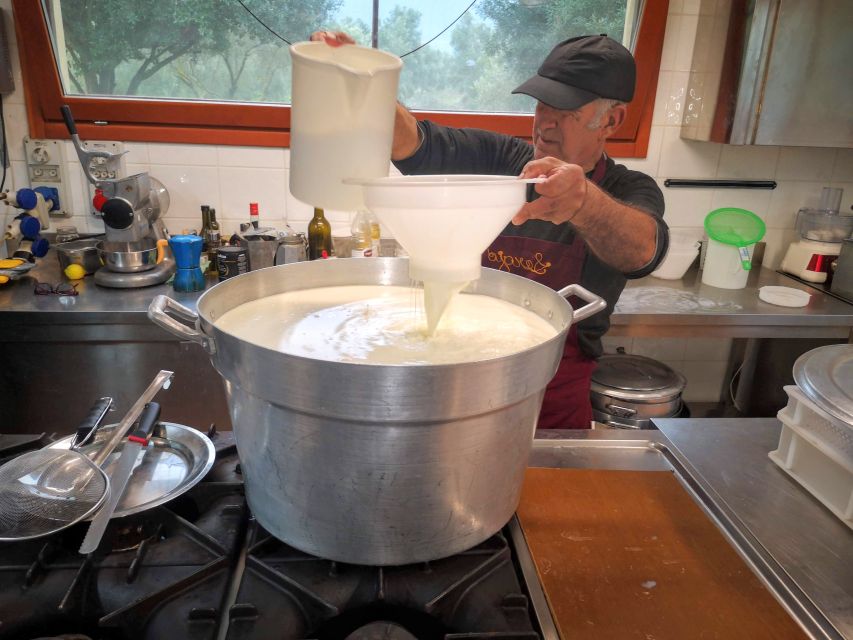
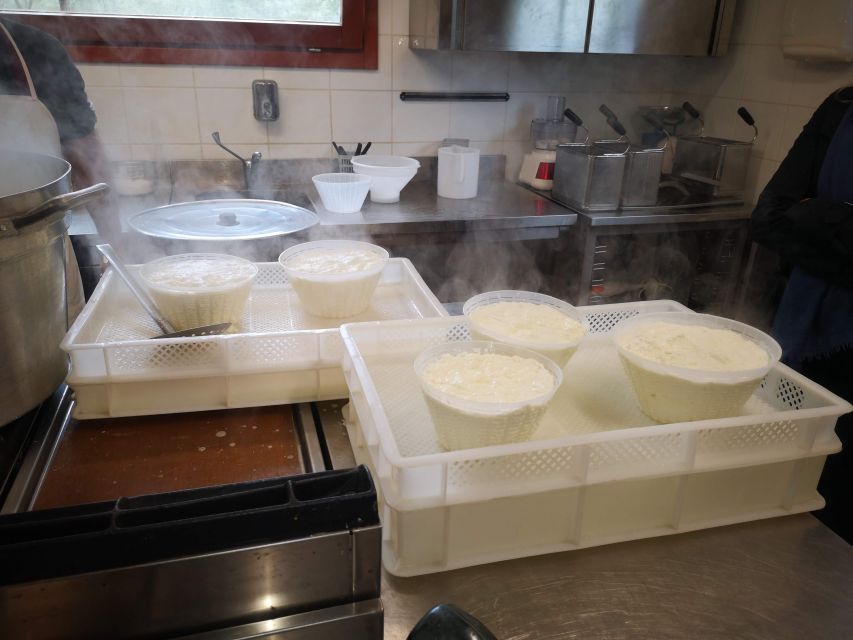
After the pecorino stage, the tour shifts to ricotta production and the differences between Sardinian pecorino and Roman pecorino. That comparison is more useful than it sounds. Many people taste cheeses and then move on. Here, you’ll learn how regional methods and styles influence the final result, so your next cheese plate back home comes with context.
Then comes one of the most interesting lessons: why the mold is good for the cheese and how it comes out. If you’ve ever wondered whether mold is a problem, this is the moment when your question gets answered in practical, farm-based terms. The guide explains the role it plays, and you’ll understand that in certain cheese styles, mold isn’t a flaw—it’s part of the intended aging and character.
This section matters because it connects science-ish ideas to something you can actually sense. You’ll see how the process affects the rind, the development over time, and the flavor direction. Even if you don’t plan to become a cheesemaker, you’ll walk away with a more confident palate.
Su Sorgiali Farm Walk: Pigs, Horses, Grain, Vines, and a Few Friendly Surprises
Once the cheese lessons are underway, you’ll tour the rest of the farm with a guided walk that lasts about 40 minutes. This is where the day stops being only about eating and starts being about farming as a system.
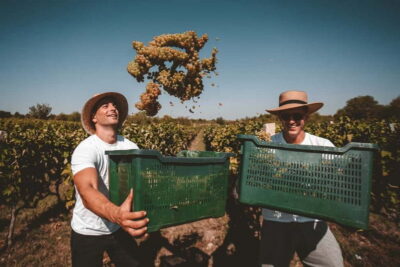
You’ll see pigs and horses, and you’ll also visit the practical side of production: grain fields and a vineyard. The vineyard detail becomes extra meaningful later, because lunch includes wine from the estate.
Some farm moments can be playful too. Groups have described memorable animal encounters like geese that are far more vocal than you’d expect, plus other farm animals spotted during the walk. Don’t count on a specific animal showing up on every schedule, but do expect a lively working environment where you’ll feel close to the day-to-day.
Why this farm walk is worth your time
- It shows you the food chain behind the lunch, not just the final cheese.
- It gives you a fuller sense of Sardinian rural life in one compact stop.
- It helps you connect what you tasted with what the farm grows and raises.
Lunch at the Farm: Tagliere, Grain-Based First Course, and Vineyard Wine
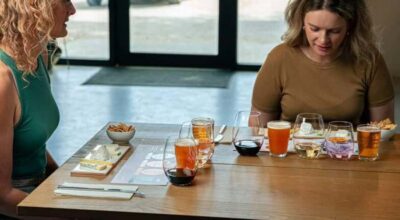
Lunch is built around a tagliere with cheese and cold cuts produced by the farm, plus a first course made with grain grown on-site. And yes, wine is included, and it comes from the vineyard tied to the farm you visited.
What I like about this setup is that it doesn’t treat lunch as a separate event. It’s a continuation of the lessons. Once you’ve watched milk become cheese and learned why mold is part of the style, the tagliere becomes more than a platter—it becomes a tasting lesson with your brain turned on.
Some groups describe the meal as a longer, multi-part spread—often closer to a five-course feel—rather than one quick plate. That extra pacing usually means you can eat without rushing, talk with your guide, and revisit flavors in order rather than all at once. You may also get homemade bread and sweets as part of the overall lunch experience, which makes the meal feel more celebratory than purely practical.
Practical lunch tips
- Come hungry. The cheese and tasting parts add up, and lunch is the payoff.
- If you’re curious about specific differences you learned (like Sardinian vs Roman pecorino), ask before you dig in.
- Plan to enjoy wine with food. It’s part of the intended pairing, especially with cold cuts and cheese.
Price and Value: What $305.87 Covers (and Why It Can Still Feel Like a Deal)
At $305.87 per person for a 6-hour private experience, this isn’t a budget activity. The value comes from what’s included and how much you actually get in one outing.
Included basics are the big ones: lunch, transportation by air-conditioned vehicle, and entrance fees. Then you’re also paying for access to a working farm setting, guided explanations in English and Italian, and the core demonstration that turns milk into cheese. The 2.5-hour cooking class and tasting time plus the guided farm walk plus 1.5 hours for lunch means you’re not just stopping for a sample. You’re getting a full production-to-plate day.
The pecorino-to-ricotta instruction also raises the value. Watching both cheeses made—and then tasting with context—tends to beat a simple tasting session in terms of satisfaction. This is especially true if you care about food culture rather than only collecting flavors.
The one caution is timing. Because it’s designed as a 6-hour schedule, you won’t have an open-ended day to roam independently. If you want maximum free time outdoors on your own, you may prefer a self-driven itinerary. If you want an organized day that links learning and eating, this price starts to make sense fast.
Best Fit: Who Will Enjoy This Cheese-Making Day
This tour suits you if you like food that has a story. It’s a strong match for cheese lovers, couples, and small groups who enjoy seeing how things are made and then eating those results. If you’re the type who reads menus and asks how ingredients connect, you’ll appreciate the pace and structure.
It’s also a good option if your trip planning leans toward authenticity over “sightseeing checklists.” Instead of bouncing between landmarks, you get a working farm day that’s practical, grounded, and clearly local to Sardinia.
Because the guide is available in English (and Italian as well), language won’t slow you down. And because it’s private, you’re less likely to feel like you’re standing in the back of a big group while the important details happen.
Should You Book This Cagliari-to-Su Sorgiali Cheese Tour?
Book it if you want a real working-farm experience with an educational cheese-making demonstration, a guided farm walk, and a lunch that’s tied directly to what’s produced there. The 50-liter scale lesson, the pecorino vs Roman comparison, and the explanation of why mold is part of the cheese style are the kinds of details you’ll remember when you taste Sardinian cheeses later.
Skip it if you’re only casually interested in cheese and you’d rather spend the day with more free-form exploring. Also, if you hate standing or walking around farms, you’ll want to be mindful—this is comfortable-shoes territory, even with a short guided route.
If you go in hungry, bring comfortable shoes, and enjoy learning through tasting, this is one of those Sardinia days that turns food into a memory.
FAQ
How long is the cheese making and tasting tour?
The tour lasts 6 hours.
Where does the tour start and end?
Pickup and the tour start are in Cagliari, and the day ends with your return to Cagliari.
What’s included in the price?
Lunch is included, along with transportation in an air-conditioned vehicle and entrance fees.
What languages are the live guides?
The live tour guide is available in English and Italian.
What should I bring?
You should wear comfortable shoes.
Does lunch include wine?
Wine is included with lunch, and it comes from the vineyard.