REVIEW · FORMIGINE
Formigine: Parmesan cheese tour with full tasting
Book on GetYourGuide →Operated by Azienda Agricola Moscattini · Bookable on GetYourGuide
Parmesan starts as milk, not magic. This Emilia-Romagna farm tour shows Parmigiano Reggiano production end to end, then sends you to a full tasting. You’ll walk through the cheese-making rooms and finish with a proper sit-down food experience.
I like how personal it feels, since it’s run as a family business. I also love the care they put into animal welfare, from nutrition and health to what you can see about the cows.
One thing to consider: this is not a fit if you have gluten intolerance or animal allergies, and the best cheese-moment timing is morning (you can see the raising of freshly made wheels until 9:00 a.m.).
In This Review
- Key highlights you should know
- Parmigiano Reggiano starts with a dairy farm mindset
- Arriving at Azienda Agricola Moscattini: warm welcome, then straight to the good stuff
- Step-by-step cheese making: curds, wheels, and why timing matters
- The first days: resting room, brining, and the flavor-building waiting game
- Scalere aging: the warehouse smell is part of the experience
- Optional barn stop: cows, point 0, and newborn calves
- The tasting: three ages, wine or balsamic, plus tigelle and meats
- Wine, balsamic, and the role of pairing
- Where the tour delivers real value for $39.86
- Timing, what to wear, and who will enjoy it most
- Should you book the Parmesan cheese tour at Moscattini?
- FAQ
- Where does the tour start and end?
- How long is the tour?
- What’s included in the tasting?
- Is coffee included?
- Does the tour include wine and balsamic?
- What languages is the guide available in?
- Is this tour wheelchair accessible?
- Can I see milking and newborn calves?
- Is this tour suitable for vegans, gluten intolerance, or animal allergies?
- Is there free cancellation?
Key highlights you should know
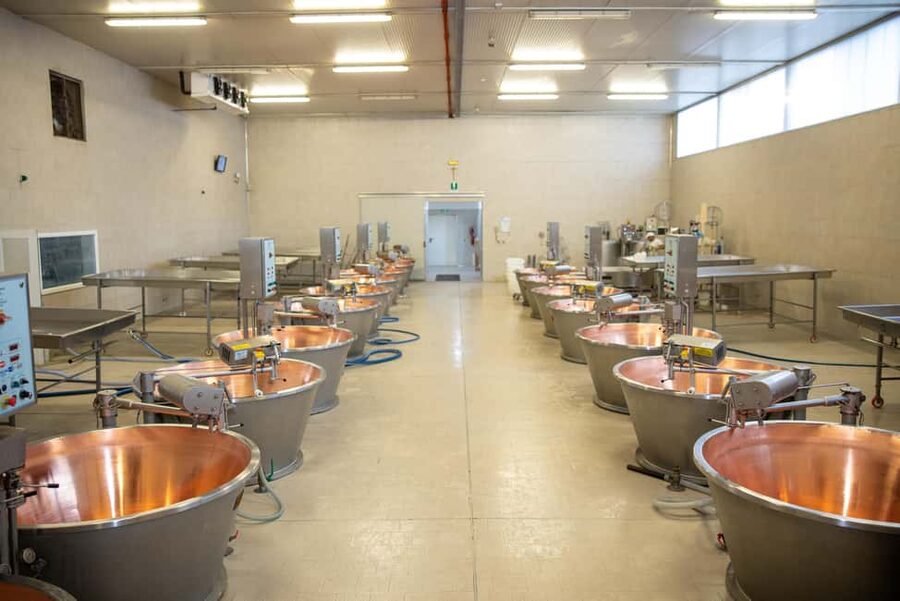
- Copper cauldrons to curds: see milk turning into cheese, with close attention to how it’s handled
- Fresh wheels, early rest, then brine: understand what happens in the first days and what brining does
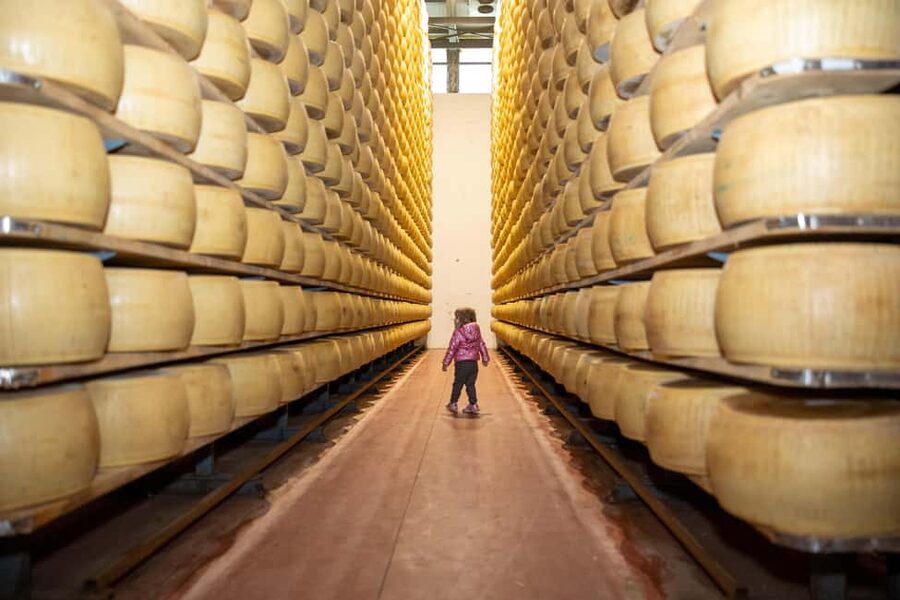
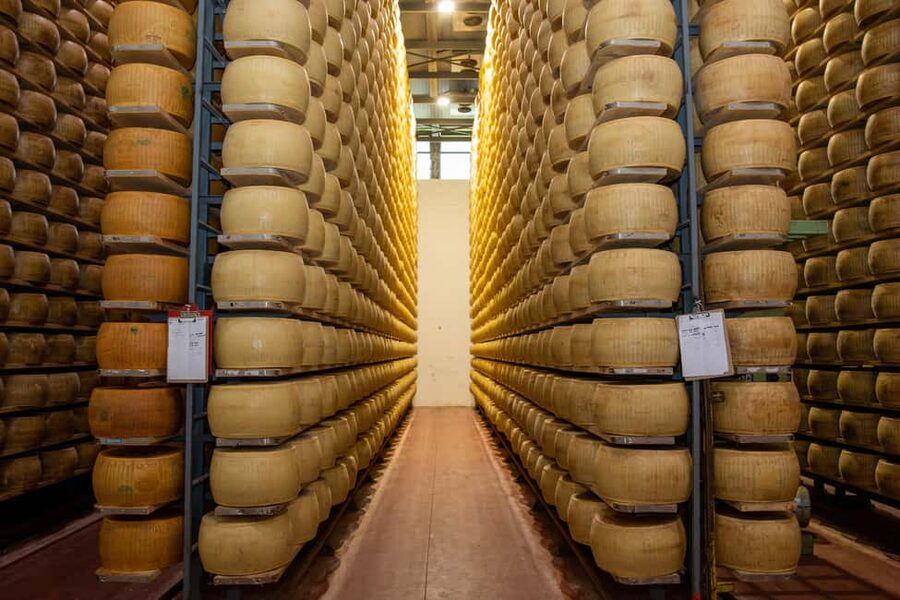
- Scalere aging shelves: visit the warehouse where wheels mature on wooden racks
- Optional barn stop for point 0: if you want it, you can see milking, cow feed, and newborn calves
- Full tasting like a meal: three ages of Parmigiano paired with wine or balsamic, plus tigelle and sliced cured meats
- Ask questions while things are happening: the guide stays with you during tastings and answers your questions
Parmigiano Reggiano starts with a dairy farm mindset
This tour doesn’t treat Parmesan like a souvenir product. You’re shown a working farm system: cows, feeding, daily production, and aging. That matters, because when you understand the workflow, the tasting makes more sense fast.
The farm calls out animal welfare directly, and that shows up in the way the visit is explained. You’re not just looking at equipment. You’re getting the reasons behind the routine, from nutrition and health to the handling of milk and wheels. If you care about food that comes with a story you can verify with your eyes, you’ll feel at home here.
Arriving at Azienda Agricola Moscattini: warm welcome, then straight to the good stuff
Your visit starts at the farm store at Azienda Agricola Moscattini. You’ll check in with staff there and show your reservation proof on your phone screen—no printing needed.
The store is more than a pickup point. It sets the tone. You’re welcomed, you’re oriented, and you’re told what you’ll see and how the day’s flow works. Then you return later for tasting and any shopping you want to do.
If you like tours that don’t rush you, this one has a calm rhythm. You’re given time to understand what you’re seeing, not just to click photos and move on. And you can usually ask questions while the guide is walking you through each step.
Step-by-step cheese making: curds, wheels, and why timing matters
After the initial welcome, you move through the production areas. This is where the tour earns its place for food lovers: the machinery is big, the process is visual, and the guide connects each stage to the final flavor.
You’ll be able to admire the large copper cauldrons where the milk is turned into curds. Watching that transformation is fascinating because it explains the part most people skip. Parmesan flavor doesn’t start as a taste. It starts as curds, cut and handled with care, and then shaped into wheels.
A neat detail: until 9:00 a.m. you can see the moment of raising freshly made wheels from the boilers. If you’re the type who wants the freshest, most active part of production on your visit, aim for a morning start time. If you arrive later, you’ll still see the process, but you might miss that particular moment.
The first days: resting room, brining, and the flavor-building waiting game
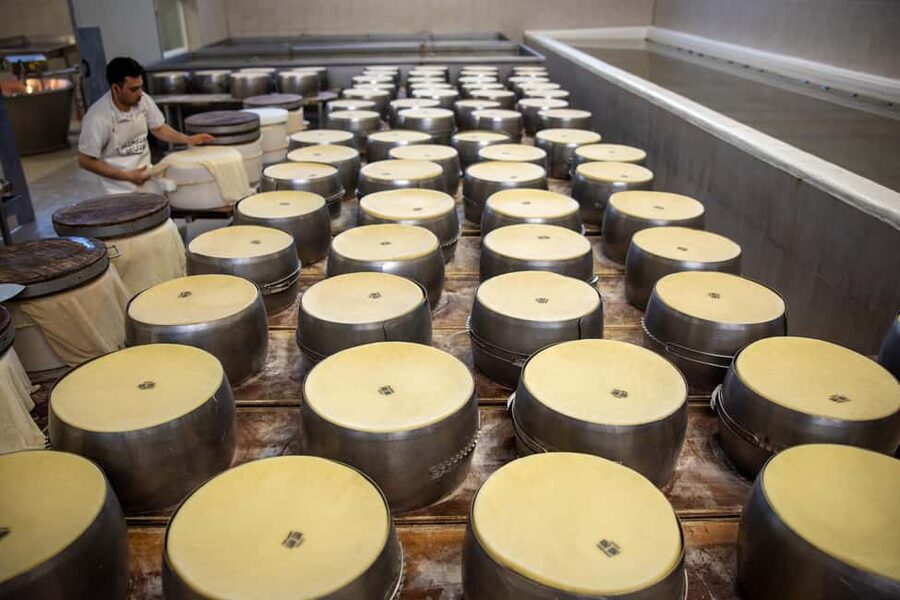
Next, you move on to the stage after the wheels are formed. You’ll see the room where the wheels rest during their first three days after production. This early resting period is important because it sets up what comes next—brining—and helps develop the conditions the cheese will age in.
Then you learn how the wheels are brined for weeks. Even if you don’t taste during this part, you’ll understand that brining isn’t a quick rinse step. It’s part of what gives Parmesan its character over time.
This section is a good reminder that “aging” isn’t just storage. It’s a controlled process that changes the cheese as time passes. If you’ve ever wondered why some Parmesan tastes sharper or more rounded than others, this is the part that starts answering that question.
Scalere aging: the warehouse smell is part of the experience
Then you get to the warehouse where the cheeses age on wooden shelves called scalere. This is the part many people remember, because the sensory impact hits immediately. You’ll see wheels lined up in organized rows, and the smell is intense—very Parmesan-forward.
A big value here is the explanation. The guide explains why aging matters and how the cheese’s flavor develops over time. It turns that strong odor into something logical instead of just overpowering. You get to connect what’s sitting in the warehouse today with what you’ll taste later in three different ages.
If you’re into food photography, this is also where you’ll likely get some of your best shots. The visual rhythm of wheels on wooden racks looks real, not staged.
Optional barn stop: cows, point 0, and newborn calves
Once you finish visiting the dairy of your choice, you can decide whether to go to the barn for what they describe as point 0 of processing—where milking takes place.
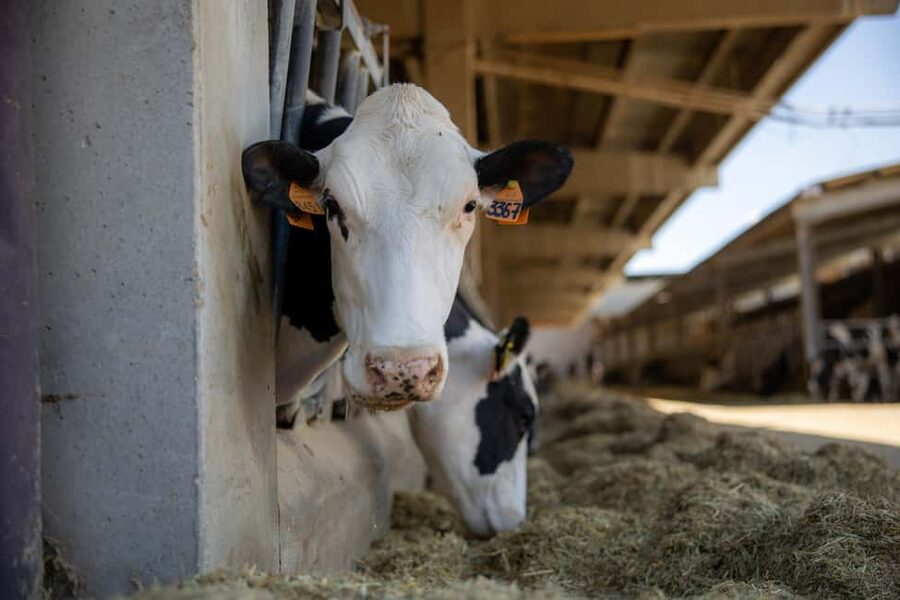
In the barn area, you can see milking, what the cows eat, and meet newborn calves. This is the part that makes the tour more than a cheese lecture. You’re connecting the product to the animals and their routine.
One caution: this isn’t suitable for people with animal allergies, so if that’s you, skip this tour. Also, the tour rules forbid riding the animals, and there are limits around things like climbing, bare feet, and littering—so expect a straightforward, farm-safety kind of visit.
The tasting: three ages, wine or balsamic, plus tigelle and meats
The tasting is where all the earlier walking pays off. When you sit down with food, you get to taste the differences you saw explained in the production rooms.
Included in the tasting are:
- Parmigiano Reggiano in three different ages
- water
- wine (or soft drinks for minors, or wine alternatives upon request)
- tigelle, plus sliced cured meats
- pairing with local wine or balsamic vinegar
This pairing setup is smart for your palate. Different ages behave differently on the tongue. Younger Parmigiano tends to taste more delicate and milky. Older ages shift toward deeper, sharper notes. By trying multiple ages back-to-back, you stop guessing and start recognizing.
And the food sides matter. Tigelle (crescentine) and local Modenese bread give you texture and a base that makes cheese flavors easier to compare. Cured meats add salt and savoriness, which can make the Parmesan nuances pop even more.
A practical tip: pace yourself. With multiple cheeses, it’s easy to rush into the strongest one and miss the progression. I’d take a few bites, pause, then go back for a second pass with a slower rhythm.
Also, there’s a nice touch from the way the tasting is handled: guides stay available during tastings for questions. If you want to ask why one age tastes more intense or why brining affects flavor, you’ll have time to ask. That turns tasting into learning, not just eating.
Wine, balsamic, and the role of pairing
Not every food pairing teaches you something. Here, the pairing feels tied to the regional culture. You’ll have wine or balsamic vinegar alongside the tasting, and it’s clear they’re aiming to show how Parmesan works with local flavors.
Wine tends to highlight dairy richness and helps clean your palate between cheese bites. Balsamic can add a darker, tangy sweetness that contrasts with saltiness. Either way, it gives you a new angle on the same product.
If you don’t drink alcohol, ask for soft drinks as noted for minors or upon request. You’ll still get the core tasting experience.
Where the tour delivers real value for $39.86
At $39.86 per person for about 1.5 hours, this tour can feel like a steal when you remember what’s included. You’re getting a guided walk through production and aging, plus a tasting that is effectively a full meal: multiple cheeses, tigelle, sliced cured meats, water, and wine or an alternative.
The real value is the combination. A lot of food tours offer either views of production or just tasting. This one gives you both, and it also explains the why behind stages like early resting and brining, then ties it back to what you taste.
If you’re comparing to other experiences that charge similar money but give you only a short look at aging rooms, the time here feels purposeful. You’ll see the copper cauldrons, the rest room, the brining stage explanation, the scalere warehouse, and then you’ll taste three ages without missing the connection.
Timing, what to wear, and who will enjoy it most
This tour runs for 1.5 hours and has starting times that depend on availability. The early-morning raising of wheels until 9:00 a.m. is the one timing detail that can change what you see. If you book later in the day, don’t worry—you’ll still see a lot—but that specific moment may not be included at your start time.
Wear comfortable shoes. You’re in working farm spaces, and you’ll be moving between rooms. Bring your appetite too—this tasting is not a tiny sample plate.
Who it’s best for:
- You want real food production, not just a tasting room
- You like animals and farm life, and you can safely participate
- You enjoy learning how age changes flavor
Who should think twice:
- Vegans (not suitable)
- People with gluten intolerance (not suitable)
- People with animal allergies (not suitable)
Should you book the Parmesan cheese tour at Moscattini?
If you’re even mildly obsessed with cheese, I think it’s an easy yes. The production-to-tasting flow is strong: you see the steps that create Parmesan, then you eat the results while the guide is there to answer questions. The family-farm feel and the clear focus on animal welfare make it more grounded than a typical quick food stop.
Book it especially if you want a meal-style tasting with wine or balsamic, plus a tour that shows what aging on scalere shelves looks like in real life. Skip it if you can’t handle gluten or have animal allergies, because that’s not negotiable here.
Overall: for the price, you get a real farm visit with a full flavor lesson at the end. That combination is hard to beat in Emilia-Romagna.
FAQ
Where does the tour start and end?
You’ll start at the farm store at Azienda Agricola Moscattini. The activity ends back at the same meeting point.
How long is the tour?
The duration is 1.5 hours.
What’s included in the tasting?
The tasting includes Parmigiano Reggiano of 3 different ages, water, wine (or soft drinks for minors or upon request), tigelle, and sliced cured meats.
Is coffee included?
No. Coffee is excluded.
Does the tour include wine and balsamic?
Wine is included with the tasting, and local wine or balsamic vinegar are part of the pairing. Soft drinks are available for minors or upon request.
What languages is the guide available in?
The tour is offered with a live guide in English and Spanish.
Is this tour wheelchair accessible?
Yes, it is wheelchair accessible.
Can I see milking and newborn calves?
You can decide to go to the barn after the dairy visit to see milking, what the cows eat, and newborn calves.
Is this tour suitable for vegans, gluten intolerance, or animal allergies?
No. It’s not suitable for vegans, people with animal allergies, or people with gluten intolerance.
Is there free cancellation?
Yes. You can cancel up to 24 hours in advance for a full refund.