REVIEW · HUNTER VALLEY
Hunter Valley: Tulloch Wines Mystery Wine & Cheese Tasting
Book on GetYourGuide →Operated by Tulloch Wines · Bookable on GetYourGuide
Six glasses, one guess game, and cheese you’ll finish. This Tulloch Wines mystery tasting mixes wine education with a fun challenge: taste, guess, then get the story behind what’s in your glass—plus local cheese and charcuterie to keep things interesting the whole way through. I love that the format gives you a clear way to taste (not just sip), and I also love how generous the food pairing is for a one-hour stop. The only catch I’d flag is time: it’s built for about 1 hour, so it’s not the slow, lingering kind of tasting.
You’ll sit in a private, seated setup while an English-speaking wine educator guides you step by step. You’ll also get a take-home wine experience guide, which matters because it turns your tasting into something you can repeat at home. One more consideration: if you’re not into competition or guessing games, you might find the challenge part a little extra.
In This Review
- Key highlights worth clocking before you book
- Mystery tasting at Tulloch: how the game actually helps
- The full tasting rundown: what happens in your 1 hour
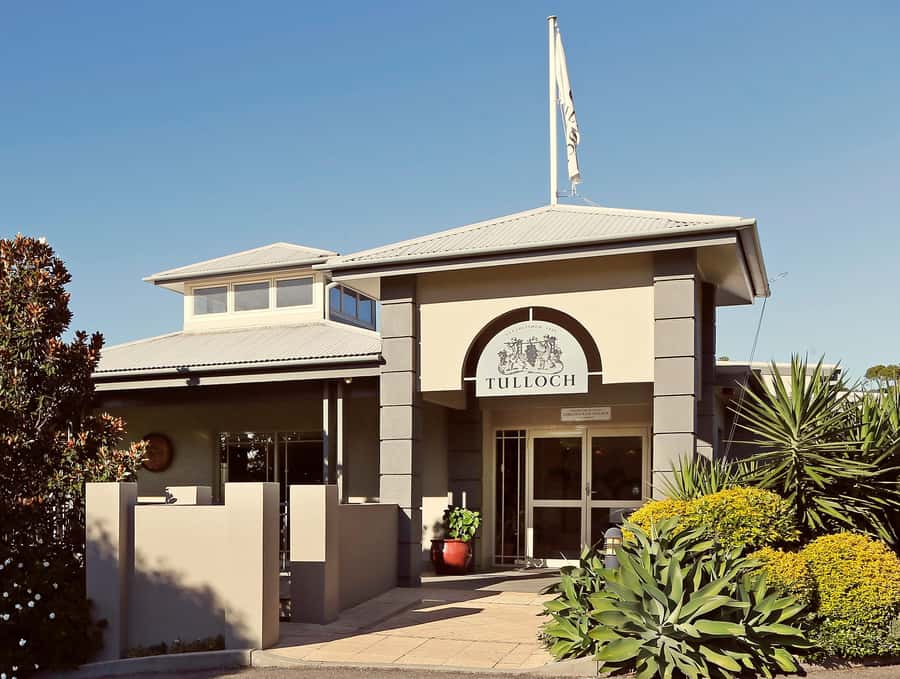
- Stop 1: arriving at Tulloch Wines
- Stop 2: the tasting with cheese and charcuterie
- Stop 3: finishing the tasting
- What you actually taste: Tulloch wines plus smart pairing
- The tasting mat and educator: a plan beats guesswork
- Timing tip that matters: don’t pick the last slot
- Price and value: what $37 buys you (and why it’s fair)
- Who this suits best (and who should choose another option)
- Family add-ons: how kids and teens join in
- Kids Junior Tasting (age 3–12)
- Teens Kombucha Tasting (age 13–17)
- Should you book the Tulloch Mystery Wine & Cheese Tasting?
- FAQ
- How long is the Tulloch Wines Mystery Wine & Cheese Tasting?
- What is included in the tasting price?
- Do I need to be 18+ to participate?
- Can kids join the experience?
- What drinks are provided for teens?
- What time should I arrive?
Key highlights worth clocking before you book
- 6-wine mystery flight: taste through the Tulloch range and try to name each one
- Tasting mat guidance: use your own mat as a practical checklist while you smell and sip
- Cheese + charcuterie board: a generous local spread made for pairing
- Educator-led, seated experience: you stay at your table while the learning happens
- Take-home guide: helpful details so your guesses turn into real labels
Mystery tasting at Tulloch: how the game actually helps
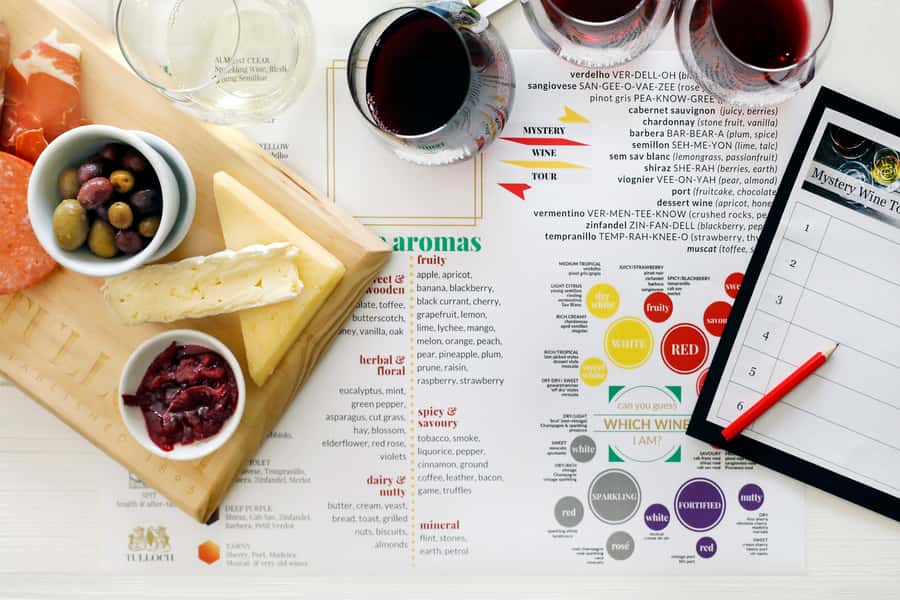
This tasting is built like a friendly puzzle. You’re handed six Tulloch wines one after another, and you’re challenged to guess what each one might be. The point isn’t just to win the group scoreboard; it’s to train your senses to notice what matters—colour, aroma, and taste—so the next time you’re choosing wine, you do it with confidence.
That’s why the format works even if you’re new to wine. Instead of being told what to like, you get permission to think. Take a moment before each pour. Look at the colour. Smell with intention. Then taste and compare what you notice against what you think the wine should be. The educator stays on hand to help you make sense of what you’re experiencing, so you’re not left guessing in the dark.
There’s also a light competitive edge. Your group is encouraged to compare answers and see who lands the most correct identifications. It’s not intense, but it keeps the hour feeling lively instead of lecture-like.
And because it’s seated, you’re not bouncing around trying to juggle food, notes, and conversation. You’re just working through your flight at your own pace, with the mat there to help you get your bearings fast.
You can also read our reviews of more tours and experiences in Hunter Valley.

The full tasting rundown: what happens in your 1 hour
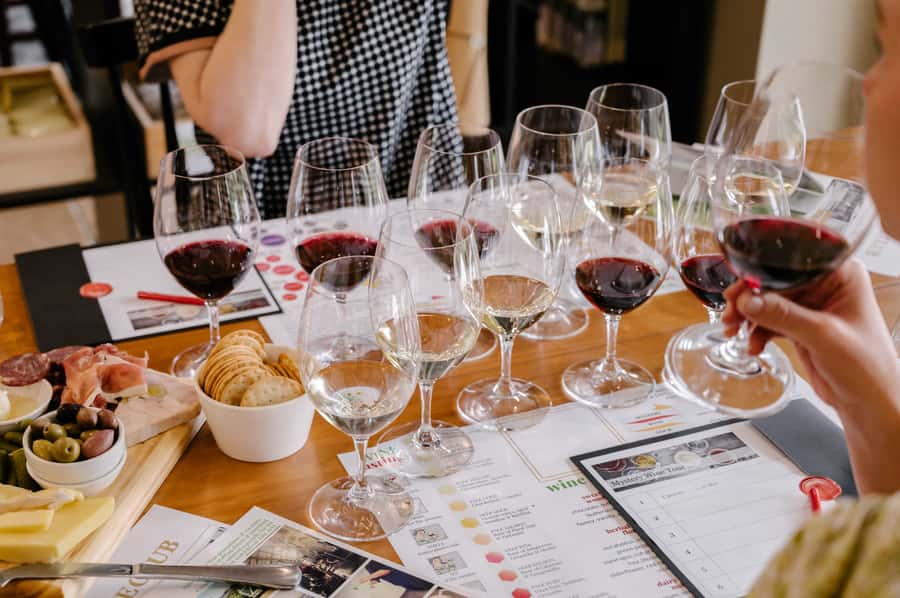
The experience starts at Tulloch Wines and keeps things simple: you’re seated, introduced, and then you move through the flight with a dedicated educator at your side.
Stop 1: arriving at Tulloch Wines
You’ll want to arrive about 10 minutes early so you can settle in. Once you’re seated, expect a quick introduction so you know what you’re tasting for and how the guessing part works. This is where the educator sets expectations and gets you ready to use your senses like a tool—not just a vibe.
Stop 2: the tasting with cheese and charcuterie
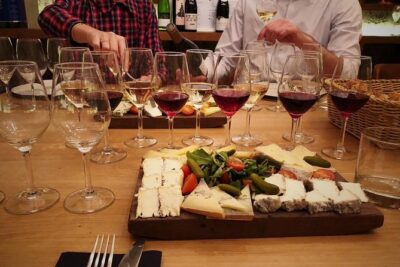
This is the part where the experience feels complete. As you taste, you also get a generous local cheese and charcuterie board at the table. That matters because cheese and cured meats change how wine tastes. Salt, fat, and texture all shift the way aroma comes through, so you’ll likely notice your guesses feel easier (or harder) as the food pairing kicks in.
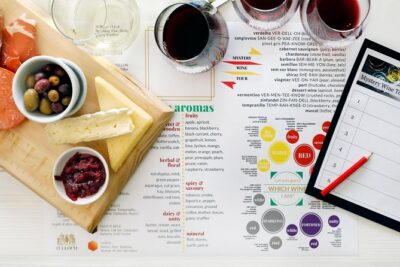
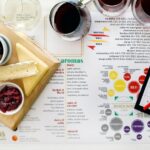
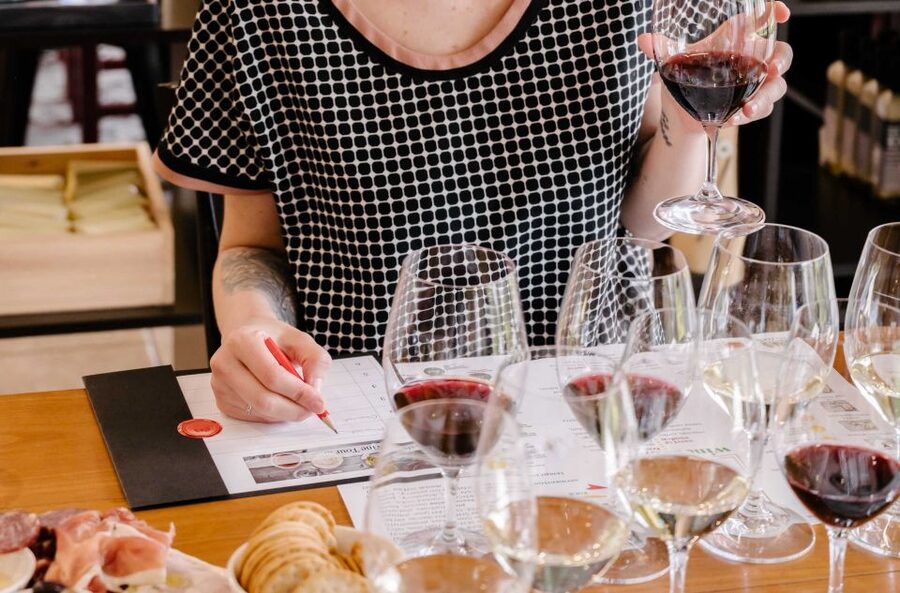
You’ll sample the six wines in the Tulloch range, working through each one on your tasting mat. Think of the mat as your prompt card: it helps you stay consistent so your notes aren’t random impressions.
And yes, you’ll be competing in a friendly way with the rest of your group. The good part is that the educator can steer you when you’re stuck, so even if you miss a few, you still leave with clear takeaways.
Stop 3: finishing the tasting
The remaining time is about continuing through the last pours and solidifying what you learned. Since the whole session is around an hour, the pacing is tight but not rushed in a chaotic way. You’ll get through the flight and the pairing, then you move toward wrap-up.
The final value boost here is the take-home wine experience guide. It’s not just marketing fluff; it gives you a way to remember what you tasted and what you were meant to notice.

What you actually taste: Tulloch wines plus smart pairing
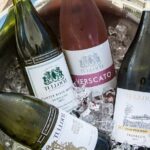
You won’t be tasting just one style. The experience is designed around a range of Tulloch wines (six total), with enough variety to give your senses something to compare. The mystery format works best when there’s contrast between pours—so you can look for differences in aroma and flavour, not just label a single taste you happen to like.
Then comes the part food lovers will appreciate: the tasting includes local cheese and charcuterie, not a token snack. The board is built to pair with wine, which is practical because it helps you understand what wine-food pairing means in real life. When you eat, you’re not just filling up. You’re testing how your palate reacts.
If you tend to think you’re only a red-wine or only-a-white-wine person, this tasting format can be a quick reality check. You might realize you like a wine more than you thought once cheese brings out certain notes. Or you might discover you prefer lighter wines when the food is richer. Either way, you’ll walk away with clearer instincts, not just a satisfied stomach.
The tasting mat and educator: a plan beats guesswork
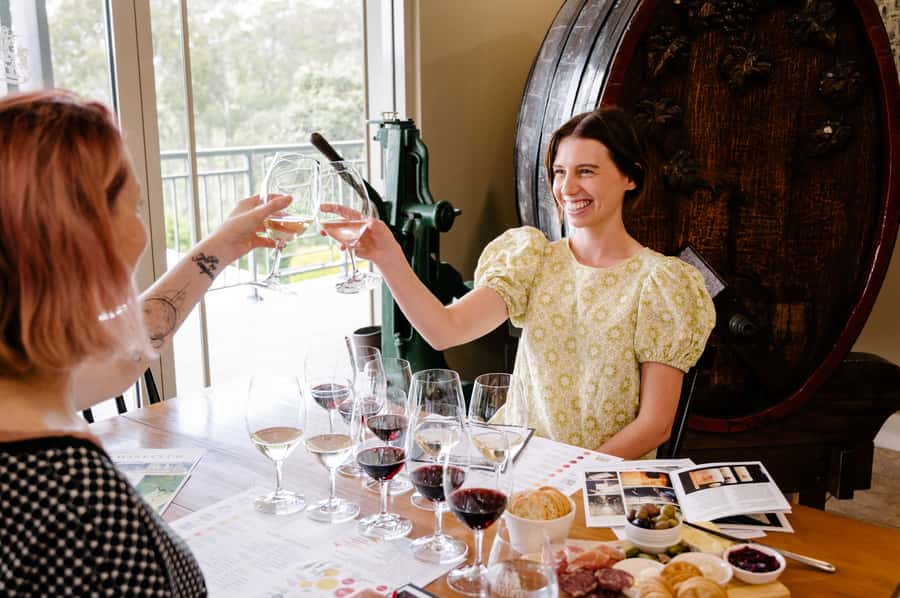
A big reason this works is that it’s not guesswork without support. You get an individual tasting mat, and the educator uses it to help you pay attention in a structured way. That’s a comfort if you’ve ever felt intimidated at tastings, where people seem to know exactly what they’re doing.
Instead of trying to remember everything, the mat keeps you focused: smell first, then taste, then decide. It also gives you a way to make your guessing less emotional. You’re responding to what’s in front of you.
The educator also adds context that turns your guesses into learning. Based on the information you’re given during the tasting, you’ll understand the wines better by connecting your sensory impressions to what the wine actually is. The result is that the experience feels like progress, not just consumption.
And because the experience is seated and private, you get more of the educator’s attention than you would in a big walk-around group setup. Even if you have basic wine questions, you’ll have a real chance to ask them.
Timing tip that matters: don’t pick the last slot
One practical lesson I’d pass on: choose your start time wisely. If you book late in the day, you can end up feeling rushed afterward, especially if you were hoping to keep exploring at a comfortable pace. For example, if a tasting runs at a time that leaves you with little room to linger, you might have to plan your next stop tightly.
If you can, aim for earlier in the day. That way, your brain stays fresh for the tasting and you still have energy left for the rest of your Hunter Valley day—whether that means another cellar visit, a meal, or just slow scenery time.
This is also just good travel logic. Wine tastings take mental energy. If you stack them back-to-back with long drives and big plans, you’ll remember less. Give this one a clean runway.
Price and value: what $37 buys you (and why it’s fair)
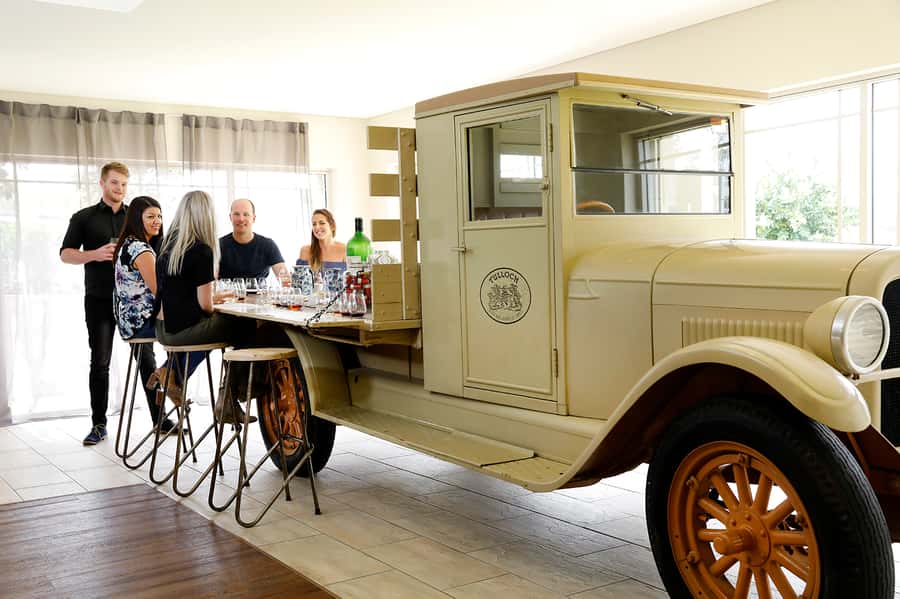
At $37 per person, this is priced like a true tasting experience, not like a quick pour-and-go. You’re paying for:
- Six Tulloch wines to taste
- A generous local cheese and charcuterie board
- Educator-led guidance during your seated session
- An individual tasting mat to help you taste properly
- A take-home wine experience guide
The value is in the package. If you were buying wine separately, the cost would usually add up fast, and you wouldn’t get the learning tool (tasting mat + educator coaching) that helps you understand what you’re tasting. The cheese board also isn’t an afterthought. It’s part of how the tasting is meant to be experienced.
One more value point: it’s only about 1 hour, so it’s easier to fit into a day without taking over your whole itinerary. That matters in wine country, where you often spend more time driving than you expect.
And you’ll also know upfront what you’re getting. Wine purchases are not included, but you’ll be in a good position to decide later if you want to take something home.
Who this suits best (and who should choose another option)
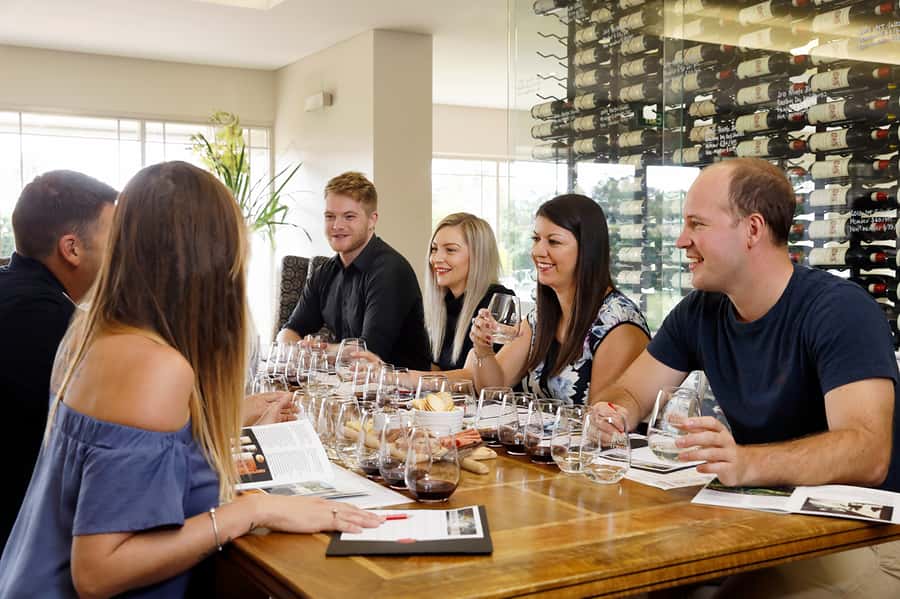
This tasting is a great match if you want a structured, friendly way to learn. You don’t need to be a wine nerd. If you enjoy puzzles, sensory challenges, or just the idea of pairing wine with serious cheese, you’ll likely have a good time.
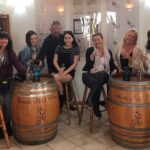
It’s also a solid choice for couples and small groups because it stays seated and private, so it feels relaxed rather than chaotic. If you like having a guide who can explain your guesses after each pour, that’s exactly the setup here.
If you’re booking with kids or teens, there are add-ons designed to keep them involved while you taste. Kids can join a junior tasting with soft drinks and matching snacks. Teens can do a kombucha-focused tasting paired with local cheese.
The main reason to think twice is if you dislike competitive or guessing-style activities. The tasting is built around being challenged to identify the wines. You can still enjoy it if you’re curious rather than competitive, but it’s part of the experience DNA.
Family add-ons: how kids and teens join in
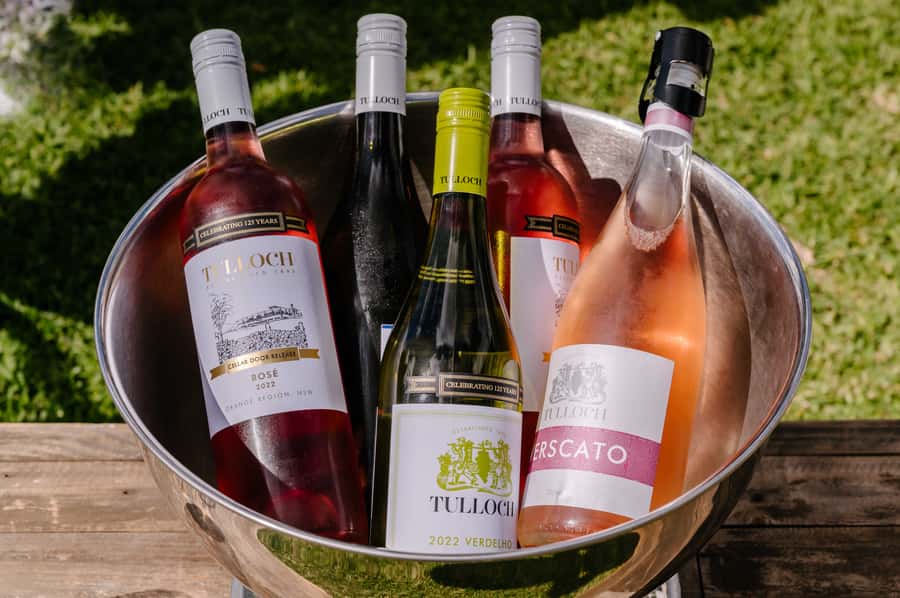
The experience can include youth options as add-ons, but they’re set up to run alongside your adult tasting while keeping them age-appropriate.
Kids Junior Tasting (age 3–12)
Kids do a specially prepared tasting with four soft drinks and four matching snacks. The snacks are noted as nut-free and gluten-free. Children sit at the same table as the adult wine tasting, and they need adult supervision while on site. Infants (0–2) are free of charge if seated in a lap or stroller.
Teens Kombucha Tasting (age 13–17)
Teens can join a kombucha tasting with Mailer McGuire specialty kombucha, paired with a local cheese box. This is designed to let non-drinkers and teen-aged guests be part of the pairing experience.
If you’re traveling with family, it’s worth building your plan around supervision and the fact that the kids are seated at the same table. It’s convenient, but it does mean the experience has a shared table energy.
Should you book the Tulloch Mystery Wine & Cheese Tasting?
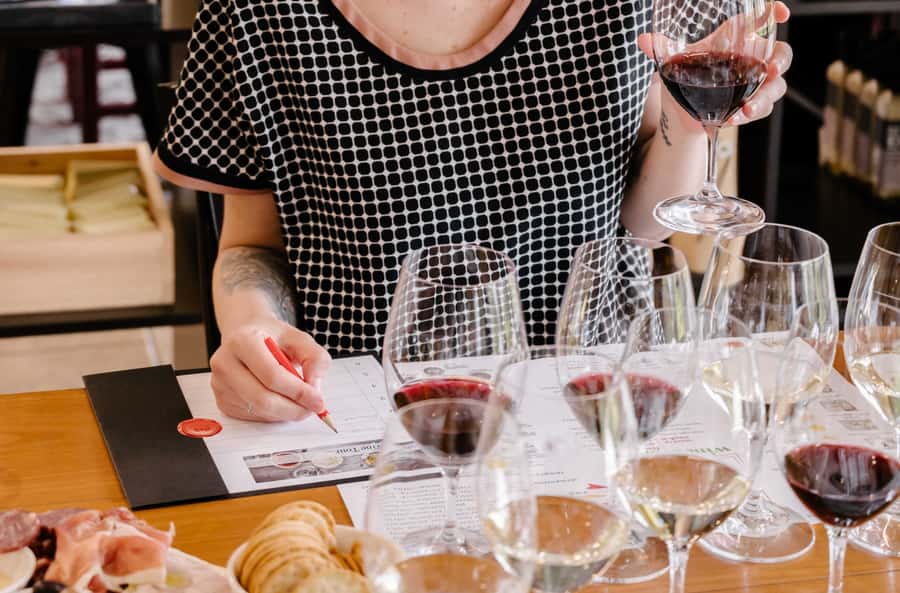
I’d book it if you want a one-hour wine experience that’s more than passive sipping. The combination of six wine tastings, a guided mystery guessing format, and a generous local cheese and charcuterie board makes it feel like real value, not a watered-down sampler.
It’s also a strong choice if you want to learn by doing. The tasting mat and educator support help you turn “I think I taste something fruity” into clearer reasoning. And the take-home guide gives your learning somewhere to go after the hour ends.
I’d skip it if you’re looking for a long, slow cellar-style tour or if you really hate wine games. Also, if you’re planning a packed day, book earlier so you don’t feel rushed once your tasting ends.
If you want a fun, guided way to taste Hunter Valley wines and leave with a better palate, this one fits.
FAQ
How long is the Tulloch Wines Mystery Wine & Cheese Tasting?
The experience runs for about 1 hour.
What is included in the tasting price?
You get a private seated tasting with an educator, six Tulloch wines to taste, a generous local cheese and charcuterie board, an individual tasting mat, and a take-home wine experience guide. Kids Junior Tasting and Teens Kombucha Tasting are available as add-ons.
Do I need to be 18+ to participate?
You must be 18 years of age or older and show valid ID to consume alcohol.
Can kids join the experience?
Yes. Kids aged 3–12 can join a Junior Tasting add-on. Kids are seated at the same table as the adult tasting, and they must be supervised by an adult while visiting the premises.
What drinks are provided for teens?
For teens aged 13–17, the add-on includes a kombucha tasting with Mailer McGuire specialty kombucha, plus a local cheese box.
What time should I arrive?
Please arrive about 10 minutes prior to your booked start time.