REVIEW · KAUAI
Kauai Private Baby Farm Animal Experience & Micro Dairy Immersion
Book on Viator →Operated by Wai & Aina · Bookable on Viator
Baby goats beat the usual Kauai tours. This private farm visit with micro dairy focus is part cuddles, part working farm education.
I love the guaranteed baby animal feeding and play time, especially the close-up bottle-feeding moments if they’re in the mood. I also like the farm’s food lesson angle, including the A-1 vs A-2 milk talk and the chance to sample fresh raw milk.
One possible drawback: this is a developing working farm, so expect mud and real farm work—not a polished “show” version of farm life.
In This Review
- Quick highlights
- Entering A Working Baby Farm Built Around Micro Dairy
- What $125 Buys in 50 Minutes on Kauai
- Finding 5431 Hauaala Rd (and Why GPS Can Betray You)
- Baby Goat, Lamb, and Mini Calf Time You Actually Control
- Milking, Milk Tasting, and the A-1 vs A-2 Lesson
- Mini Cows, Halters, and More Than Just Feeding
- Watching Real Farm Tasks: Shearing, Hoof Care, Compost, Planting
- Sustainability Lessons You’ll Remember After You Leave
- Who Should Book This Baby Farm and Micro Dairy Tour
- Practical Tips So You Enjoy It Fully
- Should You Book This Private Baby Farm Experience on Kauai?
- FAQ
- How long is the Kauai Private Baby Farm Animal Experience?
- How much does it cost per person?
- Is this a private tour or group tour?
- What do I get to do with the animals?
- Will there be milking and raw milk tasting?
- Which animals might I meet on the farm?
- Does the start time change what happens during the tour?
- Where is the meeting point?
- What if the weather is bad or I need to cancel?
Quick highlights
- Private, tailored experience (45–60 minutes) just for your group
- Guaranteed baby animal time, including goats, lambs, and mini calves
- Milk may be part of your session, with timing depending on your start time
- Mini cows get the close-contact treatment (brush and halter)
- Sustainability is hands-on, from fruit forests to water catchment and regenerative grazing
- Wear shoes that can get muddy—you may get down and dirty
Entering A Working Baby Farm Built Around Micro Dairy
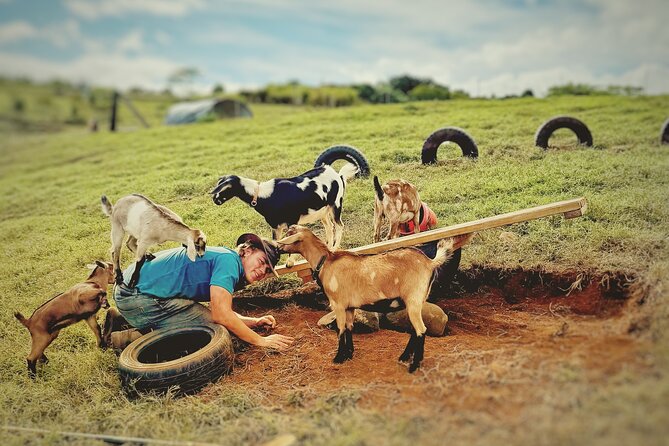
This isn’t a drive-by petting zoo. You’re stepping into a volunteer-run startup farm where people and animals are learning together, and the goal is bigger than just raising baby goats for smiles. The whole point is to show how a micro dairy can grow while keeping conservation in the center.
The farm’s vibe is friendly and real. You’ll be close enough to truly feel part of the daily rhythm—cuddle, feed, brush, and handle animals in a way that’s meant to build trust (not just grab photos). And because it’s private, the guide can shift the emphasis toward what you care about most: baby animal time, animal care skills, or the food and farming side of the micro dairy.
My favorite part is that the animal time connects to the land. You’re not just hearing about sustainability in theory—you’re hearing how systems are planned to support animals, water, and native plant restoration over time.
What $125 Buys in 50 Minutes on Kauai
At $125 per person for about 50 minutes, this isn’t the cheapest thing on the island. But it’s priced like a private experience, not a cattle-call group tour. You’re paying for (1) one-on-one time with farm staff/volunteers and (2) the chance to do farm tasks and animal handling that you won’t get on most standard tours.
The value also comes from variety. In one hour, you can go from baby goats and lambs to mini calves and mini cows, then to farm processes and a micro dairy education. You may even taste milk and seasonal fruit/farm samples if they’re available that day. That mix—animals plus food plus conservation—adds up faster than you might expect.
If you want a quick, low-effort “see animals, take photos, leave” stop, this may feel like more work than you planned. If you’re okay with getting close and getting a bit muddy, the price starts to make sense.
Finding 5431 Hauaala Rd (and Why GPS Can Betray You)
Your start point is 5431 Hauaala Rd in Kapaʻa. The experience ends back at the same meeting point.
Public transportation is listed as nearby, but the practical catch is that it may involve a 25–30 minute walk from Kealia Stop. If you’re car-free, plan on extra time and check your route early.
One very real tip: don’t fully trust your vehicle’s GPS. People have been directed off the grid. I’d treat the directions from the provider as the main source, then use your own navigation as a backup rather than the boss of your day.
Baby Goat, Lamb, and Mini Calf Time You Actually Control
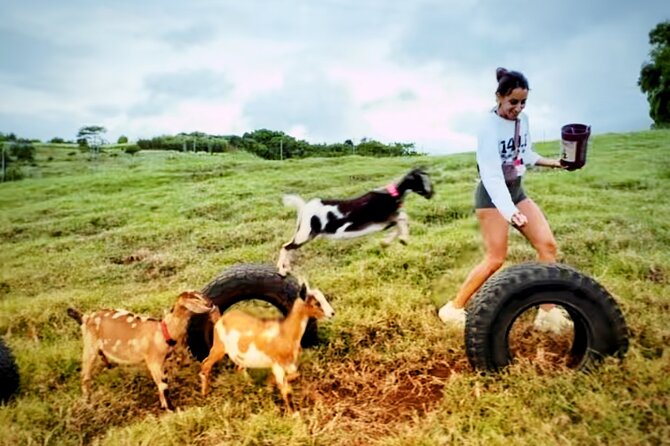
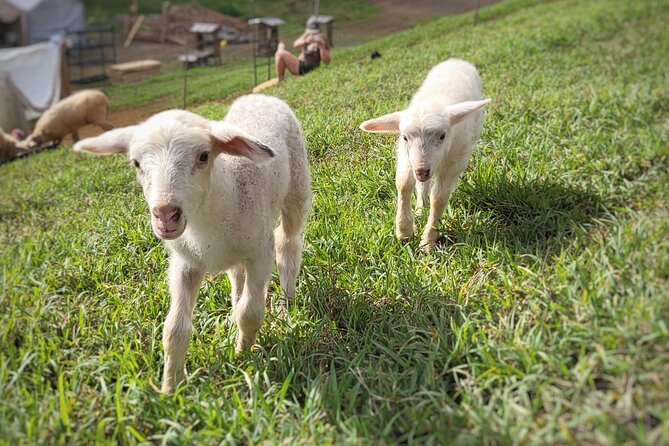
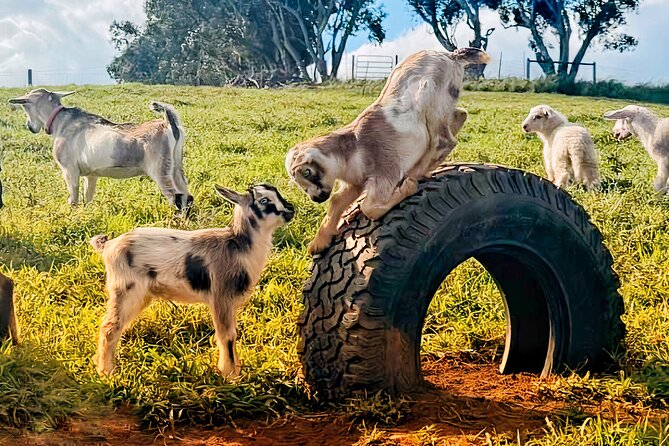
This is built around baby animal interactions, and you’ll get feeding and play time as a core part of the session. The farm typically includes playful goat kids, lambs, and mini calves—plus other animals you might meet along the way.
What’s great is that it’s not chaotic. This is private, so your group can slow down, listen to guidance, and bond without someone yanking you to the next pen. If you’re the type who likes animal routines—how they approach, when they eat, how they respond to brushing—this is the kind of place where you can notice details.
You may get to:
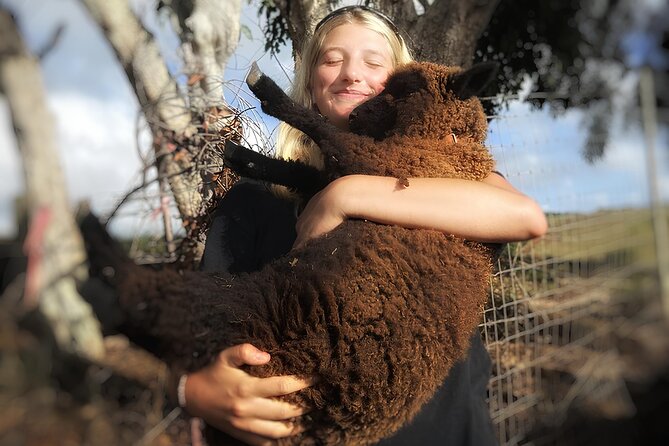
- cuddle and play with baby goats, sheep, and mini calves
- bottle-feed if the babies are willing
- pet and bond during calmer animal moments
A big thing to keep in mind: this is still a working farm. Your guide will give you rules for safe handling. Follow them. It’s the difference between a smooth, fun visit and a stressful one for everyone.
Milking, Milk Tasting, and the A-1 vs A-2 Lesson
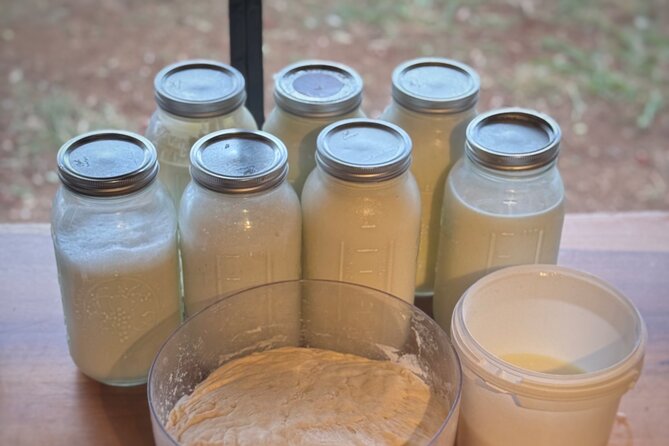
This part is a highlight for a lot of people, because it turns “farm animal fun” into “food education.” You might try milking a goat or sheep and sample raw milk, depending on what’s happening on your farm day.
Timing matters. If you start at 8 AM, your session is more likely to overlap with milking. If you start at 9 AM, you’re more likely to focus on mini cow haltering.
You can also expect an explanation of the farm’s micro dairy setup and milk-related learning. One person noted a discussion about A-1 vs A-2 milk, plus milk tasting. Even if the exact wording changes from day to day, the takeaway stays the same: you’ll connect the animals to the real dairy process, not just the romance of it.
Quick practical note: tasting raw milk can be a deal for some people and a dealbreaker for others. If you’re unsure, ask your guide what they’re offering during your session so you can decide in the moment.
Mini Cows, Halters, and More Than Just Feeding
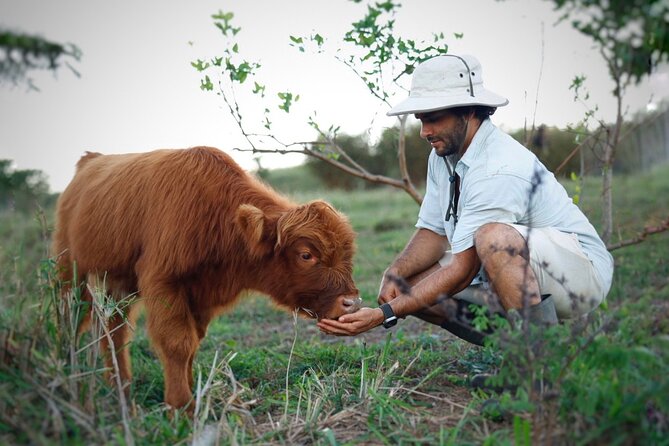
Feeding is usually the star, but the farm also offers hands-on animal care time. In the mini cow portion, you may get to brush and halter the cows as part of bonding and basic handling.
If you’re picturing a “hold still and take turns” circus, this is calmer. You’re guided through how to approach and how to keep the interaction safe. You’ll also learn why these routines matter for animal comfort and long-term farm health.
Depending on timing and the day’s needs, you might also see other farm animals—turkeys, rabbits, silkies, and more. It’s not guaranteed every visit, but baby farm energy is consistent.
This segment is a good fit for people who like learning by doing. You’ll come away with a better sense of how routine farm handling supports wellbeing for both animals and caretakers.
Watching Real Farm Tasks: Shearing, Hoof Care, Compost, Planting
A lot of farm tours stop at animals. This one gives you a peek into how the place actually runs—especially since it’s a startup farm still building systems.
You might witness tasks such as:
- shearing
- hoof trimming
- compost turning
- planting
The exact mix changes with the day, because working farms don’t follow a script. That’s also part of the appeal. You’re seeing what it takes to keep things moving while the farm expands.
One other detail I appreciated: the guide can tailor what you focus on. If your main interest is farm skills, you’ll likely spend more time with the practical work and explanations. If your main interest is animal contact, the guide can keep the session centered on that baby animal bond time.
Sustainability Lessons You’ll Remember After You Leave
The farm’s message isn’t generic. You’ll talk about conservation efforts like fruit forests, riparian buffers, water catchment, and regenerative grazing. The framing is simple: build systems that support life now and also improve the land for later.
This is valuable for a visitor because it connects the dots. On Kauai, it’s easy to admire nature and forget how fragile—and complicated—local land management can be. Here, you get a grounded view of what restoration and regenerative grazing look like in real farm planning.
You may also receive seasonal fruit and fresh farm samples when available. That’s a small thing, but it reinforces the farm-to-plate connection. And because the farm is developing, those samples can feel like they come from the same effort that’s shaping the habitat around you.
Who Should Book This Baby Farm and Micro Dairy Tour
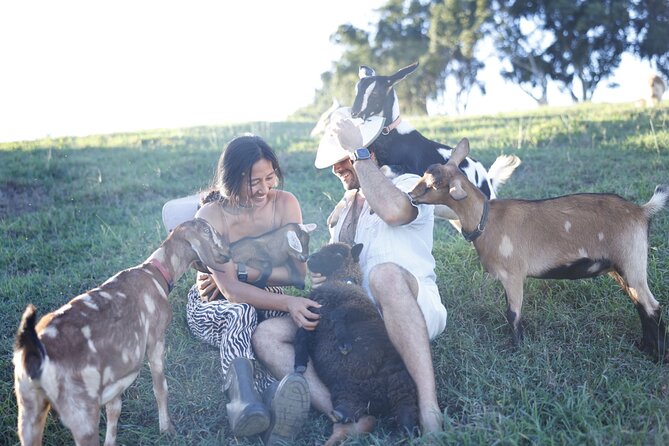
This is a great match if you:
- want hands-on animal time (not just a photo stop)
- like learning how food systems work, especially dairy
- are interested in sustainable and regenerative farming in a real-world setting
- enjoy private tours where the guide adjusts to your interests
It’s also family-friendly. Kids often thrive here because baby animals are the obvious draw, but the educational layer helps keep the experience from being just a short-term sugar rush of cuteness.
You might want to choose carefully if you hate mess. People have specifically advised bringing apparel that can get dirty, and closed-toe shoes are a must. Also, because the farm is still in its startup phase, the experience may feel less polished than big, established attractions.
Practical Tips So You Enjoy It Fully
First, wear closed-toe shoes. Even if you’re not planning on getting down low, farm surfaces can be muddy. Second, expect hands-on contact and follow the guide’s instructions closely.
Bring a willingness to be flexible. The day’s farm tasks and animal moods can shape the order of what you do—especially since you’re seeing a developing working operation rather than a rehearsed show.
Also, keep an open mind about the raw milk part. If it’s offered, you can decide what you’re comfortable tasting. And if you have questions about the micro dairy or milk types (like A-1 vs A-2), the guide can usually explain the basics in plain language.
Guides you might meet include Jody, Taryn/Taren, and Mercedes. Since this is tailored, the best version of the day is the one where you let your guide steer the timing and details toward what you want most.
Should You Book This Private Baby Farm Experience on Kauai?
I’d book it if you want a real farm encounter with baby animals, plus a micro dairy and sustainability story that isn’t just marketing. The private format, guaranteed baby animal time, and chances to learn about milking and milk tasting make it feel worth the time—even if you’re not planning to become a farm expert by sunset.
Skip it if you want a clean, fully scripted attraction, or if getting dirty and doing hands-on interactions sounds like a headache. Also, consider your comfort level with raw milk tasting.
If you’re flexible, enjoy animals, and like learning by doing, this is one of those Kauai activities that can genuinely change the way you think about where your food comes from.
FAQ
How long is the Kauai Private Baby Farm Animal Experience?
It lasts about 50 minutes on average, with a guided experience time of roughly 45 minutes to 1 hour.
How much does it cost per person?
The price is $125.00 per person.
Is this a private tour or group tour?
It’s a private tour/activity, meaning only your group participates.
What do I get to do with the animals?
You can expect guaranteed animal feeding and play time, plus hands-on interaction like cuddling/petting baby goats and sheep, bottle-feeding if the animals are willing, and bonding activities that may include brushing and haltering.
Will there be milking and raw milk tasting?
You might get to try milking a goat or sheep and sample raw milk. Timing can depend on your session start time.
Which animals might I meet on the farm?
The experience is described as including baby goats, lambs, and mini calves, plus mini cows. You may also meet turkeys, rabbits, and silkies, among other farm animals.
Does the start time change what happens during the tour?
Yes. Sessions starting at 8 AM are more likely to overlap with milking, while 9 AM sessions are more likely to include mini cow haltering.
Where is the meeting point?
The meeting point is 5431 Hauaala Rd, Kapaʻa, HI 96746. The tour ends back at the same meeting point.
What if the weather is bad or I need to cancel?
This experience requires good weather. If it’s canceled due to poor weather, you’ll be offered a different date or a full refund. You can cancel for a full refund up to 24 hours in advance.