REVIEW · PARIS
Paris Wine and Cheese Tastings Class near Le Marais
Book on Viator →Operated by Meeting the French · Bookable on Viator
A wine class that feels personal beats a loud tasting bar. This one mixes wine regions made practical with cheese pairings in a calm cellar setting. You also get to request wines you actually like, then talk through what you’re tasting with a real wine pro.
What I like most is the teaching style: you’ll cover how France’s regions, grapes, and even terrain shape what ends up in your glass. Second, the pairing format is built for clarity—each wine has a cheese match, plus bread and water to reset your palate between pours. The only real drawback: because it’s not a restaurant, toilets may be limited and not especially easy to find.
In This Review
- Key things that make this class worth your 3:30 pm
- The setting: a cellar tasting that stays relaxed
- Exactly what happens at Le Vin qui parle (and why timing matters)
- Your tasting flow: red, white, cheese pairings you can actually repeat
- The lesson part: regions, grapes, terrain, and soil samples
- Pairing cheese like a pro: flavors, balance, and why it works
- Ask questions and get real answers from the oenologists
- Price and value: what $80.48 buys you in real terms
- Who should book this wine and cheese class
- Practical tips so you get the most out of it
- Should you book this Paris wine and cheese class?
- FAQ
- How long is the Paris wine and cheese tasting class?
- Where does the class start?
- What is included in the tasting?
- Is English available?
- What is the group size?
- Is there a spittoon?
- Can I cancel for a full refund?
Key things that make this class worth your 3:30 pm
- Maximum 8 travelers keeps it intimate and question-friendly.
- Oenologists in a wine cellar explain flavors in plain language.
- Maps plus authentic soil samples make the terroir story feel real, not theoretical.
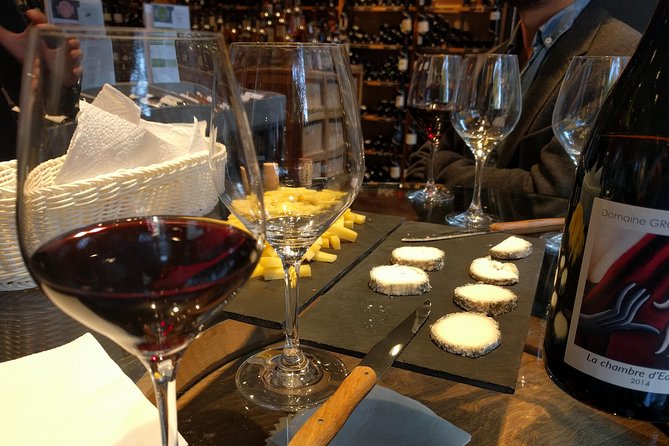
- Red, white, and cheese pairings with bread and water for palette cleansing.
- Spittoon provided if you want to taste without getting plastered.
- Alex is a standout name from past groups for being friendly and practical (even grabbing fresh bread when needed).
The setting: a cellar tasting that stays relaxed
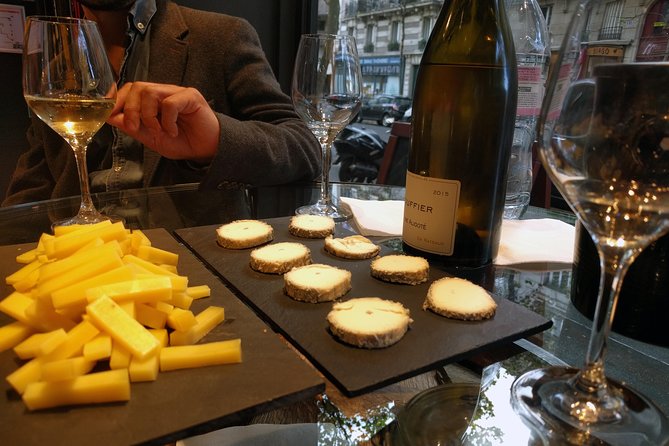
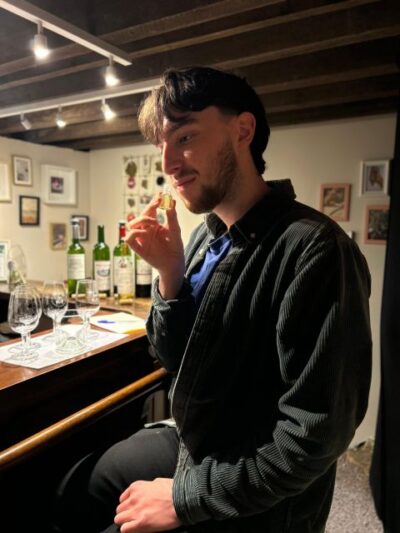
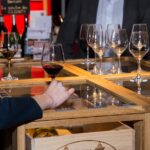
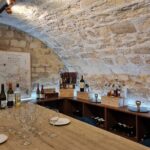
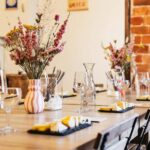
This is the kind of Paris wine experience you choose when you want more than sipping and nodding. The tasting happens in a prepared area at a boutique, with oenologists guiding you through each step while you’re in a cellar-style setting. That matters, because the goal here isn’t volume or flash—it’s getting you to understand what you’re tasting and why.
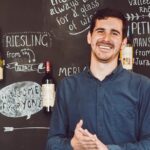
You’ll start by meeting your wine expert and getting settled. Then the focus shifts into learning: France’s wine regions, how different grapes behave, and how the land influences the wine you’re drinking. The vibe is calm and conversational, so if you ask questions like you’re talking to a helpful friend, you’ll fit right in.
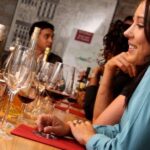
Group size helps too. With a maximum of 8 people, it doesn’t turn into a lecture where half the group can’t hear the details. You get enough attention to make the whole hour-and-a-half feel “about you,” not just “for you.”
You can also read our reviews of more tours and experiences in Paris.
Exactly what happens at Le Vin qui parle (and why timing matters)
The class starts at 3:30 pm at Le Vin qui parle, 30 Rue Faidherbe, 75011 Paris. It ends back at the same meeting point, so you’re not left guessing how to get back if your day is already packed. Since it’s near public transportation, you can plan around metro/bus routes without building your whole afternoon around a taxi.
The timing is also smart. Late afternoon in Paris is prime time for hopping from neighborhood to neighborhood, but that can mean skipping food. This class includes bread, water, and tasting portions—still, it’s not a full meal. One past group mentioned the guide, Alex, noticing they hadn’t eaten recently and going across the street to get fresh bread to go with the tasting. That’s a nice example of how attentive the staff can be, but it’s still worth arriving with at least a light snack in your stomach.
Your tasting flow: red, white, cheese pairings you can actually repeat
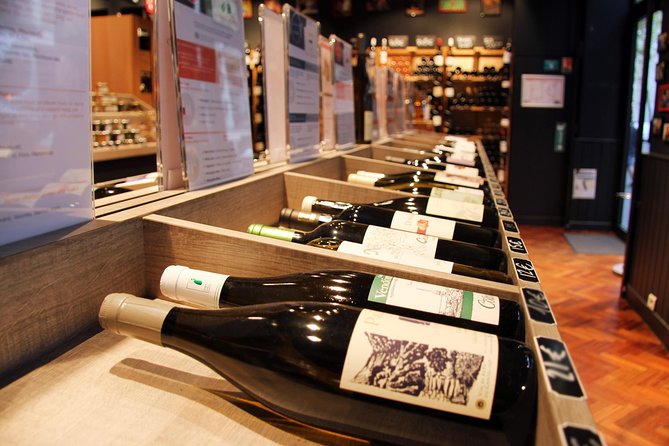
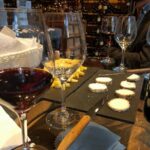
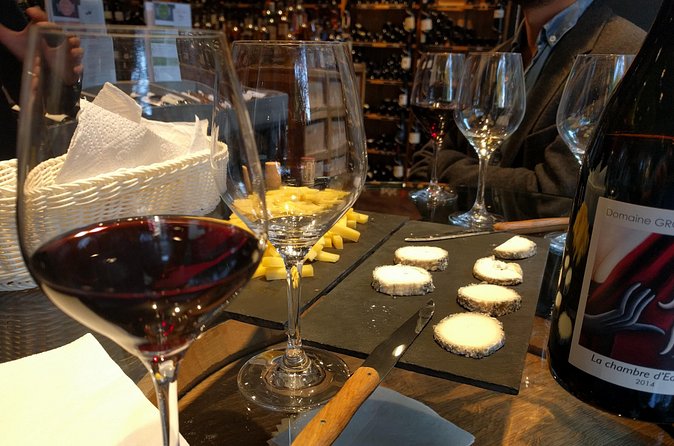
You’ll sample a set of wines with a pairing approach built around taste and contrast. The provided sample menu includes:
- Red wine
- White wine
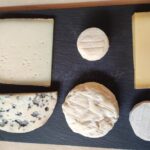
- Cheese
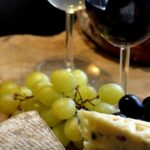
The big idea is that you’re not just trying random combinations. You’re tasting a wine, then matching it with cheese meant to go with that style. That simple structure is how most people finally stop feeling lost in wine. Once you’ve experienced a few intentional pairings, it becomes easier to repeat the thinking on your own later.
Bread and water are provided as palette cleansers. That may sound basic, but it’s important. If you move straight from one wine to the next without resetting your palate, it’s hard to tell what flavor notes are real versus what’s left over from the previous pour. With bread and water in play, you get a cleaner read on what changed.
Also, you’re given a spittoon option. That’s a practical touch. If you want to taste widely but keep control—especially if you plan to walk around after—use it. You’ll still get the full learning value without the foggy finish.
The lesson part: regions, grapes, terrain, and soil samples
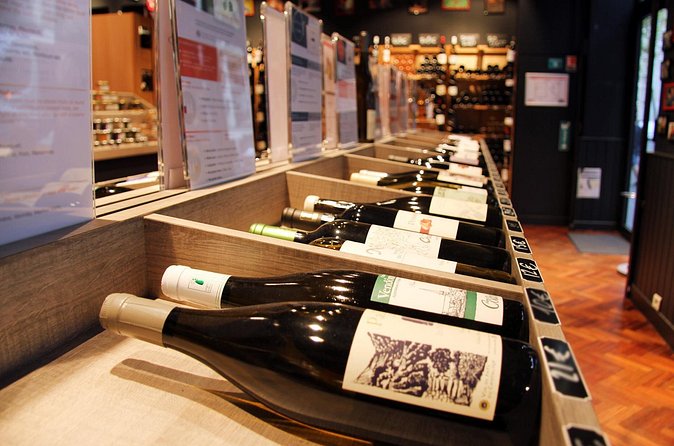
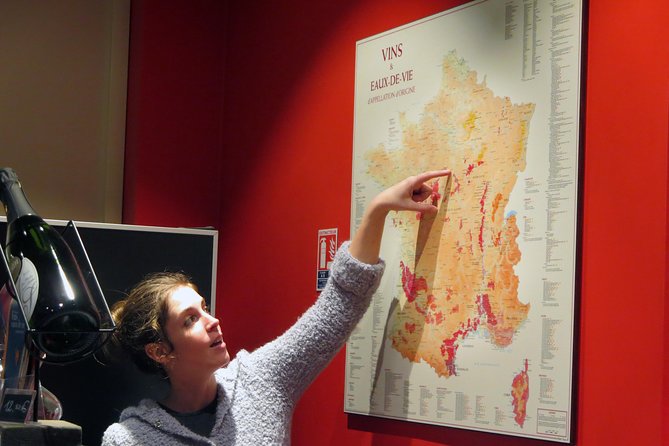
Here’s where this class earns its keep. You don’t just taste and get a few generic tips. You get an overview of France’s wine regions, explained in a way that connects to what’s in your glass.
The teaching includes maps and authentic soil samples. That’s a big deal because terroir stops being a slogan. Soil and terrain affect drainage, water availability, and how vines grow. When someone shows you samples and ties them to the wines you’re sampling, it becomes much easier to understand why a grape tastes different in one area versus another.
You can also request wines you’re interested in—your favorite French bottles or styles. That request element is valuable because it makes the lesson personal. Instead of learning about wine you don’t care about, you can steer the conversation toward what you want to taste and learn.
If you’re new to French wine, the structure helps you build a mental map quickly. If you already know a bit, you’ll still get clarity on how to explain what you like—because you’ll be taught categories of aroma and how to talk about the bouquet in a more organized way.
Pairing cheese like a pro: flavors, balance, and why it works
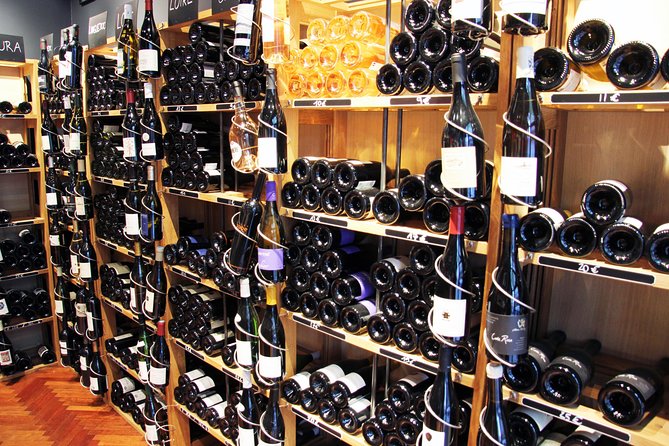
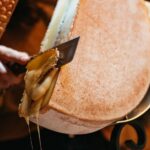
Cheese can either ruin a wine tasting or make it click. Here, the pairing is treated as part of the lesson, not an afterthought. Each cheese has a role: it supports certain notes in the wine and reduces others, creating balance instead of noise.
You’ll learn what kinds of flavors show up when wine meets cheese, and you’ll connect that back to the wine itself. It’s not only about “this one tastes good.” You’ll start building the habit of asking questions like:
- What does the cheese amplify?
- Does it soften acidity or highlight it?
- Does it make the wine taste heavier or lighter?
That’s why bread and water matter again. Resetting your palate lets you notice the pairing effect instead of only noticing the overall flavor of the cheese board.
By the end, you should feel more confident about how to choose pairings at a shop or wine bar. You won’t have to guess as much.

Ask questions and get real answers from the oenologists
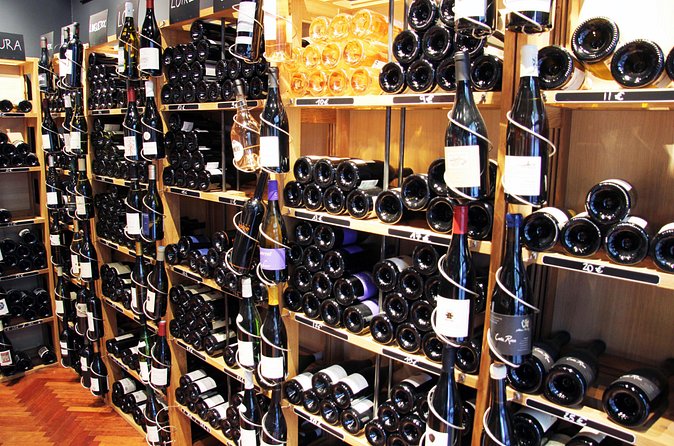
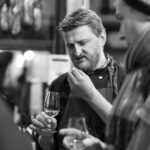
This is the part many people underestimate. The class isn’t designed as a one-way presentation. You’ll have time to ask questions and learn from passionate oenologists in Paris.
One highlight from past attendees was the back-and-forth about wine regions and bouquet categories. That kind of discussion is where you level up fast. When someone can explain what you’re smelling and tasting—and not just repeat a script—you stop feeling intimidated.
A friendly, specific guide makes a difference. Past reviews specifically praised Alex for being helpful and knowledgeable, and for being practical enough to solve a simple comfort issue by getting fresh bread when someone hadn’t eaten recently. That sort of care makes it easier to relax, ask questions, and focus on learning.
If you’re the type who likes to ask, even basic questions, you’ll probably have a great time here. If you prefer passive listening only, you can still follow along, but you’ll get more out of it by speaking up at least a couple of times.
Price and value: what $80.48 buys you in real terms
At $80.48 per person, this isn’t a cheap impulse stop. But it also isn’t a bare-bones tasting where you pay for pours and get a brochure.
Here’s what you’re actually getting for the price:
- Wine tasting and cheese tasting
- Water and bread to keep the palate clear
- Alcoholic beverages included
- A structured lesson about French wine regions, grapes, and terrain
- A small group experience (up to 8 people)
- The chance to request wines you want to learn about
- Guided conversation with oenologists
If you were to buy multiple wines and cheese on your own, you’d spend money anyway—and you’d still have to figure out pairings and explanations without an expert guiding the logic. The value here is the teaching plus the pairing structure plus the small group attention.
Also, because purchases of bottles are not included, you’re not pressured to buy anything. You can simply taste, learn, and decide later if you want to take a bottle home.
Who should book this wine and cheese class
This class is a strong fit if you want:
- A small-group French wine experience near Le Marais
- Guidance on how to understand wine, not just what it tastes like
- Cheese pairings that teach you how to match flavors
- A relaxed afternoon activity that lasts about 1 hour 30 minutes
You’ll especially enjoy it if you’re traveling with someone who likes food, wine, or both. It’s also a good choice for couples who want a shared activity that isn’t just walking and waiting in lines.
If you’re a hardcore wine nerd, you might wish for even more bottles or a longer session. But for most people, this is the sweet spot: enough tasting to build your palate memory, plus enough instruction to connect the dots.
Practical tips so you get the most out of it
A few simple moves make this kind of class work even better:
- Eat something before you go. If you don’t, the bread may save the day, as Alex’s bread run shows, but you’ll be happier starting fed.
- Come ready with at least one wine you like, if you can. Being able to request what you care about improves the whole lesson.
- Take mental notes on what changes when you switch from red to white and then to cheese.
- Use the spittoon if you want to stay sharp for the rest of your afternoon.
- Plan for the possibility that restroom access may not be as straightforward as in a restaurant setting.
Should you book this Paris wine and cheese class?
If you want wine tasting with actual teaching—wine regions, grapes, terrain, and cheese pairings that make sense—this is a smart booking. The small group size, the inclusion of water and bread, and the chance to ask questions of oenologists are the reasons it works.
I’d skip it only if you’re looking for a casual, walk-in tasting with zero structure, or if you strongly need easy restaurant-style amenities like guaranteed nearby toilets. Otherwise, this is the kind of class that helps you leave with better taste instincts, not just a full stomach and a short buzz.
FAQ
How long is the Paris wine and cheese tasting class?
It lasts about 1 hour 30 minutes.
Where does the class start?
The meeting point is Le Vin qui parle, 30 Rue Faidherbe, 75011 Paris, France.
What is included in the tasting?
You get wine tasting and cheese tasting, plus water and bread, and alcoholic beverages are included.
Is English available?
Yes, the class is offered in English.
What is the group size?
The experience is capped at a maximum of 8 travelers.
Is there a spittoon?
Yes, a spittoon is provided if you want to taste without swallowing.
Can I cancel for a full refund?
Yes. You can cancel for a full refund up to 24 hours in advance of the experience start time.