REVIEW · PARIS
Paris: Montmartre Cheese, Wine & Pastry Guided Walking Tour
Book on GetYourGuide →Operated by Original Food Tours · Bookable on GetYourGuide
Cheese, wine, pastries, and views in one loop. This Montmartre walking tour turns the neighborhood into a tasting map, with wine-paired tastings plus standout sights like Place du Tertre and Le Moulin Rouge. You’ll follow a local foodie guide through cobbled lanes and café terraces, with the Sacré Coeur area waiting at the top like a reward.
I love the mix of sweet and savory across eight stops, including cheese, charcuterie, pastries, and homemade chocolate candies. I also like that the walk is story-driven thanks to guides you’ll hear about in real-world tours, like Oscar, Catherine, and Pierre-Edouard. One possible drawback: it’s a walking tour, and some parts feel uphill—bring comfortable shoes so you can enjoy it instead of rushing.
In This Review
- Key things that make this Montmartre food tour work
- Why Montmartre tastes better than Paris’ main drag
- Meeting Near Blanche: starting point and how the tour begins
- Eight tasting stops: how the sweet-and-savory mix actually feels
- Bakery windows to homemade chocolate candies: the pastry leg
- Cheese, charcuterie, and French wine: what to pay attention to
- Dessert highlights: merveilleux, macarons, and éclairs
- Sacré Coeur views without turning it into a staircase grind
- Place du Tertre and Le Moulin Rouge: iconic sights with real context
- Windmills and vineyards: the Montmartre side most people skip
- The guide’s role: how people like Oscar, Catherine, and Pierre-Edouard shape the tour
- Price and value: is $127 worth a 3-hour Montmartre walk?
- Who this Montmartre cheese, wine & pastry tour suits best
- Should you book this Montmartre cheese, wine & pastry walking tour?
- FAQ
- Where is the meeting point for the tour?
- How long is the Paris Montmartre Cheese, Wine & Pastry Guided Walking Tour?
- Is the tour offered in English?
- What food and drink are included?
- How many stops do you visit?
- Do you see Sacré Coeur and get views of Paris?
- Does the tour include Place du Tertre and Le Moulin Rouge?
- What should I wear or bring?
- Is it suitable for wheelchair users or very young children?
- Can I cancel and get a refund?
Key things that make this Montmartre food tour work
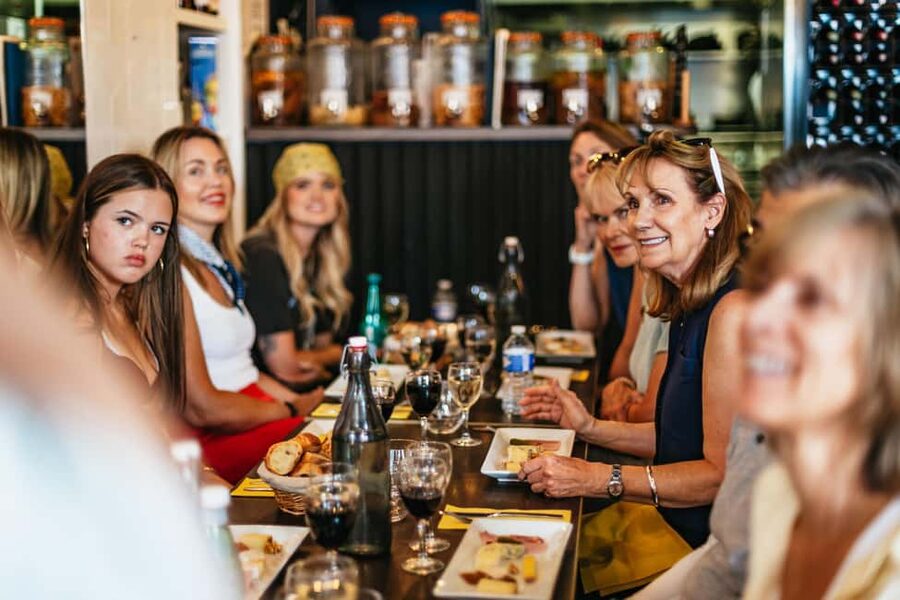
- Eight stops with real variety: pastries, chocolate, cheese, charcuterie, and wine instead of one repeat bite.
- Sacré Coeur views built into the route: you’ll reach big viewpoints on foot, not just pose-and-run.
- Place du Tertre atmosphere: painters, cafés, and that distinctly Montmartre “hang around” energy.
- Artists and architecture context: you’ll connect Toulouse-Lautrec, Picasso, and Édith Piaf to the streets you’re walking.
- Local artisan stops: guides steer you toward quality shops rather than a generic souvenir stop.
Why Montmartre tastes better than Paris’ main drag
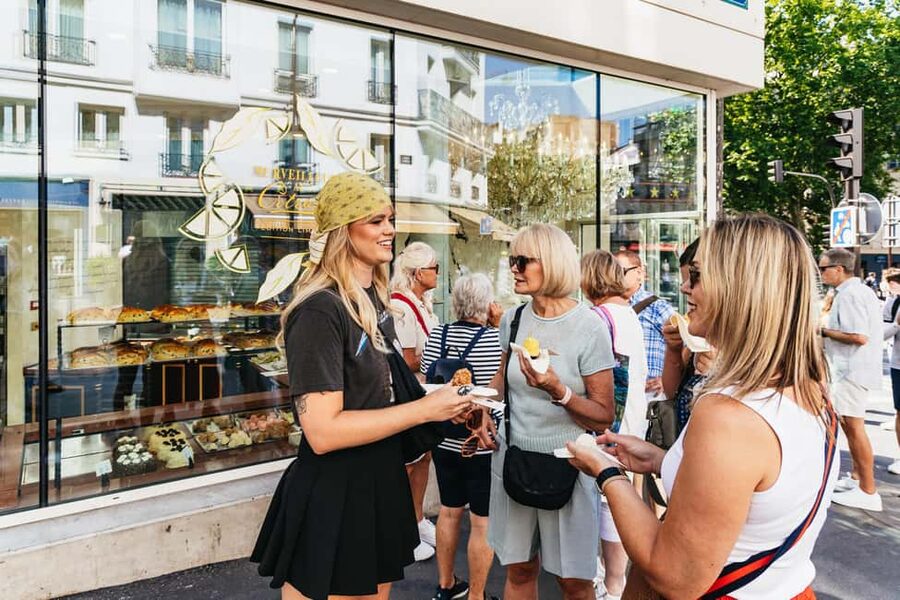
Montmartre is the Paris you picture: winding streets, stairways, outdoor cafés, and postcard views that don’t look like they were designed by a computer. What makes this tour especially good is that it feeds you while you explore—so you’re not just collecting sights, you’re learning how Parisians actually eat and snack through the day.
The backbone of the experience is simple: you’ll taste across multiple stops and multiple food styles. That matters because Montmartre has strong culinary personalities—bakeries for pastry culture, fromageries and wine-focused shops for the classic French pairing, and small spots where chocolate and desserts feel like a craft, not a mass product.
And yes, you’ll get iconic highlights. The difference is you’ll understand the neighborhood while you’re seeing it, from the Place du Tertre scene to the road toward Sacré Coeur.
You can also read our reviews of more tours and experiences in Paris.

Meeting Near Blanche: starting point and how the tour begins
You meet your guide outside the Starbucks shop and the pharmacy near Blanche Metro station (Line 2). That’s a practical choice: it’s easy to reach, and it helps you avoid the “where exactly is the group” chaos that can happen in busy areas.
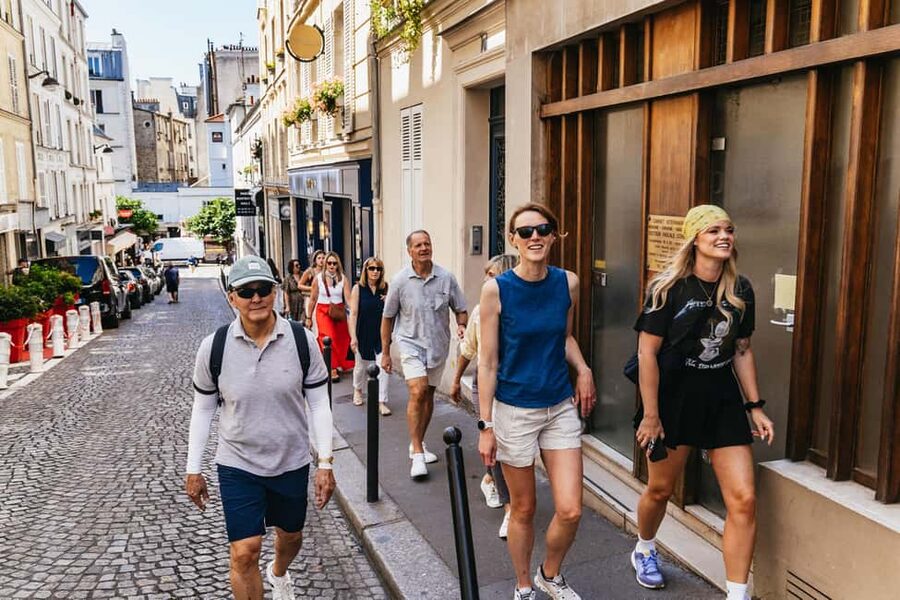
From there, you’ll spend about 3 hours walking and tasting your way through Montmartre. Wear comfortable shoes and plan to move at a steady pace—this is not a sit-down-only food tour.
English is the tour language, and a live guide leads the route. Reviews also hint that guides bring humor and local color, which you’ll feel during the tasting moments and again when you pause at key corners for explanation and photos.
Eight tasting stops: how the sweet-and-savory mix actually feels
This tour is built around about eight different stops, which is a sweet spot for a 3-hour experience. It’s long enough that the food progresses—from first bites to fuller cheese-and-wine moments—without dragging you through the whole afternoon.
Expect the flavors to bounce between categories:
- pastries and bakery treats
- homemade chocolate candies
- cheese and charcuterie
- wine pairing at selected stops
The pacing is also part of the value. You’re not eating one giant plate at a time; you’re tasting enough to understand what each place does best. That keeps it fun, and it helps you sample variety rather than getting stuck with only one type of food.
If you’re a first-time visitor, this tour can also act like a shortcut to your future eating plans. After a few tastings, you’ll have a better sense of what Montmartre does well, so you can return on your own with clearer instincts.
Bakery windows to homemade chocolate candies: the pastry leg
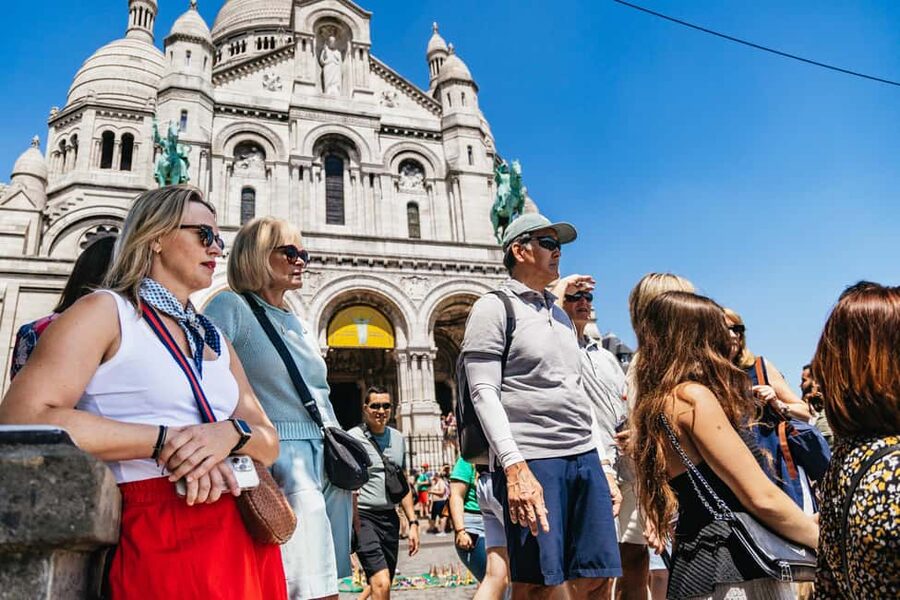
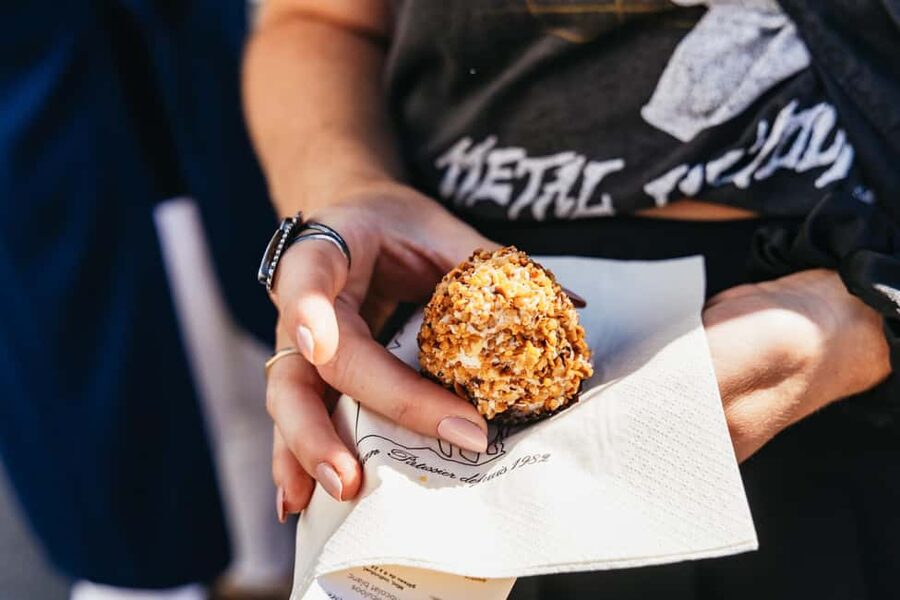
Montmartre has a pastry reputation, and this tour leans into it with a clear focus on multiple French pastry styles, plus homemade chocolate candies. You’ll get sweet hits throughout the walking, not just at the end, which keeps the tour from feeling like a marathon with one final dessert payoff.
One thing I especially like about this structure is the variety inside the pastry section. Reviews mention seeing treats like quiche, fresh macaron-style sweets, croissant moments, and lighter French desserts such as merveilleux (a meringue-based confection). Even if the exact selection changes by day, the tour is clearly aiming for quality and freshness rather than “grab-and-go” filler.
Chocolate is also treated as part of the story. Reviews mention single-source chocolate and chocolate made to be tasted slowly, not just eaten quickly. So if you love desserts, you’ll likely feel like the sweet stops are doing real work, not just decoration.
Cheese, charcuterie, and French wine: what to pay attention to
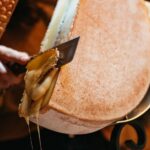
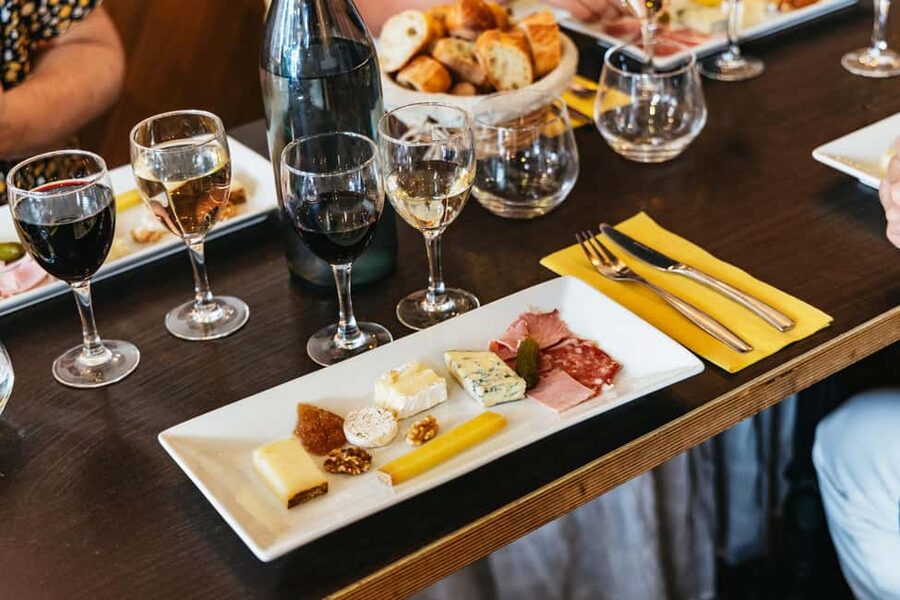
When this tour moves into cheese and charcuterie, it becomes more than a snack parade. The tasting format is meant to show how French meals are built: salt and fat balanced with acidity and structure, then pulled together with wine.
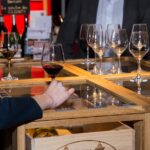
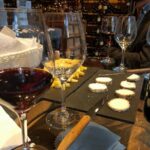
At the selected stops you’ll try cheese and charcuterie paired with French wine. That combination is the main reason this tour can feel like better value than piecing it together on your own: the guide helps you make sense of what you’re tasting and why it works.
Here’s how to get the most out of this section:
- Pay attention to textures—soft vs. firm cheeses, spreadable vs. sliced charcuterie.
- Notice how the wine changes the way the food tastes, especially with richer items.
- If you’re not a heavy wine person, stick to small sips and focus on the pairing logic.
A couple of reviews mention specific pairings like pork rillettes with tapenade and baguette slices that help you understand how the French approach snacking—components built to work together, not eaten in isolation. That kind of guidance is where the tour earns its place in your itinerary.




Dessert highlights: merveilleux, macarons, and éclairs
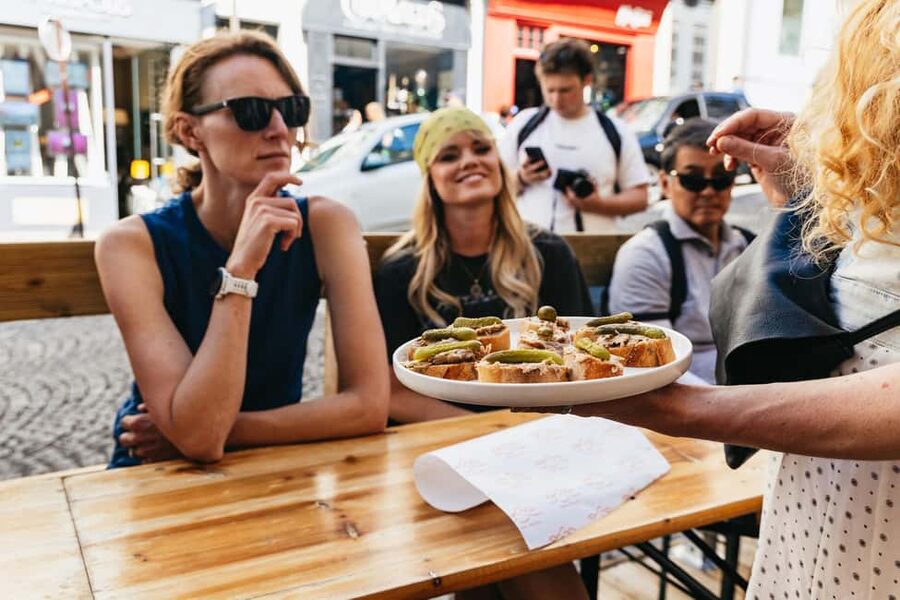
Dessert is where many food tours go wrong—too sweet, too repetitive, too fast. This one tries to avoid that by mixing dessert styles across the route and keeping it connected to place.
Reviews mention merveilleux, macarons made that morning, and éclairs. That variety matters because each dessert has a different texture and sweetness level. A well-made merveilleux can feel light and airy, while a classic éclair brings a richer cream-and-custard structure. Macaron-style sweets bring a different kind of snap and filling balance.
Even if you don’t memorize every dessert name, you’ll come away with a stronger sense of French pastry range. And because dessert shows up more than once during the walk, you’re not stuck with one sugar-heavy stop that knocks you out for the rest of the tour.
Sacré Coeur views without turning it into a staircase grind
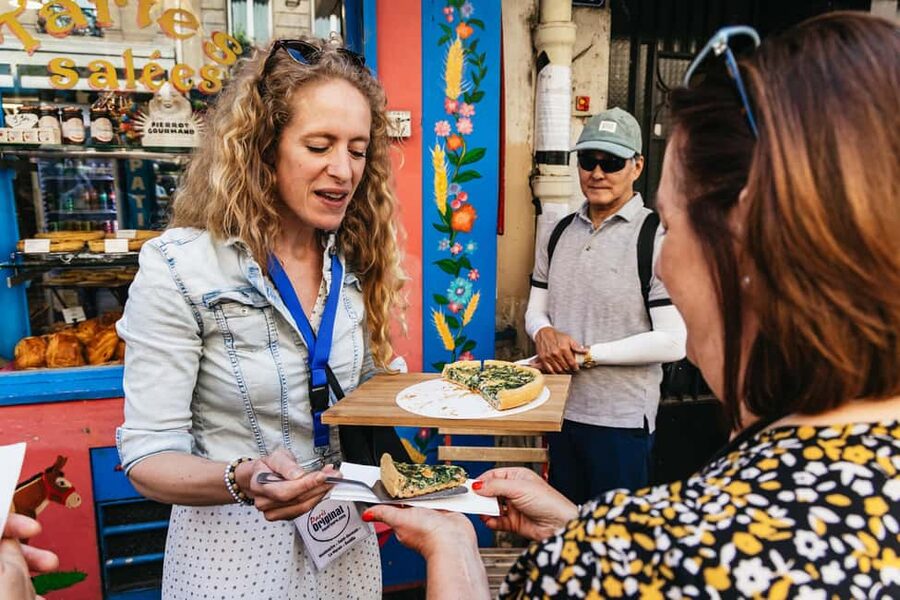
Sacré Coeur is the big payoff in Montmartre, but the route matters. This tour includes panoramic views over Paris from the Sacré Coeur area, and some guides appear to plan the walk to reduce the worst of the step-heavy climb.
One review specifically praised a roundabout route that made the climb less strenuous, with the group still getting to Sacré Coeur. That’s a small detail, but it’s huge in practice: if you arrive at the viewpoint feeling exhausted, the view becomes less enjoyable.
If you’re planning for comfort, treat this like a sightseeing walk that includes a final viewpoint. Comfortable shoes aren’t optional here. Bring weather-appropriate clothing too—Montmartre can feel breezy near the top.
Place du Tertre and Le Moulin Rouge: iconic sights with real context
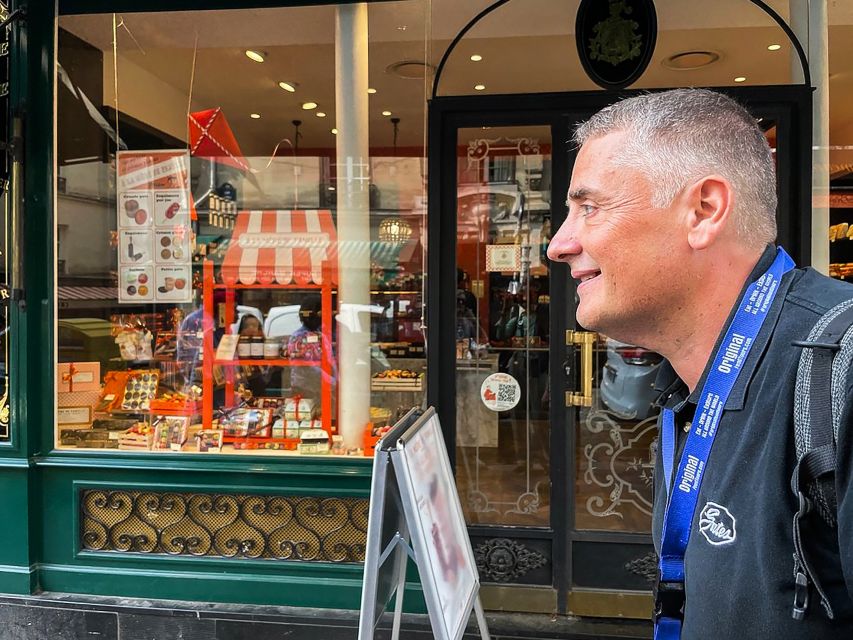
You’ll see iconic Montmartre highlights like Place du Tertre and Le Moulin Rouge. These places can turn into photo backdrops if you don’t know what you’re looking at. With a guided foodie walk, you’re more likely to notice the details that give Montmartre its character.
Place du Tertre is especially important because it’s not just pretty—it’s part of Montmartre’s artist identity. The square is world-famous for its painters and café ambiance, and the guide’s job is to connect that vibe to how the neighborhood developed its reputation over time.
Le Moulin Rouge is another key moment. It’s the kind of sight everyone recognizes, but the tour’s value is in the way it’s slotted into the broader neighborhood story, not treated as a one-stop photo mission.
Windmills and vineyards: the Montmartre side most people skip
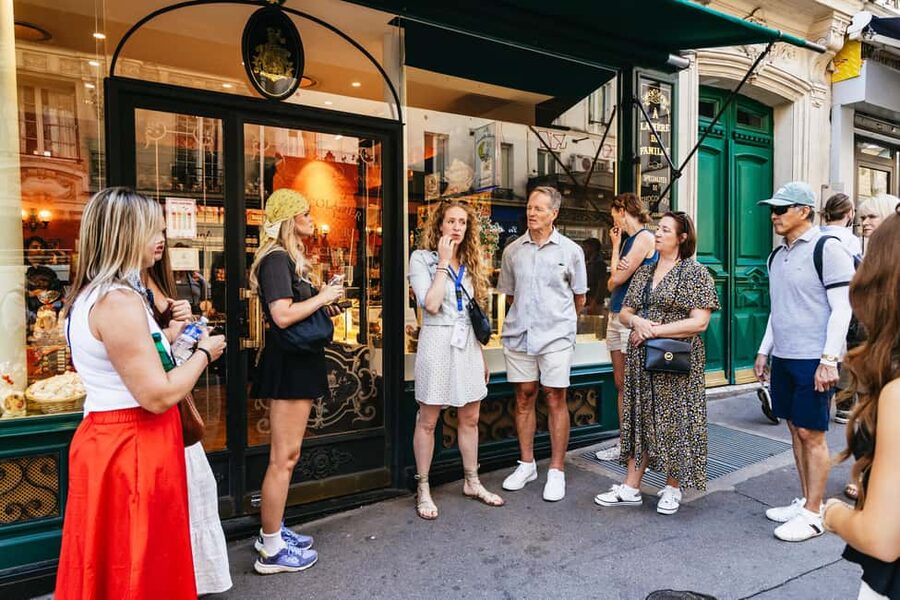
Montmartre is often reduced to a cliché: artists, cafés, and views. But the experience also points you to the less obvious side—windmills and unique vineyards.
That’s a genuinely useful contrast for your brain while you’re walking. You’re not just seeing old streets; you’re seeing how the area’s landscape and traditions shaped it. The guide helps connect those features to why Montmartre became a magnet for creators in the first place.
And since the tour is on foot, you get to notice these elements in context. Even when they’re not the main postcard angle, they help you understand why Montmartre has always felt different from the rest of Paris.
The guide’s role: how people like Oscar, Catherine, and Pierre-Edouard shape the tour
In a tour like this, the guide is the difference between eating and understanding. Reviews consistently call out guides such as Oscar, Catherine, and Pierre-Edouard as helpful, funny, and tuned to both the food and the neighborhood story.
What you’ll likely feel in practice:
- The tastings come with explanations you can use later (what you’re tasting and why it fits).
- The walking stops include history and architecture context, so corners and buildings aren’t just scenery.
- You’ll get tips for how to handle the rest of Montmartre and Paris once the tour ends.
One review also noted that some guides adjust pace for the group, even slowing down to support someone during the walk. That’s another sign that this is run with attention to the humans inside the group, not just the route on a map.
Price and value: is $127 worth a 3-hour Montmartre walk?
At $127 per person for about 3 hours, you’re paying for three things at once:
1) guided walking through Montmartre,
2) a structured tasting plan across eight stops,
3) wine pairing included at selected stops.
If you tried to recreate this solo, you’d likely spend time figuring out which shops are worth it and how to pair wine intelligently. You’d also pay for several separate purchases—pastries, chocolate, cheese, charcuterie, and wine—without the benefit of a guide to help you understand what makes each stop special.
Also, the tour doesn’t just promise food. It includes major scenery—Sacré Coeur views—and key Montmartre landmarks like Place du Tertre and Moulin Rouge. That pairing of “food + built-in sightseeing” is where the price tends to feel fair.
If you only want one or two food stops and don’t care about the walk or the neighborhood story, you might find other options cheaper. But if you want a clean, time-saving route that delivers both tastings and context, this one is designed for that.
Who this Montmartre cheese, wine & pastry tour suits best
This tour is a strong match if you:
- want a guided way to experience Montmartre beyond the viewpoint rush
- love French food culture and like learning as you snack
- prefer a small-group pace (the experience is described as small group)
- want English commentary and a route that covers multiple landmark moments
It can also work well for solo travelers. One review mentioned meeting people from other countries during the 3-hour walk, which is common when groups stay together and share tastings rather than splitting off.
It’s not a fit if you’re in a wheelchair, and children under 4 aren’t suitable. And alcohol is part of the tastings, so if wine is a no-go for you, you should think carefully before booking.
Should you book this Montmartre cheese, wine & pastry walking tour?
Yes—if your ideal Paris day includes walking through real neighborhoods and eating with purpose. I’d book it early in your trip if you want it to set your direction for what to eat next, because the guide’s Montmartre pointers can shape the rest of your days.
I’d skip or reassess if you’re sensitive to walking uphill or you want a strictly non-alcohol experience. Also, if you have serious food allergies or strict dietary limits, the tour clearly revolves around cheese, charcuterie, pastries, chocolate, and wine, so you’ll want to confirm fit before committing.
If you’re aiming for a high-effort, high-reward afternoon in Montmartre—views plus tastings plus context—this one is a solid choice.
FAQ
Where is the meeting point for the tour?
Meet your guide outside the Starbucks shop and the pharmacy near Blanche Metro station (Line 2).
How long is the Paris Montmartre Cheese, Wine & Pastry Guided Walking Tour?
The tour lasts 3 hours.
Is the tour offered in English?
Yes, the live guide speaks English.
What food and drink are included?
You’ll get a selection of French pastries, homemade chocolate candies, and cheese and charcuterie paired with French wine at selected stops.
How many stops do you visit?
The tour includes visits to eight different stops.
Do you see Sacré Coeur and get views of Paris?
Yes, the tour includes panoramic views over Paris from the Sacré Coeur area.
Does the tour include Place du Tertre and Le Moulin Rouge?
Yes. The experience includes iconic stops such as Place du Tertre and Le Moulin Rouge.
What should I wear or bring?
Wear comfortable shoes and bring weather-appropriate clothing since there is some walking.
Is it suitable for wheelchair users or very young children?
No. It is not suitable for wheelchair users, and children under 4 years old are not suitable.
Can I cancel and get a refund?
Free cancellation is offered up to 24 hours in advance for a full refund.