REVIEW · POKOLBIN
Pokolbin: Tulloch Hunter Heroes Wine Tasting & Cheese Board
Book on GetYourGuide →Operated by Tulloch Wines · Bookable on GetYourGuide
A stop in Pokolbin can be short and still memorable. This 1-hour private seated tasting at Tulloch Wines pairs serious Hunter Valley wines with a practical, guided setup, including an individual tasting mat. I especially like the chance to compare museum-aged wine against current releases, and I also really enjoyed the generous local cheese and charcuterie board that keeps your palate busy.
The Hunter Valley is old-school Australia for wine, so the story behind Tulloch matters, not just the pour list. You’ll taste 6 wines picked to cover the Hunter’s best-known grapes, and a Wine Ambassador talks you through what to look for while you sample. The one drawback to know up front: it moves at a tasting pace, so if you want long, slow conversations, you may feel a little rushed in the 1 hour.
Still, if you like your wine tastings organized and grounded in place, this is a strong value play for the Pokolbin area. The Hunter’s biggest names—Semillon, Shiraz, Chardonnay, and Verdelho—are all part of the “Hunter Heroes” concept, and it’s a smooth way to get oriented fast.
In This Review
- Key things to notice before you go
- Why Tulloch Wines in Pokolbin works so well
- The Hunter Heroes lineup: 5 current releases plus 1 museum wine
- What the 1-hour pacing feels like at the table
- The Wine Ambassador experience: getting value from the guidance
- Cheese and charcuterie pairing that actually supports the wines
- The Tulloch touch: history that changes how you taste
- Getting the most out of your visit at Tulloch Wines
- Price and value: what $37 covers and why it’s fair
- Family-friendly add-ons for kids and teens
- Accessibility and who this works best for
- Should you book this Tulloch Hunter Heroes tasting?
- FAQ
- What wines are included in the tasting?
- How long is the experience?
- Is hotel pickup or drop-off included?
- Can kids or teens join the tasting?
- Is wine tasting available to everyone?
- Is this experience suitable in different weather?
Key things to notice before you go
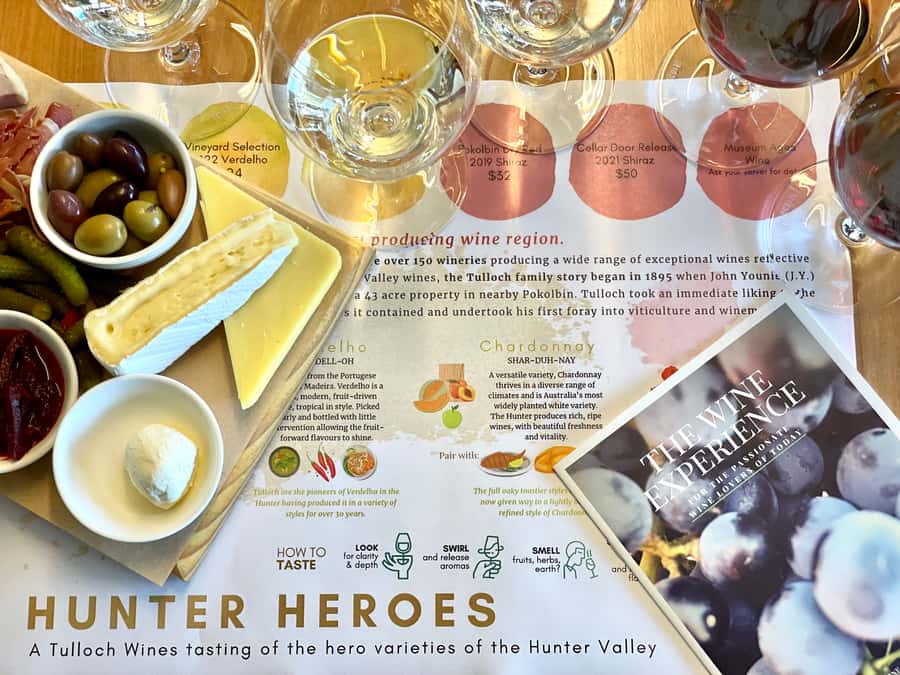
- 6 wines in 1 hour: 5 current releases plus 1 museum-aged wine for a real comparison
- Hunter Heroes grape focus: Semillon, Shiraz, Chardonnay, Verdelho mapped into the tasting choices
- Private, seated format: an intro from a Wine Ambassador at your table
- Tasting mat guidance: helps you track flavors so your notes make sense later
- Generous cheese & charcuterie: local bites designed to keep pace with the pours
- Named guides pop up in real bookings: people have praised guides like Faith and Bobby
Why Tulloch Wines in Pokolbin works so well
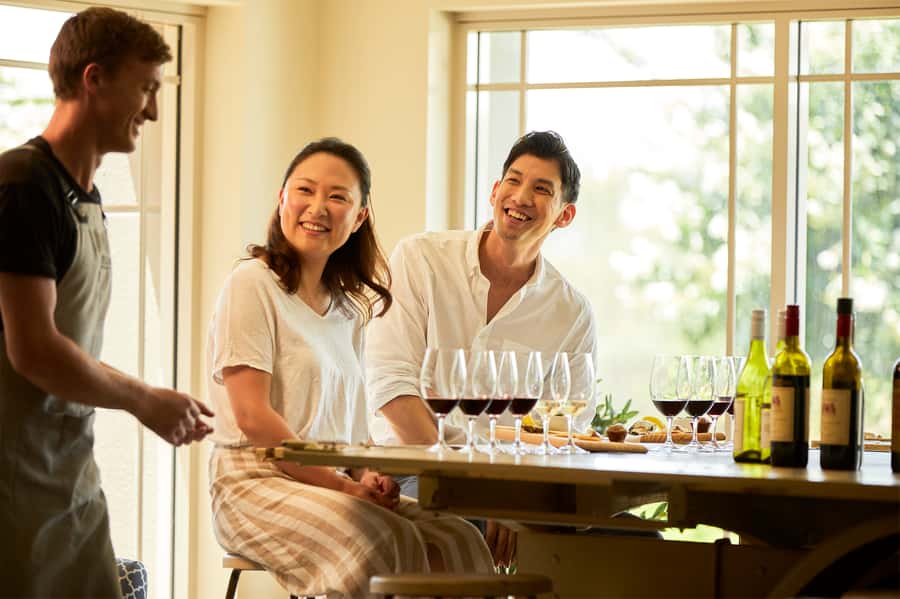
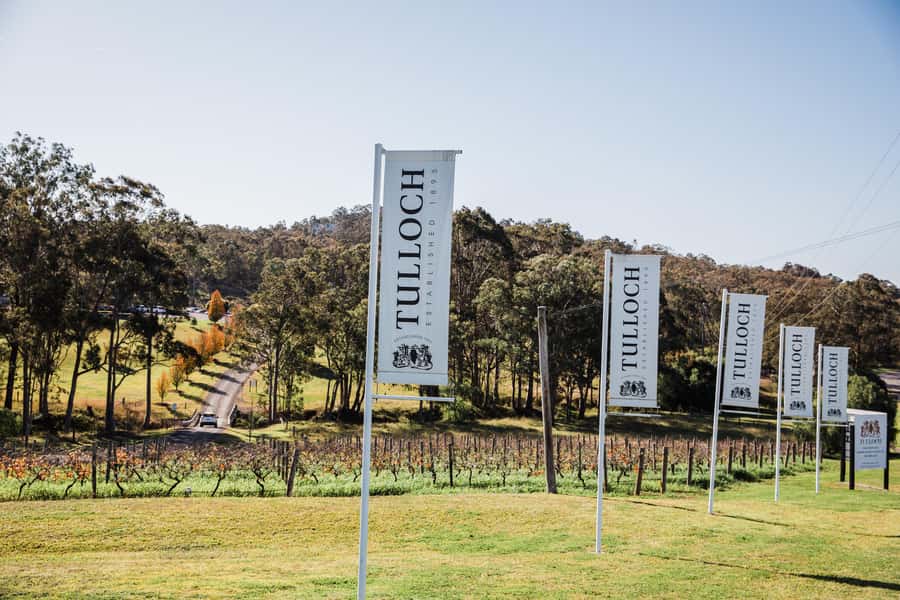
Pokolbin sits at the heart of New South Wales’ Hunter Valley, and Tulloch Wines has the kind of setup that makes a short visit feel complete. You’re not wandering around trying to decode a wine list. You sit down, get an introduction, and taste a designed lineup.
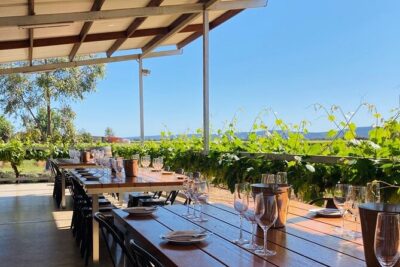
What makes this experience especially useful is the structure. You’re given an individual tasting mat, which means you’re tasting with intent rather than just sipping and hoping it all lands. I also like that the tasting is seated and private, so it’s less of a loud group shuffle and more like a guided session.
This also isn’t just a modern tasting room experience. Tulloch’s family story starts in 1895, when J.Y. Tulloch accepted an unusual settlement for a debt: a 43-acre property near Pokolbin. The story includes neglected Shiraz vines and an immediate interest in getting those grapes working, which explains why the winery’s approach feels rooted rather than trendy.
Even if you’re new to wine, that background helps you taste more intelligently. You start to think in grapes, styles, and age, instead of treating each glass like a random surprise.
You can also read our reviews of more tours and experiences in Pokolbin.

The Hunter Heroes lineup: 5 current releases plus 1 museum wine
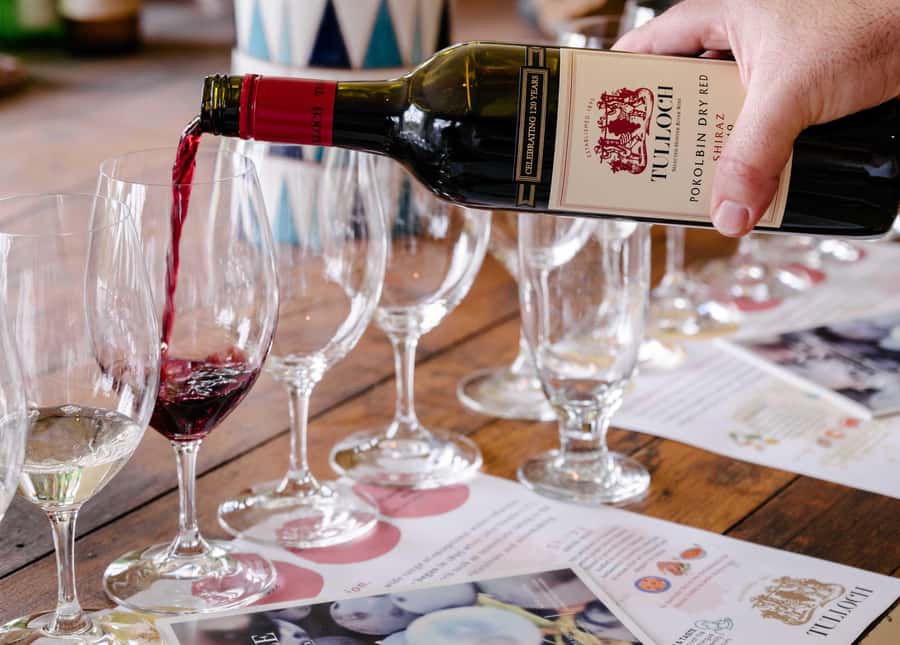
The tasting centers on the idea of “Hunter Heroes,” the Hunter Valley grapes you’ll keep hearing about: Semillon, Shiraz, Chardonnay, and Verdelho. That matters because it helps you build a quick mental map for the region. You leave knowing what to look for next time you’re shopping bottles in the Hunter.
You’ll taste five current release Tulloch wines, which gives you the present-day baseline. Then you’ll add one museum-aged Tulloch wine from their cellar. The museum wine is a big deal because it answers a real question: what happens when you take a Hunter style and let it age?
A museum-aged pour changes the tasting conversation. Current releases often show more freshness—fruit, bite, clean acidity, and youthful texture. An aged wine shifts toward softer fruit expressions, developed aromas, and integrated complexity. Even if you don’t call yourself a “serious wine person,” you’ll notice that difference quickly when the lineup forces the comparison.
It’s also smart that the lineup is designed to represent the best-known grapes of the area. If your day is short, that focus saves time. You’re not chasing obscure varieties that don’t represent what the Hunter is known for.
What the 1-hour pacing feels like at the table
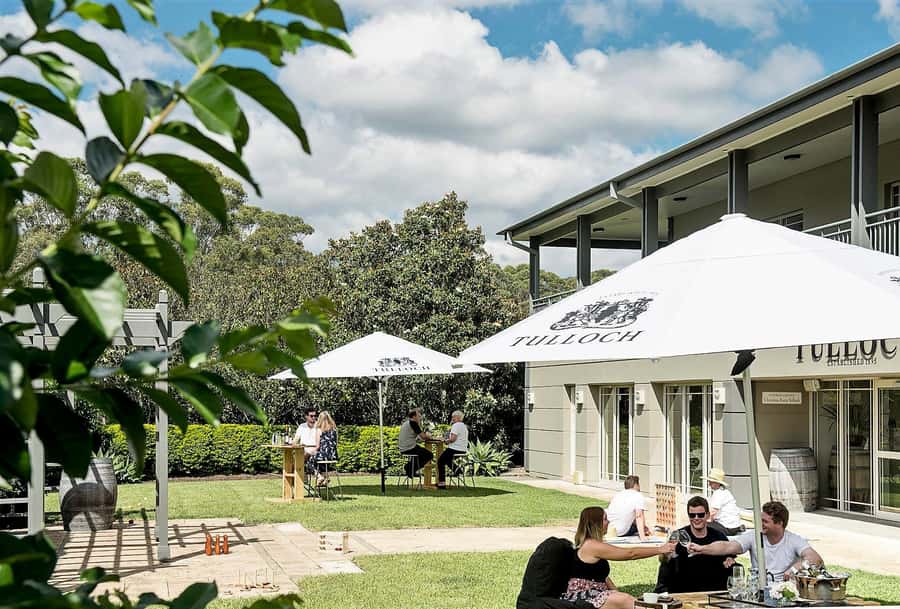
This experience is built for a 1-hour session, so expect a steady rhythm. You’ll taste at a table with an introduction from a Wine Ambassador, then move through the lineup while the food supports the process.
That short format is a practical advantage if you’re planning multiple stops in the Hunter Valley. You can fit it into a day without turning it into a full afternoon commitment. It’s also good if you want a guided tasting but don’t want to spend hours learning theory.
The trade-off is attention. When the pacing is tight, you have to be present for each pour. That’s why the tasting mat matters. Use it right away, not after you finish. Mark your impressions as you go so you can remember what you liked and what you want to seek again.
A small bit of strategy helps: start by deciding what you care about most—freshness, oak character, spice, acidity, or age. When you taste with a target, you stop getting lost in the guesswork. You’ll still enjoy the aromas and flavors, but you’ll also get usable takeaways.
The Wine Ambassador experience: getting value from the guidance
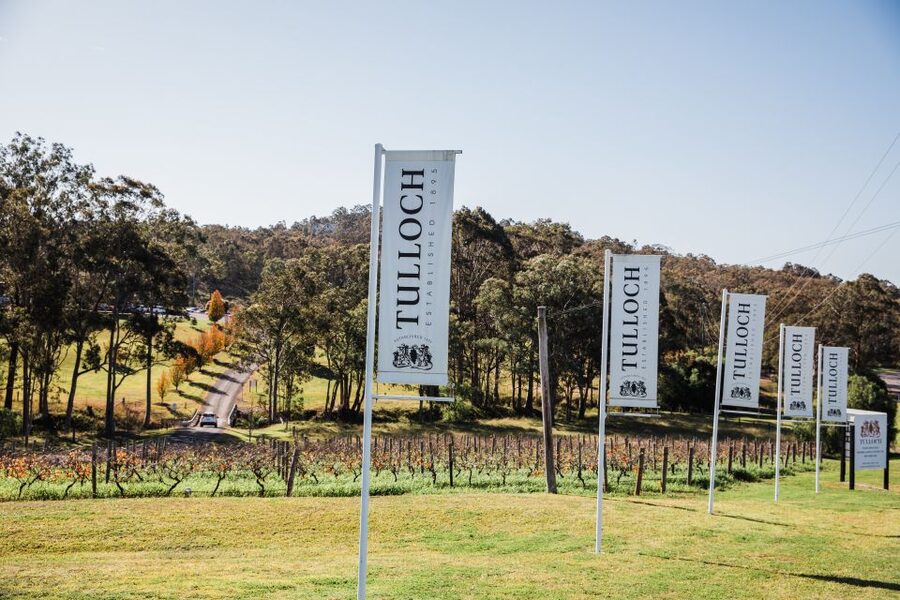
Wine tasting can go two ways. Either you’re left with a pour and a shrug, or you get guidance that helps you taste with purpose. This format is clearly built for the second.
A Wine Ambassador introduces you to what you’re tasting and helps you understand what to look for. In real bookings, guides like Faith have been praised for being amazing, and Bobby has been called out as cool and a genuine wine expert. That lines up with what you want from a tasting guide: clarity, friendliness, and the ability to explain differences without making you feel tested.
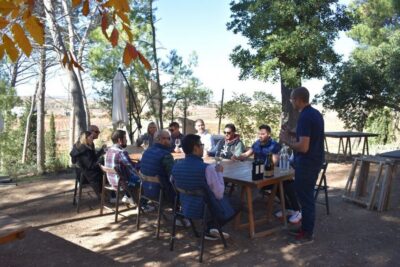
You’ll also notice that the tasting is private group seating. That keeps things comfortable, especially if you don’t want to be the person decoding aromas while others talk over you. You can ask questions in the moment and actually get an answer you remember.
If you’re traveling with friends, this structure also helps avoid the typical group split. People can stay together through the whole lineup, compare notes, and keep things moving.
Cheese and charcuterie pairing that actually supports the wines
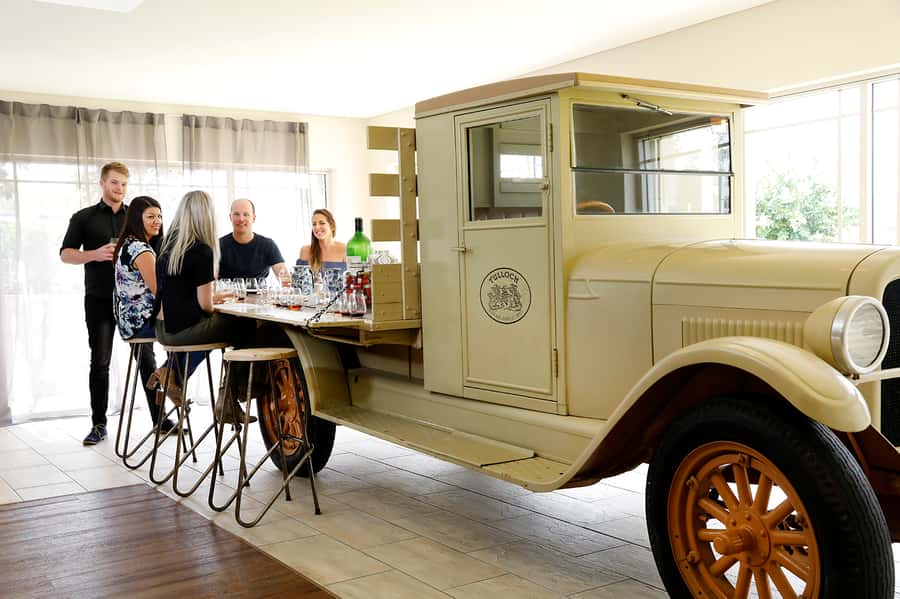
Wine is only half the experience here. The other half is the generous local cheese & charcuterie board served alongside your tasting.
Why does that matter? Because cheese changes how a wine reads. Soft cheeses can highlight creaminess; aged cheeses can pull out nutty or savoury notes; charcuterie brings salt and fat that can reset your palate between tastings. The board also means you don’t leave hungry, which is key when you’re fitting this into a day of winery visits.
Since the tasting is 1 hour, the board is not a slow-course dinner. It’s built for tasting rhythm—enough food to keep you comfortable and interested, without turning into a meal that delays the pours.
One tip that makes the pairing land: treat the board as a tool, not just a snack. If you’re trying to decide between two wines you’re unsure about, swap to a bite of cheese, reset your mouth, then go back to the glass. You’ll often find your preference becomes clearer after that palate reset.
The Tulloch touch: history that changes how you taste
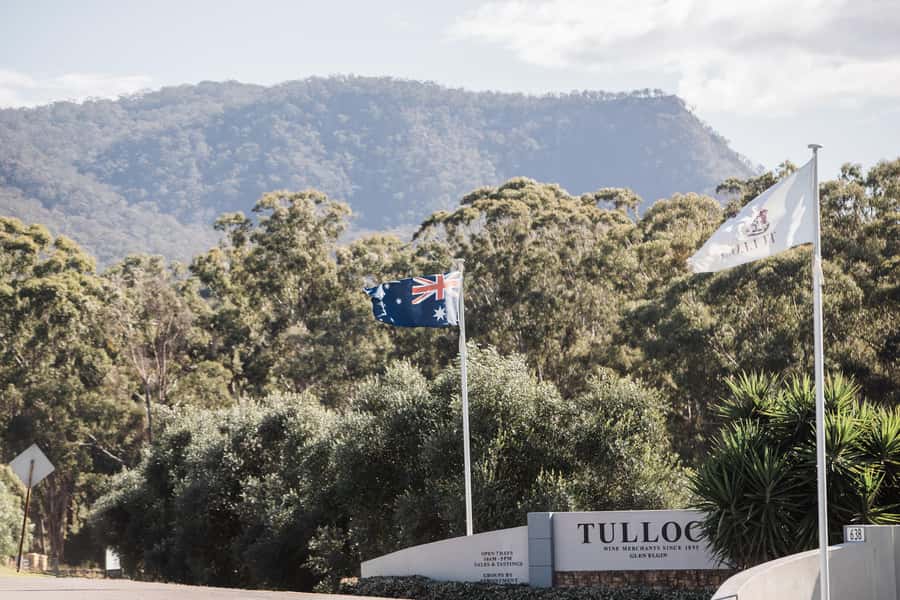
It’s easy for wine history to become a wall of dates. Tulloch’s story is different because it connects to viticulture and how the winery thinks about place.
The Hunter Valley is Australia’s oldest producing wine region, with first vines planted in the 1820s. Today there are over 150 wineries producing a wide range of wines that reflect where they grow. When you connect that timeline to Tulloch’s starting point in 1895, it stops feeling like trivia and starts feeling like context.
J.Y. Tulloch’s debt settlement for a 43-acre property near Pokolbin—and the five acres of neglected Shiraz vines—gives you a sense of how vineyards in the Hunter were built and sustained over time. Then the museum-aged tasting brings that timeline forward into your glass.
That combination is valuable for you because it teaches more than one thing:
- The Hunter is a place where age matters.
- The “now” version of a wine matters too.
- Comparing the two is one of the fastest ways to understand what style can become with time.
Getting the most out of your visit at Tulloch Wines
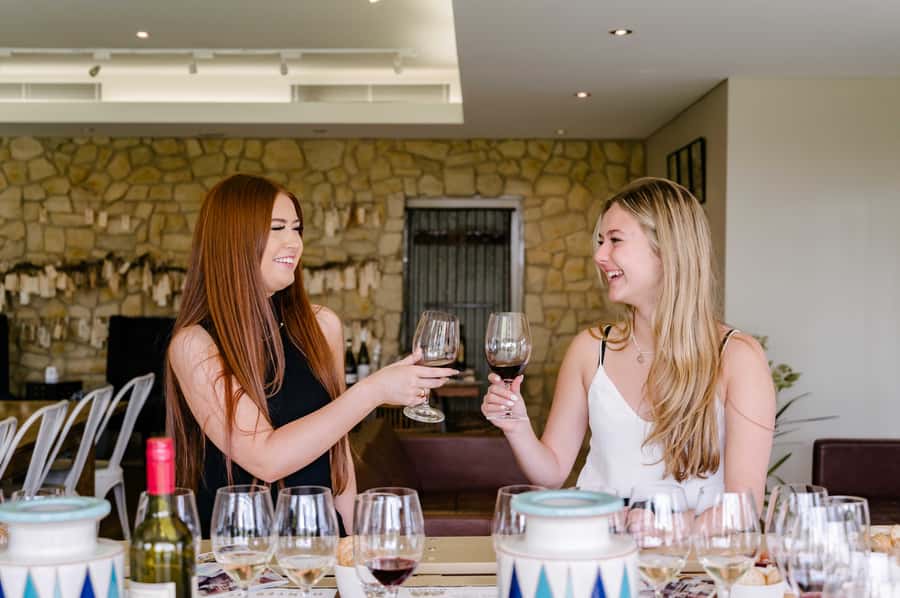
If you want this tasting to feel smooth, plan your timing like a pro. Because the session is only 1 hour, go in with a clear mindset. You’re not there to do a big shopping spree at the start. You’re there to taste, learn, and get oriented.
Bring water outside the glasses. Pace yourself. If you’re driving or pairing with other stops, keep alcohol use reasonable. The experience is enjoyable, but it’s still a tasting.
Also, go ready to taste the way the mat asks you to taste. If you ignore it, you lose a big chunk of value. Use it to remember which wine leaned more toward certain flavors. That helps you later when you’re deciding what to buy—or what to look for elsewhere.
One more practical note: the experience is suitable in all weather. So you don’t have to obsess about the forecast like you would for an outdoor activity.
Price and value: what $37 covers and why it’s fair
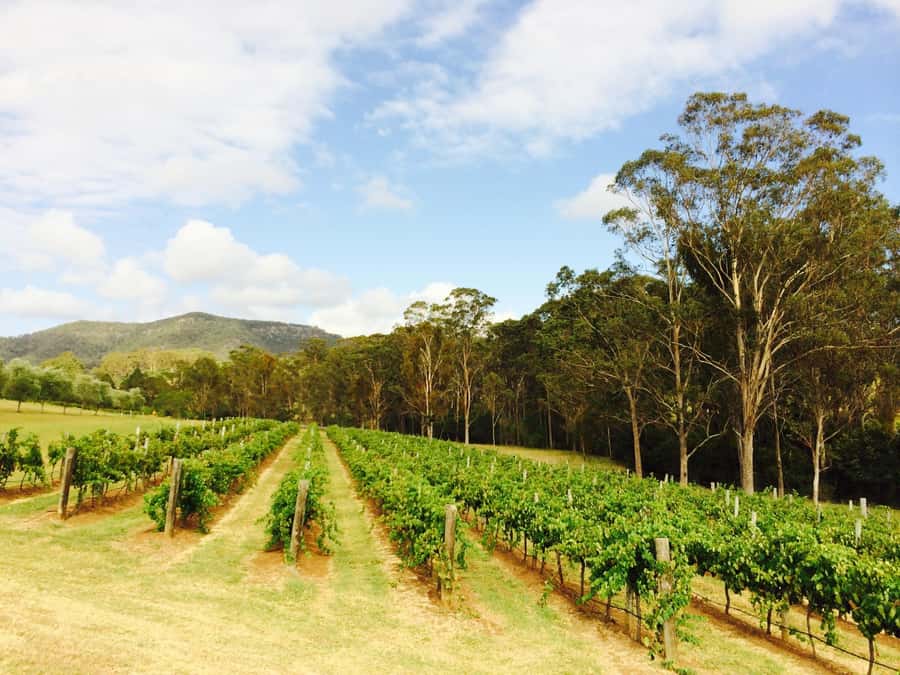
At $37 per person, this tasting sits in a very reasonable zone for what you receive. You get:
- 5 current release wines
- 1 museum-aged wine
- A private seated introduction by a Wine Ambassador
- A generous local cheese & charcuterie board
- An individual tasting mat plus a take-home wine experience guide
The value comes from the combination. Many tastings focus on wine only. Here, you get food that supports tasting, plus a structured comparison wine that you can’t always find in a standard tasting lineup.
Wine purchases aren’t included, so you’re paying for the experience itself, not the bottles. That’s good for you because you can decide after tasting what (if anything) you want to bring home.
If you’re comparing this to other Hunter Valley wine experiences, look for the elements that actually help you learn: the museum-aged pour, the guided format, and the cheese board. Those three factors are what push this from casual to genuinely worth the time.
Family-friendly add-ons for kids and teens
This is not only for adults. If you’re traveling with kids or teens, there are add-ons that keep them involved while you do the wine tasting.
Kids ages 3–12 can join the Junior Tasting Experience. It includes 4 soft drinks and 4 matching snacks and notes that options are nut and gluten free. The big rule is that it must be accompanied by an adult wine tasting.
Teens 13–17 can do a Kombucha Tasting. It includes a selection of Mailer McGuire specialty kombucha paired with a local cheese box. Like the kids option, it’s tied to the adult wine tasting.
A helpful detail for planning: wine tasting is only available to 18+, but these family tastings let you keep everyone in the same time window.
Accessibility and who this works best for
The experience is listed as wheelchair accessible, and it runs in English.
This is especially a good fit if:
- You want a guided tasting without the back-and-forth of self-guided rooms
- You like the Hunter’s signature grapes and want a quick, focused overview
- You enjoy food pairings and want a cheese board that keeps you comfortable
- You’re traveling with a partner or small group and want a seated setup
It’s also a strong choice for first-timers in the Hunter Valley. The tasting lineup is designed to represent the best-known grapes, and the mat gives you structure even if you’re not sure what to focus on.
Should you book this Tulloch Hunter Heroes tasting?
I think you should book if you want a high-value, guided way to understand the Hunter Valley in a short amount of time. The mix of current releases plus a museum-aged wine is the main reason. It gives you a comparison you can’t easily replicate later just by reading labels.
Book it if you also like the idea of a cheese board that supports tasting, not just something sitting there while you sip. And if you care about having a guide at your table, the private seated format makes that much more likely.
Skip it if you hate tasting pacing and want a slow, wandering visit with zero schedule pressure. In that case, you might prefer a longer, more flexible winery experience.
FAQ
What wines are included in the tasting?
You’ll taste 5 current release Tulloch wines plus 1 museum-aged Tulloch wine.
How long is the experience?
The tasting experience is scheduled for 1 hour.
Is hotel pickup or drop-off included?
No, hotel pickup and drop-off are not included.
Can kids or teens join the tasting?
Kids ages 3–12 can do the Junior Tasting Experience with soft drinks and snacks. Teens ages 13–17 can do a kombucha tasting with a cheese box. Both must be accompanied by an adult who is doing the wine tasting.
Is wine tasting available to everyone?
Wine tasting is only available to guests who are 18+.
Is this experience suitable in different weather?
Yes, it is suitable in all weather.