REVIEW · SAN MIGUEL DE ALLENDE
Taste of Europe in Mexico: History and Flavors of Artisan Cheese
Book on Viator →Bookable on Viator
Cheese lessons in Mexico hit different. This 2-hour experience in San Miguel de Allende mixes the story of cheese in Mexico with an up-close tasting of local artisan varieties, plus the fun of learning how to pair, cut, and serve like someone who actually cares. I love the clear hands-on cheeseboard format, and I also like the way the class ties flavors to real history and practical technique. One consideration: it’s a short class, so if you want an in-depth lecture only, you’ll be moving fast.
I like that the teaching is organized around how cheese is made and how artisan versions differ from commercial ones. You also get real pairing guidance for the beverages served along the way, not just a guess-and-hope tasting. The one drawback is that you’re focused on taste and technique, so there’s less time for roaming around town beyond the early landmark moment.
Best of all, the host side matters. Tonya runs the lesson from her home (with a lovely view over the city), and you get the benefit of her love of cheese and her husband’s love of wine pairings as you work through the board.
In This Review
- Key things you’ll notice fast
- Entering the French-Mexican cheese story in San Miguel
- Your 3:00 pm start near Parroquia San Miguel Arcángel
- Appetizers first: building a palate before the main board
- The big teaching moment: a mammoth French-inspired cheeseboard
- How pairing rules actually change what you taste
- What you’ll learn about artisan cheese (and how to shop smarter)
- Desserts after cheese: pistachio cheesecake and goat cheese panna cotta
- Price and value: is $110 worth it for a 2-hour class?
- Who this suits best (and who might want something else)
- Practical tips before you go
- Should you book Taste of Europe in Mexico?
- FAQ
- What time does the class start in San Miguel de Allende?
- Where does the experience begin?
- Is there transportation provided?
- How big is the group?
- Is the tour offered in English?
- What food and drinks are included?
- What does the class include besides tasting?
- Is there free cancellation?
Key things you’ll notice fast
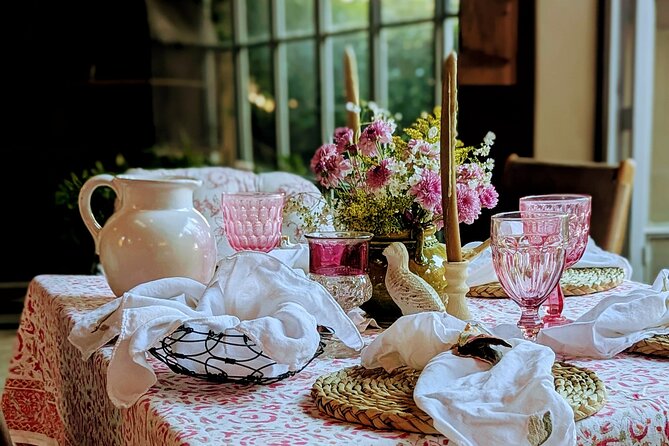
- A French-inspired cheeseboard built for learning: you’re shown how to set it up, then taste your way across it.
- Local condiments that make the flavors make sense: expect pairings with membrillo, cajeta de Celaya, and orange blossom honey.
- A guided path from history to technique: Mexican cheese traditions, how cheese is made, then how to buy/serve/cut/store it.
- Real taste variety, not just one style: plan for appetizers, a dozen or more artisan cheeses, and multiple desserts.
- Small group size: capped at 12 travelers, so you can ask questions without yelling over the room.
Entering the French-Mexican cheese story in San Miguel
San Miguel de Allende is the kind of place where food culture isn’t stuck in one lane. It mixes local ingredients with outside influences, and cheese is a perfect example. In this class, you start with an overview of cheese history in Mexico, including the generations of French cheese makers who made Mexico home for hundreds of years. That matters because it explains why you’ll see styles and techniques that feel European, even when the ingredients and condiments are very Mexican.
You’ll also get a practical framework for what you’re tasting. The lesson walks through how cheese is made, common styles, and the difference between commercial cheese and artisan cheese. You don’t need to be a cheese expert to benefit. The teaching is aimed at helping you notice what changes from one bite to the next—texture, aroma, intensity, and how the flavors land.
And yes, the goal is enjoyment. You’re not being tested. You’re being trained—briefly—so your next cheeseboard purchase and pairing at home actually feels confident.
You can also read our reviews of more tours and experiences in San Miguel de Allende.

Your 3:00 pm start near Parroquia San Miguel Arcángel
The experience starts at 3:00 pm and runs about 2 hours. Your meeting point is Independencia 2260, Mexiquito, 37717 San Miguel de Allende, Gto., Mexico, and the activity ends back at that meeting point.
The itinerary includes a stop at Parroquia de San Miguel Arcángel, which gives you a natural landmark anchor early on. After that, the class experience shifts into the tasting and lesson portion. One of the nice parts of a small-group format is that you get a smoother flow; you’re not getting dragged along in a huge crowd before you even sit down.
If you’re planning your afternoon, build in time to arrive a little early. The class begins at a set time, and once you’re seated, the pace picks up. Also, because it’s offered in English and you’re in a group of up to 12, you’ll want to be able to hear the pairing guidance clearly while you’re tasting.
Appetizers first: building a palate before the main board
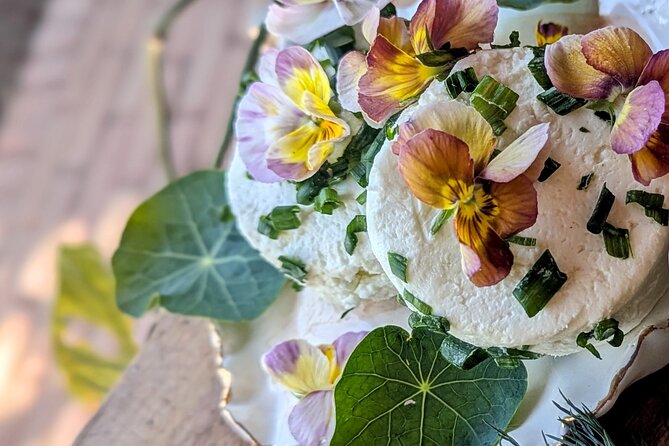
Cheese tasting works best when you’re warmed up. This lesson starts with several cheese-based appetizers and a beverage, then moves into the main tasting sequence after introductions.
Your appetizer line-up can include things like:
- Baked feta with grapes or tomatoes and herbs, served with crostini
- Baked camembert en croûte (or without the crust) with candied pecans and jams, also with crostini
- Charcuterie-style boards with meats, nuts, fruits, olives, jams, membrillo, bread, and crackers
- Antipasto-style plates such as grilled bread with tomato, buffalo mozzarella, grilled eggplant, and zucchini
- Italian artichoke pie with artichokes and provolone in a crust
- Focaccia with rosemary, tomatoes, or olives
Why this appetizer stage matters: it keeps the tasting from turning into one long blur. You’ll sample different textures and intensities first—salty, creamy, tangy, and rich—so when the artisan cheeses come out, your brain has an easier time sorting what’s what.
Also, it gives you a preview of the style of pairing the class will use. If you’re the type who thinks cheese is only about milk and salt, the earlier bites help you see how sweetness (fruit, jams) and spice/savory notes (charcuterie, olives) change the whole experience.
The big teaching moment: a mammoth French-inspired cheeseboard
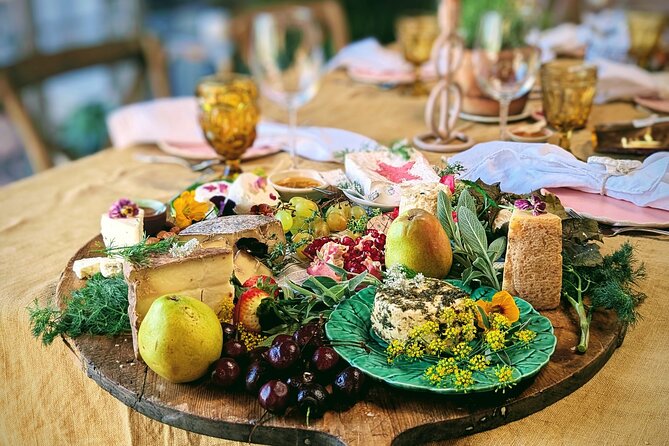
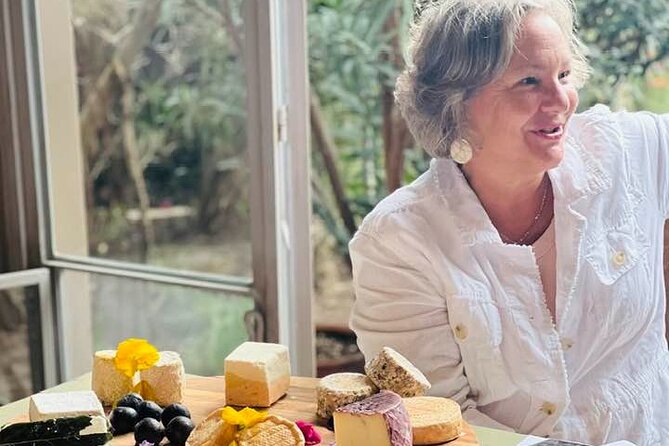
This is the heart of the experience. You’ll set up and work through a large, French-inspired cheeseboard with a dozen local artisan cheeses (the class plans for a dozen or more), then pair them with condiments made around San Miguel de Allende.
You can expect pairings that include:
- Membrillo (quince paste)
- Cajeta de Celaya
- Miel de azahar (orange blossom honey)
- Bread, crackers, and assorted accompaniments (including flowers, as part of the board presentation)
Before you start tasting, you’ll learn how to build the board and how to think about spacing and selection. You’ll also learn where and how to buy cheese in Mexico, plus how to serve, cut, pair, and store it. That’s the part that turns a fun afternoon into something you can use later.
Here’s the practical payoff I like: when you’re told the difference between artisan and commercial cheese, it’s not just for trivia. It changes what you buy and how you plan your board. Artisan cheeses can vary more in flavor and texture, so your “pairing instinct” gets more important. This class gives you the language and the method so you don’t just rely on taste alone.
How pairing rules actually change what you taste
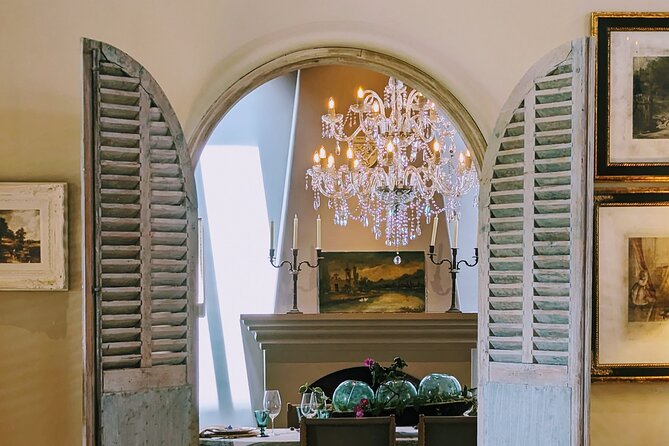
Cheese pairing gets overhyped online. A lot of advice boils down to rules with no explanation. In this class, you’re taught pairing rules for different types of cheese and different beverages served during the tasting.
Even if you don’t remember every rule, you’ll take away a mindset: start with the cheese’s character, then pick an accompaniment that either balances it or gently contrasts it.
This is where the host format shines. Tonya leads the experience with a cheese-first focus, and her husband helps with the beverage and wine pairing approach. That combination makes the pairing feel like a conversation instead of a slideshow. You’ll go around the board, tasting each cheese and hearing about the cheesemakers and cheese culture behind it.
You’ll also hear where to find the cheeses in Mexico—useful if you’re the type who wants to recreate the experience after your last bite. When the class links flavor to origin and technique, it’s easier to understand why a cheese works with membrillo versus honey versus something more savory.
What you’ll learn about artisan cheese (and how to shop smarter)
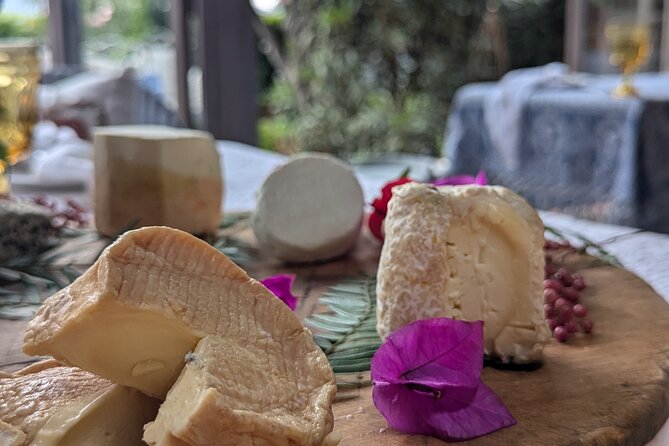
The lesson doesn’t stop at tasting. It also covers how cheese is made and the differences between styles. That part is valuable because cheese can feel confusing when you only see labels. By learning basic production and style distinctions, you get a mental map.
You also learn practical shopping and handling guidance, including:
- how to buy cheese (what you should look for and how to approach the process)
- how to serve it so the texture and flavor come through
- how to cut it (because slicing isn’t just aesthetics)
- how to store it (so it doesn’t lose its qualities before you finish the board)
This is where a class beats buying a fancy cheese box on your own. A box gives you variety; a lesson teaches you how to keep and use that variety. You leave with a clearer plan for your next night-in.
Desserts after cheese: pistachio cheesecake and goat cheese panna cotta
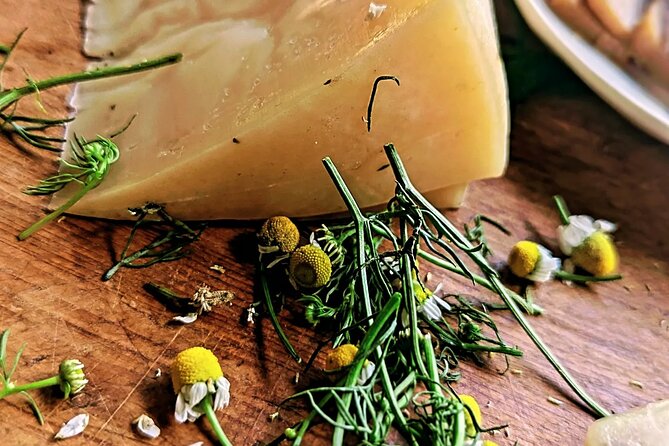
Yes, there’s dessert. And yes, it matters that it’s cheese-based.
After the main tasting board and pairing portion, you finish with a cheese dessert sequence that can include:
- Pistachio cheesecake, made with fresh pistachios and cheeses
- Goat cheese panna cotta, a homemade cooked pudding with fresh local goat cheese
- Fig frangipane tart, often served with cheese ice cream
Dessert can feel like an afterthought in food tours, but here it’s another training moment. Cheese flavor shows up in sweet form too, especially with goat cheese and in ice cream. Finishing this way gives you a more complete understanding of how cheese can move across categories—savory, creamy, tangy, and sweet.
Price and value: is $110 worth it for a 2-hour class?
At $110 per person for about 2 hours, this isn’t a budget snack stop. But it can be very good value if what you want is education plus a serious food spread.
Here’s what your ticket is covering:
- several cheese-based appetizers
- a dozen or more local artisan cheeses
- multiple beverages for tasting and pairing guidance
- board setup and technique instruction
- cheese-based desserts
When you frame it like that, you’re not just paying for taste. You’re paying for guidance that helps you buy and pair cheese afterward. And since the group max is 12, you’re not stuck in a crowded room where half the information gets lost.
The other value factor is authenticity of setting. The class happens in Tonya’s home, with a view over the city. That’s not just ambiance. A home setup makes the experience feel less like a production line and more like a guided meal.
Who this suits best (and who might want something else)
This experience is ideal if you:
- want to learn how to build and serve a cheeseboard, not just sample it
- like food tours that include technique and pairing guidance
- enjoy artisan products and want to understand what makes them different
- are comfortable with a structured, sit-at-the-table format for about 2 hours
It might be less ideal if you:
- prefer outdoor sightseeing as the main event
- want lots of free time to wander after a landmark stop
- dislike tasting multiple items back-to-back (because the flow is intentionally quick)
If you’re a cheese fan and you want to leave with skills you’ll actually use, this is a strong match.
Practical tips before you go
A few small choices can make a big difference:
- Arrive with an appetite. This isn’t a tiny sample—expect a long tasting arc from appetizers to dessert.
- Have water handy after the first bites. Pairings can be intense, and it helps you reset your palate.
- Ask about what cheeses are local to San Miguel and how to buy them. The class explicitly covers where and how to buy, serve, cut, pair, and store cheese—use that time.
Also, it’s offered in English and uses a mobile ticket. If you’re juggling multiple plans in San Miguel, keep your phone charged and your confirmation handy.
Should you book Taste of Europe in Mexico?
If your idea of a great afternoon is food plus clear guidance, I think you should book it. You get a dozen-plus artisan cheeses, Mexican local condiments like membrillo and orange blossom honey, beverage pairings, and a hands-on way to learn cheeseboard technique. The small group limit and Tonya-led instruction make it feel personal rather than factory-like.
I’d skip it only if you want more strolling and less tasting instruction. Otherwise, this is one of those tours that gives you something practical you can repeat—at home, or on your next trip—long after the last bite.
FAQ
What time does the class start in San Miguel de Allende?
It starts at 3:00 pm and runs for about 2 hours.
Where does the experience begin?
The meeting point is Independencia 2260, Mexiquito, 37717 San Miguel de Allende, Gto., Mexico.
Is there transportation provided?
No private transportation is included.
How big is the group?
The class has a maximum size of 12 travelers.
Is the tour offered in English?
Yes, it is offered in English.
What food and drinks are included?
You’ll get several cheese-based appetizers, a variety of beverages, tasting for a dozen or more local artisan cheeses, and a cheese-based dessert.
What does the class include besides tasting?
You’ll learn about the history of cheese in Mexico, how cheese is made, artisan versus commercial cheese differences, and how to build a cheeseboard and buy/serve/cut/pair/store cheese. You’ll also learn pairing rules for different cheeses and beverages.
Is there free cancellation?
Yes. You can cancel for a full refund up to 24 hours before the experience’s start time.