REVIEW · STRASBOURG
Wine and Cheese Tasting
Book on Viator →Operated by Comptoir des Vignerons Alsaciens · Bookable on Viator
Five pairings, one very good lesson. If you’re in Strasbourg, this Alsatian wine-and-cheese tasting at the Comptoir des Vignerons Alsaciens turns a simple snack into a mini class on pairing, led right at the winemakers’ counter. You’ll taste in order, learn a few practical rules, and start spotting what makes a pairing work instead of just hoping it does.
I especially like the focus on five curated cheese and wine pairings with a “watch how it’s built” approach. The staff guide the sequence so you can connect the dots between what you smell, what you taste, and what the cheese is doing to the wine. I also like the social side: you’re encouraged to share thoughts and talk aromatic profiles with people who come from different places, which makes the tasting feel warm and real rather than scripted.
One thing to consider: language and pacing can vary depending on who’s in the group. Even though English is offered, some sessions may lean more French, and the tasting can feel a bit rushed if there are more people at once.
In This Review
- Key highlights you shouldn’t miss
- Why Strasbourg’s wine-counter setup is such a smart idea
- The flow of the tasting: 5 pairings and the order that matters
- What you’ll learn: pairing rules you can use when you host
- The wines: Alsace character, including independent family producers
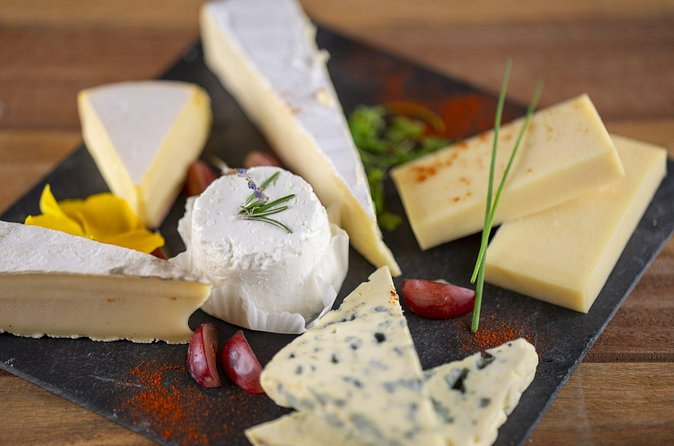
- Cheese side: what you’re tasting and why it changes everything
- Conversation energy: warm sharing in a counter setting
- Price and value: is $42.05 worth it in Strasbourg?
- Language and group-size considerations (read this part carefully)
- Where you go: the practical meeting point and timing reality
- Who this wine-and-cheese tasting fits best
- Should you book this Strasbourg tasting at Comptoir des Vignerons Alsaciens?
- FAQ
- Where does the wine and cheese tasting start?
- How long is the experience?
- How many people are in each group?
- Is the tasting offered in English?
- Do I need to be 18 or older to drink wine?
- Do I get a mobile ticket?
- Is there free cancellation?
Key highlights you shouldn’t miss
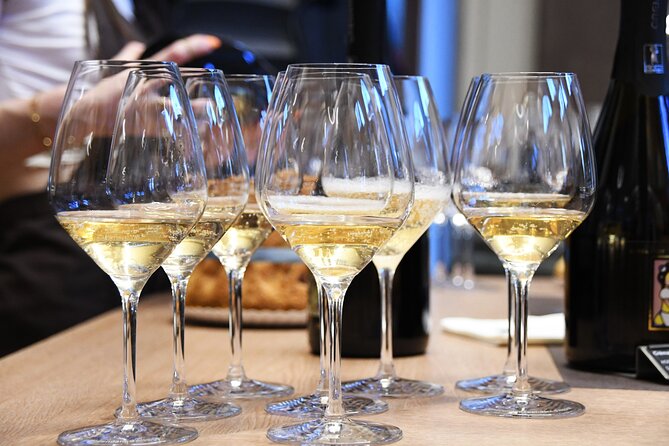
- Five cheese and wine pairings with guidance on the tasting order
- Pairing rules you can actually use later when you build your own spread
- Small group size (up to 20) that should keep things conversational
- Alsace-focused wines, including pours from independent, family wineries
- Aromatic profile talk so you learn the why behind the flavors
Why Strasbourg’s wine-counter setup is such a smart idea
Strasbourg is the kind of city where food and drink feel built into daily life, not packaged for tourists. Doing a wine-and-cheese tasting in a winemakers’ counter setting makes the lesson easier to follow. You’re not bouncing between locations. You’re planted in one spot, with the tasting order and explanations happening right in front of you.
That matters because wine-and-cheese pairing is all about sequence. If you taste everything randomly, it’s hard to tell what changed your palate. The format here is designed to keep the tasting structured—so you can go from first impressions to clearer observations without your brain feeling like it’s trying to do homework while hungry.
The flow of the tasting: 5 pairings and the order that matters
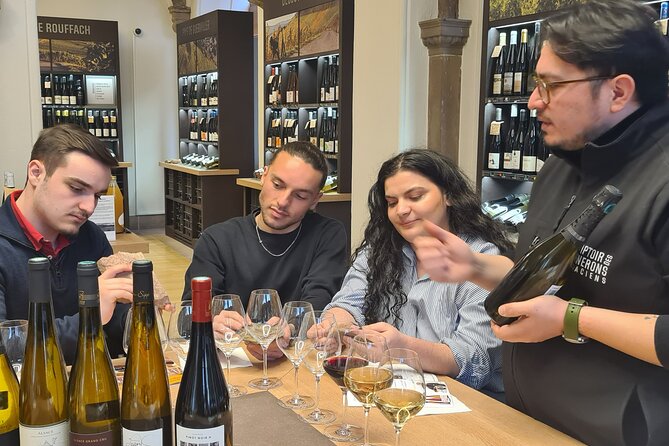
The core experience is simple: you try five cheese-and-wine pairings, guided by wine merchants and winemakers experts. You’ll be walked through what you’re tasting, in what order, and what to notice as flavors shift.
Here’s how the structure usually helps you:
- You start with a pairing that sets a baseline for what to look for.
- As you move through the list, you learn how wine can highlight different cheese traits—salt, creaminess, nuttiness, or a sharper edge.
- By the later pairings, you’re no longer just guessing. You’re making a choice based on aroma and taste behavior.
The guide is also there to give you the basics and then nudge you into the fun part: detecting “unexpected and refined” matches. That’s the real value. If you walk out only knowing which cheeses you liked most, you’ll miss the larger skill.
And because this is a shared moment, you’re given time to compare notes. People tend to get more talkative during the mid-to-late pours, especially when someone spots a flavor they didn’t expect.
What you’ll learn: pairing rules you can use when you host
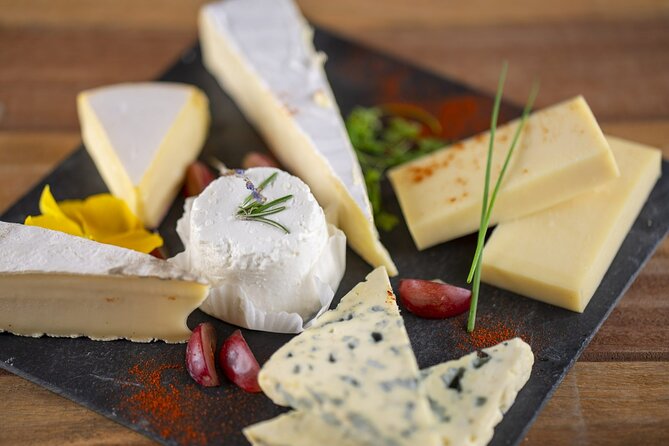
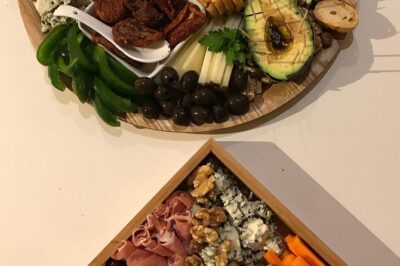
A good tasting should teach you something you can repeat. This one leans that way. You’ll get a few golden rules for pairing—plus the kind of practical guidance that helps when you’re putting together a tasting tray for guests.
What that looks like in plain terms:
- Matching is easier when you think in flavor direction, not just label and brand.
- Texture matters. A creamy cheese can soften a wine that would feel harsh with something drier.
- Salt and acidity can change the experience fast, so you learn to pay attention to how each bite and sip resets your palate.
- Aromas can guide your prediction. If you notice what’s showing up in the glass, you’ll find the next pairing easier to understand.
The tasting is also described as a way to understand the fundamentals, not just sample products. That’s why it works even if you’re new to wine. You’re not expected to be an expert. You’re given a simple framework, then you test it five times.
The wines: Alsace character, including independent family producers
The best part of Alsace wine is often how easy it is to find a style that fits your taste without it all sounding the same. In this experience, you get to try multiple pairings, including wines from independent, family wineries. That gives the tasting a grounded feel—you’re sampling choices that aren’t just generic crowd-pleasers.
You’ll also talk through aromatic profiles of the wines. This is where the experience feels less like a lecture and more like a guided conversation. When you can connect what you smell to how the wine changes next to cheese, pairing becomes less mysterious.
If you like learning how flavors behave—rather than just memorizing what goes with what—you’ll get a lot out of that discussion portion.
Cheese side: what you’re tasting and why it changes everything
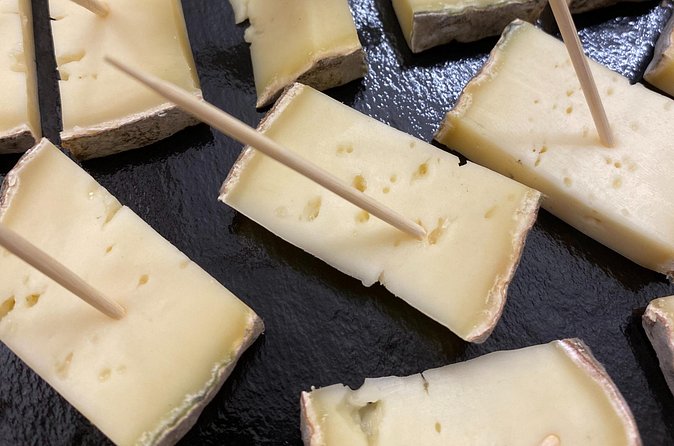
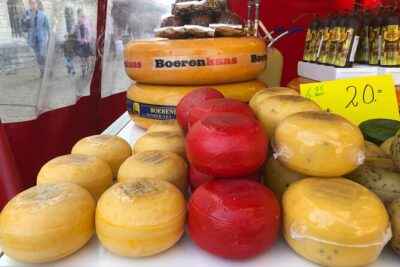
Cheese is the “active ingredient” in wine-and-cheese pairings. Even if you love wine, it’s cheese that often creates the surprise.
In this tasting, the cheeses are paired deliberately across the five rounds. The goal isn’t just variety for variety’s sake. The pairings are arranged so you can notice how different cheeses:
- bring out certain aromas in the wine,
- soften or sharpen the wine’s feel,
- and create a stronger finish—or a cleaner reset—after each sip.
Because you’re being guided on what to notice, you’re less likely to leave thinking, I liked everything, and more likely to leave thinking, I get why this worked.
Conversation energy: warm sharing in a counter setting
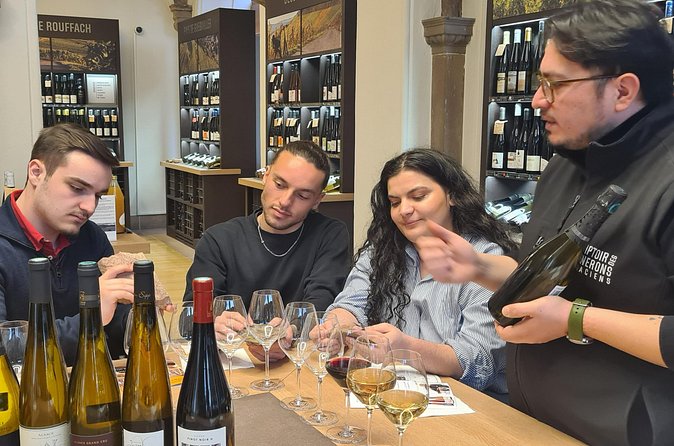
One of the repeated positives is the friendly, social vibe. The host and staff create a relaxed atmosphere where people share reactions rather than sit quietly taking notes.
That’s valuable because pairings are personal. What tastes balanced to you might feel too intense for someone else. When the guide invites you to talk through aromatic profiles and flavor impressions, you get a wider range of “why” explanations.
Also, the setting—an actual winemakers’ counter—helps keep the tone authentic. It feels like you’re meeting the people behind the products rather than standing in a staged tasting room that could be anywhere.
Price and value: is $42.05 worth it in Strasbourg?
At $42.05 per person, you’re paying for a structured tasting: five cheese-and-wine pairings plus guidance from wine merchants/winemakers experts. You’re also paying for a small-group teaching setup at a fixed location, not just a grab-and-go snack.
Here’s how I’d judge the value:
- If you want to learn pairing fundamentals and not just drink wine, the guided format justifies the cost.
- If you only want the simplest kind of tasting, you might feel it’s pricier than a casual food stop.
- Because it’s up to 20 people, you’re not paying for a private class. But you also aren’t in a massive room where the guidance disappears.
If you’re the type who enjoys tasting multiple combinations and then using the ideas later, this price can make sense.
Language and group-size considerations (read this part carefully)
This experience includes French and English options, and it’s described as offered in English. Still, one concern shows up in feedback: English may not cover every participant the same way in every session.
If you don’t speak French well, here’s what you can do:
- Confirm the language for your specific time slot when booking.
- If your confirmation includes language notes, treat them as important, not decorative.
- If you’re relying on English to understand the full explanation, choose your session carefully.
Group size is capped at 20, which is good. But even within a cap, a packed group can make explanations feel quicker. One practical issue that matters if you’re hungry: in at least one experience, bread ran out, and getting more wasn’t immediate. If you have a strong appetite, consider eating something light before you go so you’re focused on tasting, not waiting.
Where you go: the practical meeting point and timing reality
You meet at 10 Pl. Gutenberg, 67000 Strasbourg. The tasting ends back at the same meeting point.
Timing is listed two ways: about 1 hour in the quick summary, and 1h30 in practical info. My advice: plan for around 90 minutes. Give yourself enough buffer to arrive a few minutes early, settle in, and start tasting without feeling rushed.
Mobile ticket and confirmation at booking make it easy to show up and go. It’s also near public transportation, which is handy if you’re stacking it with other Strasbourg sights.
Who this wine-and-cheese tasting fits best
This is a great fit if you:
- want an Alsace-flavored wine experience without guessing,
- enjoy learning how flavors interact in real time,
- like small social settings where you can talk with the group,
- and want takeaway knowledge for building your own cheese-and-wine tray.
You might want to pick something else if:
- you need 100% English throughout every part, including extended explanations,
- you’re extremely sensitive to pacing,
- or you’re expecting a quiet, slow, sit-down dinner experience.
Should you book this Strasbourg tasting at Comptoir des Vignerons Alsaciens?
If you’re aiming for a fun, structured way to learn wine-and-cheese pairing in Strasbourg, I’d say yes, with one smart caveat: double-check the language option for your time slot and arrive ready to taste and talk.
This is the kind of activity that rewards curiosity. You’ll leave with both flavors you enjoyed and a method you can use next time you’re choosing wine and cheese for friends.
If you want a guided tasting that stays small, teaches pairing basics, and keeps the atmosphere warm, this one is a solid bet.
FAQ
Where does the wine and cheese tasting start?
It starts at 10 Pl. Gutenberg, 67000 Strasbourg, France, and it ends back at the same meeting point.
How long is the experience?
The duration is listed as about 1 hour, and practical information says about 1h30. Plan on roughly 90 minutes.
How many people are in each group?
The group size is capped at a maximum of 20 travelers.
Is the tasting offered in English?
The experience is offered in English, and languages listed include French and English. Language delivery can vary by session, so it’s worth confirming your time slot language when booking.
Do I need to be 18 or older to drink wine?
Yes. Alcoholic beverages are served only to travelers 18 years and older. Guests under 18 are served grape juice.
Do I get a mobile ticket?
Yes, the tour includes a mobile ticket.
Is there free cancellation?
Yes. You can cancel up to 24 hours in advance for a full refund.