REVIEW · DIJON
Dijon: Cheese and Burgundy Wine Tasting Workshop
Book on GetYourGuide →Operated by Vino dilectio · Bookable on GetYourGuide
Cheese changes the way Burgundy wine tastes. This 45-minute workshop in central Dijon has you tasting local cheeses and Burgundy wines side by side, with a guide who explains the pairing logic as you go.
I like the small group size (up to 8), because you get real attention, not just a pour-and-run. If you want a full course in Burgundy history, a workshop this short can feel like a quick sampler rather than a deep lecture.
Small group pairing, not just a wine pour
Central Dijon location, easy to reach on foot
Bilingual live guide (French and English)
Cheese and wine tasting plus pairing explanations
Small producers and regional traditions in one sitting
45 minutes is enough to learn, not enough to get bored
In This Review
- Dijon Wine and Cheese: Why This Workshop Works
- Finding the Meeting Cellar in Central Dijon (Without Stress)
- What Happens During the 45-Minute Tasting
- Cheese and Wine Pairing: What You’ll Learn (That Actually Helps)
- The Guide Experience: Bilingual, Friendly, and Built for Questions
- Burgundy Small Producers: What to Pay Attention To
- Price and Value: Is $57 Worth It?
- Who This Workshop Is Best For
- Should You Book This Dijon Cheese and Burgundy Wine Workshop?
- FAQ
- How long is the Dijon cheese and Burgundy wine tasting workshop?
- What’s included in the price?
- Is the tour guide available in English?
- How big is the small group?
- Where does the workshop take place?
- Is there free cancellation or pay-later booking?
Dijon Wine and Cheese: Why This Workshop Works
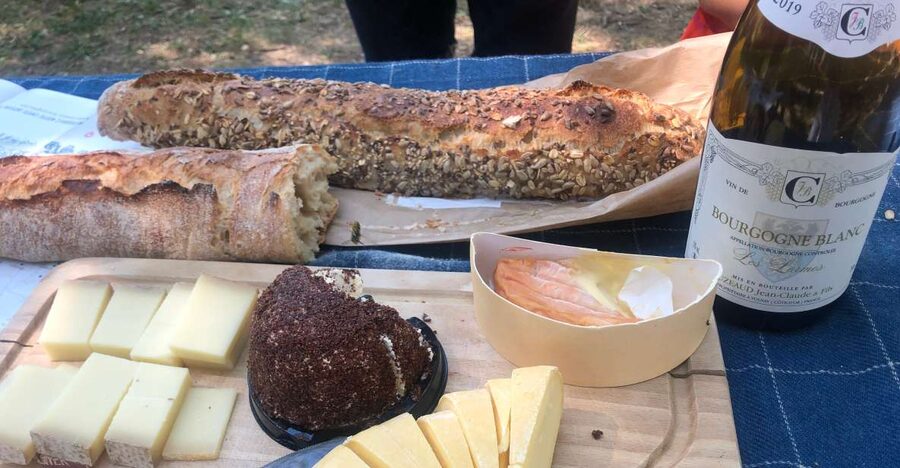
Dijon is a perfect base for Burgundy. But walking into a shop and buying cheese can feel like roulette. This workshop fixes that. It’s built around a simple idea: you don’t learn pairing by memorizing rules—you learn by tasting the shifts.
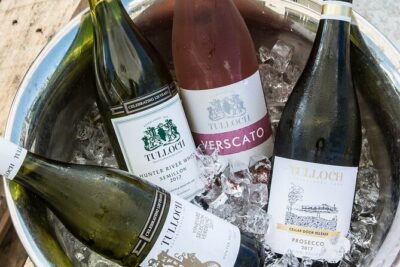
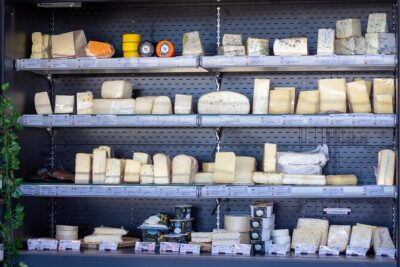
You’ll taste a variety of local wines from smaller producers and a range of regional cheeses. Then the guide connects what you taste to why it works. That matters because Burgundy is all about nuance. A village wine, a certain style, or a specific cheese can make you feel like you discovered something new, even if you’ve only been drinking for a day.
I also like the pacing. Forty-five minutes is long enough to take in multiple tastings and understand the pattern, but short enough that you can slot it into a normal travel day without turning it into a whole event.
One more plus: the setting. The tasting happens in a cellar right in the center of Dijon, and that changes the vibe immediately. It feels more like a local ritual than a tourist performance. Even better, the meeting point is set up so you can find it without a maze of directions.
Finding the Meeting Cellar in Central Dijon (Without Stress)
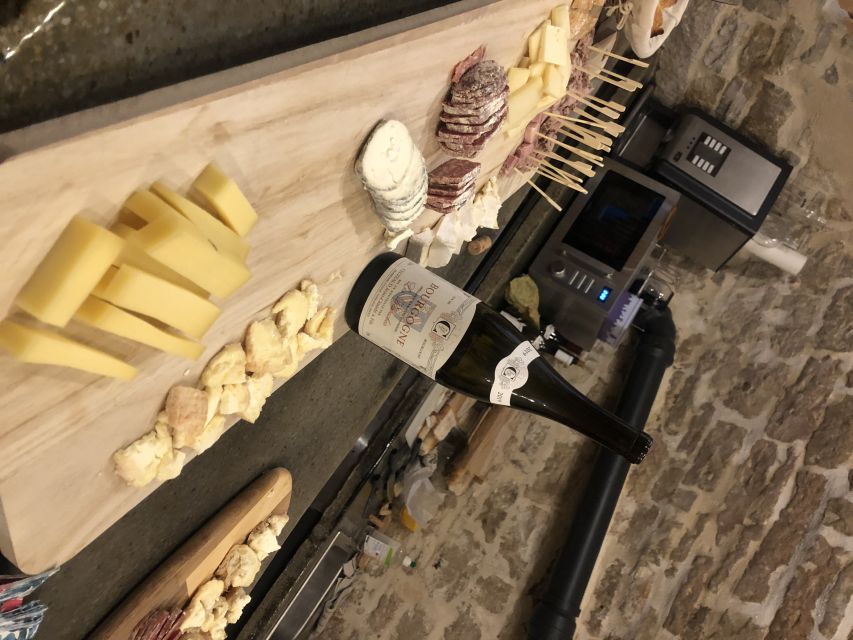
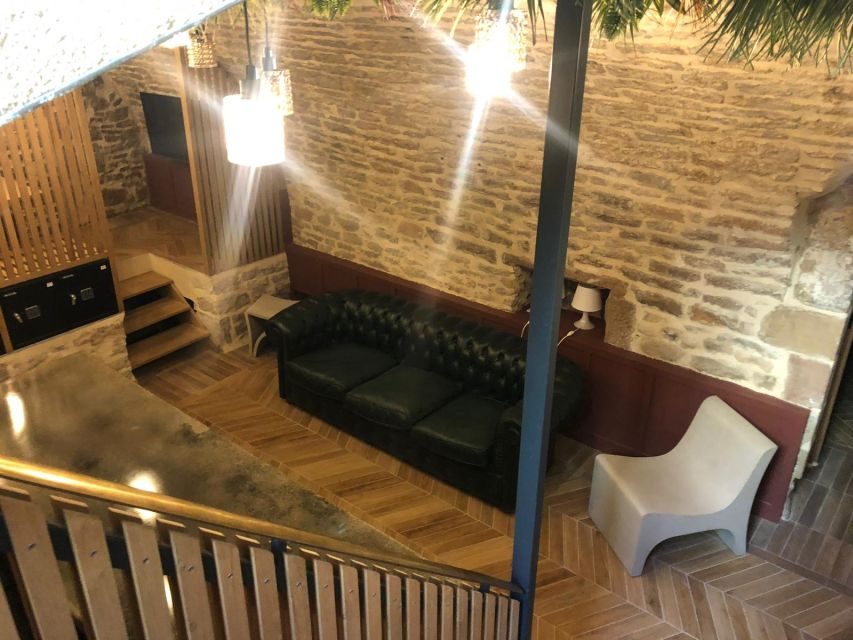
The workshop meets in a cellar in the center of Dijon, located inside a coworking space. That’s a practical detail with real value. If you’ve ever tried to find a wine event in an old city, you know how quickly time can slip away.
Here’s what this setup means for you:
- You can plan it before or after a main sight without losing half your morning to navigation.
- You’re in the city core, so you can pair it with other Dijon stops the same day.
- The cellar location gives you a consistent experience even if the weather turns.
If you’re arriving in Dijon for the first time, I’d treat this as one of your early bookings. It helps you get your bearings, and you’ll leave with a better sense of what to look for when you’re browsing wine or cheese shops later.
You can also read our reviews of more tours and experiences in Dijon.
What Happens During the 45-Minute Tasting
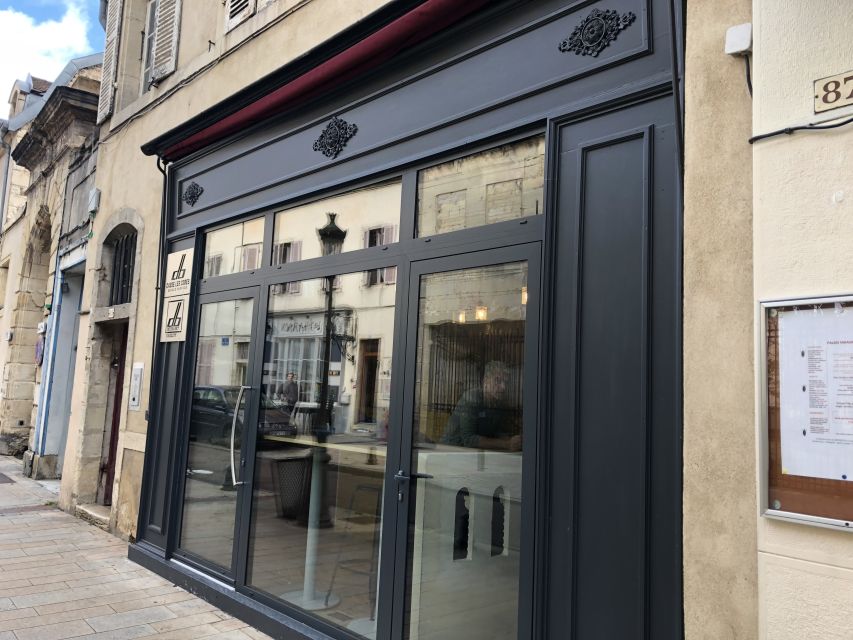
This is a workshop, not a formal dinner and not a long lecture. Expect a structured flow that keeps you tasting and learning.
First, you’ll be welcomed in the cellar. The guide then guides you through tastings of local cheeses and pairs them with wines from the Burgundy region. The pairing is the point, so you’re not just tasting one wine and moving on. You’ll experience how a cheese can change your perception of a wine—and how the reverse works too.
As you taste, you get wine paring explanations. That’s important because it turns the experience from fun sampling into useful travel knowledge. The guide helps you understand things like what kind of cheese features you should look for, and why certain pairings work better than others in real life.
You also learn about traditions and history of wine in the region and about cheese culture. You won’t walk out with a textbook in your pocket, but you will understand the basics well enough to order or buy with confidence.
And yes, the servings feel generous in this kind of format. A lot of people leave feeling like they got good value for time, not just a few sips and a token bite.
Cheese and Wine Pairing: What You’ll Learn (That Actually Helps)
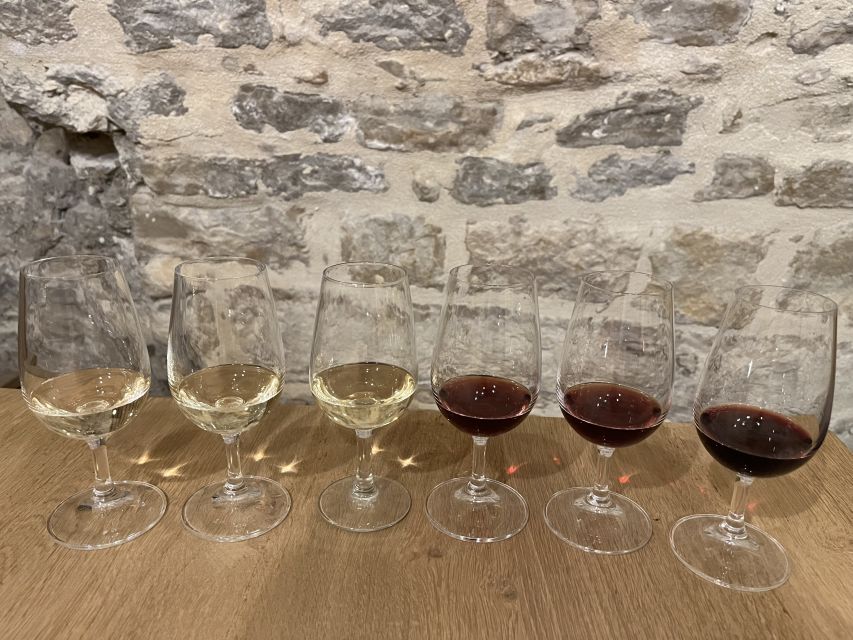
Pairing sounds fancy. In practice, it’s mostly about balance. This workshop teaches that balance through experience.
You’ll learn how different cheeses react with different wines. Some pairings highlight flavors; others mute them. The guide’s job is to help you notice those changes, not just consume them.
Here are the kinds of pairing takeaways you can expect to walk away with:
- How acidity and richness interact: a wine that feels sharp on its own can taste smoother next to the right cheese.
- How salt and aroma carry: some cheeses amplify wine aromas, while others can make flavors feel louder.
- Why regional choices matter: Burgundy and its cheeses share local traditions, and that common background makes the pairing feel natural.
What I like is that it’s explained in a way that stays practical. You’re not stuck doing homework later. Instead, you learn a method you can use again when you’re eating in Dijon.
Also, the guide supports questions during the session. That’s the difference between a guided tasting and a self-guided snack. If you’ve got specific tastes—dry versus fruity wines, stronger versus milder cheeses—you’ll get help placing what you like into context.
The Guide Experience: Bilingual, Friendly, and Built for Questions
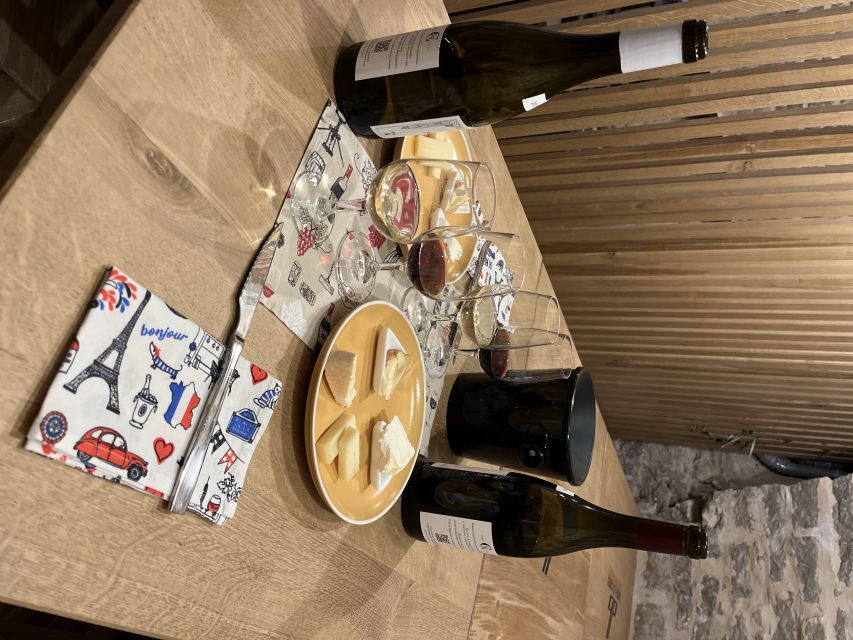
The workshop is led by a live tour guide in French and English. That’s a big deal if you want more than a generic overview. You get explanations in the language you need, and you don’t have to rely on gestures or guesswork.
Several guides run the session, and the style is consistent: friendly, engaging, and focused on the tastings in front of you. Names you might hear include Emeline (and similar spellings depending on the booking listing). Either way, the guide’s role is to connect flavor to reason.
I especially value that the guide is there to answer questions. Wine and cheese can get overwhelming fast, because everyone has an opinion. Having a local specialist guide your tasting helps you separate what’s true in your palate from what’s just wine talk.
A useful tip: go in with curiosity. If you’ve got a wine you already like, mention it during the workshop. The guide can usually steer you toward pairings that make that flavor easier to recognize.
Burgundy Small Producers: What to Pay Attention To
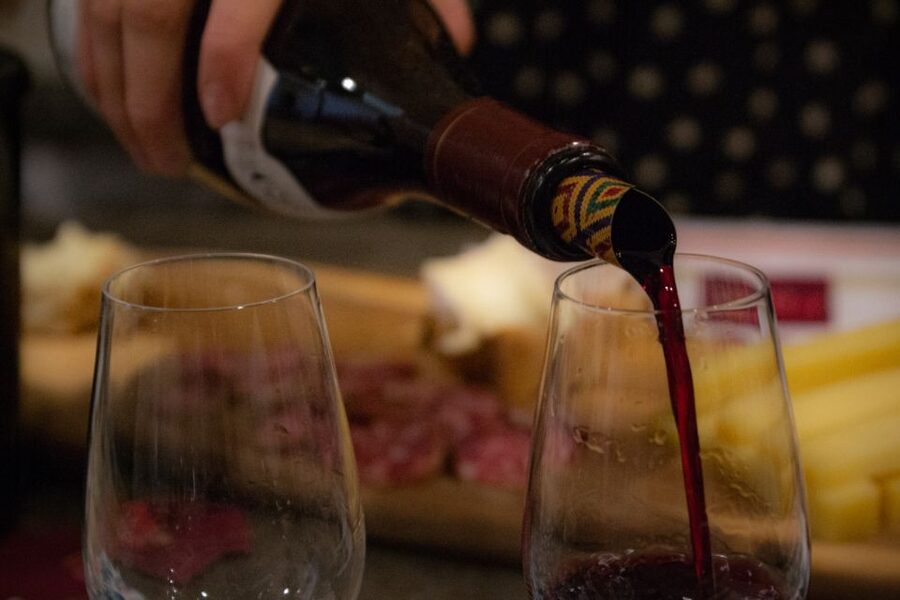
One reason this tasting feels memorable is the focus on small producers. In Burgundy, that matters. Big labels can be consistent, but small producers often show more personality—more of the “why” behind the wine.
As you taste, look for changes in:
- aroma: how the wine smells before you taste it
- structure: whether it feels light, round, or more firm on the tongue
- finish: how long the flavor lingers and what it turns into
The pairing adds another layer. A cheese can make a wine taste fruitier, drier, more aromatic, or less harsh. You’ll start to understand that Burgundy isn’t one flavor—it’s a set of styles, often influenced by where the grapes come from and how they’re made.
This matters because the goal isn’t just to drink something good today. It’s to help you make better choices tomorrow in Dijon, when you’re standing in a shop and trying to pick something that fits your taste.
Price and Value: Is $57 Worth It?
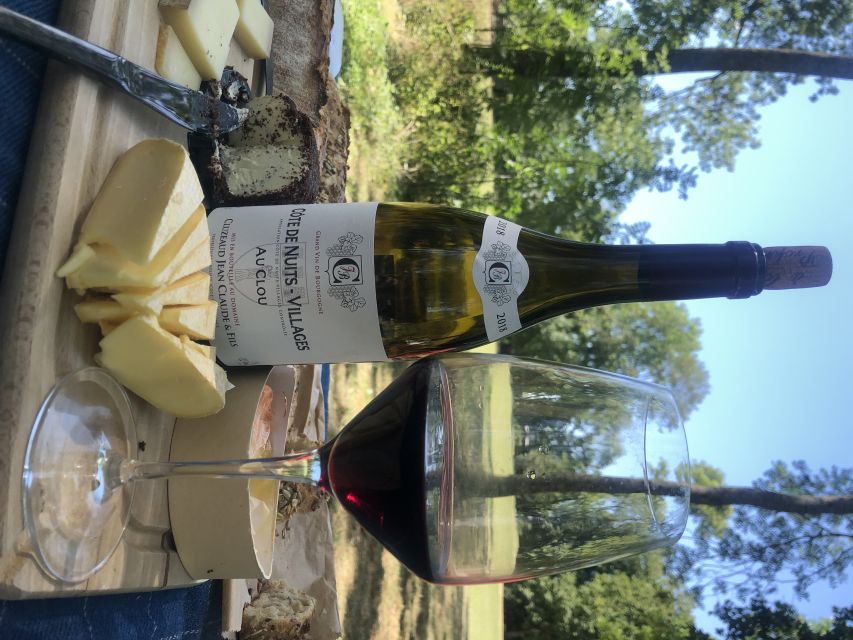
At $57 per person for a 45-minute workshop, the value comes from three things you actually receive:
- multiple tastings (wine and cheese, not just one)
- pairing explanations that help you learn
- a small group experience with a guide you can ask questions to
If you’ve ever paid for a long wine tour and spent most of the time commuting, this format is smarter. It keeps you in the city, in a real cellar setting, and turns the time into learning. You’re not paying only for wine; you’re paying for the reasoning behind the pairings and the selection process.
Also, the small group size can justify the price. With fewer people, your questions and preferences matter. That’s hard to replicate on your own without paying for a guide or tasting flights at multiple places.
My practical take: if you plan to eat cheese and drink wine while you’re in Dijon anyway, this workshop often pays back quickly. It gives you confidence to order well on the next day, instead of guessing.
Who This Workshop Is Best For
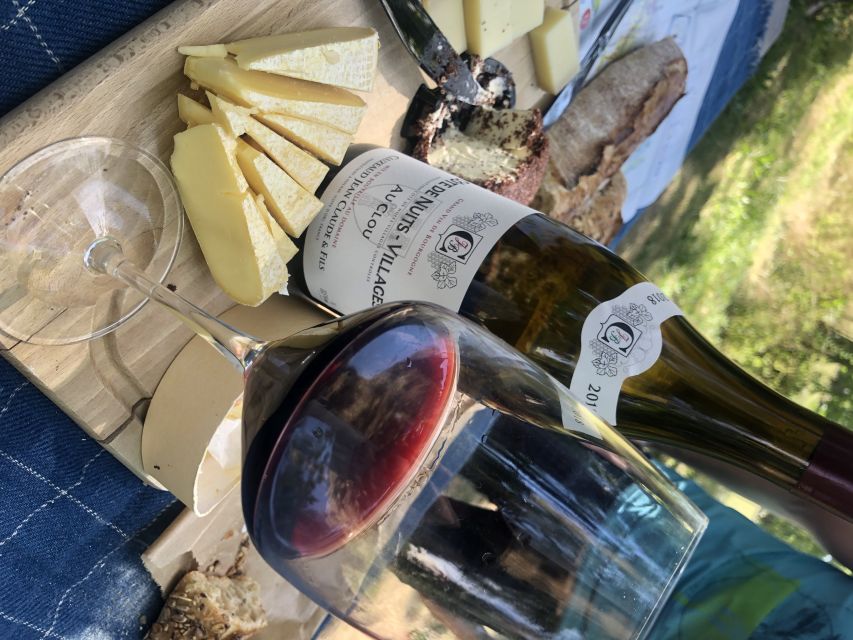
This is a great fit for people who:
- want a quick, high-impact introduction to Burgundy wine and cheese pairing
- like guided tastings with time for questions
- are traveling in the city and want something walkable and time-friendly
- want a fun, local-feeling activity that’s not stuck behind a tour-bus window
It’s also a good choice if you’re the kind of traveler who loves learning by doing. If you read about wine but never quite understand it until you taste, this workshop is made for you.
If you’re traveling with kids, the host can plan something, but you’ll want to mention that when you contact them so the session matches your family situation. (Details like age range aren’t specified, so confirm directly.)
And if you’re short on time? Forty-five minutes is the sweet spot. You can do this and still have energy left for dinner.
Should You Book This Dijon Cheese and Burgundy Wine Workshop?
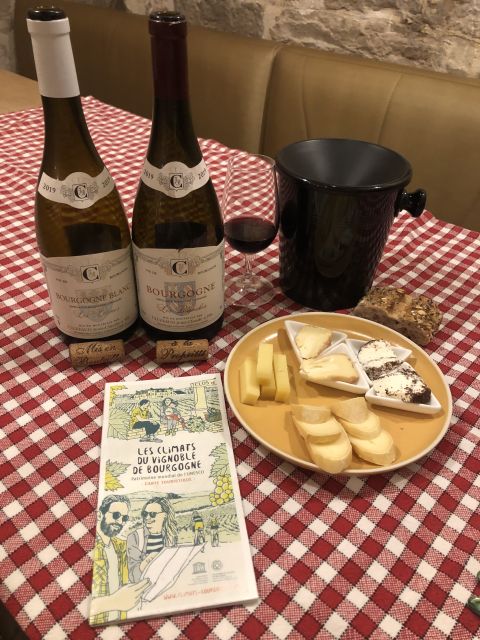
Yes, I think you should book it if you want a guided pairing experience in central Dijon. The combination of wine and cheese tastings, the pairing explanations, and the small group setting make it feel like actual learning rather than passive sipping.
Book it especially early in your Dijon days. You’ll gain a better sense of what you like, and you’ll feel more confident when you’re buying or ordering later. The cellar location is also a win for convenience, which is underrated when you’re on holiday.
Skip it only if you’re looking for a long, deep Burgundy history seminar or a full day excursion. This is focused. It’s meant to teach pairing fast, then send you back into Dijon with better instincts.
FAQ
How long is the Dijon cheese and Burgundy wine tasting workshop?
The workshop lasts 45 minutes.
What’s included in the price?
You’ll get wine tasting, cheese tasting, and wine pairing explanations.
Is the tour guide available in English?
Yes. The guide offers French and English.
How big is the small group?
The group is limited to 8 participants.
Where does the workshop take place?
It takes place in a cellar in the center of Dijon, located inside a coworking space.
Is there free cancellation or pay-later booking?
Yes. You can cancel up to 24 hours in advance for a full refund, and you can reserve now and pay later.