REVIEW · GREECE
Crete: Farm Visit with Cheese Tasting and Milking Experience
Book on GetYourGuide →Operated by Arkadianos Farm · Bookable on GetYourGuide
You can smell the cheese before you make it. This 90-minute Arkadianos Farm visit is a real, family-run day on a working Cretan farm: you’ll feed animals, try hand milking (goats and sheep), and help make a traditional cheese. I especially like the hands-on approach and the fact that the tasting is tied directly to what you just learned. One thing to keep in mind: the end-of-tour drinks (wine and raki) are listed as included, but a small number of bookings may not receive the same pour, so don’t plan on it as a guaranteed heavy nightcap.
In This Review
- Arkadianos Farm at a Glance: What Makes It Worth 90 Minutes
- Key Things I’d Pay Attention To
- Becoming a Shepherd on a Working Cretan Farm
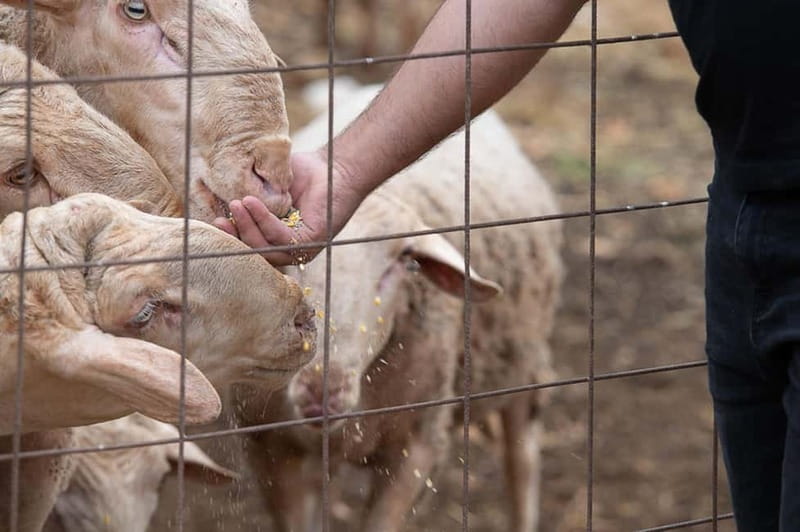
- The Animal Time: Feeding, Petting, and Getting Comfortable
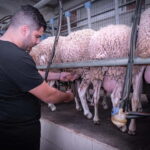
- Hand Milking Goats and Sheep: The Moment You’ll Remember
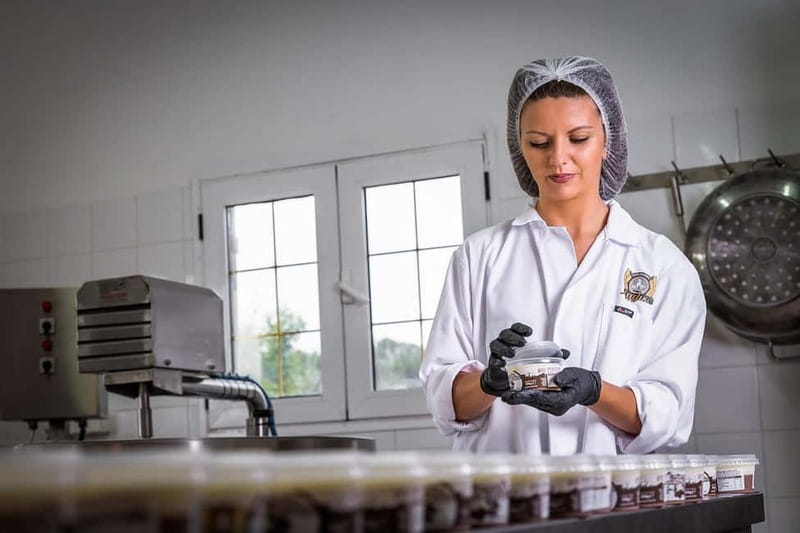
- Making Traditional Cretan Cheese: Watching and Doing
- The Tasting Table: Feta, Graviera, Goat Cheese, Yogurt, Desserts, and Raki
- The Farm Extras: Lake, Herbal Garden, Vegetable Patch, and a Real Playground
- Price and Value: Is $29 a Good Deal?
- Best Fit: Who Should Book Arkadianos Farm
- How to Pair It With Rethymno and Other Nearby Sights
- Should You Book This Farm Visit?
- FAQ
- How long is the Crete farm visit experience?
- What’s included in the price?
- Is hotel transfer included?
- What is the meeting point area like, and what nearby sights can I combine?
- Is the tour available in English?
- Can I do this experience if I use a wheelchair?
- Is free cancellation available?
Arkadianos Farm at a Glance: What Makes It Worth 90 Minutes
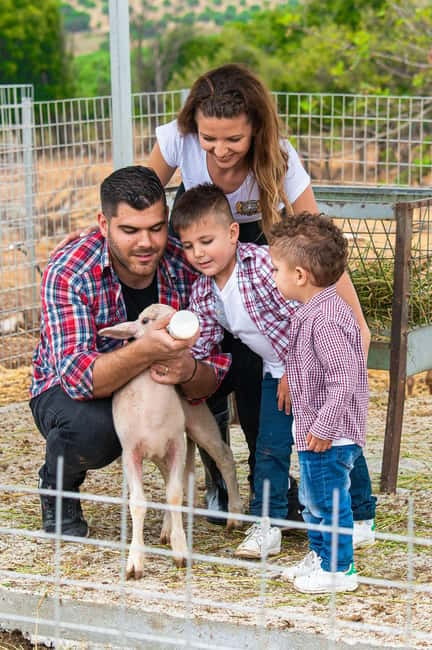
If you’re in Crete and want something more real than another quick stop, this works. The day moves fast—animals, milking, cheese-making, and then a food-focused tasting—so you don’t feel like you’re watching while everyone else does the fun parts. You’ll also get plenty of photo moments with a huge variety of farm animals, from goats and sheep to chickens, geese, peacocks, and more.
Possible drawback: it’s a farm, so the experience depends a bit on how the day is running (milk timing, cheese process steps, and what’s ready at the moment). Build it as a flexible cultural stop, not a strict factory tour with a timed show.
Key Things I’d Pay Attention To
- Milking goats and sheep by hand (plus optional modern equipment) makes it feel authentic, not staged.
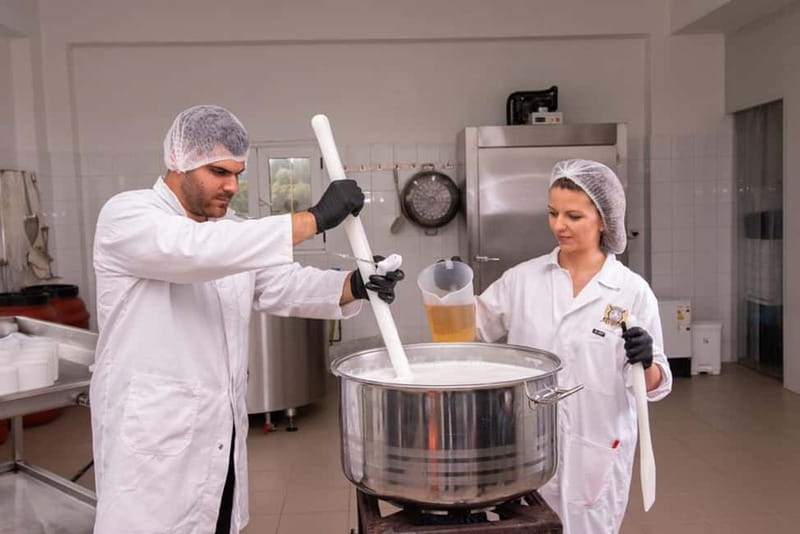
- You make a traditional Cretan cheese rather than just watching.
- Taste straight from the source—fresh feta, graviera, goat cheese (including Tyromalama), yogurt, and desserts.
- Family-run hospitality: guides explain clearly in English, and the process is shared with warmth and humor.
- Kids have their own space: a safe playground plus animal time keeps younger visitors engaged.
- You can buy product on-site if you want real souvenirs (not just packaged extras).
You can also read our reviews of more tours and experiences in Greece.



Becoming a Shepherd on a Working Cretan Farm
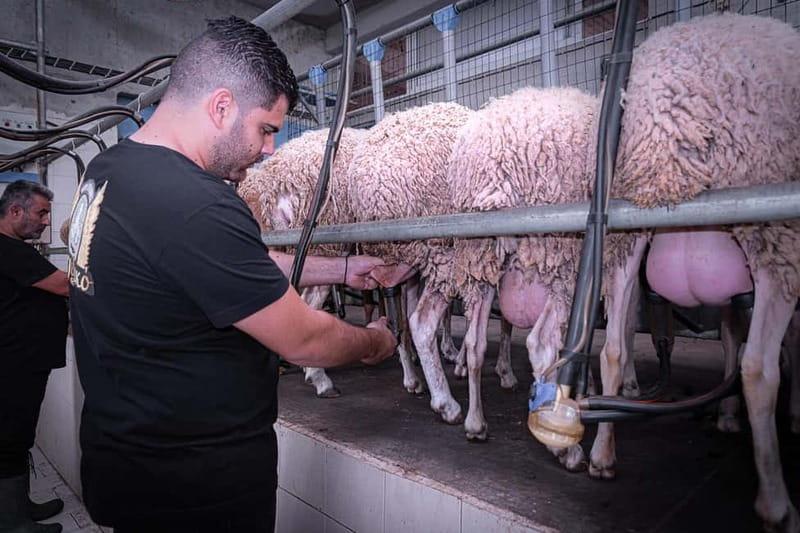
This is the kind of experience you book when you want to feel the rhythm of Crete—not just stand near it. The farm sits with views of the Cretan mountains, and the whole setup is built around one idea: you’re not here as a spectator. You’re here to do small parts of the work a family does every day.
The farm itself is bigger than the cheese-making room. You’ll spend time with animals, then move into the traditional cheese process, and finish with a tasting table that’s tied to what was made on-site. That flow matters. It keeps the food from feeling like a random add-on.
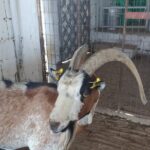
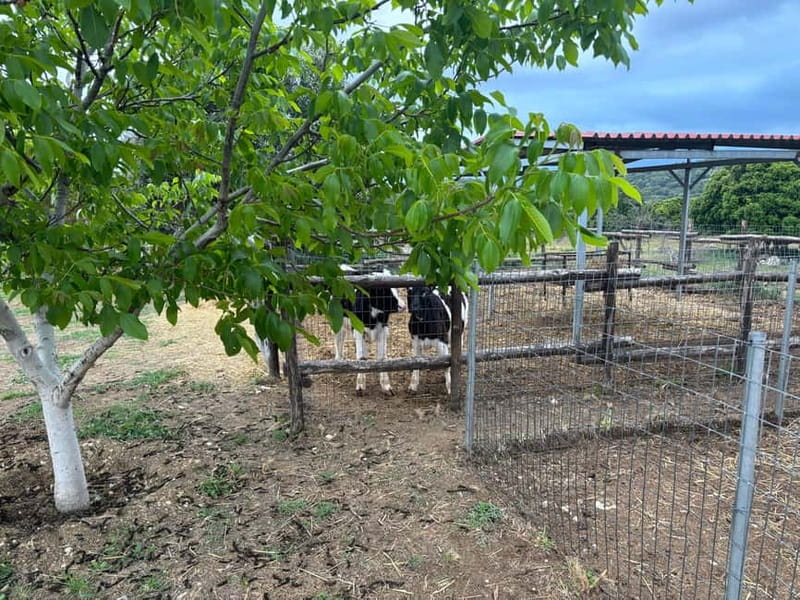
You also get a broad animal introduction. Expect to meet goats, sheep, cows, dogs, cats, chickens, geese, partridges, and peacocks. That variety is a big part of why families tend to enjoy this so much: there’s always something new to see and feed.
And yes, it’s built for learning. The guide is live and in English, and people are encouraged to ask questions while they’re doing the activities.
The Animal Time: Feeding, Petting, and Getting Comfortable
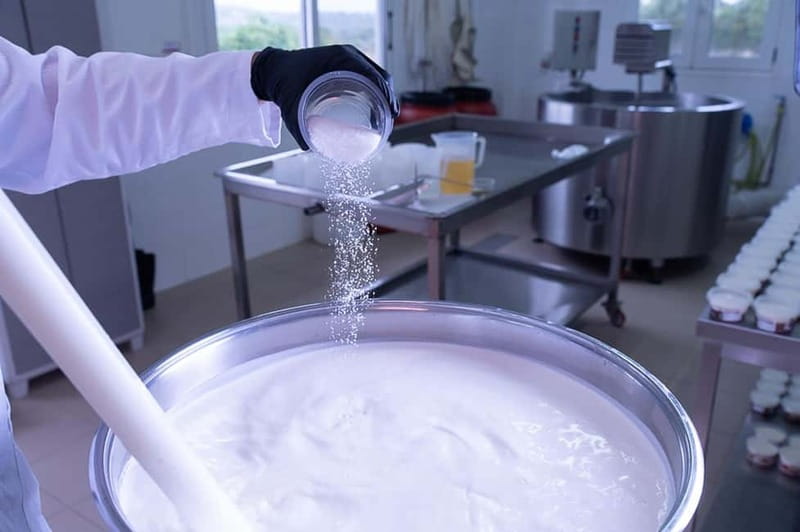
The first energy burst is the animal section. This is where you set the tone for the whole visit. If you like animals (even a little), you’ll enjoy how quickly it turns from meet-and-greet into hands-on care.
Feeding and petting help you slow down. You’re not just ticking items off. You’re learning what’s friendly, what’s cautious, and how the farm handles visitors around livestock. You’ll also have plenty of photo opportunities—especially with the peacocks, which add that loud, colorful farm spectacle that photos love.
Practical tip: if you’re visiting with kids, this is the part that usually keeps them excited even after the cheese-making step begins. There’s interaction, movement, and it feels like real farm life instead of a classroom.
Hand Milking Goats and Sheep: The Moment You’ll Remember
If this farm had only one “you’ll tell people about it later” activity, it would be the milking. You get both goat and sheep milking experience. The description also notes that you might milking by hand and with modern equipment, so don’t be surprised if the process is explained in stages rather than only one method.
What I like about this is the balance. It’s hands-on, but it’s also guided. You’re not left to figure it out with guesses. The goal isn’t to prove toughness. It’s to understand how farmers work with animals and milk for cheese production.
From the reviews, the goat milking experience is a highlight for many people, including families. Adults also seem to enjoy it because it changes how you think about goat and sheep products. One clear theme: if you associate goat or sheep cheese with an “off” taste, the farm’s approach and fresh products can make you rethink that completely. Fresh milk and careful handling change everything.
A small consideration: milking is physical and a bit messy. If you’re sensitive to farm routines, just go in with the mindset that this is part of the authenticity—not something to avoid.
Making Traditional Cretan Cheese: Watching and Doing
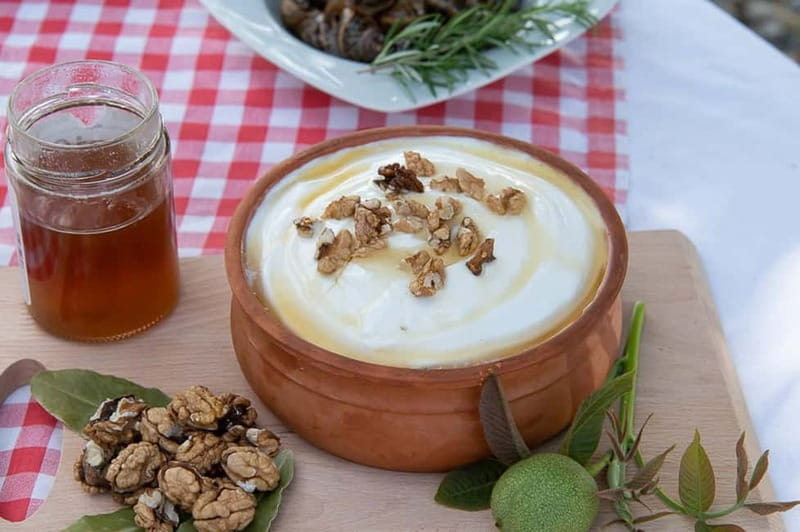
Cheese-making is where the tour becomes more than entertainment. You’ll take part in making a traditional Cretan cheese, starting from fresh milk and moving through to the finished product. That’s a huge deal because you see the logic of the process, not only the final plate.
The farm also describes a traditional cheese factory experience, where you can join the active process. If you’re the type who likes understanding why something works, this section delivers. You’ll hear how the family cares for animals and then how milk gets transformed into products.
Two product names come up repeatedly: Tyromalama (a signature goat cheese) and a fresh cheese sometimes referred to as Tyrozouli in reviews. Even if you don’t catch every technical detail, you’ll leave with a practical understanding of what makes fresh cheese taste different: it’s tied to what happens right before it reaches your plate.
One thing I appreciate is that older family members play a visible role. Reviews mention a grandmother preparing cheese, which gives the whole experience a real “this is how it’s done” feeling. It doesn’t read like a performance. It reads like family work.
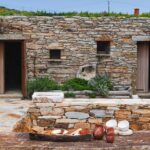



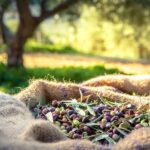
The Tasting Table: Feta, Graviera, Goat Cheese, Yogurt, Desserts, and Raki
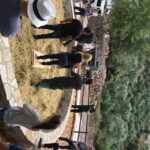
The tasting is the payoff. After you feed animals and learn the process, it’s satisfying to eat what you just helped make and what the farm produces regularly. This is also where the value becomes obvious.
Expect to try a spread that includes:
- Fresh feta
- Graviera
- A goat cheese called Tyromalama
- Handmade milk desserts
- Greek sheep yoghurt
- And local raki and wine are listed as included
A key point for your planning: one review noted that wine or raki weren’t offered even though the description includes them. That suggests the tasting can vary slightly day to day depending on what’s ready and how the tour is running. Don’t assume you’ll automatically get both. Treat drinks as a bonus, not a core requirement.
What you will get, if the day runs smoothly, is a tasting table focused on freshness and variety. You’ll likely notice the biggest difference between farm-made and store-made is how soft and immediate the flavors are—especially with fresh cheese and yogurt.
If you’re shopping, don’t wait until the very end to decide. Use the tasting to figure out what you genuinely like, then buy what matches your taste (not what sounds best on a label). Since the products come straight from the source, you’re paying for something more direct than “souvenir cheese.”
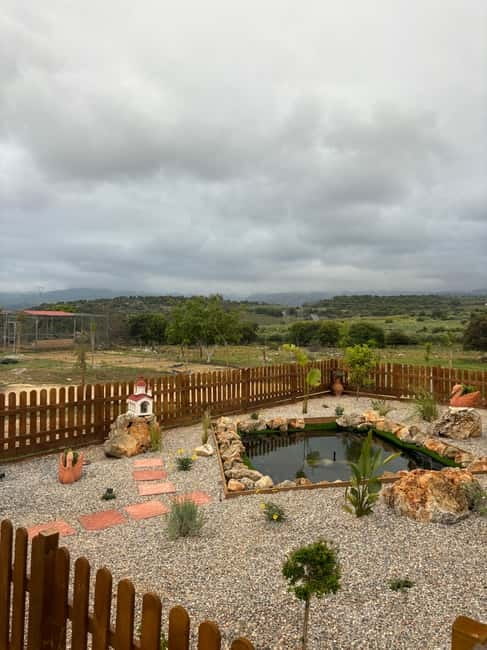
The Farm Extras: Lake, Herbal Garden, Vegetable Patch, and a Real Playground
This tour isn’t only about food. There’s a “slow down and look around” side to it, which helps if you’re visiting with kids or if you just need a breather after hands-on activities.
You can relax by a peaceful artificial lake, wander through a herbal garden with aromatic plants, and visit the vegetable patch where tomatoes and cucumbers can be tasted straight from the earth. Those small moments matter because they connect the cheese to the larger farm ecosystem. You feel the place, not just the product.
For families, the strongest support is the kids’ area. There’s a safe and fun playground designed for children, and it’s not an afterthought. Reviews say kids often don’t want to leave the play space, especially after the animal interactions.
If you’re traveling with a mixed-age group, this is a smart design. The adults get the cheese and milking learning. The kids have an outlet that keeps the energy from boiling over.
Price and Value: Is $29 a Good Deal?
At $29 per person for about 90 minutes, this is priced like an experience, not a museum ticket. The value comes from the combination:
- multiple hands-on activities (animal feeding, goat and sheep milking, cheese-making)
- a guided English explanation
- a tasting that includes multiple cheeses, yogurt, desserts, plus wine/raki being listed as included
- and the option to buy farm products directly
If you compare it to tours that mainly show you things from behind a fence, this one offers far more participation. You’re not paying extra just for walking in a building. You’re paying for doing the farm’s key tasks in a visitor-friendly format.
Is it “expensive” for some budgets? Sure. But the main value test is simple: if you want a story you can tell and you care about real food production, this price makes sense. If you only want scenery and light tasting, you might feel it’s too active.
Best Fit: Who Should Book Arkadianos Farm
This is a standout fit for:
- Families with kids, because the animal time plus playground keeps everyone engaged.
- Food lovers who want to connect taste to process.
- People curious about goat and sheep dairy, especially if you’ve never enjoyed it in the past.
- Anyone who likes small, family-run experiences with personal explanations in English.
It may be less ideal if you want a calm, minimalist tour with zero hands-on work. This is interactive by design. Also, because it’s a farm, expect a lively environment and some unpredictability in what’s in the middle stage at the moment you arrive.
How to Pair It With Rethymno and Other Nearby Sights
You won’t be stuck near the farm all day. The farm location is close enough to famous stops that you can build a bigger day.
From the farm, you can reach (by road):
- Monastery of Arkadi about 12 km
- Museum of Ancient Eleftherna around 24 km
- Margarites, the ceramics village, about 9 km
- Rethymno town around 18 km
That’s useful because you can schedule this as a morning or afternoon centerpiece. For example, you can do a farm visit for the hands-on start, then head toward Rethymno for old-town wandering and dinner, or mix it with Arkadi and Margarites if you like culture and craft.
Should You Book This Farm Visit?
I’d book it if you want a true farm experience in Crete with active learning, not just sightseeing. The strongest reason is the combination of milking + cheese-making + a real tasting of farm products that you connect to the work you just saw.
I’d think twice only if you dislike mess, physical farm activities, or you’re expecting a very formal, tightly timed “factory tour” feel. It’s a working family place, and the day runs like a farm.
If you want one clear takeaway: this is one of the more direct ways to understand Cretan dairy culture—right down to the fresh cheese moment at the end.
FAQ
How long is the Crete farm visit experience?
The experience lasts 90 minutes.
What’s included in the price?
It includes a farm visit and guided tour in English, animal feeding, goat and sheep milking, cheese making viewing, cheese tasting, and local wine and raki.
Is hotel transfer included?
No. Hotel transfer is not included.
What is the meeting point area like, and what nearby sights can I combine?
The farm is in an area where your visit can be combined with places like the Monastery of Arkadi (12 km), the museum of Ancient Eleftherna (24 km), Margarites (9 km), or Rethymno town (18 km).
Is the tour available in English?
Yes. The live tour guide is available in English.
Can I do this experience if I use a wheelchair?
The tour is listed as wheelchair accessible.
Is free cancellation available?
Yes. You can cancel up to 24 hours in advance for a full refund.