REVIEW · PARIS
Paris: Cheese and Wine Class in a 17th Century Cellar
Book on GetYourGuide →Operated by Living Cheese Museum · Bookable on GetYourGuide
Cheese lessons hit different underground. This Paris workshop takes you into a 17th-century cellar at the Musée Vivant du Fromage, where you’ll learn why French cheese tastes the way it does, then pair it with wine. The small-group setup keeps things interactive, not like a rushed tasting line.
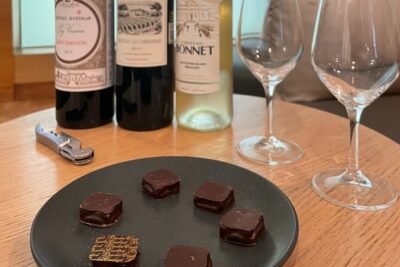
I especially like the structure: 7 cheeses from different regions and styles, paired with 3 wines, plus fresh baguette to reset your palate. It’s not just eating. You get hands-on explanations about traditional production and the importance of maturing, with guide energy that shows up through names like Gala, Pierre, and Agathe.
One consideration: this experience is not suitable for lactose intolerance, since you’ll be sampling multiple cheeses throughout the session.
In This Review
- Key things to know before you go
- Where the workshop starts in Paris (and why location matters)
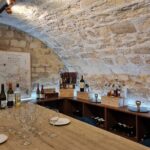
- The 17th-century cellar experience: what you’re actually paying for
- The cheesemaking lesson: from milk to maturing process
- The tasting flow: 7 cheeses, 3 wines, and baguette breaks
- How the pairings help you taste better in real life
- Small group feel: why it doesn’t feel like a factory tasting
- Price and value: is $82 a good deal?
- Who should book this (and who should skip it)
- Practical tips for a smoother cellar tasting
- Should you book this cheese and wine class in Paris?
- FAQ
- Where is the meeting point for this cheese and wine class?
- How long is the experience?
- What’s included in the tastings?
- Is the class taught in English?
- What is the drinking age requirement?
- Is it suitable for lactose intolerance?
- Are pets allowed?
- Quick decision checklist
Key things to know before you go
- A cellar setting that changes the mood fast: you learn and taste in a true cheese-maturing environment
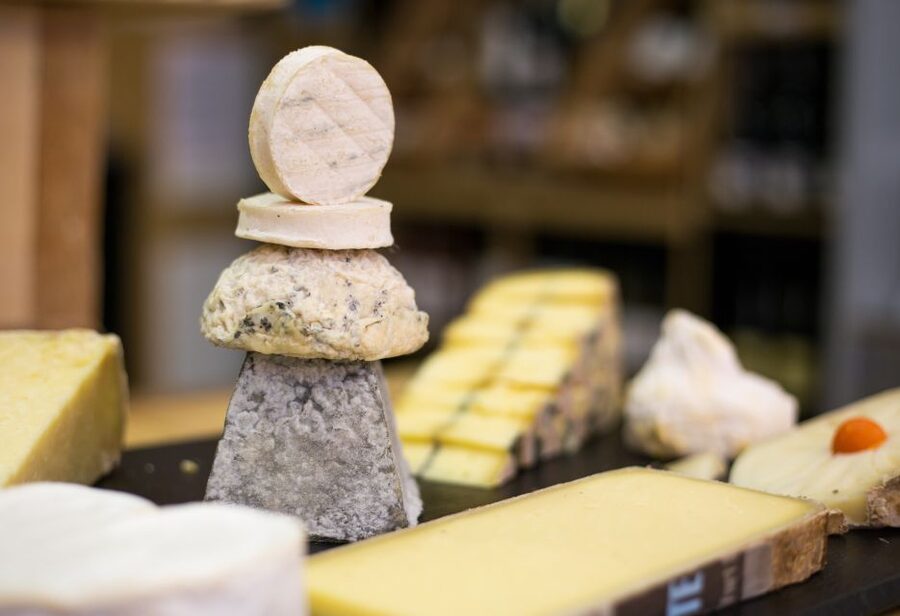
- 7 cheese tastings, not 3 “cute bites”: you get enough variety to compare textures and milk types
- Wine paired to the cheese, not random wine: each pour is meant to match the flavor and aging stage
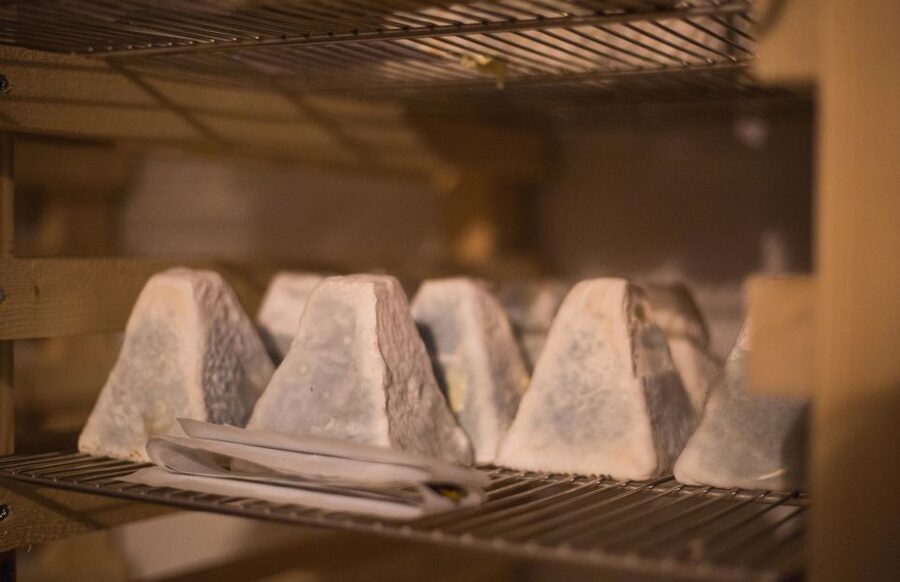
- Maturing process is part of the lesson: you’ll understand why the same animal milk can taste totally different
- Bread is included: baguette comes in to balance the tasting rhythm
- English instruction with interactive Q&A: multiple guides are praised for answering questions clearly
Where the workshop starts in Paris (and why location matters)
Your class meets at Musée Vivant du Fromage, 39 rue Saint Louis en l’île, in the 4th arrondissement (right near the Seine islands side of the city). This isn’t a generic studio. It’s a cheese-focused address, which matters because the whole experience feels themed from the moment you arrive.
There’s also no pick-up or drop-off included, so you’ll want to build a little buffer into your plans. If you’re doing other sights that day, aim to arrive with time to settle in. That way, when you get escorted into the cellar area, you’re not rushing—cheese tasting is better when you slow down just a bit.
You can also read our reviews of more tours and experiences in Paris.
The 17th-century cellar experience: what you’re actually paying for
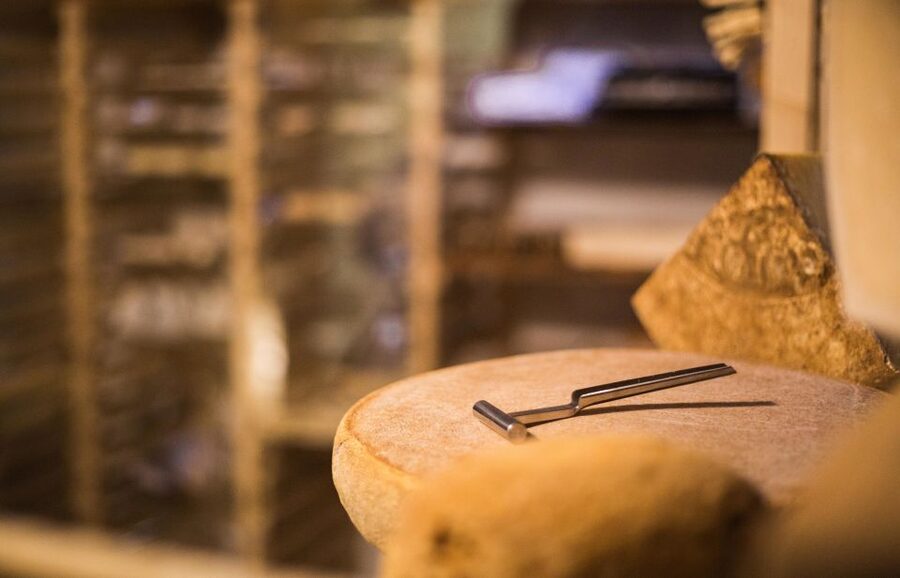
You’re paying for something bigger than samples. You’re paying for a guided path through French cheese making, using the cellar as the “classroom.”
Here’s what makes that valuable: cheese is mostly the story of time. Aging affects texture, aroma, and flavor depth. In a cellar, you can see that logic play out in real life. You’re not only told that maturing matters—you’re surrounded by the environment where maturing happens, which makes the explanations stick.
And the cheese experts are a key part of the payoff. Guides like Pierre, Gala, and Agathe are repeatedly described as friendly, informative, and good at answering questions. That’s important because cheese is personal. People want to know what they’re tasting and why it works (or doesn’t). In a small group, you’re more likely to get real back-and-forth instead of one-way narration.
The cheesemaking lesson: from milk to maturing process
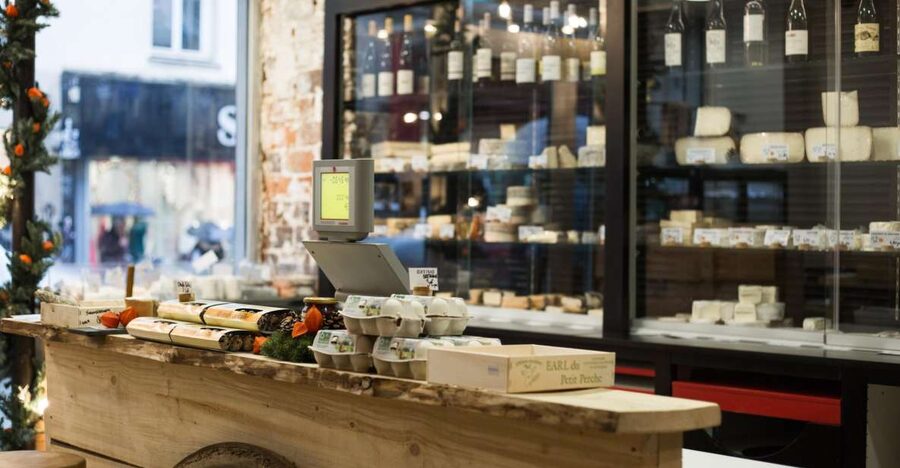
Expect to learn the traditional art of French cheesemaking—how it starts and what changes as it ages. The class focuses on classic production, and then shifts to the practical idea that cheese doesn’t just “taste old.” It evolves.
You’ll hear how factors like milk source, texture, and aging influence what ends up on your plate. The goal isn’t to make you memorize production steps. It’s to give you a simple framework for tasting so you can go from I like this to I understand why I like this.
Because the tasting follows the lesson, the structure helps your brain connect. You listen to the maturing process, then immediately taste cheeses that show that process in action. That tight link is a big reason this class gets such strong marks.
The tasting flow: 7 cheeses, 3 wines, and baguette breaks
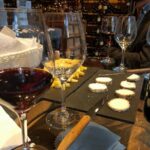
The session runs about 90 minutes, and it’s built around alternating bites of cheese with sips of wine. That pacing matters. If you taste cheese nonstop, your palate gets “heavy” fast. Alternating helps you notice differences between each cheese—especially texture and intensity.
Here’s the format you should expect:
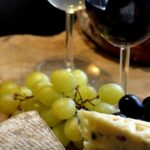
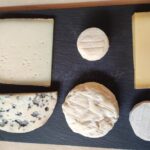
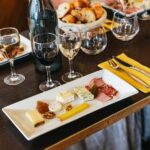
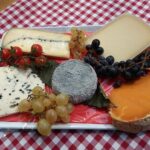
- You’ll sample seven different cheese varieties from multiple regions and styles, with variety in milk type and texture.
- You’ll taste three French wines, paired to complement what you’re eating.
- You’ll also get fresh baguette to round things out and clear the palate between heavier notes.
What I like about this approach is that it keeps you from falling into one of two tasting traps. Either you only focus on the cheese and ignore the wine (or vice versa). Or you rely on the first pairing and never compare. This setup encourages comparisons without feeling technical.
How the pairings help you taste better in real life
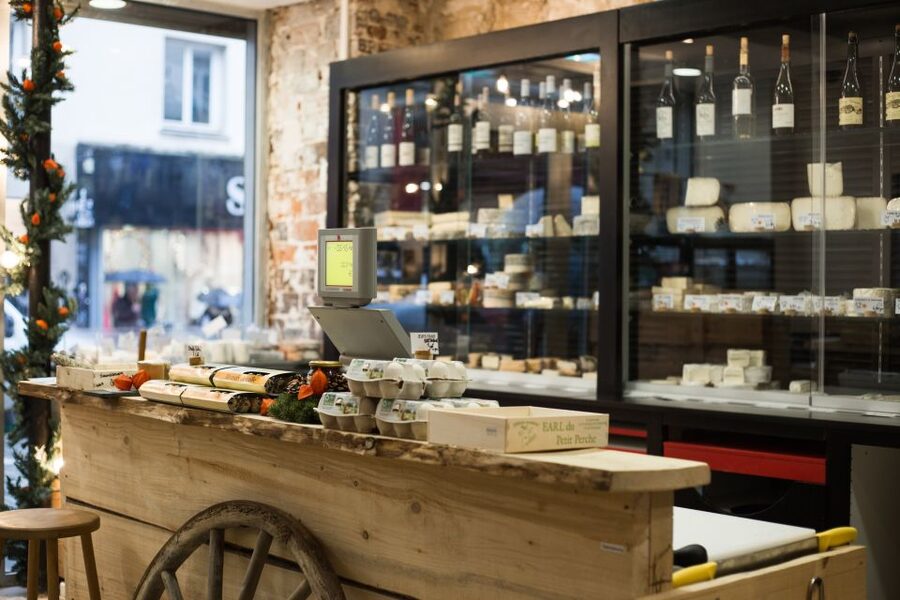
The pairing component is where this class becomes more than a one-time snack. You’ll learn the basic logic of pairing: match the wine and cheese so the combination tastes better than either alone.
In practical terms, you’re getting practice with questions like:
- Does the wine make the cheese feel sharper or smoother?
- Does aging change how a wine reads on your tongue?
- Which cheese textures seem to “hold up” to stronger flavors?
It’s also one reason the guides tend to get praised. A good host doesn’t just explain the pairing choice once. They keep you oriented as the tasting moves through different cheese styles.
And if you want a souvenir of the night beyond photos, this is where it happens. People often leave saying they found at least one cheese they truly love—and now understand what to look for again later.



Small group feel: why it doesn’t feel like a factory tasting
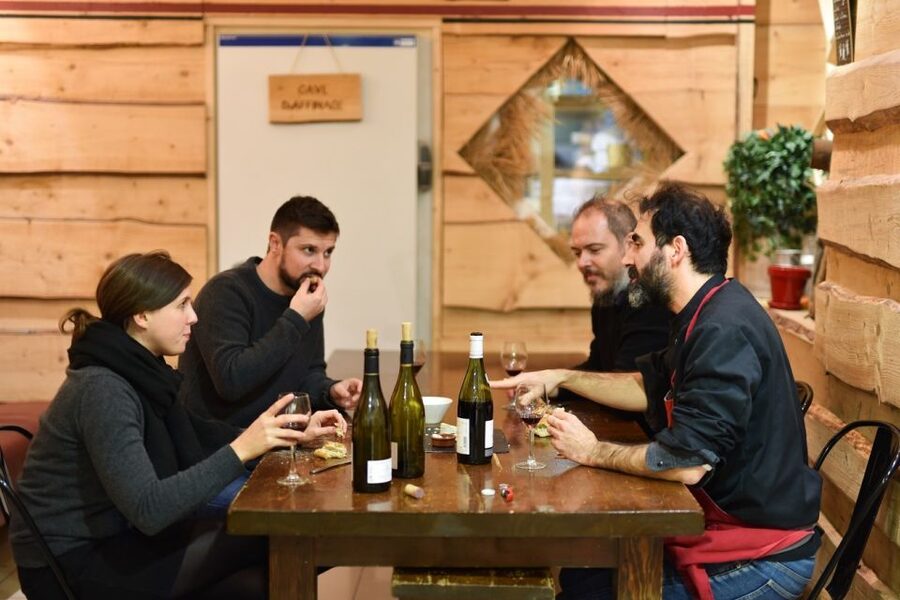
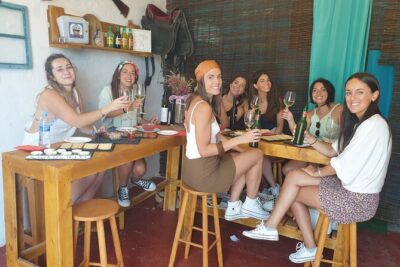
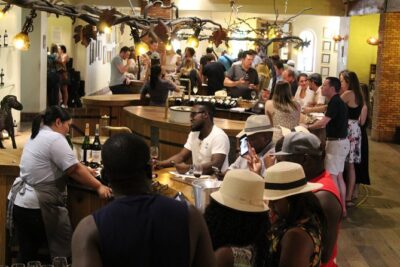
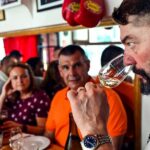
This isn’t positioned as a big crowd event. It’s a small-group class, and that’s part of the value. With fewer people, you can ask questions and get answers that fit your curiosity, not just the group’s average interest.
From the guide-focused feedback, the best sessions seem to have two traits:
- the host is interactive and willing to explain again when someone asks
- the pacing feels comfortable, so you’re not rushing through the line to make space for the next group
Even if you’re not a “food nerd,” that matters. You’ll still learn. But you’ll also feel like the experience is meant for you, not something you just pass through.
Price and value: is $82 a good deal?
At $82 per person for about 90 minutes, this isn’t the cheapest activity in Paris—but it’s also not wildly priced for what you’re getting.
Here’s the value math that makes sense:
- You receive 7 cheese tastings and 3 wine tastings (plus bread). That’s a lot more than the typical “brief sample” format.
- You’re paying for guided education around production and aging, plus pairing context.
- You’re doing it in a themed location connected to the subject, not a random tasting room.
If you’ve already done a few basic food tours, you’ll notice the difference. This one is designed to teach you how to taste, not just what to taste. That education turns into practical confidence: you can order better cheese and wine later, instead of making guesses.
If you’re on a tight budget, decide based on your priorities. If cheese and wine are top-tier for you, $82 can feel like a fair splurge. If you’re indifferent, there are cheaper ways to eat well in Paris.
Who should book this (and who should skip it)
This experience is best for:
- people who like French cheese and want to understand differences by region, texture, and aging
- wine lovers who want a clear pairing approach, not random pours
- anyone who enjoys learning from hosts who explain in a friendly, interactive way (guides like Gala, Pierre, and Agathe are frequently praised for it)
You should skip it if:
- you have lactose intolerance (it’s specifically noted as not suitable)
- you’re not able to drink alcohol (the minimum drinking age is 18, so the wine part is for adults)
If you’re a picky eater, don’t assume you’ll hate everything. The tasting is built to compare styles across regions. But if you already know you dislike blue cheeses, very strong aged varieties, or anything else on your personal “never” list, you might want to consider whether you’ll tolerate the full run.
Practical tips for a smoother cellar tasting
A few practical points will help you get the most out of 90 minutes:
- Go in with a curious mindset. The best learning happens when you taste while asking yourself what changed: smell, texture, finish.
- Pace your wine sips. You’ll be alternating sips with bites, so slow down and taste intentionally.
- Expect an adult setting because wine is included, and the minimum age is 18.
- Plan to handle your own arrival since there’s no pick-up or drop-off.
- Pets aren’t allowed, so don’t bring them along.
Also, this is taught in English, which is great for clarity if you don’t want to rely on translation.
Should you book this cheese and wine class in Paris?
If you’re craving something that’s genuinely food-focused—and not just another walk-and-snack—this is a strong pick. The combination of a 17th-century cellar setting, a guided explanation of cheesemaking and maturing, and a structured tasting of 7 cheeses with 3 wine pairings gives you a lot for the time.
I’d book it if you want to leave with:
- a better sense of how French cheese changes with aging
- at least a couple of pairings you can recreate at home
- a guided experience that stays small and interactive
Skip it if lactose intolerance is an issue, or if you want a totally non-alcohol class.
If you’re deciding between this and a casual tasting, choose this when cheese and wine are part of the trip’s core enjoyment. It’s one of those Paris moments where learning happens while you’re eating, and that’s exactly the kind of value I look for.
FAQ
Where is the meeting point for this cheese and wine class?
It meets at Musée Vivant du Fromage, 39 rue Saint Louis en l’île, 75004 Paris.
How long is the experience?
The class lasts about 90 minutes.
What’s included in the tastings?
You’ll get tastings of 7 cheeses and 3 wines, and bread is included.
Is the class taught in English?
Yes, the instructor teaches in English.
What is the drinking age requirement?
The minimum drinking age is 18 years old.
Is it suitable for lactose intolerance?
No. The experience is not suitable for people with lactose intolerance.
Are pets allowed?
No, pets are not allowed.
Quick decision checklist
- Love cheese and wine? Book.
- Want education, not just samples? Book.
- Lactose intolerance or need a non-drinking option? Skip.