REVIEW · ZADAR
Zadar Walking Tour sponsored by Gligora Cheese and deli.
Book on Viator →Operated by Elegance Tours · Bookable on Viator
One walking loop, ten centuries of Zadar. This Zadar walking tour strings together key old-town spots with clear storytelling, and it starts where you can’t really get lost: Narodni trg (People’s Square). I also really like the mix of big-name monuments with everyday local life at Trznica market.
At 1 hour 40 minutes, it’s packed but not rushed. You’ll cover a lot of stone streets and church stops, so plan for sun and heat in warmer months—there’s not much airflow between buildings.
In This Review
- Key Highlights Worth Planning Around
- Zadar Old Town in 100 Minutes: Why This Walking Tour Works
- Price and Value: What $18.14 Really Buys
- Meeting at Narodni trg: The Easiest Start in Zadar
- People’s Square to the Oldest Church Remains: Start With What Shaped Public Life
- The Simeon Casket Moment: When Zadar’s Faith History Turns Strange (In a Good Way)
- Five Wells and the Fortifications Story: Defensive Engineering You Can Actually See
- Queen Jelena Madijevka Park: When a Bastion Becomes Public Space
- Trznica Zadar (Pijaca): The Market Stop That Makes the City Feel Alive
- Gligora Cheese and a Food-Forward Moment
- Church of St. Chrysogonus: Romanesque Power and a Secret Burial Story
- Cathedral of Saint Anastasia: Facade Detail and WWII Reconstruction
- St Donatus: Roman Forum Context and a Circular Church With Reused Columns
- What the 1 Hour 40 Minutes Feels Like on Foot
- Which Type of Traveler Should Book This?
- Should You Book the Zadar Walking Tour Sponsored by Gligora Cheese?
- FAQ
- FAQ
- How long is the Zadar Walking Tour?
- Where is the meeting point?
- Is the tour offered in English?
- How much does it cost?
- What group size is this tour?
- Do I need to print anything since it’s a mobile ticket?
- Can I cancel for a full refund?
Key Highlights Worth Planning Around
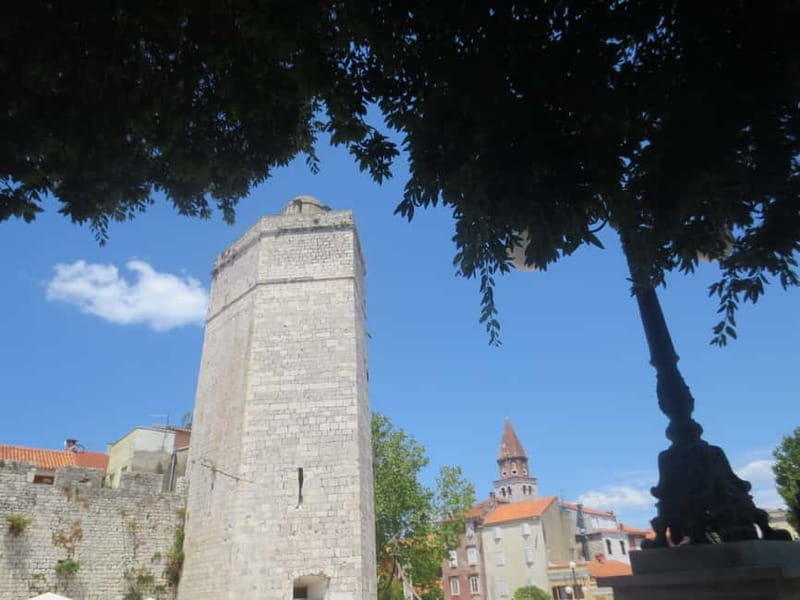
Narodni trg meeting point: Easy, central start and quick reset if you’re running late.
History with practical context: You get why each site matters, not just what it is.
Trznica market stop (and food culture): A real-life peek into how Zadar eats and shops.
Church stops that actually feel different: From medieval relics to a circular Byzantine-style church.
Gligora Cheese connection: A cheese-focused moment that turns a market visit into something more fun.
Small group feel: Max 30 people, with guides who keep things engaging and answer questions.
Zadar Old Town in 100 Minutes: Why This Walking Tour Works
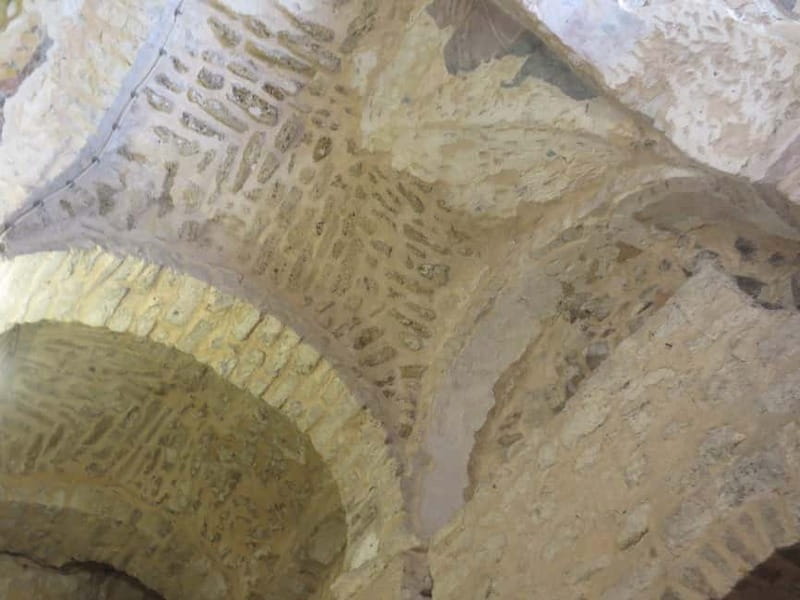
If Zadar is your first stop on the Adriatic, this is an efficient way to get oriented fast. You’re walking through a core slice of the old city where Roman ruins, medieval churches, and Venetian-era fortifications overlap. The result is that your map starts making sense—and you’re not just collecting photos.
I like that the tour doesn’t treat history like museum glass. It connects each landmark to the next one in a way that helps you understand the city as one continuous story. Even better, it’s short enough that you still have energy afterward for a proper meal and a relaxed wander.
You can also read our reviews of more tours and experiences in Zadar.
Price and Value: What $18.14 Really Buys
At about $18.14 per person for roughly 1 hour 40 minutes, you’re paying for two things: a guided route through the highlights and local advice you wouldn’t get on your own. Most of the stops are listed as free admission, so you’re not paying entry fees at multiple points.
The value also comes from pacing. This isn’t a slow “look at the view” stroll, and it’s not a sprint. It’s more like a well-edited highlight reel—perfect if you want Zadar context before you start picking your own side streets.
Meeting at Narodni trg: The Easiest Start in Zadar
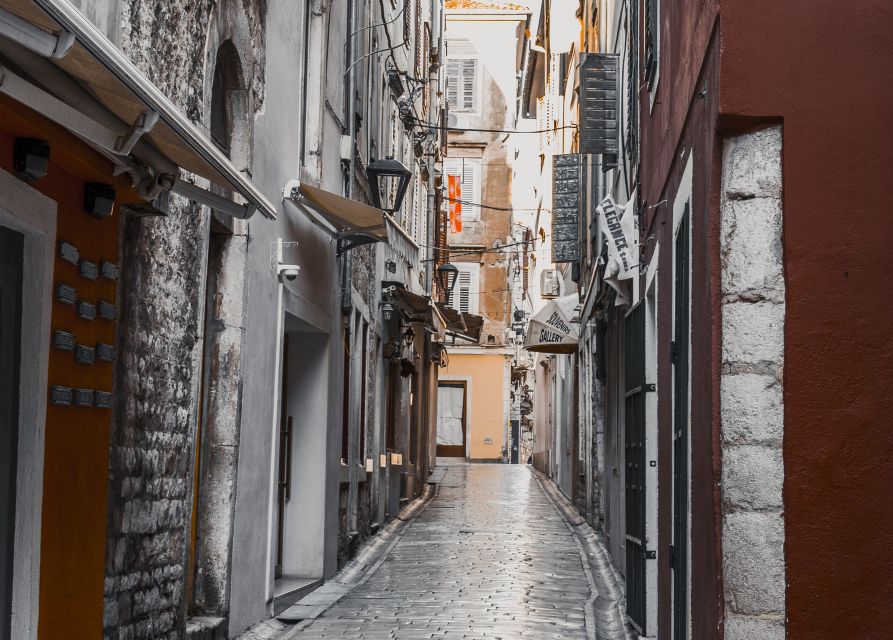
The tour begins at People’s Square (Narodni trg) in central Zadar. That matters more than it sounds. When your meeting point is truly central, you spend less time stress-scanning alleys and more time enjoying the walk.
From there, the route naturally feeds you into the older layers of the city. You start with civic space—where public life happened—then move into religious and defensive landmarks. It’s a smart flow for first-timers, because it mirrors how cities actually grow.
People’s Square to the Oldest Church Remains: Start With What Shaped Public Life
The first anchor is People’s Square, which has roots going back to the Middle Ages. You’ll hear how the square formed as a center of public life, and you’ll spot details tied to the city guard presence. The square’s design connections to Venetian influence also come into the story, including the role of architect Michele Sanmicheli and a construction date of 1562.
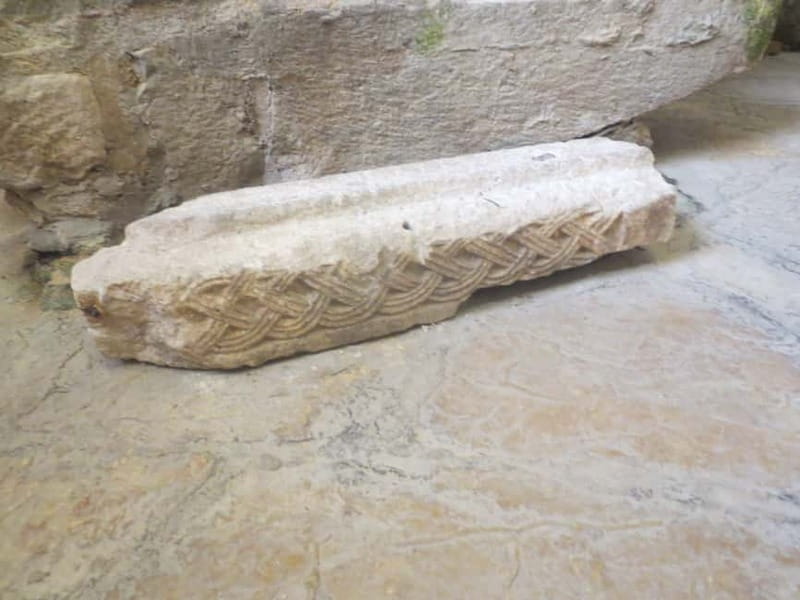
Right after that, you move to the remains of St Lawrence church. This one is easy to miss if you’re exploring alone, because the oldest pieces are reached through nearby premises on the square. You’ll get a sense for the age of the old town core—these remnants are described as pre-Romanesque and from the 11th century.
The Simeon Casket Moment: When Zadar’s Faith History Turns Strange (In a Good Way)
One of the most memorable stops is St. Simeon’s Church. Here, the standout is a mummified body of Simeon—held in a silver casket that’s described as extremely important to medieval goldsmith art in Croatia.
This isn’t just a spooky-story stop. The guide framing (and the biblical context tied to Simeon in Luke) helps you understand why the relic mattered to the city. In other words: it’s not only what you see, it’s why the city kept it.
Five Wells and the Fortifications Story: Defensive Engineering You Can Actually See
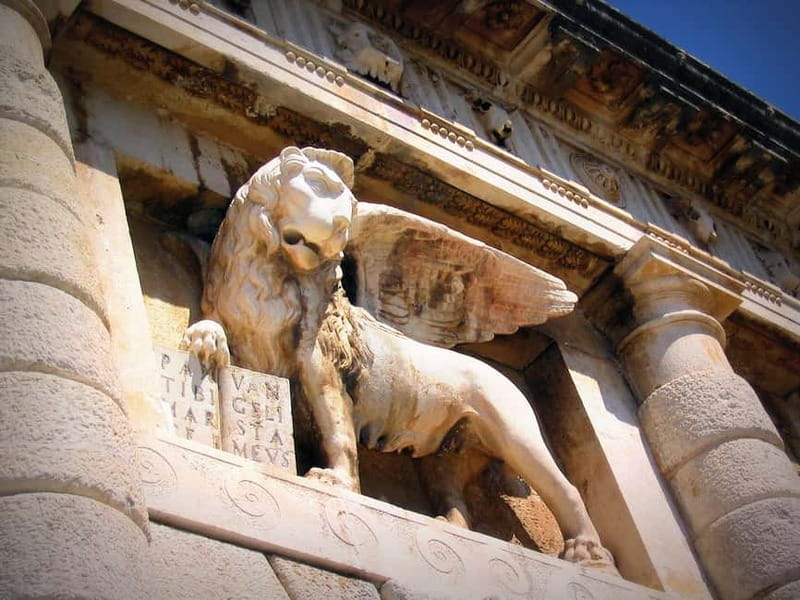
Next up is Five Wells, where the name isn’t poetic—it’s literal. You see five wellheads lined up in a row, but the interesting part is what’s underneath the explanation: a defensive ditch below the old city walls, then later Venetian help during Turkish sieges.
This is a great stop for history buffs because it takes you from medieval city layout into Renaissance water strategy. It’s also an easy pause point—just enough time to look, reset your bearings, and keep walking.
Queen Jelena Madijevka Park: When a Bastion Becomes Public Space
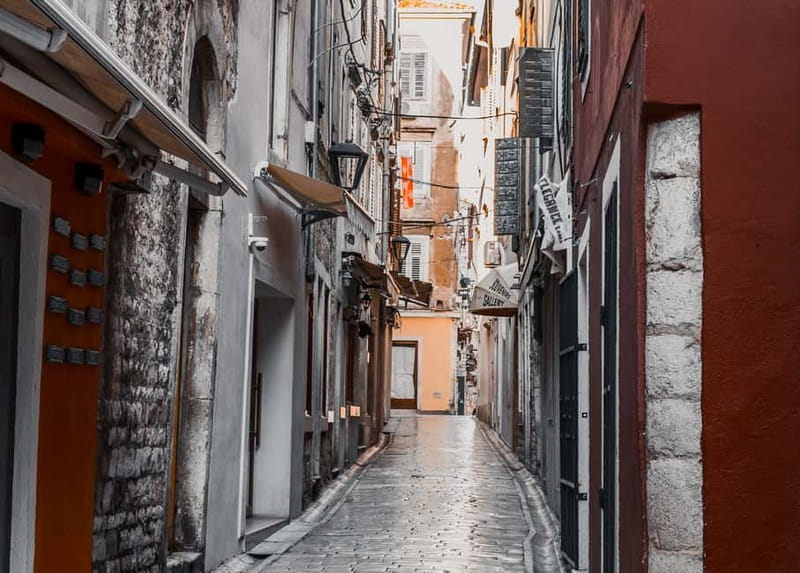
From Five Wells, you head to Perivoj kraljice Jelene Madijevke (Queen Jelena Madijevka park), built on top of the Grimani bastion. It’s a neat contrast: military architecture becomes a public garden.
The tour connects the park’s founding to 1829 and to Baron Franz Ludwig von Welden, described as a botanist and admirer of Dalmatian flora. Even if you’re not a plant person, it’s a good moment to appreciate how cities reuse land instead of abandoning it.
Trznica Zadar (Pijaca): The Market Stop That Makes the City Feel Alive
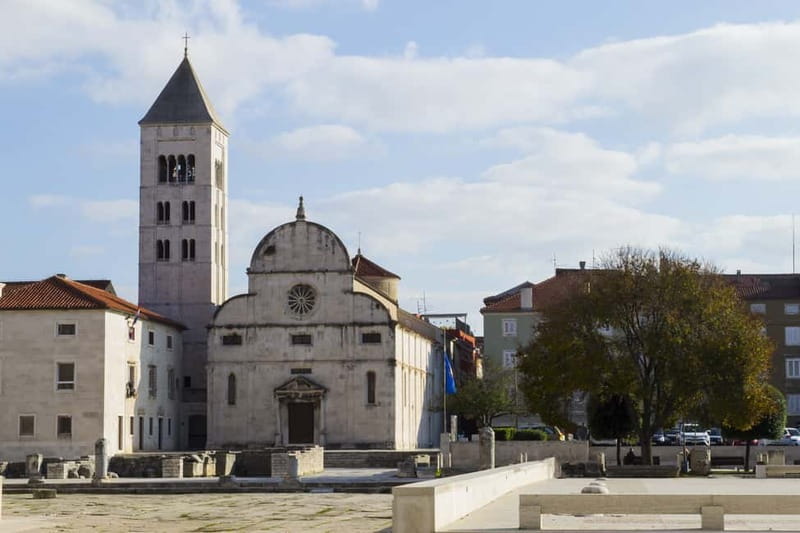
Then comes Trznica Zadar, Zadar’s main green market in the old part of town on the peninsula. It’s presented as a place with long continuity in local life—connected to the idea that it once sat at the Roman forum, even if the market’s current location dates to 1952.
I love this stop because it’s not just sightseeing. You’re in a real urban space with produce and fish culture in front of you, plus local products and souvenir shopping. You also get local guidance on what’s worth buying and what to try next.
Gligora Cheese and a Food-Forward Moment
Because this experience is sponsored by Gligora Cheese and deli, there’s a food-focused element woven into the route. In practice, that often turns the market segment into more than a quick glance. Some groups have been led through the market with a cheese tasting component and pointed toward Pag cheese, plus advice on where to continue eating afterward.
Even if you’re not planning to buy much, the stop helps you learn what local food culture looks like right away—so your first meal in Zadar doesn’t feel like guesswork.
Church of St. Chrysogonus: Romanesque Power and a Secret Burial Story
Next is the Church of St. Chrysogonus (Crkva sv. Krševana), consecrated in 1175 and described as Romanesque. The tour explains that the church replaced an earlier church at this site, and that it’s the only remaining part of a larger medieval Benedictine abbey.
One reason this stop lands is the human story attached to it: Elizabeth of Bosnia (the murdered queen dowager of Hungary and Dalmatia) was secretly buried here, and her body stayed for three years before being moved to another basilica. It’s the kind of fact that makes a church feel less like architecture and more like a real place tied to real events.
Cathedral of Saint Anastasia: Facade Detail and WWII Reconstruction
At St. Anastasia Cathedral, you’ll see a structure built across the 12th and 13th centuries, with a decorated facade and a three-nave interior. The tour points out the reconstructed nature of the building after it was badly bombed in WWII, and you’ll get a sense of how restoration shaped what you see today.
The altar in the left apse holds a marble sarcophagus with relics of St Anastasia. The choir’s carved stalls are another highlight, and there’s also a practical trick: a glass vestibule lets you peek inside when the cathedral is closed (the tour notes that closure can happen often).
St Donatus: Roman Forum Context and a Circular Church With Reused Columns
Zadar’s streets make Roman ruins feel like they sprout out of nowhere. This is especially true at the Forum area, where St Donatus’ Church dominates one side.
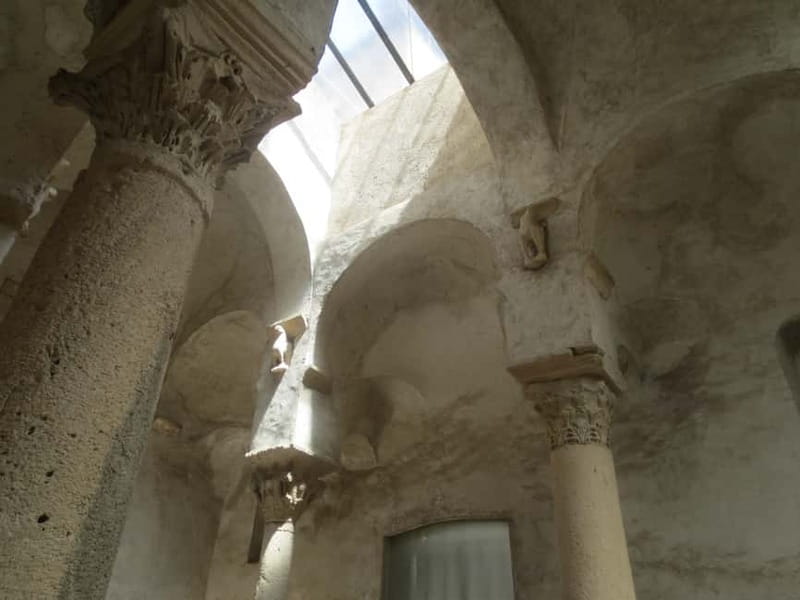
You first get the big picture: the forum’s long span from 1st century BC to 3rd century AD, and how it served as civic and religious life. Then the tour narrows in on the church itself—described as a circular Byzantine-style church dating from the beginning of the 9th century.
Here’s what’s special for your sightseeing brain:
- It’s named after the bishop who commissioned it.
- The building survived the Mongol invasion of the 13th century, which makes it one of the important relics from the early Croatian kingdom.
- The interior includes two complete Roman columns, recycled from the forum.
- The paving slabs beneath were revealed after the original floor was removed.
And because the church isn’t used for services for about 200 years, it often works as an exhibition or concert space today. So it’s both historic and actively used, which helps it feel less frozen in time.
What the 1 Hour 40 Minutes Feels Like on Foot
This walk is ideal for a first visit because you hit the key anchors without spending the whole day. Most stops are around 10 minutes, with the two St Donatus segments bringing extra time for the deeper explanation.
The main practical consideration is simply comfort. Stone streets don’t forgive bad shoes, and summer heat can hit hard—especially when you’re moving between buildings with limited breeze. I suggest dressing in layers you can handle in sun, and bringing water even though the route is short.
Which Type of Traveler Should Book This?
I think this is a strong fit if:
- You’re seeing Zadar for the first time and want the highlights in one guided loop.
- You like history that connects architecture, power, and everyday life.
- You want local eating and shopping tips right away, not only after you’ve struggled to find the good spots.
It’s also a good option for families and mixed-age groups, since the tour format is structured and easy to follow at a walking pace. If you want long, slow museum-style time in one place, this may feel like too much movement. But if you want a smart overview, it’s a great match.
Should You Book the Zadar Walking Tour Sponsored by Gligora Cheese?
Yes—if you’re the type who likes getting your bearings and learning the “why” behind landmarks fast. For $18.14 and about 1 hour 40 minutes, you get a tight route through major old-town sites plus practical market-and-food guidance.
Book sooner rather than later. This one averages being reserved about 21 days in advance, and small group size (max 30) means departures can fill. If you’re flexible, choose a morning or afternoon departure that matches your energy level, then plan a longer meal afterward—because you’ll know exactly where to go.
FAQ
FAQ
How long is the Zadar Walking Tour?
It runs about 1 hour 40 minutes (approx.).
Where is the meeting point?
The tour meets at Narodni trg (People’s Square), 23000, Zadar, Croatia, and ends back at the meeting point.
Is the tour offered in English?
Yes, it is offered in English.
How much does it cost?
The price is $18.14 per person.
What group size is this tour?
The tour has a maximum of 30 travelers.
Do I need to print anything since it’s a mobile ticket?
The tour uses a mobile ticket, so you typically don’t need to print it.
Can I cancel for a full refund?
Yes. You can cancel up to 24 hours in advance for a full refund. If you cancel less than 24 hours before the start time, it isn’t refunded.