REVIEW · BASEL
Basel: Farmer’s Market, Cheese, Chocolate & Pastry Tour
Book on GetYourGuide →Operated by Tours of Switzerland · Bookable on GetYourGuide
Cheese and chocolate make Basel feel close. This 2-hour guided tasting tour pairs classic city sights with hands-on stops for Swiss cheese, chocolate, and pastries.
I love that the route gives you context, not just samples: you start in the old center, then you move through Basel’s landmarks while learning what makes local food tick.
One thing to consider: with a private group, the time can skew toward shop counters and tastings, so it helps to ask your guide how they balance walking with eating.
Cheese and chocolate lovers get the best of both worlds here. I especially like the focus on AOP Swiss cheese and how the tasting moves from milder to stronger styles, plus the way you learn the history behind Swiss chocolate.
If you’re hoping for lots of long museum time, plan for quick looks and short guided stops instead of an all-day deep dive.
In This Review
- Quick hits
- Basel Town Hall to Altstadt Grossbasel: the “get your bearings fast” start
- Basel Minster and the cathedral area: quick art stops, big payoff
- Tinguely Fountain on the route: art that adds energy
- Altstadt Grossbasel market time: where local food culture becomes real
- Swiss cheese tasting with young vs aged styles: why it’s not just sampling
- Chocolate history plus tastings: truffles, hand-scooped dark, and almonds
- Lackerli Patry: Basel’s spice biscuit stop that feels like a time machine
- Timing and walking: how the 2 hours actually play out
- Price and value: is $194 reasonable for what you get?
- Guides and group feel: the private-group difference
- Who should book this tour in Basel
- Should you book the Basel Farmer’s Market, Cheese, Chocolate & Pastry Tour?
- FAQ
- Where is the meeting point for the tour?
- How long is the Basel cheese, chocolate and pastry tour?
- Is the tour guided, and what language is it in?
- Is this a private group or a shared tour?
- What food tastings are included?
- What landmarks do we see during the tour?
- Is the tour wheelchair accessible?
- Can I cancel for a full refund?
- Do I have to pay everything upfront?
- What is the focus of the cheese tasting?
Quick hits
- Basel Minster + historic Town Hall area start: quick orientation in the Altstadt.
- Swiss cheese tasting with both young and aged styles, including Gruyère AOP.
- Chocolate origin story plus multiple tastings like truffles and hand-scooped dark chocolate.
- Lackerli Patry: a traditional spice biscuit tied to Basel’s older household traditions.
- Tinguely Fountain is part of the walk, adding art to the snack route.
Basel Town Hall to Altstadt Grossbasel: the “get your bearings fast” start
The tour begins right at Basel Town Hall, in the main courtyard by a Roman statue. That choice matters. You’re not starting in a hotel lobby far from the center. You’re dropped into the historic core where Basel makes sense fast.
From there, the pace is designed for a short window—2 hours—so you get a guided sense of place without feeling stuck in one spot. You’ll also get that classic Basel feeling: a compact old town, easy walking, and landmark scale that makes the tastings feel even more special. This is the kind of tour that helps you understand what you’ll later notice on your own.
Because it’s a private group with a live English guide, you can ask practical questions as you go. And since people in the group may be at different comfort levels around food (some want to shop more, some just want to eat), a good guide will flex the route to match the group.
Tip I’d give you: wear comfortable shoes. Basel’s center is walkable, but it’s still old-stone streets, and you’ll be standing and sampling for much of the time.
You can also read our reviews of more tours and experiences in Basel.
Basel Minster and the cathedral area: quick art stops, big payoff
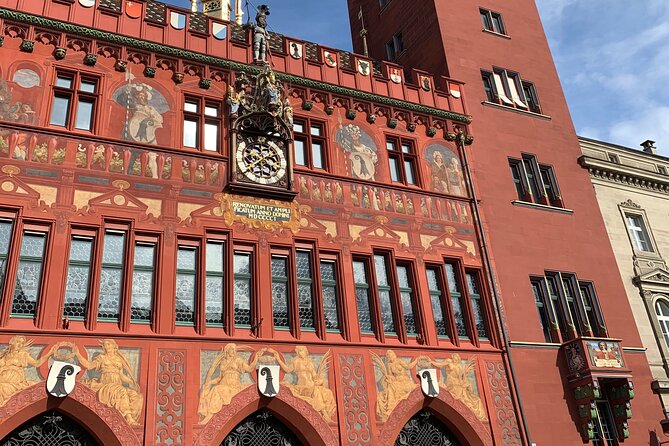
One of the first sights you cover is Basel Minster. The guided portion is short (about an hour on the schedule), so it’s not trying to replace a museum day. Instead, it gives you a guided “why it matters” look at the cathedral area.
Even if you’re not the type to obsess over architecture, this stop helps you connect the food to the city. Basel’s religious and civic landmarks weren’t built randomly—they reflect how the city organized trade and wealth. When you later learn how regional cheese culture and chocolate industry history shaped Swiss identity, the place you’re standing in suddenly feels less like a postcard.
If you’re the kind of traveler who likes background that doesn’t take forever, you’ll probably find this portion fits you well.
Tinguely Fountain on the route: art that adds energy
A memorable stop on the walking plan is the Tinguely Fountain. It’s a smart inclusion because it breaks up the “eat, eat, eat” rhythm. You get a lively visual moment in between food shops and cathedral stone.
For me, this kind of stop is more than decoration. It keeps your brain awake. A short tasting tour needs contrast—something visual and slightly playful—so the later tastings feel like part of a story, not just a series of snacks.
If your timing includes photos, keep them quick. You’re not stuck watching the fountain for long; the idea is to see it, react to it, then move on.
Altstadt Grossbasel market time: where local food culture becomes real
The walk moves into Altstadt Grossbasel, which is where the food culture vibe really clicks. You spend time with guided touring plus a food-market visit—roughly about 100 minutes on the schedule—so you’re not only tasting inside shops.
This is where you start to understand what local food looks like in daily life. You’ll see stalls and products in a way that makes the tastings feel grounded. It also gives you a chance to shop if you want extras to bring home.
A practical note: market areas can be tight. If you want to linger, pick a small window during the market portion rather than stretching your whole time there. That keeps you from missing later tastings like the chocolate and pastry stops.
Swiss cheese tasting with young vs aged styles: why it’s not just sampling
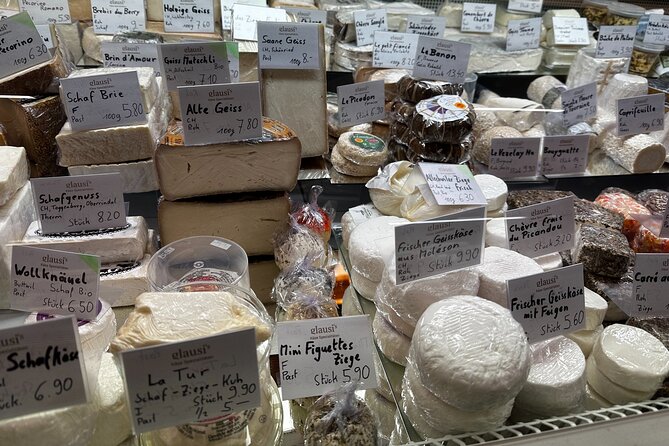
Switzerland is famous for cheese, so you might expect a simple “try a few types” experience. What makes this tour more satisfying is the way the cheese tasting is framed.
You learn from a sommelier and someone described as a master taster/ager of cheese, and you get guided attention on how flavors change. The tour specifically mentions exploring young and aged Basel’s cheese, and the tasting is meant to help you notice differences in mild versus stronger profiles.
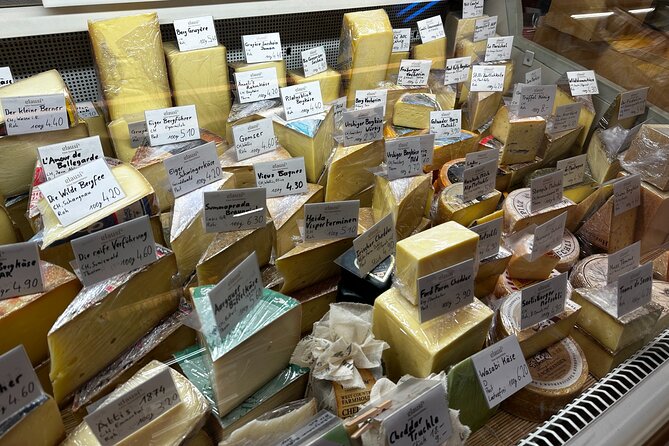
Then you try a key highlight: Gruyère AOP. You also sample other well-known Swiss cheeses, including Sbrinz, Appenzeller, Raclette, and Tête de. That spread is useful because it shows range. You’re not stuck in one style or one texture.
There’s also a message about what you’re tasting: the experience emphasizes cheese without preservatives, food coloring, or flavor enhancers. Even if you don’t analyze labels in the moment, it gives you a reason to trust what’s on the tasting plate.
How to make the tasting part work for you:
- Start by tasting the mild style first, then let stronger cheeses come later.
- Take one bite slowly before switching to another cheese.
- If you’re planning to buy cheese after, write down the names you like so you don’t forget mid-shopping.
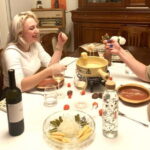
Chocolate history plus tastings: truffles, hand-scooped dark, and almonds
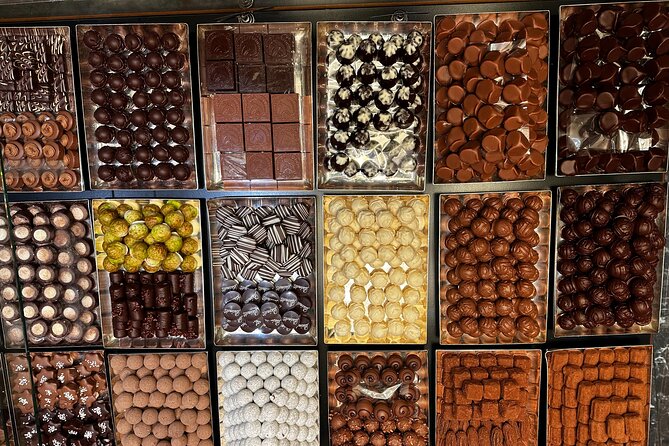
After cheese, the tour shifts into chocolate. This isn’t just sweets for show. The tour includes a look at the history and origin of chocolate in Switzerland, plus tastings that help you notice textures and styles.
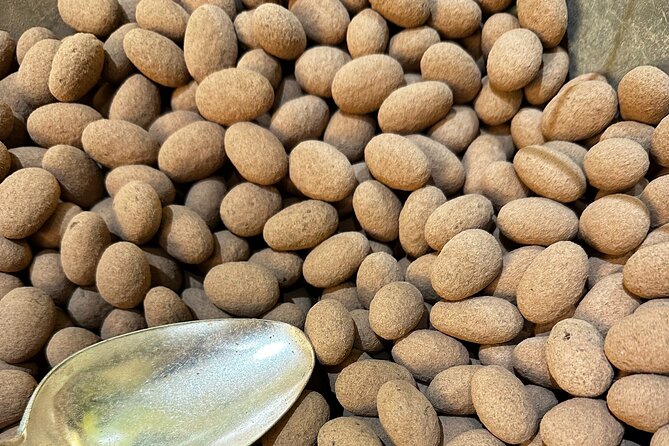
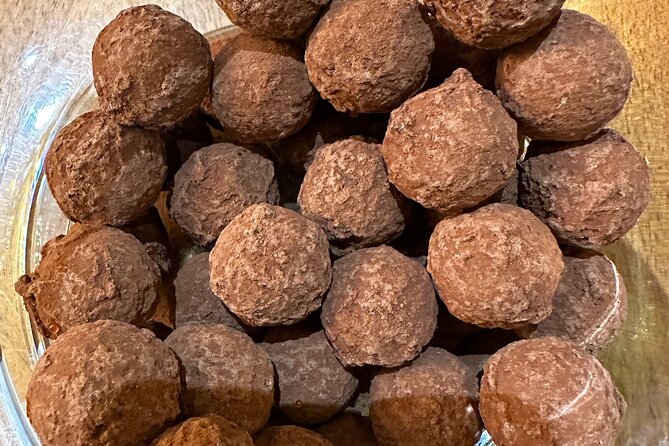
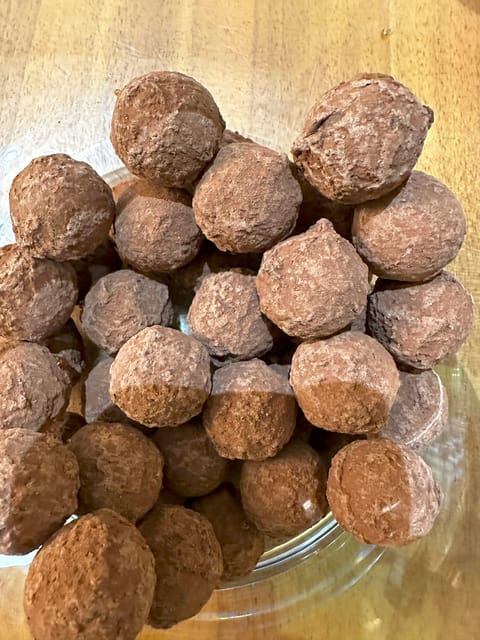
The chocolate tasting portion includes items such as truffles and hand-scooped dark chocolate, and you may also try chocolate almonds. That variety is a smart move in a short time. It keeps you from tasting the “same thing” five times with different packaging.
If you like understanding what you’re eating, this part gives you something concrete: Swiss chocolate development is explained, and you learn why Switzerland gained a spot among the best chocolates in the world list.
One small caution: chocolate tastings can tempt you into buying more than you planned. If you’re trying to travel light, decide ahead of time whether you want to bring back one or two items for gifts, or go heavier.
Lackerli Patry: Basel’s spice biscuit stop that feels like a time machine
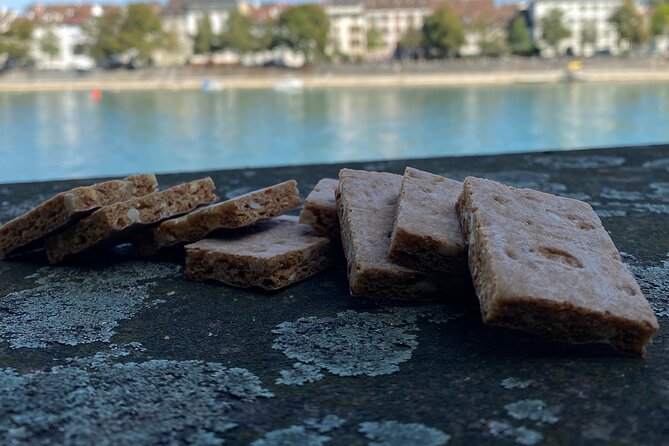
The final food stop is a local bakery for a traditional Swiss spice biscuit called Lackerli Patry. This is one of those foods that makes a city feel specific.
The tour describes it as a 17th-century pastry with recipes passed through generations by oral or handwritten communication, and it also notes that it was once produced in private households by housewives looking for extra income. That’s a neat cultural thread. It connects the biscuit to everyday life, not just elite dining.
When you taste it, you’re going for the flavor and texture, not just sweetness. Spice biscuits usually hold onto aromas in a way candy doesn’t, and that’s part of why people remember this stop.
If you want a souvenir that tastes like Basel rather than generic Swiss chocolate, this is the kind of item that usually wins.
Timing and walking: how the 2 hours actually play out
A 2-hour private food tour sounds simple on paper. In practice, it’s a “taste, learn, move” rhythm.
You start with the Town Hall courtyard, then you cover a guided stop around Basel Minster and the old center. You then spend meaningful time in Altstadt Grossbasel, including a market visit. After that, you shift into the big tasting anchors: cheese, then chocolate, then the final Lackerli Patry pastry.
Because of this structure, it’s not a slow sit-down meal. You’ll be on your feet at times, and you’ll spend several portions standing in shop counters and tasting areas. If your plan includes dinner afterward, keep it light. You’ll likely eat enough during this tour that dinner feels like a bonus rather than a necessity.
Price and value: is $194 reasonable for what you get?
At $194 per person, you’re paying for a few things at once: a private local guide, guided city time, plus multiple tasting stops. This isn’t a self-guided food crawl where you pick random shops and hope for good quality.
The value comes from three layers:
- Guided landmarks: Town Hall area, Basel Minster, and the Tinguely Fountain give you context.
- Multiple structured tastings: cheese, chocolate, and a traditional spice biscuit are built into the route.
- Explained food: you don’t just taste; you get guided notes on flavors and chocolate history.
Where value can dip is if you personally prefer a lot more walking and sight time over shop counter time. One downside that shows up in the overall experience is that some formats can turn into more “escorted to a shop counter and tasting there” than a balanced walking tour. You can reduce this risk easily: ask your guide at the start how much time you’ll spend walking versus inside tasting stations.
If you’re the type who loves learning while eating, the price starts to feel fair. If you only want landmarks, then a pure sightseeing option might be better.
Guides and group feel: the private-group difference
The vibe changes when you’re in a private group, because your guide can slow down or speed up based on what you care about.
From the experience notes, guides like Gina, Jean, and Jonas are highlighted for being patient, fun, and informative. That shows up in how people describe the day: relaxed, informative, and tied to both history and tastings.
The good version of this tour feels like: you finish with your appetite satisfied and your Basel brain turned on. The less-good version would feel like: you spent most of the time in one or two counters with minimal walking. If you’re spending this much, it’s worth making sure the tour matches your expectations for movement and sightseeing.
Who should book this tour in Basel
This tour is a great match if you:
- Want a short, high-impact food experience tied to Basel’s center.
- Love cheese variety and want more than the basics.
- Prefer chocolate with a story, not just a sugar stop.
- Want a traditional local pastry like Lackerli Patry.
It may be less ideal if you:
- Want a long, museum-heavy itinerary.
- Only care about sights and aren’t interested in guided tastings.
- Have strong preferences about where to spend time (for example, avoiding extended shop counters).
Should you book the Basel Farmer’s Market, Cheese, Chocolate & Pastry Tour?
I’d book it if you’re coming to Basel for the first time and want your day to include both landmarks and food that feels local. The combination of Basel Minster and the Town Hall area with tastings makes this a smart “start here” tour.
Before you confirm, check your expectations:
- If you like walking, ask for a clear plan for time spent moving through town.
- If you love tasting, you’re in the right place—this tour is built around cheese, chocolate, and Lackerli.
For couples, friends, or families in a private group who want a fun intro to Basel with real flavors, this is one of the better ways to spend a focused afternoon.
FAQ
Where is the meeting point for the tour?
You meet at Basel Town Hall, inside the main courtyard next to the Roman statue.
How long is the Basel cheese, chocolate and pastry tour?
It lasts 2 hours.
Is the tour guided, and what language is it in?
Yes, it includes a live English-speaking guide.
Is this a private group or a shared tour?
It is offered as a private group.
What food tastings are included?
You get cheese tasting, chocolate tasting, and local specialty tastings, including a traditional Swiss spice biscuit called Lackerli Patry.
What landmarks do we see during the tour?
The tour includes Basel Minster, Altstadt Grossbasel, and includes a stop by the Tinguely Fountain, plus the Town Hall area.
Is the tour wheelchair accessible?
Yes, it is listed as wheelchair accessible.
Can I cancel for a full refund?
Yes, free cancellation is available up to 24 hours in advance.
Do I have to pay everything upfront?
No. You can reserve now and pay later, with the option to pay nothing today.
What is the focus of the cheese tasting?
The tasting focuses on Swiss cheese, including Gruyère AOP, and it includes both mild and stronger flavors through young and aged styles, plus other named cheeses.