REVIEW · BORDEAUX
Blind Tasting: 4 Bordeaux Natural Wine + Cheese experience
Book on GetYourGuide →Operated by Free Walking tours Bordeaux · Bookable on GetYourGuide
Blind wine tasting turns tasting into a game. In just 1 hour, you’ll taste 4 Bordeaux natural wines (1 white, 2 reds, 1 sweet) with 3 cheeses and 2 dry meats, while a sommelier walks you through grapes, regions, and how to read a French label without feeling lost. I love the hands-on format because you smell first, then guess, then learn. I also love that the tasting is paired with practical food logic, not just sip-slap-photos.
One thing to consider: this is not a long, slow tasting event. The pace is brisk by design, so if you want hours and hours of wine detail, you might want to pair this with a longer Bordeaux wine stop later.
In This Review
- What Makes This Experience Different
- Key Points You’ll Care About
- Starting at Saint-Michel: A Bordeaux Meeting Point With Personality
- The Blind Tasting Game: How You Learn Without Feeling Tested
- What You Actually Taste: 1 White, 2 Reds, and a Sweet Bordeaux
- Bordeaux Regions in Real Life: Different Areas, Different Clues
- Cheese and Dry Meat Pairing: Learning the Logic Behind the Bites
- How to Read a French Wine Label (Without Panic)
- The 1855 Classification Explained in Plain Language
- Sulphur and Hangovers: The Myth Your Sommelier Will Tackle
- Meet Your Sommelier: Friendly Hosts and Lots of Questions
- Price and Value: Is $34 Worth It for Bordeaux Natural Wine?
- Who Should Book This, and Who Might Skip It
- Should You Book This Blind Tasting and Cheese Session?
- FAQ
- Where do I meet for the tasting?
- How long is the experience?
- How much does it cost?
- What wines are included?
- What food is included?
- Is the tasting blind?
- What languages are available for the guide?
- Is it suitable for kids or pregnancy?
- Is wheelchair accessible?
- What if I have allergies?
What Makes This Experience Different
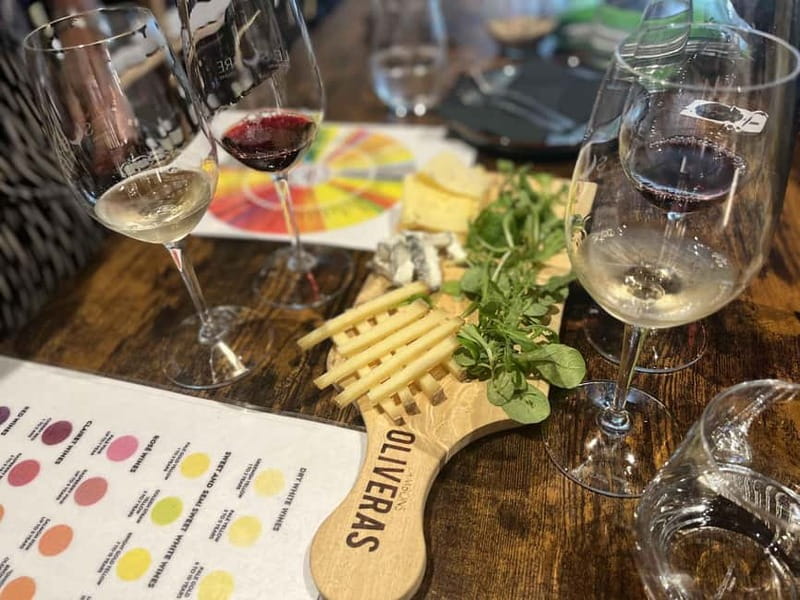
Bordeaux can feel intimidating at first. The 1855 classification alone sounds like a textbook trap. This experience keeps it human. You’ll hear stories tied to winemakers, vintage, and wine history, then you’ll get the sommelier’s method for cracking a blind tasting—what you should notice, how to narrow down region or style, and how to connect what you taste to what’s on the label.
And yes, you’ll get the kind of wine talk that’s half education, half friendly debate. A highlight is the approach to the classic hangover question: the sommelier explains why it’s not about sulphur in the way people assume, and shares the counterpoint that there is more sulphur in fruits and vegetables than in a bottle of wine.
Key Points You’ll Care About
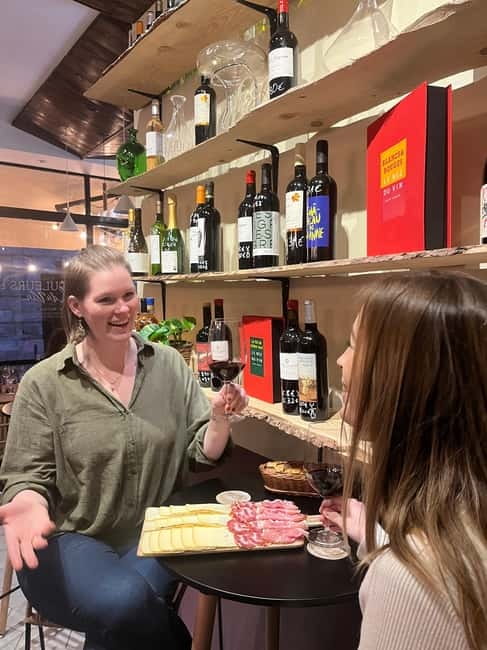
- 4 Bordeaux natural wines across different Bordeaux styles, tasted blind.
- Sommelier-led guessing game that teaches you how to spot clues by smell and taste.
- Food pairing with 3 cheeses + 2 dry meats, so you learn what works and why.
- Label reading practice, including how Bordeaux bottles and terminology can make sense.
- 1855 classification explained in plain language, tied to what you actually taste.
- Natural wine myth-busting, including sulphur and hangovers.
You can also read our reviews of more tours and experiences in Bordeaux.
Starting at Saint-Michel: A Bordeaux Meeting Point With Personality
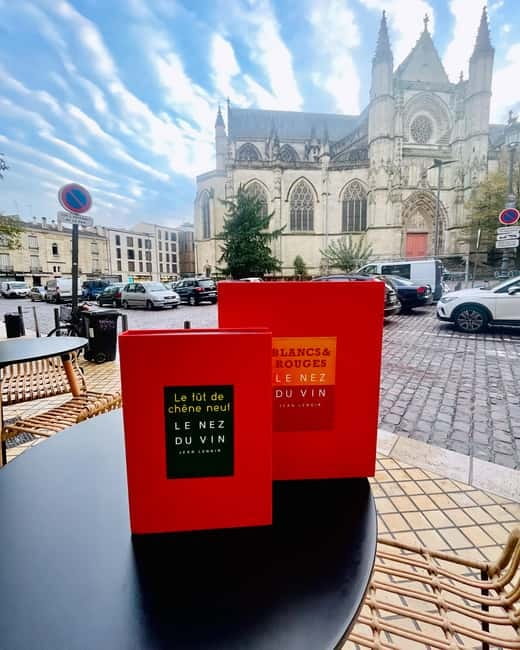
You meet in front of the Flamboyant Saint Michel Church. That matters more than it sounds. It’s a recognizable landmark, and it keeps the start simple in a city where the streets can look similar fast.
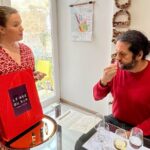
From there, your sommelier runs the session like a focused workshop. You’re not just standing around with a paper cup. You’re guided through a sequence: listen to the Bordeaux basics, taste in a structured order, then use what you learned to reassess your guesses. The location is also a good sign for value: you’re spending your hour on wine education and pairing, not on getting from place to place.
If you’re short on time in Bordeaux but still want to leave with something useful—like the ability to read a bottle and order with confidence—this kind of tight, landmark-based start is a smart choice.
The Blind Tasting Game: How You Learn Without Feeling Tested
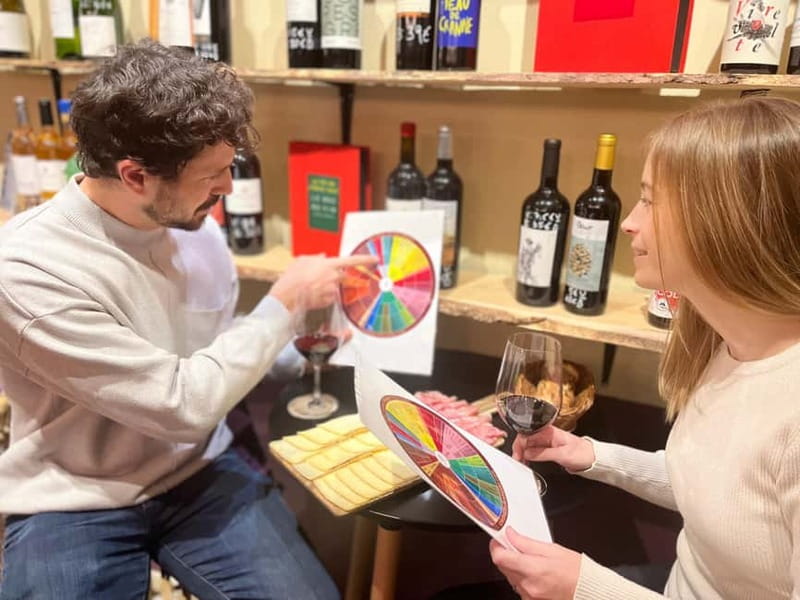
Blind tasting is one of the fastest ways to build real wine sense. It strips away branding and reputation. Suddenly you can’t hide behind “I heard this is great.” You have to pay attention.
Here’s what the structure is designed to do:
- You smell the wine and pick up cues first.
- You taste and notice the profile: acidity, fruit character, texture, sweetness level.
- You compare wines in sequence so your palate builds context instead of resetting every pour.
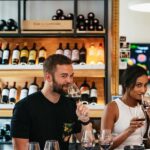
I like that the sommelier treats sniffing like part of the fun, not something awkward. The vibe is social—sniffing around friends and family is genuinely funny. And because you’ll be tasting multiple Bordeaux wines back-to-back, the exercise stops being theory and becomes pattern recognition.
You also get the “secret” behind blind tasting. That’s huge for you because once you understand the method, it travels. Later, when you’re at a bottle shop or ordering at a restaurant, you’re not starting from zero.
What You Actually Taste: 1 White, 2 Reds, and a Sweet Bordeaux
You’re not sampling random bottles. You’re tasting a set designed to teach breadth across Bordeaux, including natural wine styles.
You’ll have:
- 1 white wine
- 2 red wines
- 1 sweet wine
That mix is more educational than it looks. Bordeaux is often marketed as reds and steak pairs, but the region’s identity is broader. A white gives you a baseline for acidity and aromatic lift. Red wines teach structure—think how tannins feel, how fruit expresses itself, and whether the wine leans more earthy, floral, or fruit-forward. The sweet wine changes the game because sweetness isn’t just sugar; it changes balance, aromatics, and how food behaves on your palate.
Another big value point: the wines are 100% local, organic, and made by small family chateaux. Even if you’re not an “organic only” person, small producers often make wines with a clearer point of view. And because the session stays in Bordeaux, you get a consistent geographic frame to compare differences across regions and styles.
Bordeaux Regions in Real Life: Different Areas, Different Clues
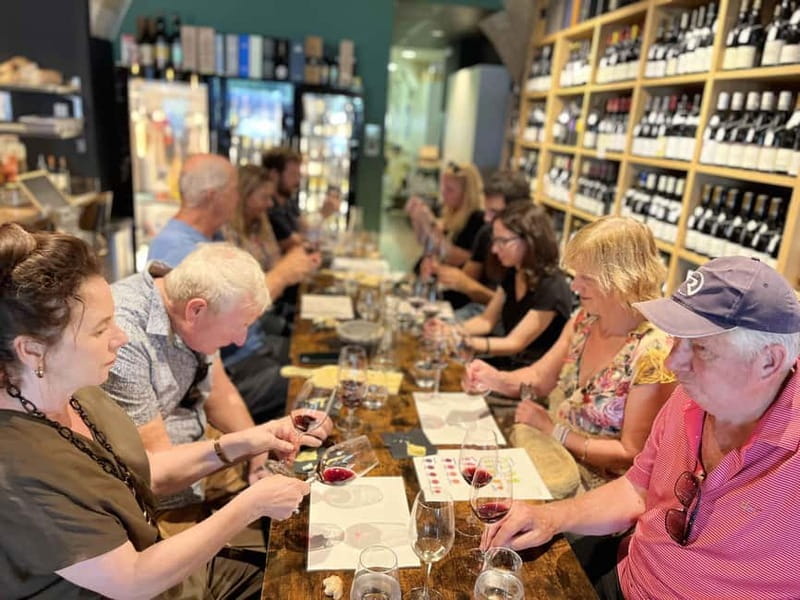
One of the best parts is that you’re not just tasting. You’re learning how Bordeaux is organized into key regions and what those areas tend to produce.
The sommelier explains:
- the important wine regions in Bordeaux
- grape variety cues tied to what you taste
- how vintage and winemaking choices show up in the glass
This is where you’ll start to understand that Bordeaux isn’t one flavor. It’s a family of styles with shared names and structures, but different expressions depending on where the grapes grow and how they’re handled.
If you want to travel smarter later, this is your payoff. You’ll know what to look for and what questions to ask—especially if you visit wineries or shop for bottles. You’ll stop thinking of Bordeaux as a single product and start seeing it as a map of differences.
Cheese and Dry Meat Pairing: Learning the Logic Behind the Bites
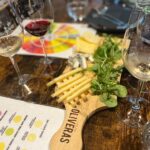
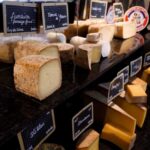
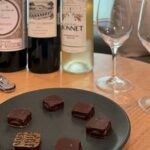
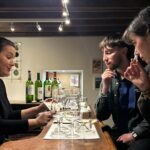
Food is not an afterthought here. You get 3 types of cheese and 2 types of dry meat, and you learn how to pair food and Bordeaux wine.
Pairing teaches you faster than lectures because it forces trade-offs:
- When a wine is more acidic, it can cut through fat.
- When a red has more tannin, it can feel more drying with certain textures.
- When a wine is sweet, it changes how saltiness and salt-cured foods behave.
I like that the pairing approach gives you practical rules you can use. You’re not stuck remembering random pairings. You’re training your palate to predict outcomes.
Also, cheeses are a great blind tasting tool. Milk fat and aged notes can either mask or highlight aromatics and acidity. So as you go, you’ll start realizing what flavor “moves” in response to the wine.
One practical note: extra glasses and extra food are not included. That keeps the price tight, but it also means you should drink and eat what’s in the session and then decide if you want more afterwards.
How to Read a French Wine Label (Without Panic)
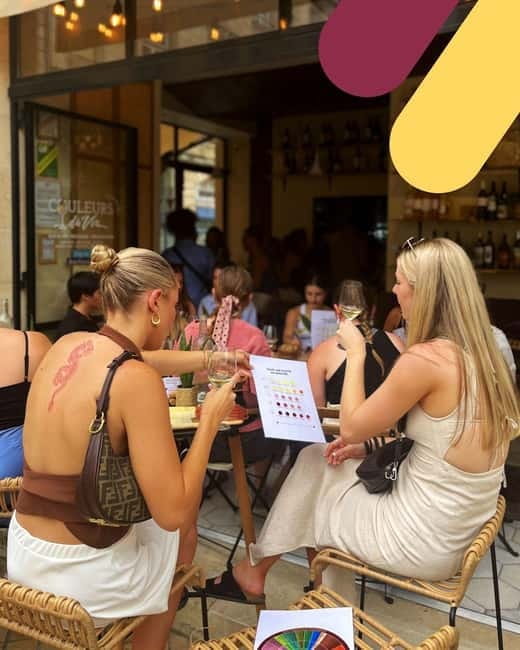
You’ll get hands-on guidance on how to read a French wine label like a professional. This is the part that pays off after your tasting is over.
What I’d focus on when you’re learning label basics is the idea that labels are not just decoration. They’re a structured message about:
- what grapes and style to expect
- what region the wine is connected to
- what kind of producer or classification frame it belongs to
Bordeaux bottles can be packed with terminology, and even good intentions can turn into confusion if you don’t have a simple system. This tour gives you that system. You’ll practice interpreting information so that when you stand in a wine shop later, you’re not translating from scratch.
If you’re the type who likes ordering confidently—rather than hoping you picked right—this label reading piece is one of the best values in the hour.
The 1855 Classification Explained in Plain Language
The 1855 classification is famous. It’s also famous for sounding untouchably historical.
Here, the point isn’t to recite rankings. The point is to understand what the classification is trying to signal. You’ll connect the idea to real tasting impressions so it becomes meaningful instead of just a date on a poster.
And tying this to blind tasting is smart. If classification matters, you should see signs in what you taste—structure, balance, and style cues—even when the label is hidden. That helps you understand classification as a lens, not a guarantee.
So instead of worshipping the name, you get to test it with your palate. That’s better for you and honestly more fun.
Sulphur and Hangovers: The Myth Your Sommelier Will Tackle
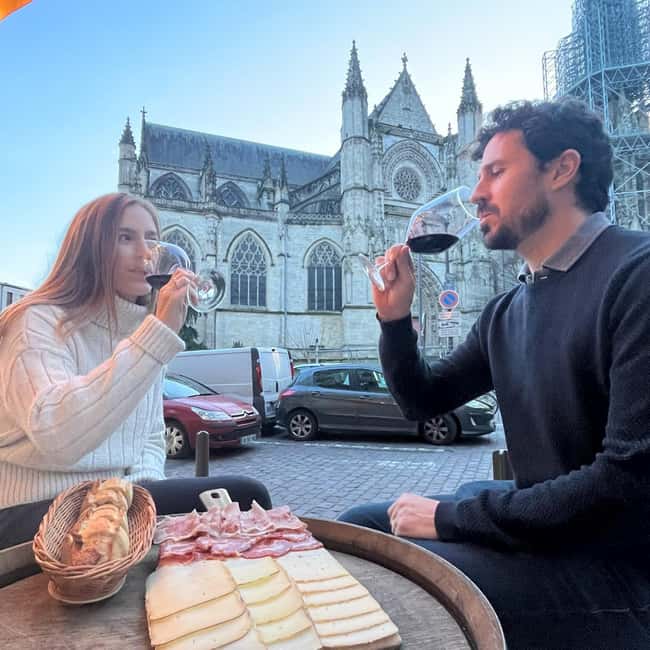
A standout teaching moment is the sulphur myth. The sommelier addresses the hangover question directly and gives you a spoiler: the hangover is not because of sulphur in the simple way people say.
You’ll hear the claim that there is more sulphur in fruits and vegetables than in a bottle of wine. The tour uses that to push you toward a more grounded view of what actually affects how you feel after drinking—things like overall amount, alcohol, and your body, rather than a single villain ingredient.
Even if you don’t care about wine chemistry, this is useful because it shifts blame away from rumors. And it makes you better informed for future tastings.
Meet Your Sommelier: Friendly Hosts and Lots of Questions
This is a live-guided experience with a French/English guide. The format matters: you’re not watching slides. You’re talking, smelling, tasting, then asking questions.
In the feedback you’ll likely hear praise for hosts who answer everything clearly. One guide name that comes up is Ani, who is described as highly competent and always ready with answers. If you get a host like that, you’ll feel the session is tailored to your questions rather than rushing through a script.
For you, that means you can push beyond basics. If you’re curious about natural wine specifics, regional differences, or label interpretation, this structure gives you a safe place to ask.
Price and Value: Is $34 Worth It for Bordeaux Natural Wine?
At $34 per person, you’re paying for:
- 4 wine samples (including sweet)
- 3 cheeses and 2 dry meats
- a sommelier-led blind tasting
- Bordeaux education: regions, grapes, label reading, and 1855 explanation
This price is reasonable because it bundles wine education plus food. Many wine tastings either focus on the drink and skip the learning, or they lecture without pairing. Here, you get both.
The one cost control you should keep in mind: you aren’t getting extra glasses or extra food. So the value is locked to what’s included. If you go in expecting a full meal and multiple rounds, you’ll be disappointed. If you go in expecting an efficient tasting lesson with solid pairings, it’s strong value.
Also, the experience is listed as highly rated, with an average around 4.8. That suggests the hour hits its target: good energy, clear explanations, and wines and food that make the lessons stick.
Who Should Book This, and Who Might Skip It
This tour suits you if:
- you want Bordeaux wine education without intimidation
- you love food pairing and want practical rules
- you’re curious about natural wine but don’t want a technical lecture
- you want a short, efficient experience in Bordeaux that still teaches label reading
It’s not suitable for children under 18 and pregnant women, based on the tour’s stated rules. If you have allergies, you should mention them ahead of time so the team can plan accordingly.
And if you’re the kind of wine lover who already knows Bordeaux deeply, you might still enjoy it for the pairing and the blind tasting method. But the real “wow” factor is for people who want to learn fast and leave with a usable system.
Should You Book This Blind Tasting and Cheese Session?
Yes—if your goal is to get smarter about Bordeaux in a short time. This is the rare one-hour format that mixes blind tasting, Bordeaux regions, label reading, and actual pairing. You’ll walk away with better instincts, not just better memories.
I’d especially recommend it if you’re planning to buy bottles or order wine while traveling. The label training and regional context make you less dependent on staff recommendations. And the blind tasting method helps you trust your own palate sooner.
Just go in knowing the session is tight. It’s not a long cellar crawl. It’s a focused lesson with wine, cheese, and a sommelier who keeps the conversation moving.
FAQ
Where do I meet for the tasting?
You meet in front of the Flamboyant Saint Michel Church.
How long is the experience?
It lasts 1 hour.
How much does it cost?
The price is $34 per person.
What wines are included?
You’ll taste 1 white, 2 reds, and 1 sweet wine.
What food is included?
You’ll get 3 types of cheese and 2 types of dry meat.
Is the tasting blind?
Yes. It includes a blind tasting of the Bordeaux wines.
What languages are available for the guide?
The live guide is available in French and English.
Is it suitable for kids or pregnancy?
No. It is not suitable for children under 18 and not suitable for pregnant women.
Is wheelchair accessible?
Yes, it is listed as wheelchair accessible.
What if I have allergies?
If you have any allergies, you should mention them before you go.