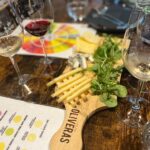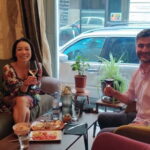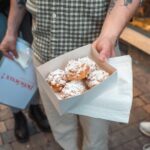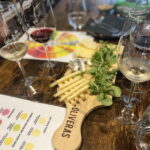
A 1765 oven starts the story. This tour mixes French bread craft with a serious cheese and wine pairing session in Bordeaux’s Chartrons neighborhood, where the city’s wine district DNA is still visible in the streets. I love how the morning is built around food knowledge you can actually use at home, not just samples. I also like the small-group feel (max 8) because the guide can steer the tastings to the people in front of them, including specific needs like lactose intolerance and celiac. The one thing to consider: the tour is short (about 2 hours) and runs like a guided tasting schedule, so you’ll want to arrive hungry and ready to move.
You’ll start at a restored market hall tied to the French Revolution era, then work your way through Chartrons by foot—past a gothic revival church—before the tastings begin in earnest. For most people, this experience doubles as lunch, which is a big part of why the price feels more reasonable once you think of it as a full food-and-wine meal plus instruction.
In This Review
- Key Highlights You’ll Feel While You’re Eating
- A Six-Stop Morning in Bordeaux’s Chartrons Wine Quarter
- The Market Hall Start: Bordeaux Before the Food Stops
- Eglise St Louis des Chartrons: A Short Walk With Gothic Flavor
- Chartrons on Foot: Why This Neighborhood Works for Food
- The Bakery With the Oven Built in 1765
- Pain Gascon and Bread Smarts You Can Use Later
- The Fromagerie Stop: How the Cheese Selection Gets Personal
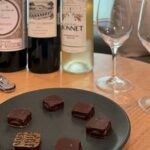
- Southwest France Wine Pairing: Where the Lesson Clicks
- Lunch in a Small Group: Price and Value That Actually Make Sense
- Who This Tour Fits Best (and Who Might Want Something Else)
- Should You Book the Cheese, Wine, and Bread Pairing Tour?
- FAQ
- How long is the Cheese, Wine, and Bread tour?
- Is this tour good if I want lunch?
- What is included in the price?
- Can the tour accommodate dietary restrictions?
- How big is the group?
- Where does it start and end?
Key Highlights You’ll Feel While You’re Eating
- 1765 oven in a unique Bordeaux bakery that sets the tone for how seriously locals treat bread
- Pain Gascon and regional bread education you can connect to what you taste next
- Fromagerie selections made for your group, not a one-size-fits-all cheese platter
- Southwest France wine shop with lots of choice and a pairing-focused discussion
- Chartons wine district streets on foot, with a church stop that adds local texture
- Small group size (8 max) that supports questions, adjustments, and dietary needs
A Six-Stop Morning in Bordeaux’s Chartrons Wine Quarter
This is the kind of food tour that feels like it’s doing two jobs at once: feeding you well and helping you understand the logic behind what you’re eating. That matters, because French cheese and wine pairing can sound fancy until someone explains the patterns in plain language.
The tour runs about 2 hours starting at 11:00 am and keeps the group compact, up to 8 people. The route is mostly on foot and includes a short church pass plus time in food shops. You’re also not stuck in a museum setting. You’re walking through Chartrons, a neighborhood long tied to Bordeaux wine culture and now known for specialty food shops, boutiques, and antiques.
Another smart detail: all food and wine is included, and for many people this becomes lunch. If you’re mapping out your day in Bordeaux, this can replace a planned meal. In practical terms, that’s where the value shows up: you’re not paying just for a tasting flight. You’re buying a guided meal plus education.
You can also read our reviews of more tours and experiences in Bordeaux.
The Market Hall Start: Bordeaux Before the Food Stops
The tour begins at a market hall that was restored in 1998 and originally served as a market site during the French Revolution. This kind of first stop matters more than it sounds. It’s a reminder that food culture here isn’t a modern hobby. Markets, trading, and local supply have shaped Bordeaux eating habits for a long time.
You won’t spend ages inside. Instead, it gives you a sense of place right away, so the rest of the tour doesn’t feel like random shop hopping. If you like to get your bearings fast, this opening does that job.
Eglise St Louis des Chartrons: A Short Walk With Gothic Flavor
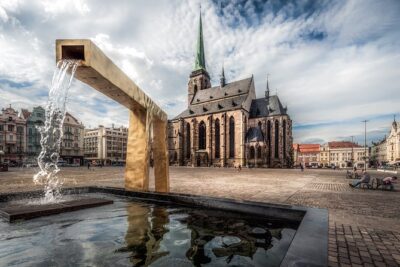
Right after the market hall, you pass Eglise St Louis des Chartrons. It’s a gothic revival church dedicated to Saint-Louis, tied to a former king of France. This stop is brief, but it adds structure to the walk.
In a food tour, a quick architecture and streetscape moment can be more useful than you’d expect. It helps you remember where you are, and it breaks up the time before the tastings begin. When you later look back at the neighborhood, you’ll likely connect the flavor stops to the streets that surround them.
Also: admission is included for this stop, so you don’t have to think about extra tickets.
Chartrons on Foot: Why This Neighborhood Works for Food
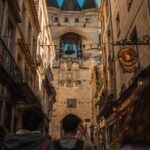
Chartrons is often described as Bordeaux’s wine district, and this tour puts you in the right part of town to understand that claim. You get a chunk of time in the neighborhood—about an hour—during which you’re moving through streets lined with specialty shops and antiques.
Here’s what I like about doing the wine and cheese pairing in this setting: it makes the tasting feel local instead of staged. The flavors connect to the neighborhood’s identity, not just to a menu board. You’re also on the Left Bank area of Bordeaux, and the guide’s pairing discussion later brings in both styles of wine—Left Bank and Right Bank—so the geography theme pays off.
If your travel style is part food, part place, this route makes more sense than tours that start and end in the same shopping street.
The Bakery With the Oven Built in 1765
The heart of the morning starts at one of Bordeaux’s most unique bakeries. The star is the oven built in 1765 under King Louis XV. Seeing it up close sets a different mood than a typical tasting shop. Bread isn’t treated like a side item. It’s treated like a craft.
What you’ll get here is a traditional bread-making lesson, tied to how bread behaves in real meals. You’ll also sample regional bread specialties, including pain Gascon. That’s not just a bread name to collect. It’s a chance to compare texture and flavor before cheese and wine enter the picture.
Why this stop is valuable: pairing works better when you understand the role of bread. Bread can soften strong cheeses, bring out nutty notes, and act like a neutral reset between rich bites. Starting with bread first helps you taste the later pairings with more clarity.
One practical consideration: bread tours can be a little early-morning messy in terms of smell and warmth. Come prepared for the fact that you’ll likely be hungry and the bakery will smell like bread. That’s not a drawback; it’s part of why it works.


Pain Gascon and Bread Smarts You Can Use Later
Bread can feel basic until someone shows you what makes it special. This part of the tour teaches you about traditional bread-making and gives you a direct taste comparison as you move from one bread specialty to another.
When the guide talks about bread, the goal isn’t trivia. It’s helping you notice patterns like:
- crust versus crumb
- how a bread’s flavor supports cheese
- why some cheeses need sturdier bread to stand up to them
Pain Gascon is the kind of bread that fits into the French table idea of bread as more than a filler. It has the structure to handle cheese richness without disappearing. And when you later hit the fromagerie tasting, you’ll already have your own mental reference point for texture and bite.
If you’re the type who wants to buy something to bring home, bread is usually where you’ll have the best instincts—because once you taste it in context, you know what you actually like.
The Fromagerie Stop: How the Cheese Selection Gets Personal
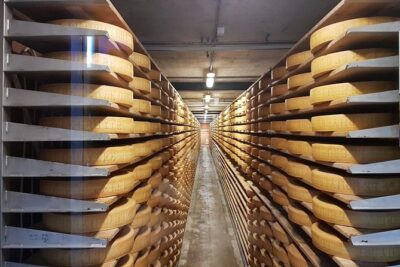
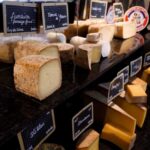
Then comes the fromagerie. This is where the tour expands from bread into the big universe of French cheese.
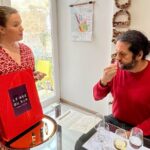
You’ll discover a wide range of cheeses, and you and your guide will make selections for your tasting. That detail is a big deal for quality. Instead of forcing a fixed lineup, the guide can choose cheeses based on the group. It’s also how they can handle special dietary needs. In one review, the guide Alex managed a group with lactose intolerance and celiac, which suggests they’re paying attention and not just shrugging at constraints.
What you should expect from the tasting: you’ll likely move through cheeses with different textures and strengths, then learn how these traits change when wine enters the equation. The best moments are usually the comparisons—when you take a bite, pause, and then try the next cheese with the new bread and the matching wine discussion.
Is there a drawback? Only that this stop is cheese-forward. If you don’t like strong flavors or you’re expecting a lot of variety like meats or full courses, this is not that. This tour is built to focus, not to scatter.
Southwest France Wine Pairing: Where the Lesson Clicks
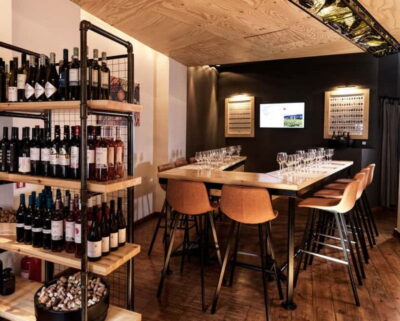
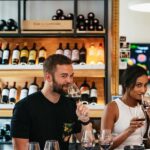
After cheese, you head to a wine shop with one of the largest selections in Southwest France. This matters because pairing doesn’t work if you’re stuck with the same few bottles every time. The shop setting also keeps the discussion grounded in real choice, which helps you understand why certain wines complement certain cheeses.
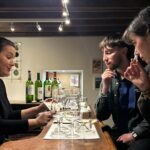
Then you settle in for a detailed discussion and the main cheese-and-wine pairing session. One of the strongest notes from a review was that the wines were handled with care across both Left Bank and Right Bank styles. That gives the pairing lesson a stronger framework. You’re not just tasting; you’re learning how to think.
In practical terms, here’s how wine pairing becomes clearer on a tour like this:
- you taste bread first, so you understand the baseline
- then cheese, so you feel the texture and intensity
- then wine, so you learn what the wine does to the cheese taste, not just what the cheese tastes like alone
If you want to bring this skill home, this part is the payoff.
Lunch in a Small Group: Price and Value That Actually Make Sense
The price is $104.53 per person, and at first glance that might feel like a lot for 2 hours. But the math changes fast when you treat it as a meal experience rather than a short tasting.
Here’s what you’re getting that pushes it toward good value:
- All food and wine included
- English-speaking guide throughout
- Cheese and wine pairing discussion (instruction, not only samples)
- A route that includes neighborhood stops plus admissions where applicable
- Small group size (max 8), which usually means more attention per person
Also, this tour is described as doubling as lunch for most people. That’s important for decision-making. If you compare this to paying for lunch plus separate tastings, it usually feels more reasonable.
One more practical note: alcoholic drinks are only served to those 18 and above. If you’re under 18, you might want to confirm what non-alcohol alternatives are offered, but the tour data only explicitly covers the 18+ wine/spirits policy.
Who This Tour Fits Best (and Who Might Want Something Else)
I think this tour fits best if you:
- want a pairing-focused experience rather than a generic food stroll
- care about learning patterns—bread to cheese to wine—so you can repeat it later
- like smaller groups and guided discussion
- have dietary needs and want a guide willing to adjust (vegetarian is mentioned as accommodable, and the guide Alex handled lactose intolerance and celiac in a past group)
You might want to choose another option if:
- you’re looking for a longer, multi-course meal with lots of stops beyond bread, cheese, and wine
- you dislike cheese as a main theme
- you prefer a tour that leaves more time for free wandering or shopping
Should You Book the Cheese, Wine, and Bread Pairing Tour?
If you’re deciding based on value, I’d lean yes. This is one of those experiences where the structure supports the learning: bread first, then cheese selection, then wine pairing, all in the context of Chartrons. The 1765 oven stop adds real atmosphere, not just a photo moment.
I’d also book it if you want a guide who can keep the group engaged and handle different needs. Reviews specifically highlight Alex as entertaining and attentive to diverse requirements, and the overall tone points to guides who know how to make the tasting feel friendly, not formal.
Before you go, the best advice is simple: come hungry, and plan to treat it as lunch. If you do, you’ll leave with more than full stomach satisfaction—you’ll leave with a clearer idea of how French cheese and Southwest wine play together on the French table.
FAQ
How long is the Cheese, Wine, and Bread tour?
It runs for about 2 hours.
Is this tour good if I want lunch?
Yes. It doubles as lunch for most people.
What is included in the price?
All food and wine are included, and you’ll have an English-speaking guide. Alcoholic beverages are included for travelers 18 and above.
Can the tour accommodate dietary restrictions?
The tour can accommodate dietary restrictions such as vegetarian, and you’re asked to indicate requirements when booking. In one review, a guide was able to meet needs for lactose intolerance and celiac.
How big is the group?
The tour has a maximum of 8 travelers.
Where does it start and end?
It starts at 27 Rue Camille Godard, 33000 Bordeaux, France and ends at 6 Rue Notre Dame, 33000 Bordeaux, France. The tour starts at 11:00 am.