REVIEW · BORDEAUX
Tasting of Bordeaux red wines, wine and charcuterie pairings
Book on Viator →Operated by I love my 2cv · Bookable on Viator
A great Bordeaux lesson fits in one hour. This intimate tasting in Bordeaux helps you read the wines like a pro, thanks to certified hosts Mathilde and Cécilia, plus a format that mixes four reds with food. I especially like the small group size (max 6) and the fact you get a tasting booklet to keep learning after. One thing to keep in mind: you are tasting reds-focused, so if you’re only chasing white wines, ask about the season’s adjustments.
You’ll compare the big Bordeaux styles fast: Left Bank tends to feel structured and Cabernet-driven, while Right Bank often lands more soft and Merlot-forward from Saint-Émilion. The meal part is also practical—each wine comes with a charcuterie-style pairing designed to show how flavor changes on your palate.
In This Review
- Key things I’d bet you’ll notice
- Bordeaux Reds in One Hour: a tasting format that actually teaches
- Mathilde and Cécilia at the center of it all
- Four wines, plus the mystery glass and an aged pour
- Left Bank vs Right Bank: how to tell Cabernet structure from Merlot softness
- Wine and charcuterie pairings: what to notice with food
- Where the tasting takes place: stone room, courtyard, or cellar
- The meeting point in Bordeaux and how it fits your day
- Price and value: what $46.99 buys you here
- Who this Bordeaux tasting is best for
- Tips to get the most out of it
- Should you book this Bordeaux wine and charcuterie tasting?
- FAQ
- How long is the Bordeaux tasting experience?
- How many wines will I taste?
- Is this experience suitable for beginners?
- What language is the tasting offered in?
- What pairing is included with the wines?
- Where does the tasting take place?
- What is the meeting point address?
- Are the wines available to buy?
- Can I cancel for a full refund?
Key things I’d bet you’ll notice
- Max 6 people means real back-and-forth with the host, not a lecture.
- Left Bank vs Right Bank is taught in plain language, with what to smell and what to expect.
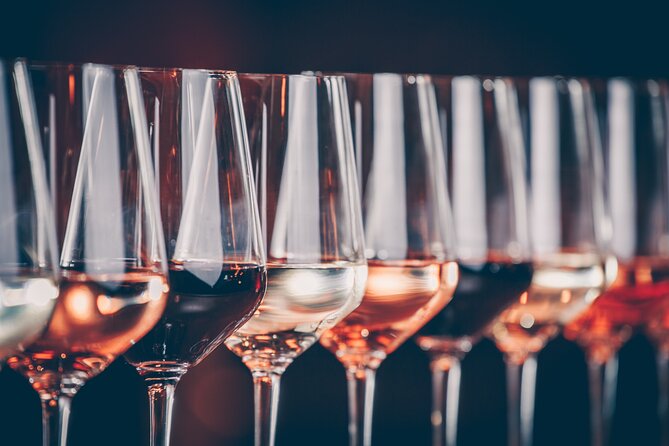
- Four wines plus a mystery glass and aged pour helps you train your senses.
- Wine + charcuterie pairings show how food shifts aromas and texture.
- A tasting booklet gives you a take-home guide for choosing bottles later.
Bordeaux Reds in One Hour: a tasting format that actually teaches
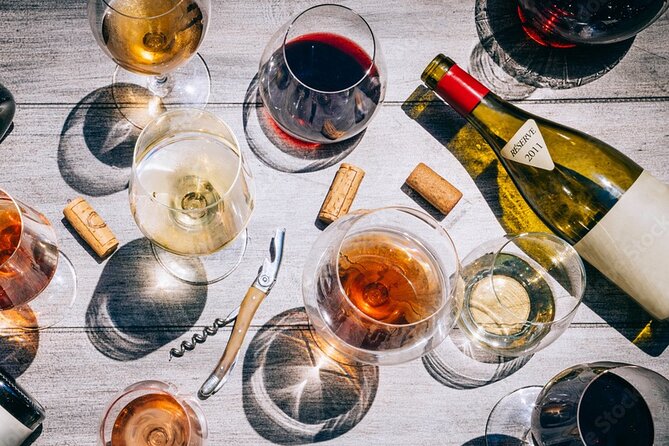
If you want Bordeaux without the long day and the bus schedule, this is a smart pick. The pace is built for learning: you taste, pause, compare, and ask questions while the experience is still fresh in your senses. It’s also a good fit if you’ve had a couple tastings before and you want to level up what you notice.
The core idea is simple: Bordeaux red wines aren’t one thing. You’re introduced to how grape variety, terroir, and winemaking choices shape aroma and texture, not just the final flavor in the glass. That’s what makes the hour feel more useful than a quick sip-and-go stop.
You’ll also get structure. Instead of guessing what you’re tasting, you learn a method for identifying what’s in the glass—then you test it as you move through the lineup.
You can also read our reviews of more tours and experiences in Bordeaux.
Mathilde and Cécilia at the center of it all
This tasting is guided by certified experts Mathilde and Cécilia. That matters because you’re not just sampling wines—you’re being coached on how to taste. The best moments are usually when you ask a question and the host answers in a way that connects to what you’re currently drinking, not a generic wine lecture.
Small groups help here. With a maximum of six people, the host can steer the tasting toward what you want to learn. One of the big themes from the experience is personalization: if you have preferences, you’re not stuck doing the same script as everyone else.
Also, while the experience is offered in English, some sessions can run bilingual when arranged in advance. If you’ll be sharing the experience with someone who speaks French and prefers it, that flexibility can be a nice bonus.
Four wines, plus the mystery glass and an aged pour
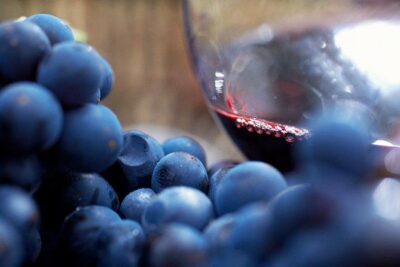
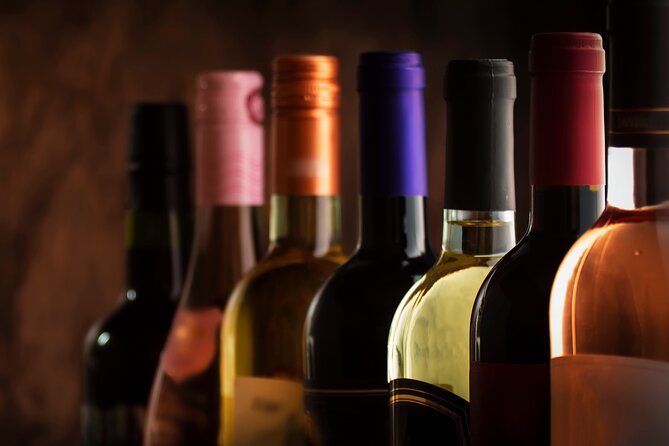
You taste four carefully chosen wines, which can include mono-varietals or blends. The lineup can come from family estates, including organic producers, and also from Grand Crus. That range gives you a feel for how style and quality show up in the glass.
Then comes the fun part: a mystery glass and a mature wine that focuses on aging. The mystery pour pushes you to put your nose and palate skills to work right away. It turns tasting into a game, but the host keeps it grounded in technique.
The mature wine is the other key. Bordeaux is famous for cellaring, but most people only hear that as a marketing line. Here, you taste the difference aging can create and connect it back to the grapes and winemaking choices you just learned about.
One practical benefit: you walk out with a tasting booklet. Even if you only remember half of what you learned, the booklet helps you keep building the habit at home.
Left Bank vs Right Bank: how to tell Cabernet structure from Merlot softness
The Bordeaux map can look intimidating at first. This tasting makes it easier by focusing on the two big style lanes you’ll hear about constantly: Left Bank and Right Bank.
Left Bank often points you toward structured wines, associated with regions like the Médoc and blends that revolve around Sauvignon Cabernet. Expect wines that feel more structured in texture and more deliberate in their aroma profile.
Right Bank often points you toward wines that feel softer and fruit-forward, strongly tied to Saint-Émilion and Merlot. These usually come across with a rounder mouthfeel and a different balance of fruit and savory notes.
What I like about this approach is that it’s not just geography. You’re learning how style connects to what you’re drinking, so you can apply it later when you’re choosing a bottle. Next time you see a producer name or a region label, you’ll know which kind of experience you’re likely to get.
Wine and charcuterie pairings: what to notice with food
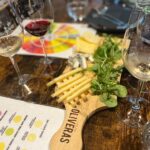
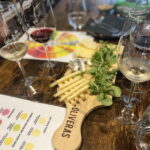
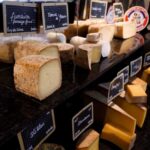
This experience pairs each wine with a delicatessen-style snack. The goal isn’t just to add something tasty. It’s to teach you how food changes perception—how aromas can pop, how tannins can feel smoother or sharper, and how flavors shift from your first sip to your second.
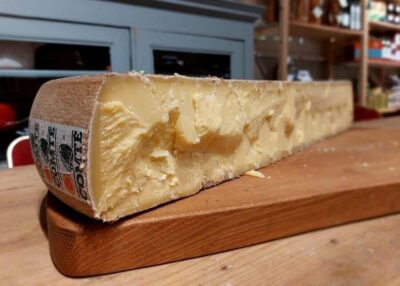
Charcuterie is a smart pairing choice for Bordeaux reds because it brings fat, salt, and cured-meat flavors that interact with texture and structure in the wine. When you taste with food, you start noticing things you can miss when you taste wine alone.
A small heads-up: one detail you might run into is that the charcuterie can be meat-focused, with fewer cheese options than you might expect from some pairings. If you’re hoping for a cheese-heavy board, it may be worth asking what’s included on your date.
Either way, the pairing part is genuinely useful. You leave with a practical sense of what kinds of bites bring out what you liked most in each wine.

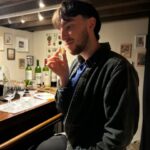
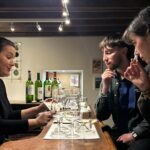
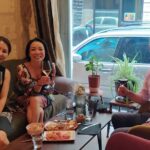
Where the tasting takes place: stone room, courtyard, or cellar
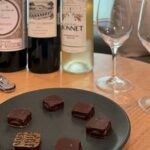
The location inside the experience changes depending on the season. You might taste in a stone room, in a private courtyard, or in a cellar. That affects the vibe as much as it affects the temperature and comfort.
A stone room or cellar tends to feel more classic and quiet, which can help if you’re the type who learns better without distractions. A courtyard can feel more open and relaxed, which can be great if you want the tasting to feel like part of an easy day in Bordeaux.
Either way, you’re staying in the same meeting point area and the tour ends back there. That makes it easy to plug into the rest of your day, whether you’re planning a stroll, a dinner reservation, or another stop on foot.
The meeting point in Bordeaux and how it fits your day
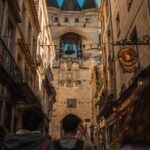
You meet at 25 Av. Thiers, 33100 Bordeaux, France. The session runs about 1 hour and ends back at the meeting point. That timing is ideal for people who want Bordeaux wine knowledge without losing the whole afternoon.
It’s also near public transportation, so you’re not stuck arranging a taxi just to get to the start. If you’re staying in central Bordeaux, this kind of location is exactly what you want.
The experience is offered with a mobile ticket, and you should receive confirmation at the time of booking. That helps a lot when you’re juggling a few activities in the city.
And if you’re in Bordeaux during Aug 14 to Aug 24, note that there’s a mention of no Spanish classes during that window. This probably won’t affect your wine tasting, but if you were combining courses, double-check the schedule for what’s actually running.
Price and value: what $46.99 buys you here
At $46.99 per person, this isn’t a budget tasting, but it’s also not priced like a fancy all-day private tour. What you’re paying for is the coaching and the structure.
You get:
- a guided tasting designed around regional style (Left vs Right)
- four wine tastings with additional elements (mystery glass and aged wine)
- pairing snacks
- a takeaway tasting booklet
That combination is the value. If you tried to DIY this on your own, you might find wine flights, but you’d still be missing the framework for how to taste and what to notice. And if you’ve ever bought a bottle after a tasting and thought, I liked it but I can’t repeat that result, the booklet solves part of that problem.
Since the group is kept small (max 6), you’re also buying attention. In wine, that attention is often the difference between fun and real learning.
Also, wines are available for sale. If you love something you taste, the price to buy can be easier to judge right after you’ve tasted it, while your palate memory is still accurate.
Who this Bordeaux tasting is best for
This is a great choice for wine lovers at all levels. If you’re new, the host guidance helps you learn a process without feeling intimidated. If you’re more experienced, the Left Bank/Right Bank comparison and the aging portion give you a focused way to sharpen your sense of differences.
It’s also a good option for a couple or a solo traveler who wants a personal experience without crowds. With a max of six, you get the social vibe of a small group while still having time to ask questions.
If you’re short on time in Bordeaux and want a high-quality wine education without leaving the city, this fits well. You get regional context and practical tasting skills in about an hour.
If your trip is centered on white wine only, consider this a “reds-first” experience. The provider says they adapt for white lovers depending on season, so you might still be able to get something satisfying. But manage expectations: the lesson is built around Bordeaux reds.
Tips to get the most out of it
Go in curious, not confident. The mystery glass works best when you treat it like a puzzle rather than a test. Smell first, then sip, then compare. You’ll get more out of the discussion if you have at least one question ready.
If you have a favorite style in mind, say it early. The experience is designed to be personal, and the hosts can steer what you focus on during the tasting.
Don’t rush past the pairing. When you’re ready, ask how the host sees the wine changing with the charcuterie snack. Even if you think you already know what you like, food pairing can reveal subtle differences between wines that look similar in a plain flight.
Finally, take the booklet seriously. Use it the same day if possible. The more quickly you apply what you learned, the easier it is to remember what to buy later.
Should you book this Bordeaux wine and charcuterie tasting?
Yes, you should book it if you want a focused, small-group Bordeaux lesson that teaches you how to taste. The combination of structured guidance, four wines, Left Bank vs Right Bank comparisons, and food pairings is exactly what makes this more than a casual stop.
Skip it or think twice if you only want a relaxed, no-structure tasting. This experience is educational by design, and you’ll get more value if you’re willing to smell, sip, compare, and ask questions.
Book it if you’re the type who likes walking away with a plan. The tasting booklet helps you turn what you learn in one hour into better choices later—back in your hotel, at a wine shop, or during your next Bordeaux meal.
FAQ
How long is the Bordeaux tasting experience?
It lasts about 1 hour.
How many wines will I taste?
You taste four carefully chosen Bordeaux wines, with additional elements including a mystery glass and a mature wine.
Is this experience suitable for beginners?
Yes. It’s described as great for wine lovers of all levels.
What language is the tasting offered in?
It is offered in English. Some sessions can be bilingual when arranged in advance.
What pairing is included with the wines?
Each wine comes with snacks from a delicatessen, described as wine and charcuterie pairings.
Where does the tasting take place?
Depending on the season, it may happen in a stone room, a private courtyard, or a cellar.
What is the meeting point address?
The start (and end) is at 25 Av. Thiers, 33100 Bordeaux, France.
Are the wines available to buy?
Yes, wines are available for sale.
Can I cancel for a full refund?
Yes. You can cancel for a full refund up to 24 hours before the experience’s start time. Free cancellation applies under that window.