REVIEW · GENOA
Genoa: 5 Ligurian Wines with Pesto, Focaccia & Cheese Tasting
Book on Viator →Operated by Tigullio Trekking - BioTigullio5Terre · Bookable on Viator
Five pours, zero fuss. In about an hour, you get a guided Ligurian wine tasting in a welcoming family bottega, just steps from the House of Christopher Columbus. It’s the kind of tasting that pairs local flavors with local context, so the wines don’t feel like random sips.
I love the small-group vibe and the hands-on guidance from the BioTigullio5Terre team. I also like that you taste a set of five Ligurian wines alongside traditional focaccia, pesto, and local cheeses, not as an afterthought.
One possible drawback: the format is short. The experience is built around a quick landmark start near Torri di Porta Soprana and then settles into tasting, so it’s not a long sightseeing day or a deep technical wine class.
In This Review
- Key things to know before you go
- Genoa’s Ligurian wines taste like the coast and the hills
- Inside the family bottega near Christopher Columbus
- Torri di Porta Soprana: a landmark that gives context fast
- The 5-wine lineup: what you’ll taste in order
- Focaccia, pesto, and cheese: the pairing strategy that works
- What you learn from the winemaker stories (and why it sticks)
- How to make a 1-hour tasting feel like a win
- Price and value: is $52.87 worth it?
- Who should book this Genoa wine tasting
- Should you book Genoa’s 5 Ligurian Wines with Pesto, Focaccia & Cheese?
Key things to know before you go
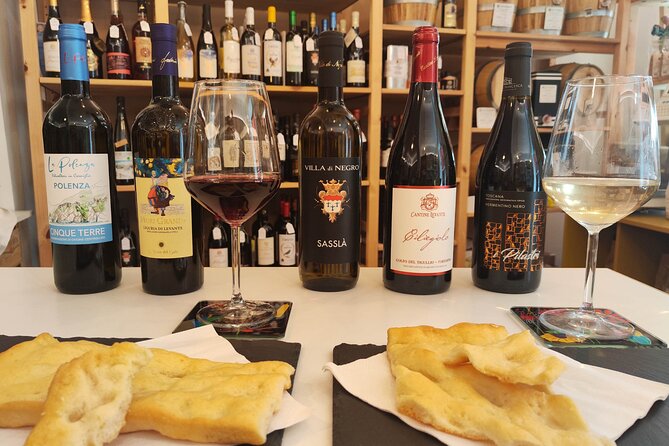
- Five specific Ligurian wines: Vermentino secco, Vermentino fruttato, Ciliegiolo del Tigullio, Vermentino nero, and Vino DOC Cinque Terre
- Food pairing that matches the region: focaccia, pesto, and local cheeses (and in at least some tastings, meat cuts show up too)
- Intimate group size (max 6): more conversation, less waiting for your turn
- Old-town location: you’ll be near the House of Christopher Columbus, in Genoa’s historic area
- Guided by BioTigullio5Terre: you hear the story behind the wines and the family project in the hills
Genoa’s Ligurian wines taste like the coast and the hills
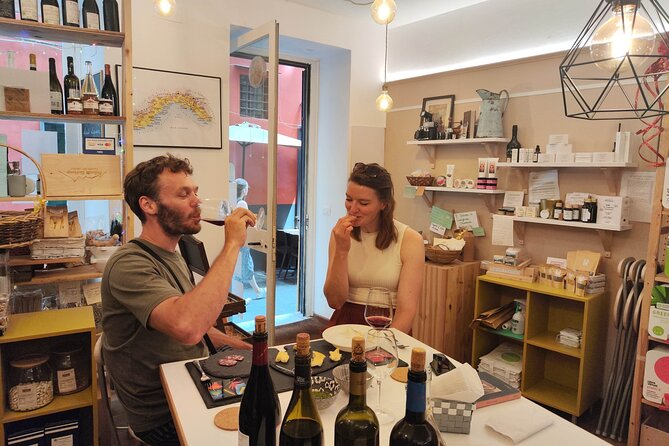
Ligurian wine is weird in a good way. You often get coastal brightness in the glass, then a turn toward something warmer and more serious as you move through the lineup. That contrast is exactly what this tasting is built for.
You start with Ligurian whites (think dry and fruity Vermentino styles), then you shift toward red-leaning options with wines like Ciliegiolo del Tigullio and Vermentino nero. By the end, you also get a Vino DOC Cinque Terre, which helps tie Genoa’s food scene to the wider coastal wine world.
If you’ve ever felt that wine tastings turn into a checklist, this one feels more like a short story with pours—coast first, then hills, then the broader Cinque Terre link.
Inside the family bottega near Christopher Columbus
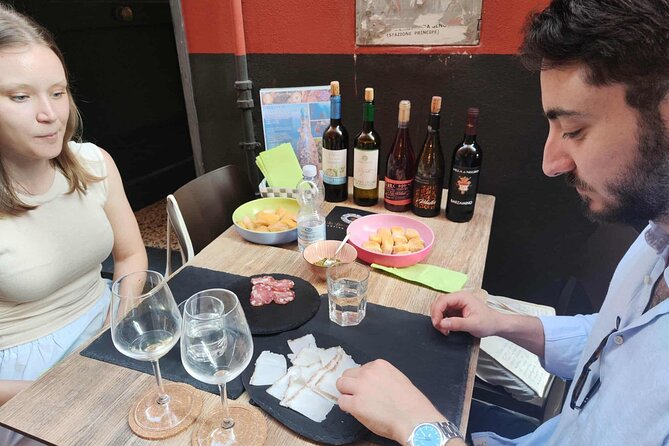
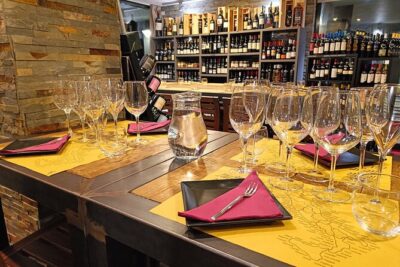
This is not a big, polished auditorium tasting. You sit down in a welcoming, family-run bottega right in Genoa’s old town, near the House of Christopher Columbus. That matters. You’re not just consuming wine; you’re stepping into a local setting where people actually do this for a living.
The group stays small—up to 6 travelers—so you’re more likely to ask questions and get answers in real time. The BioTigullio5Terre team guides you through what to notice in aroma and flavor, which is useful even if you don’t consider yourself a wine expert.
Also, you’ll get a mobile ticket, which keeps your start simple. And since the meeting point is near public transportation, you can slot this into a Genoa day without turning it into a logistics puzzle.
Torri di Porta Soprana: a landmark that gives context fast
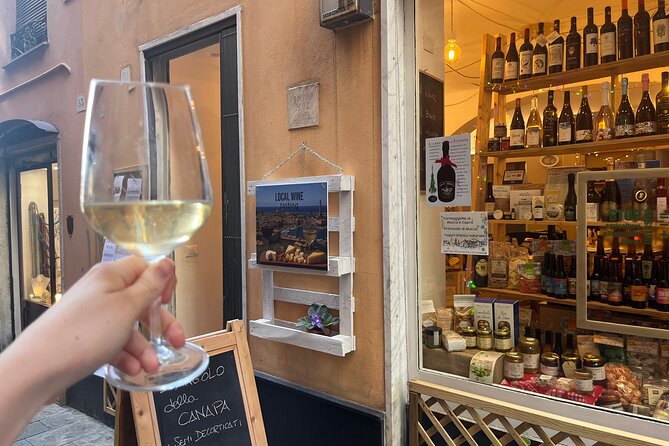
The experience includes a stop tied to Torri di Porta Soprana. Think of it as a quick Genoa anchor point: you’re placed in the city fabric instead of being dropped into a tasting room with no sense of place.
In practical terms, this kind of start helps you orient quickly. Genoa’s historic center can feel like a maze if you’re not careful. A landmark like Torri di Porta Soprana gives you something real to connect with before you settle in to taste.
Just don’t expect this to replace real sightseeing. This is primarily a tasting session, with the landmark serving more as a starting point than the main event.
The 5-wine lineup: what you’ll taste in order
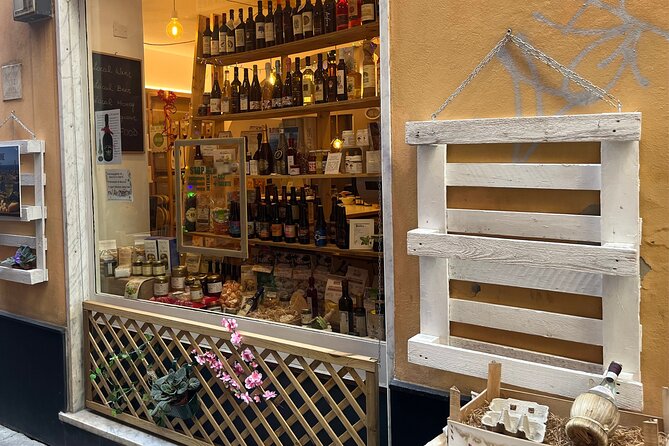
This tasting is designed as a progression. You’re not randomly sampling. The sequence helps you notice how Liguria changes across grape types and styles.
Here’s what’s in the pour plan:
- Vermentino secco (dry Vermentino)
Expect a crisp, coastal-style start. Dry Vermentino is often the gateway wine here because it’s refreshing and clear on the palate, making the food pairing easier to enjoy.
- Vermentino fruttato (fruity Vermentino)
This one shifts you from purely dry into a more fruit-forward direction. It’s a nice middle step—still Ligurian, but with a different mood.
- Ciliegiolo del Tigullio
This is where the tasting can start to feel more textured and serious. The program is set up to move you from coastal whites into the area’s red-leaning character.
- Vermentino nero
Don’t let the name confuse you. The tasting uses it to show that Liguria isn’t only about whites. It’s one of the lineup entries that keeps the whole experience from feeling predictable.
- Vino DOC Cinque Terre
Ending on a Cinque Terre DOC helps you connect Genoa’s taste to the famous neighboring coast. It’s also a solid closer because it’s recognizable as a regional label rather than a one-off grape.
One of the most praised parts of the experience is that the wines genuinely feel tied to local character—coastal whites, then reds that land with more elegance than you might expect from a casual tasting. If your goal is to leave with a sense of what Liguria tastes like, this lineup hits that target.
Focaccia, pesto, and cheese: the pairing strategy that works
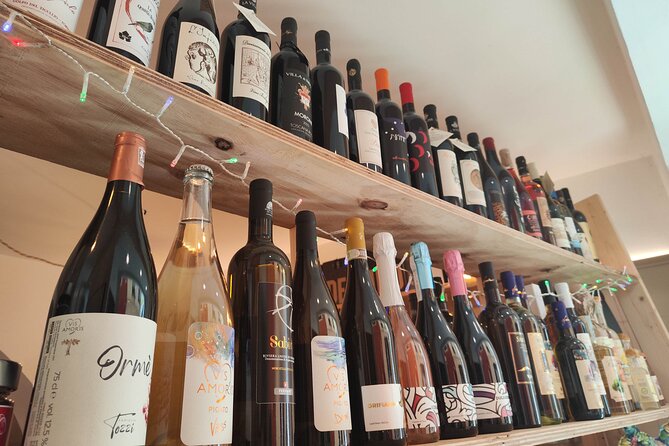
A good tasting doesn’t just hand you food. It uses food to shape what you notice in the glass. This one does that with a classic Ligurian structure:
- Traditional focaccia for bread-and-oil comfort
- Pesto to bring herb, garlic, and basil notes into the mix
- Local cheeses to add fat and salinity that can tame acidity and round out flavors
And in at least one reported tasting experience, the table also included a selection of meat cuts. That’s smart with wine tasting. Different cuts can highlight different aspects of tannin, acidity, and fruit.
Why this pairing matters: pesto and focaccia are bold flavors. If the tasting didn’t include them, you’d only learn what the wine tastes like on its own. With the food included, you learn what the wine tastes like in real Ligurian life—where meals aren’t quiet and every bite comes with opinions.
What you learn from the winemaker stories (and why it sticks)
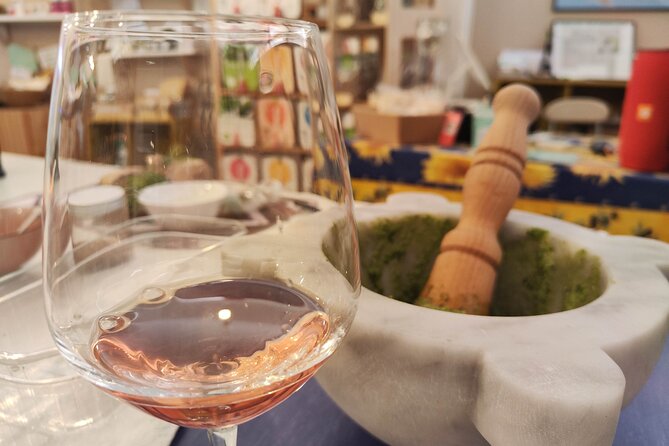
This tasting includes stories about local winemakers and the background of the family project in the Ligurian hills. That kind of context helps your brain remember flavors.
Instead of only tasting Vermentino, you’re also hearing how those grapes and methods connect to the region’s terrain and people. Even if you don’t care about technical details, you’ll probably care about the human part: who makes the wine, why they keep doing it, and what they think matters.
The most positive impressions around this experience focus on that “story + sip” combo. You get more than a checklist of flavors. You get a sense of place, delivered by people who seem genuinely proud of their local work.
How to make a 1-hour tasting feel like a win
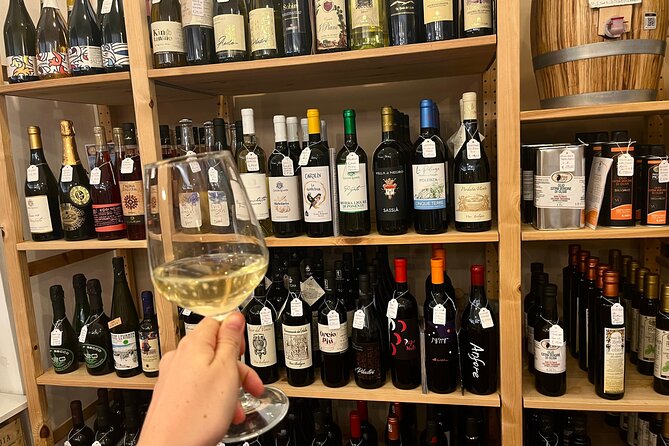
One hour is short. You can either rush it, or you can use it well.
Here’s how I’d approach it as a practical traveler:
- Go in hungry, but not starving. You want enough appetite to enjoy the focaccia and cheeses, but you don’t want to be so hungry that you eat on autopilot.
- Ask questions early. Since the group is small, your guide can often tailor explanations on the fly.
- Take tiny breaks between wines. It’s tempting to knock them back quickly, but the tasting gets better when you pause and reset.
At the end, you’ll be brought back to the same meeting point—so you can keep exploring Genoa right away without planning your next step from scratch.
Price and value: is $52.87 worth it?
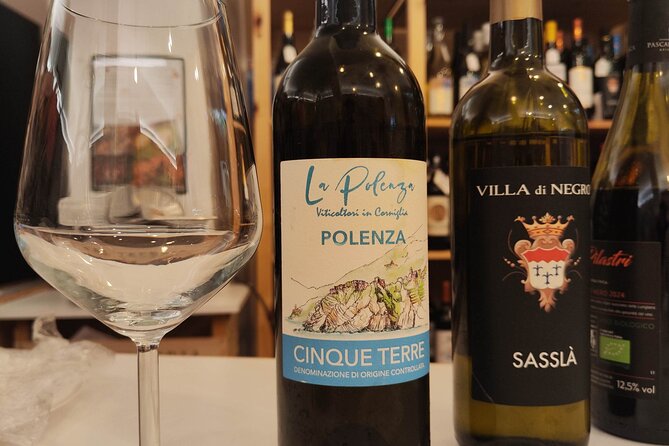
At $52.87 per person for about one hour, you’re paying for three things at once:
- Five guided wine tastings (not just self-serve pours)
- A full pairing setup with focaccia, pesto, and local cheeses
- Local storytelling tied to winemakers and the hills behind the wines
That combination is usually where tastings either feel cheap or feel overpriced. This one leans toward value because you’re not buying wine alone; you’re buying the whole experience package. Also, because the group is limited to 6 travelers, you’re more likely to get real attention instead of being one voice in a crowd.
If you’re the type who enjoys tasting but hates long tours, this price can make sense. If you want a deep, hour-plus education session with a lot of technical back-and-forth, you might find the format short for the price. But for a focused Genoa stop, it’s the kind of spending that actually pays off.
Who should book this Genoa wine tasting
This is a good fit if you:
- Want a quick, guided taste of Liguria during a city visit
- Prefer small groups with conversation
- Like food pairings as part of learning (pesto and focaccia aren’t filler here)
- Are curious about how Liguria goes from coastal whites to more red-leaning pours
It’s also a smart choice if you’re staying central and want a low-effort activity you can reach easily. And since service animals are allowed and the experience is described as usable by most travelers, it’s broadly accessible in practical terms.
Should you book Genoa’s 5 Ligurian Wines with Pesto, Focaccia & Cheese?
If you like your Genoa day to include something local, not touristy, and not too time-consuming, I’d book this. The biggest selling point is the combination of guided wines + Ligurian food pairing + small-group attention in a family setting near a major landmark.
One reason to hesitate would be if you’re expecting a long walking tour or lots of sightseeing. This is a tasting experience with an opening landmark stop, then a seated focus on pours and flavors.
If plans are changeable, there’s a simple safety net: you can cancel for a full refund as long as you cancel at least 24 hours before the start time.
If you want a short, genuinely local taste of Liguria in Genoa, this one fits nicely.