Palma tastes better when you walk it slowly. This 2.5-hour Palma Old Town & Market tour gives you an easy, story-led route through the city’s food culture and key plazas, with a relaxed pace that helps you actually look around.
I love that it starts at the big transport hub and then turns you toward the historic center, so you get your bearings fast. You also get a clear sense of how daily life works in Palma, not just postcards.
The tasting side is a big draw: wine plus ham and cheese fits the whole theme of Majorca’s market culture. One thing to consider: the emphasis is on context and landmark exteriors, including the Gothic cathedral, so if you want lots of interior time or a strict museum-style history lesson, this isn’t that kind of tour.
In This Review
- Key highlights
- Getting your bearings at Plaça d’Espanya
- Mercat de S’Olivar: the market stop that explains daily life
- Placa de Cort and Palma’s civic heartbeat
- Placa Major: understanding how Palma evolved socially
- Gothic cathedral views without the stress of a full visit
- Wine, ham and cheese: tasting the market logic
- Private-tour feel, but still easygoing
- Price and value: why $57.19 makes sense here
- Who this tour is perfect for (and who should skip it)
- Should you book this Palma Old Town & Market tour?
- FAQ
- What is the duration of the tour?
- Where does the tour start?
- Where does the tour end?
- What time does the tour start?
- How much does it cost?
- Is the tour private?
- Is this tour offered in English?
- What are the main stops?
- Is admission included for the market?
- Do I need a paper ticket?
- What are the cancellation rules?
Key highlights
- Plaça d’Espanya start that sets the scene before you enter the old town
- Mercat de S’Olivar for real-market rhythms and local food shopping habits
- Placa de Cort and civic Palma, including an island-famous olive tree landmark
- Placa Major to see how social and commercial life shifted over time
- Relaxed old-town pacing with stories focused on origins and maritime growth
- Wine and Majorcan-style tasting (ham and cheese) tied to what you see outside
Getting your bearings at Plaça d’Espanya
Your tour starts at Plaça d’Espanya, Palma’s main transport hub and a natural gateway into the historic center. Even if you’ve passed through the area on your own, a guide changes how you see it. You’re not just walking from point A to B. You’re getting the “why” first: how Palma sits on Mallorca, what the city is known for, and how its story connects to the food culture you’ll taste later.
This opening matters because Palma can feel layered. You might see streets that look “old” but realize the city’s pulse is shaped by later trade, civic life, and maritime links. The guide uses this first stop to set expectations, and that keeps the rest of the walk smooth. You’ll likely notice how quickly you start matching buildings, plazas, and streets with the stories behind them.
Value-wise, this is a smart way to spend your time. For $57.19, you’re paying for that orientation plus a guided route that stays relaxed instead of turning into a sprint.
You can also read our reviews of more tours and experiences in Mallorca.
Mercat de S’Olivar: the market stop that explains daily life
Next comes Mercat de S’Olivar, Palma’s traditional market area. This is where the tour shifts from “city overview” to real food-world detail. The guide points out how locals shop for everyday ingredients and staples: fresh produce, cured meats, cheeses, seafood, and wine.
What I like about this setup is the tone. This isn’t a hard-sell shopping stop. It’s more like a guided walkthrough of how a working market tells you what people eat and how they build meals. You can look at stalls and packaging, then connect it to what you’ve seen around the city—because markets are where neighborhoods meet their food supply in a very direct way.
A practical heads-up: the market stop’s admission ticket isn’t included. In most cases, you’re still getting value from the explanation and the walking portion, but if you want to visit deeper inside the market spaces yourself, be ready for any entrance cost at the time you’re there.
Also, this is a good moment for people who love food but don’t want an all-day market tour. At around 15 minutes, you get the “how it works” part without losing the rest of your afternoon.
Placa de Cort and Palma’s civic heartbeat
Then the route moves to Placa de Cort, the political heart of Palma, tied to city hall and civic life. This is a short stop, but it’s not meaningless. It’s there to show that Palma isn’t only about beaches and historic facades. The city also has symbols, traditions, and decision-making spaces that shape daily rhythm.
A standout detail here is the mention of one of Mallorca’s oldest olive trees. Even if you’re not a plant-nerd, that kind of anchor helps you remember the place. It gives the area a human scale: this is a city that has been lived in and governed over long periods, not just toured.
If you’re the type of traveler who loves “context,” this stop works well. You leave with a better sense of why certain buildings and squares feel important, not just decorative.
Placa Major: understanding how Palma evolved socially
At Placa Major, you’re stepping into another layer of Palma. This former main square was once a place for public events and markets. Today it’s still active, but in a different way—surrounded by historic buildings and serving as a lively city space.
Why this stop is worth your time: it helps you connect the dots between trade, civic decisions, and everyday gathering. Markets explain what people buy. Civic plazas explain how communities organize. Main squares explain where people show up when they want to be seen, meet, or do business.
You’ll likely appreciate the pacing here: about 10 minutes, enough time to look closely at the built environment and feel the square’s role, without dragging you through too many stops too fast.
One more practical note: because this is an open public square, it can be sun-and-people heavy at midday. If you’re visiting in warmer months, plan for hats and water.
Gothic cathedral views without the stress of a full visit
The tour then moves through Palma’s historic core with a focus on landmark storytelling, including the iconic Gothic cathedral exterior. This is important because the guide doesn’t treat it like a photo-stop only. You’ll get key stories about the city’s origins and how Palma developed around this landmark.
The benefit is a calmer experience. You get the meaning behind the cathedral without needing to commit to a long interior visit. You’re also less likely to feel trapped by ticket lines or timing constraints.
The drawback is also clear: you’re seeing the exterior and hearing the story tied to the site. If your ideal day is spent mostly inside churches, chapels, or museums, this tour will feel more like a well-guided introduction than a deep spiritual or architectural visit.
Still, as a first or mid-trip activity, it’s a strong use of time because it puts your later explorations into context.
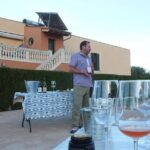
Wine, ham and cheese: tasting the market logic
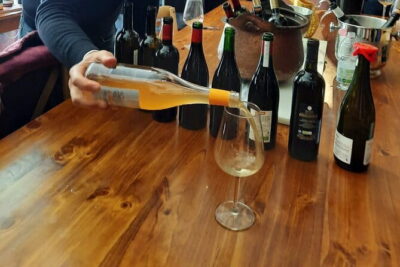
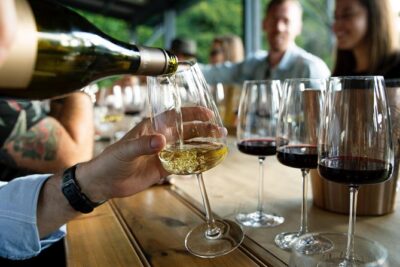
The experience is explicitly built around a tasting: wine, ham, and cheese. That pairing makes sense for Palma because it mirrors what the market culture supports—people buy ingredients, then turn them into simple, social meals.
Here’s the practical part: tastings like this are usually the quickest way to understand local food culture without needing a full cooking class. You’ll see the ingredients in the market environment, then get to experience them as a finished flavor set.
Because the tour ends where you eat and drink (Carrer de Bonaire), this tasting also acts like a hinge. You finish with food energy and nearby options, rather than ending in the middle of nowhere. It’s a clever flow for a short 2.5-hour outing: you get guided context, then you get to keep the day going with local choices.
If you don’t eat pork or you avoid alcohol, you should think carefully before booking. The tour is designed around ham and wine, so you’ll want to check whether substitutions are possible when you confirm.
Private-tour feel, but still easygoing
This is listed as a private tour/activity, meaning only your group participates. That changes the vibe. Instead of absorbing a loud, one-size-fits-all script, you can ask questions and move at a pace that works for your group.
Duration is about 2 hours 30 minutes. That’s long enough to get multiple plazas and a market stop, but short enough that you won’t feel like your whole day disappears. It also makes it a great choice if you’re balancing beach time, a museum visit, or dinner plans.
You start at 12:00 pm, which is ideal for travelers who like midday sightseeing paired with food. The one caution is heat. Midday in Palma can be intense, so plan for shade breaks and quick water refills.
Another small win: the tour runs with a mobile ticket, and the route is near public transportation. If your plans change, you usually have a practical way to connect with the rest of your day.
Price and value: why $57.19 makes sense here
At $57.19 per person for around 2.5 hours, you’re paying for more than a walk. You’re paying for:
- A guided route that strings together Plaça d’Espanya, Mercat de S’Olivar, Placa de Cort, and Placa Major
- Food-culture explanations that connect the market to what you see in the streets
- A built-in tasting centered on wine, ham, and cheese
- A private-group format that keeps it more personal
If you compare that to doing the same route without guidance, the difference is time and meaning. You could certainly walk those squares on your own, but you might miss the “why” behind the olive tree landmark, civic symbolism, and how Palma’s maritime and civic story links to everyday food habits.
So the value is mostly in the interpretation. For food-first travelers, the tasting adds a lot of weight to the price. For history-minded travelers, the pacing keeps it readable without becoming a lecture.
Who this tour is perfect for (and who should skip it)
This tour fits best if you want a starter-to-intermediate Palma experience: you like food, you like plazas, and you want a guided route that helps you connect the city’s layers in a short time.
You’ll probably enjoy it if:
- You want a market-centered food explanation without spending half a day inside stalls
- You like short stops paired with stories, not long timed museum sessions
- You’re planning dinner soon after and want tastings to set the tone
- You prefer a relaxed pace through old town highlights
It might not fit you as well if:
- You want a deep, inside-the-cathedral experience
- You don’t eat pork or drink wine and need guaranteed alternatives (nothing in the provided info confirms substitutions)
- You’re looking for a long, exhaustive architecture walk
Should you book this Palma Old Town & Market tour?
I think this is a smart booking for most first-timers—or for anyone who wants a quick Palma reset with food at the center. The route is tight and purposeful, and the market stop gives you everyday context, not tourist trivia. Add the wine, ham, and cheese, and you get a clear payoff that matches the theme.
If your ideal day is mostly about going inside major sights for hours, you might feel slightly shortchanged because the cathedral focus is on exterior viewing and story context. But if you want a well-paced introduction to Palma’s city life plus a tasting that makes local food culture tangible, this hits the mark.
If you’re booking, I’d do it with one mindset: use it to set the story for the rest of your time in Palma. Then go explore on your own with sharper eyes.
FAQ
What is the duration of the tour?
It runs for about 2 hours 30 minutes.
Where does the tour start?
It starts at Plaça d’Espanya (Pl. d’Espanya, 07002 Palma, Illes Balears, Spain).
Where does the tour end?
It ends at Carrer de Bonaire, Centre, Palma, near where the eating and drinking happens.
What time does the tour start?
The start time is 12:00 pm.
How much does it cost?
It costs $57.19 per person.
Is the tour private?
Yes. Only your group will participate.
Is this tour offered in English?
Yes, it’s offered in English.
What are the main stops?
The route includes Plaça d’Espanya, Mercat de S’Olivar, Placa de Cort, Placa Major, and a walk through the historic heart of Palma with views of the Gothic cathedral exterior.
Is admission included for the market?
The market stop (Mercat de S’Olivar) does not include admission.
Do I need a paper ticket?
No. It uses a mobile ticket.
What are the cancellation rules?
It is non-refundable and cannot be changed for any reason. If you cancel or request an amendment, the amount paid will not be refunded.