REVIEW · PARIS
Paris: The Ultimate Wine and Cheese Tasting in English
Book on GetYourGuide →Operated by Les Caves du Louvre · Bookable on GetYourGuide
Ten pairings, one sharp French lesson. In just 2 hours, Paris at Les Caves du Louvre turns into an easy, English-friendly crash course on French terroir—with 5 whites and 5 reds matched to 10 cheeses. I love how the tasting room atmosphere sets the mood, and how the session mixes practical pairing advice with regional context like Bordeaux, Burgundy, and Rhône Valley.
The possible drawback is simple: it’s $128 per person for a fixed 2-hour format, and there’s no hotel pickup, so you’ll need to get yourself there on time.
In This Review
- Key takeaways before you go
- Entering Les Caves du Louvre: the setting for a real tasting
- Price and value: is $128 for 20 tastings fair?
- The 2-hour flow: 5 whites, 5 reds, and the pairing logic
- Why the white-to-red setup is smart
- What you learn as you go
- Cheese lineup across France: Brie, blue, and Loire goat
- French terroir and major regions: Bordeaux, Burgundy, Rhône in your glass
- AOP in plain English: what the rules mean for your bottle
- The English sommelier touch: you can ask real questions
- What if you do not love cheese or wine yet?
- Logistics that actually affect your experience
- Who should book this tasting?
- Should you book Paris: The Ultimate Wine and Cheese Tasting in English?
- FAQ
- How long is the Paris wine and cheese tasting?
- What is included in the tasting?
- Is the tasting in English?
- What wine and cheese selections are included?
- Does the price include non-alcoholic beverages?
- Do I need hotel pickup and drop-off?
- Is this tour suitable for children?
- Can I cancel for a refund?
- Is there a reserve and pay later option?
- Are there different starting times?
Key takeaways before you go
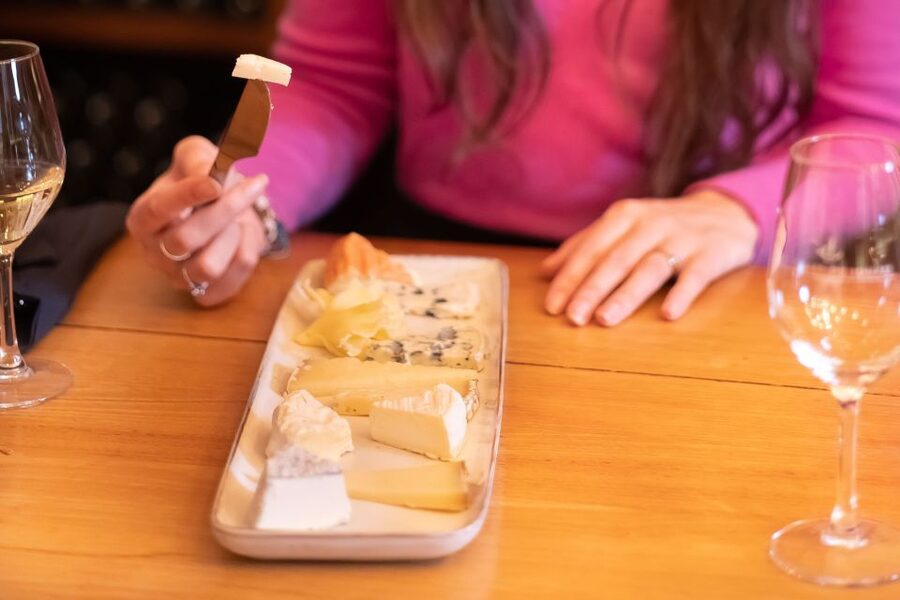
- 10 wine and 10 cheese pairings: you learn faster by tasting the combinations, not just reading labels
- English-speaking sommelier: you can ask questions and get answers during the class
- French terroir through regions: you’ll connect what’s in the glass to where it’s made
- AOP explained in plain terms: you’ll understand the French rules behind “where this comes from”
- Cheese range across France: from Brie to blue cheese to fresh goat cheese from the Loire Valley
- Seasonal selection changes: you might return and still get a different lineup
Entering Les Caves du Louvre: the setting for a real tasting
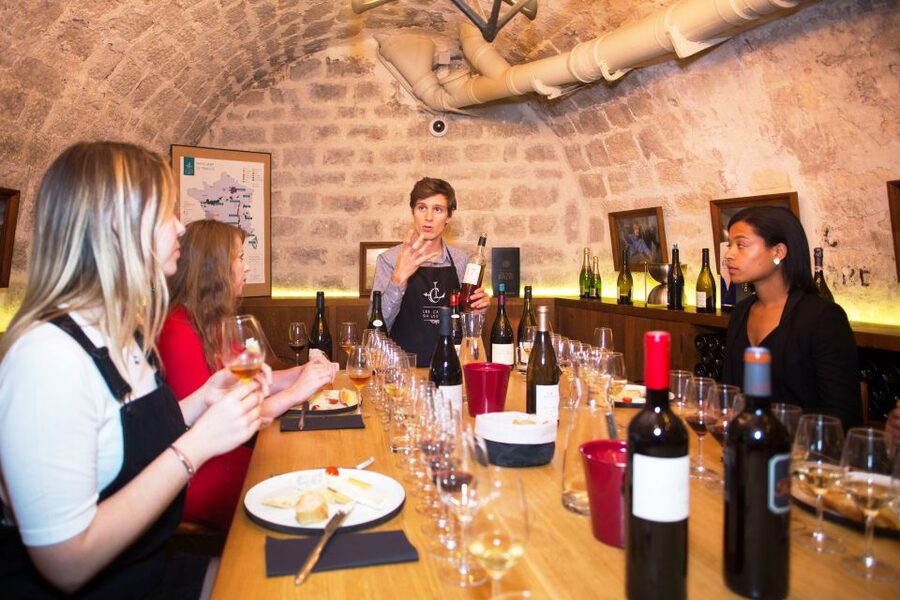
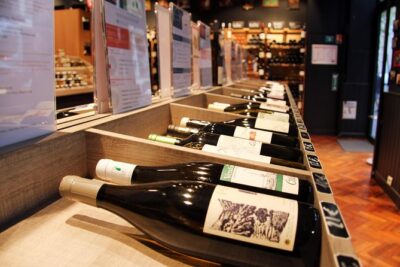
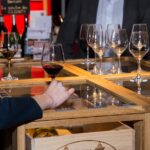
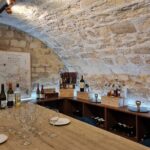
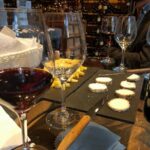
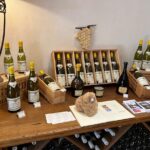
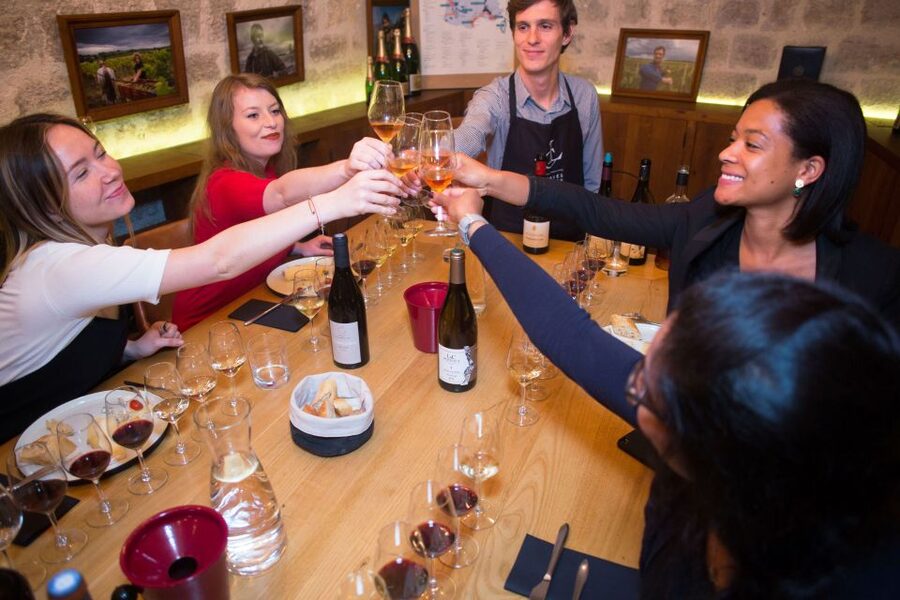
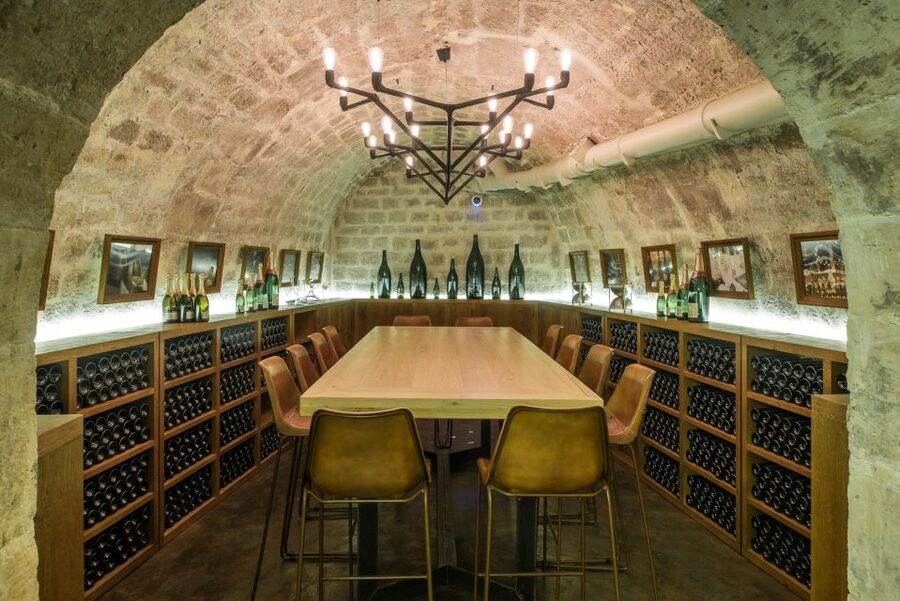
There’s something about walking into a cellar that makes wine taste more serious. Here, you’re not just sampling products in a generic room. You enter the cellar at Les Caves du Louvre, and that helps you shift from tourist mode to tasting mode.
The experience leans into atmosphere, but the real point is what happens next: you taste in sequence, you get guidance in English, and you learn why the pairing works. That matters because wine and cheese don’t behave like soda and snacks. The flavors argue, then they negotiate. In a cellar setting, the whole thing feels like a lesson you’ll actually remember.
You can also read our reviews of more tours and experiences in Paris.

Price and value: is $128 for 20 tastings fair?
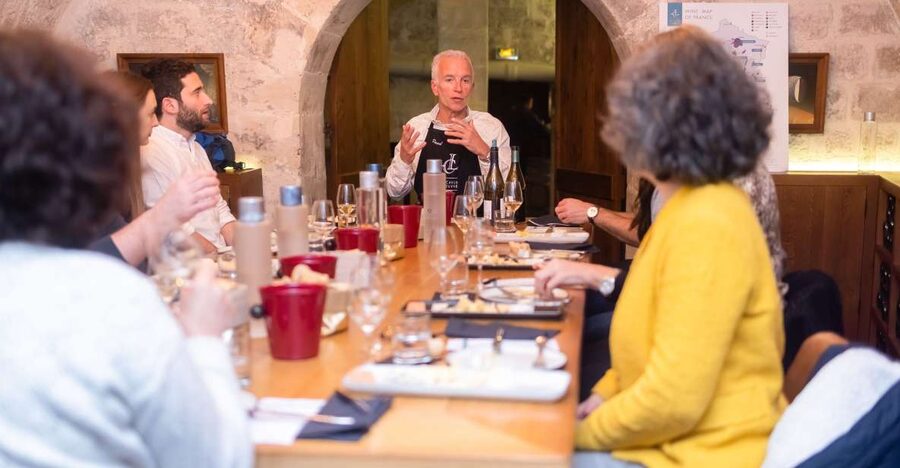
$128 per person sounds like a splurge until you look at what’s included. You get entry to the cellar, a 2-hour class, and tastings of 10 wines and 10 cheeses, guided by an English wine expert. For a two-hour structured tasting, that’s solid value compared with pay-per-glass tours where you might only taste a handful.
Two details to plan for:
- Non-alcoholic beverage isn’t included, so if you want juice, water, or something else beyond what’s offered, you may need to budget for it.
- Hotel pickup and drop-off aren’t included, so you’ll want to build in buffer time getting there in your own transport.
If you like learning while you taste—and you want a guided, English experience—you’re paying for both the instruction and the tasting portions. If you already know French wine well and just want free roaming, you might find cheaper options. But if you’re aiming to understand how French wine styles connect to place, this format is built for that.
The 2-hour flow: 5 whites, 5 reds, and the pairing logic
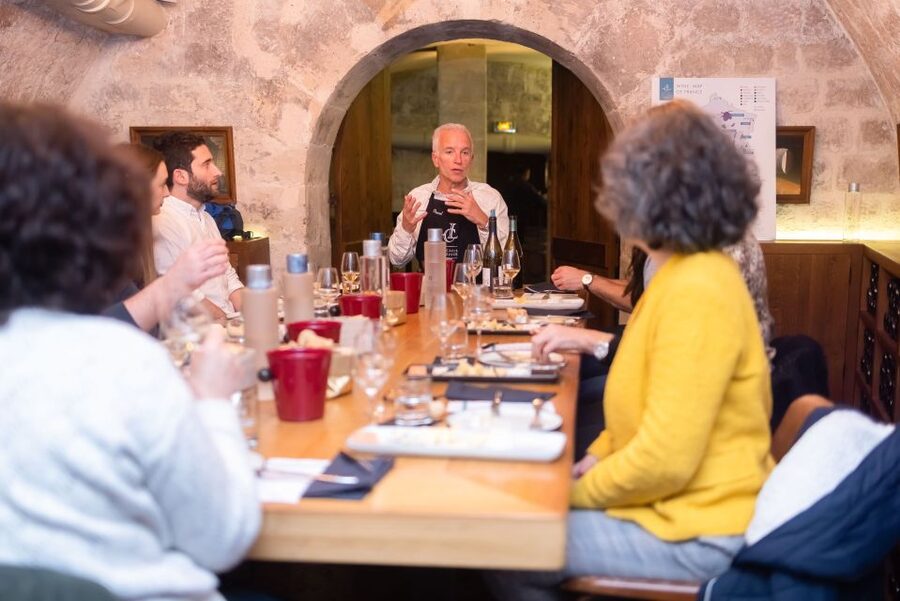
You’ll taste 10 wines paired with 10 cheeses. The wine selection includes 5 white wines and 5 red wines, and the goal is to show how styles shift from region to region.
In practice, the experience is designed so you can taste with a question in mind: what am I tasting, and why does this cheese work with it? You’re taught tasting techniques and how to choose wine you’ll actually enjoy. That’s the practical part. It turns the session into something you can use later in a shop or at a dinner table.
Why the white-to-red setup is smart
Starting with whites and moving to reds helps your palate stay clearer. Whites tend to be more about acidity, texture, and aromatics. Reds swing harder into tannins, body, and fruit structure. If you jump between styles without a plan, you miss the connections. Here, the structure gives you room to notice those changes.
What you learn as you go
You’re not just naming grapes. You’re learning:
- how to spot wine style differences tied to regions
- how to taste in a way that makes the next sip easier to understand
- how to pair based on matchups like fat vs acidity, salt vs fruit, and intensity vs intensity
It’s the kind of guidance that saves you from guesswork later.




Cheese lineup across France: Brie, blue, and Loire goat
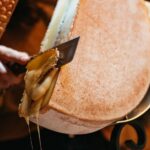
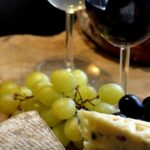
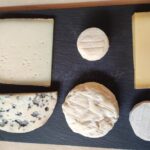
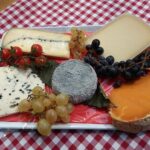
Cheese can be the hardest part for newcomers. Some people love cheese; some people tolerate it. The clever move here is variety. You’ll sample handcrafted cheeses from across France, including:
- Brie
- blue cheese
- fresh goat cheese from the Loire Valley
Even if you’re not a die-hard cheese person, that range lets you find something you actually like. Brie gives you a creamy, mild baseline. Blue tends to be bold and salty, so you learn how stronger flavors behave. Fresh goat cheese adds tang and texture that can make the right wine feel even brighter.
The tastings are paired, so you’ll quickly see that cheese doesn’t just taste good on its own. It changes the way wine tastes. That’s where the real learning happens.
French terroir and major regions: Bordeaux, Burgundy, Rhône in your glass
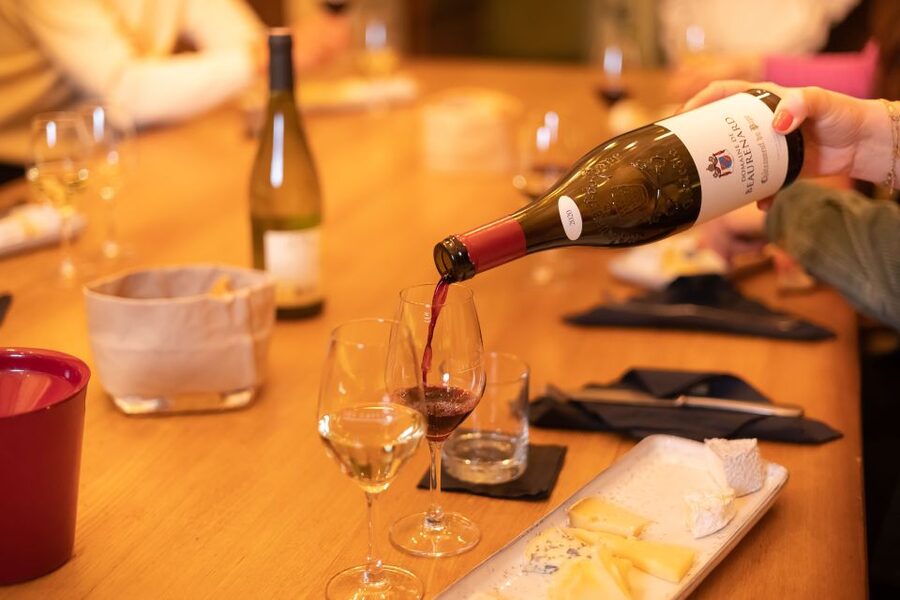
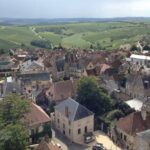
The expert connects wines to terroir, and in plain terms that means the land behind the bottle: growing conditions, soil types, and the region’s winemaking traditions. You’ll go through some of France’s most prestigious wine regions, including Bordeaux, Burgundy, and the Rhône Valley.
This is valuable because French wine can feel like a wall of names at first. Terroir explanations help you build a map in your head. Instead of memorizing a list, you learn the patterns:
- how one region tends to emphasize a certain style
- how grape variety choices typically shape flavor
- why two wines can both be “red” but taste totally different
One past highlight was the way the sommelier explained region and pairing logic together. People left talking about soil types and growing conditions, not just about what was tasty. That’s the sign of a class that teaches you how to think.
AOP in plain English: what the rules mean for your bottle
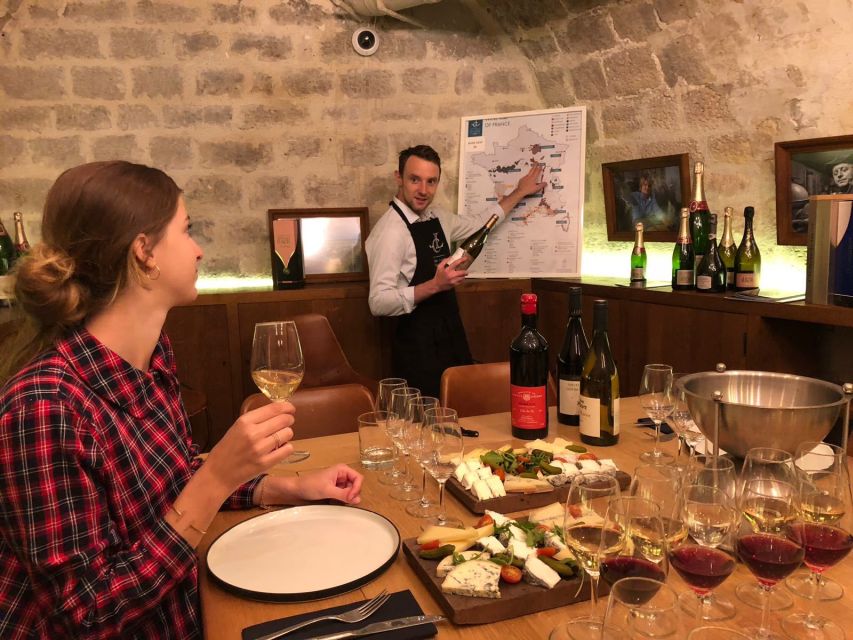
You’ll also learn about AOP, the French regulation system. The point isn’t bureaucracy. The point is that AOP helps explain why wines labeled by place tend to follow specific production rules tied to region and origin.
When you understand what AOP stands for, you can read a label with more confidence. You’ll get better at asking questions like:
- Is this wine defined by origin?
- Does the label hint at a style that comes from a specific region’s rules?
- What should you expect from the place it’s claiming?
This matters because French wine labels are part flavor clue, part legal promise. Knowing the system helps you decode that promise.
The English sommelier touch: you can ask real questions
The instruction is in English, led by a wine expert. The names from past sessions include Justan, Alexis, and Clemant. Whoever you get, the vibe is the same: the expert is there to explain and respond, not just pour wine and disappear.
That’s important in a tasting class. If you don’t speak the language on your own, you don’t want the experience to turn into silent sniffing. Here, the English format means you can ask about:
- why a pairing works
- how to pick a style you’ll like
- what to look for on French labels
Past guests specifically highlighted that the instructor answered questions and guided the group with passion. That kind of real-time explanation is what turns a tasting from entertainment into learning.
What if you do not love cheese or wine yet?
Here’s the good news. This setup works even if you’re cautious.
You’re tasting multiple styles—white and red—and multiple cheese types. That combination makes it more likely you’ll find at least one pairing that clicks for you. One guest even pointed out that the lineup still surprises people who don’t usually go for cheese.
Also, the class format focuses on choices and technique. So you’re not stuck hoping something is delicious. You learn how to decide what you like, then you can repeat it elsewhere.
Just keep one expectation in check: this is a structured tasting class, not an open bar. You’ll enjoy it most if you’re ready to learn as you drink.
Logistics that actually affect your experience
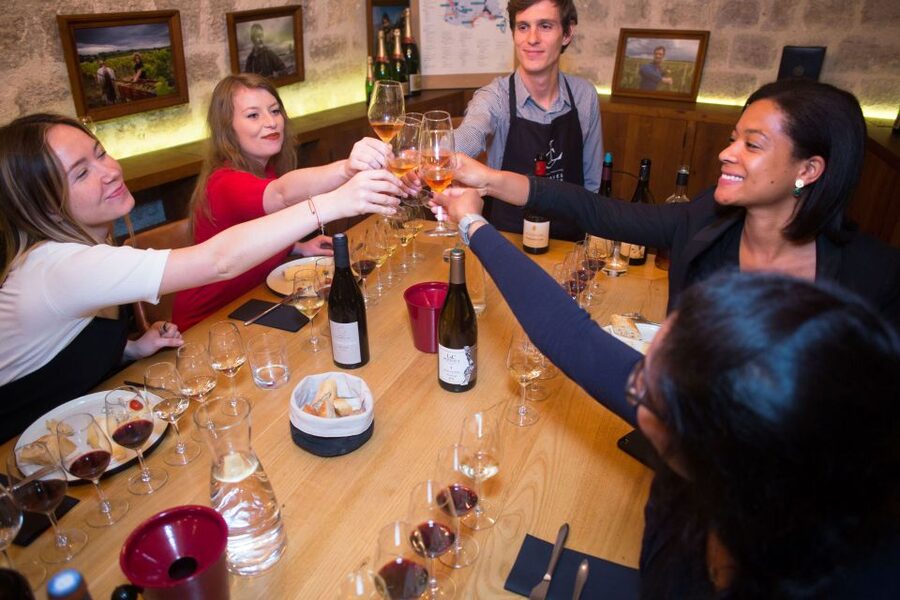
This tour is 2 hours long and runs with starting times based on availability. Since no hotel pickup is included, arriving on time is on you. Plan to get there a few minutes early so you can settle in before the tasting starts.
Also note the basics:
- Languages: English
- Non-alcoholic beverage: not included
- Age: not suitable for children under 18
If you’re the kind of traveler who likes a plan but hates rigid schedules, this hits a sweet spot. Two hours is short enough to fit a busy Paris day, long enough to cover real wine-and-cheese learning.
Who should book this tasting?
Book this if:
- you want a Paris wine and cheese tasting in English
- you’d like a guided explanation of French terroir and how it links to taste
- you want practical pairing skills you can use later
- you enjoy structured tastings more than wandering
Consider alternatives if:
- you hate the idea of tasting alcohol in a classroom format
- you want a food tour that’s mostly about eating with no pairing focus
- you need hotel pickup, since it’s not part of this experience
Should you book Paris: The Ultimate Wine and Cheese Tasting in English?
I’d book it if your goal is understanding, not just sampling. The biggest strength is that you get 10 wine-and-cheese pairings paired with real explanation—about regional styles, pairing techniques, and AOP—all in a format that works in English.
At $128 for 2 hours, it’s not the cheapest thing you can do in Paris. But it’s priced like an actual class plus tasting, not like a casual stop. If you’re ready to learn while you taste—and you want a guided route through French styles—you’ll likely leave with new favorites and a better sense of what to order next time you see a bottle.
FAQ
How long is the Paris wine and cheese tasting?
It lasts 2 hours.
What is included in the tasting?
You get entry to the cellar, a 2-hour tasting class, an English wine expert, and tastings of 10 wines and 10 cheeses.
Is the tasting in English?
Yes, the instructor and experience are in English.
What wine and cheese selections are included?
The tasting includes 5 white wines and 5 red wines and 10 cheeses, including Brie, blue cheese, and fresh goat cheese from the Loire Valley. The selection is described as representing French terroir and major wine regions.
Does the price include non-alcoholic beverages?
No. Non-alcoholic beverage is not included.
Do I need hotel pickup and drop-off?
No, hotel pickup and drop-off are not included, so you’ll arrange your own transport to the meeting point.
Is this tour suitable for children?
No. It is not suitable for children under 18.
Can I cancel for a refund?
Yes. You can cancel up to 24 hours in advance for a full refund.
Is there a reserve and pay later option?
Yes. You can reserve now & pay later, with the option to book your spot and pay nothing today.
Are there different starting times?
Yes. Starting times depend on availability, since the duration is fixed at 2 hours.