REVIEW · PARIS
Paris: Wine and Cheese Tasting
Book on GetYourGuide →Operated by Meeting the French · Bookable on GetYourGuide
Three pours, two cheeses, and terroir talk. In a boutique cave à vin setting, you’ll get guided tastings with hosts who actually make the topic click, from Camille to Julian to Constance and Leia, plus maps and even real soil samples. It’s a 90-minute Paris wine and cheese experience built for small groups, so you’re not shouting over strangers to ask a question.
I like two things most right away. First, the small-group format (up to 8 people) keeps the mood relaxed and the advice personal. Second, you get a clear explanation of French wine through terroir—not just marketing words—using maps and soil samples that show why two wines can taste totally different even if they seem similar.
One thing to plan around: this tasting is not in a restaurant, so the boutique’s toilets may be limited or not easy to access.
In This Review
- Key takeaways before you go
- Stepping Into a Paris Cave à Vin for a 90-Minute Sip-and-Learn
- How the Terroir Lesson Changes Everything You Taste
- The Three-Wine Plan: Small Producers, Big Differences
- Cheese Pairings That Make Flavor Differences Instant
- What You’ll Actually Learn About French Wine (Without the Stuffiness)
- Pairing Tips You Can Use Right Away
- Price and Value: Is $76 a Good Deal in Paris?
- Who Should Book This Paris Wine and Cheese Tasting
- Quick Practical Notes for a Smooth Visit
- Should You Book This Paris Wine and Cheese Tasting?
- FAQ
- How long is the Paris wine and cheese tasting?
- What do I taste during the session?
- Is this a small group tour?
- What languages are available for the guide?
- Is there anything for people who don’t want to swallow wine?
- Are toilets available at the location?
- Can I cancel and get a full refund?
Key takeaways before you go
- Small group, up to 8 people means more time for questions and fewer awkward pauses.
- Three wines from small independent producers across France, tailored to your interests.
- Terroir made visual with maps and authentic soil samples, so the lesson sticks.
- Hard + soft cheese pairings help you taste how wine changes when the texture changes.
- Water and bread are provided to reset your palate between pours.
- A spittoon is available if you’d rather taste without getting too full.
Stepping Into a Paris Cave à Vin for a 90-Minute Sip-and-Learn
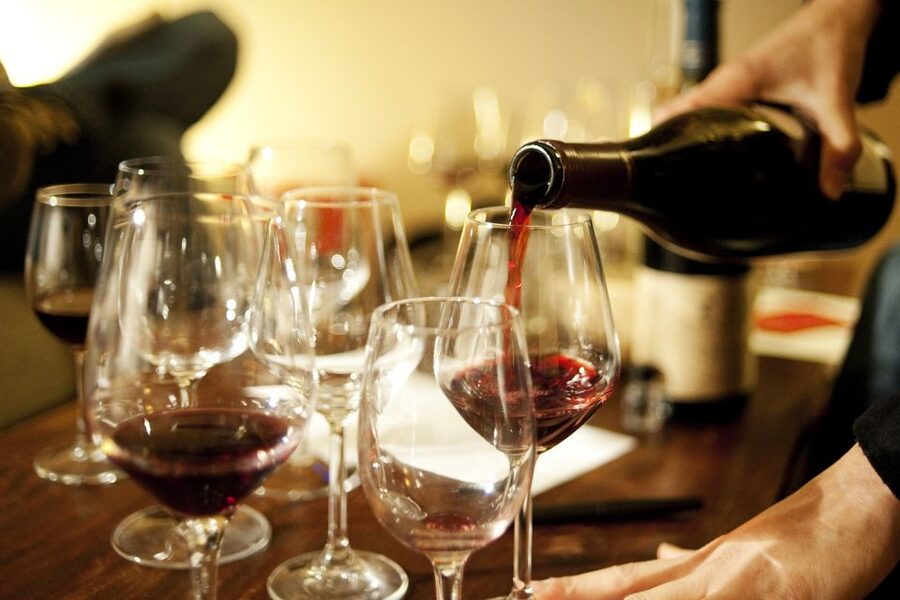
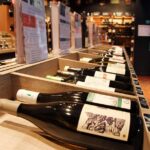
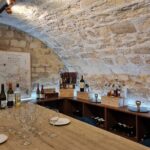
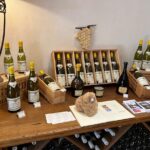
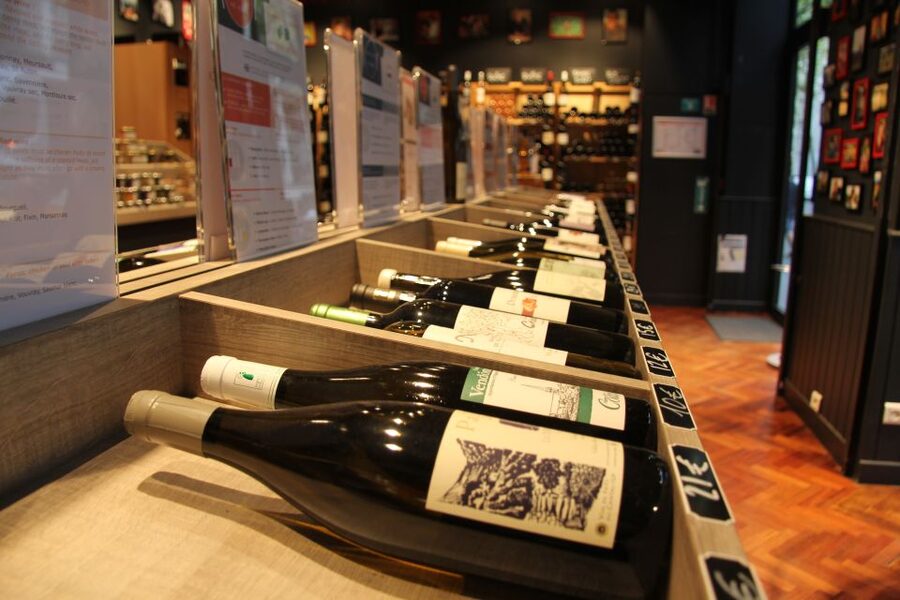
This experience starts the moment you arrive. You walk into a wine boutique that feels more like a real wine cellar than a generic tasting room, with reds, whites, and rosés lining the walls. That matters because it sets the tone: you’re learning wine in context, not in a classroom.
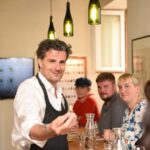
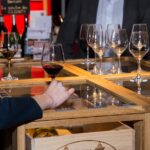
From there, you meet your wine expert and get set up in a prepared tasting area. This isn’t rushed. The time is long enough (90 minutes) to actually taste, talk, and understand what you’re tasting.
The group size is a big part of the vibe. With a limit of 8 participants, you’re more likely to ask about dryness, acidity, tannins, or why a certain grape seems to behave one way in one region and differently somewhere else. It’s easier to remember what you learn when you can connect it to your own questions.
You can also read our reviews of more tours and experiences in Paris.
How the Terroir Lesson Changes Everything You Taste
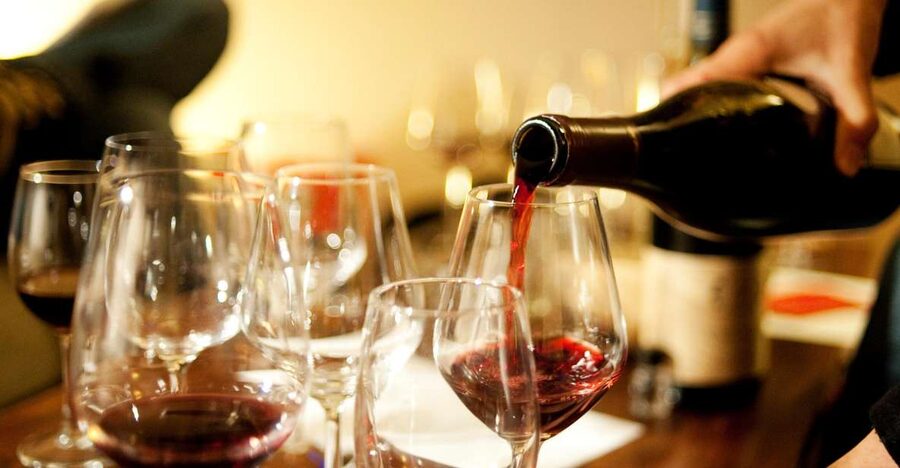
France can feel confusing at first. There are grapes, regions, styles, and rules that sound like they were invented to make your head spin. The good news here: you don’t just hear theory—you see it.
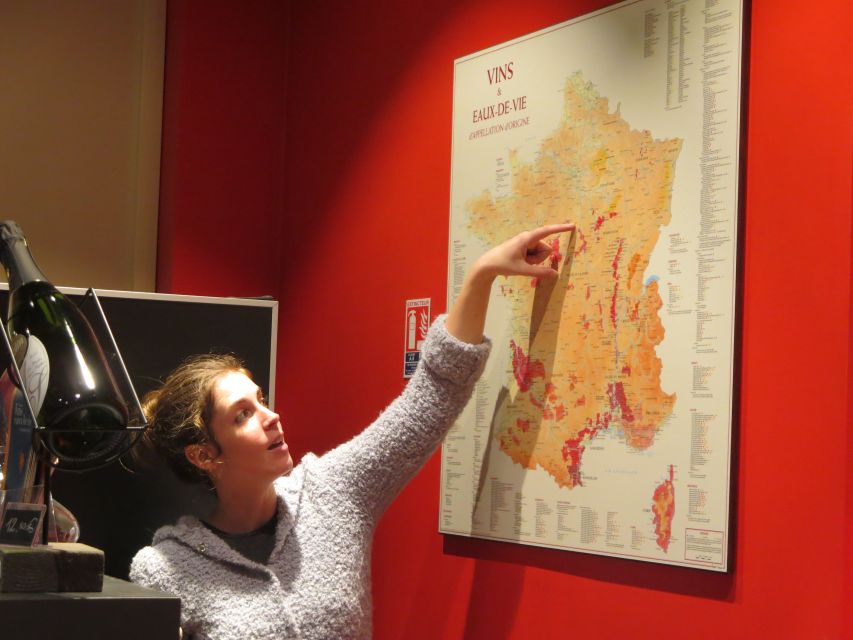
Your guide walks you through the wine regions of France with maps and authentic soil samples. That’s the practical hook. Soil tells you how vines struggle or thrive—how roots search for water, what the ground filters, and how that can shape flavors in the finished wine.
Terroir is the big idea, and it gets translated into something usable. Instead of only repeating that place matters, you learn why the place matters. Different terrain and soil types affect grape character, which then affects taste and texture in the glass.
What I like about this approach is how it turns wine into something you can predict, at least a bit. After the session, you’re not just naming types. You’re thinking in causes and effects, which makes future tastings way easier.
The Three-Wine Plan: Small Producers, Big Differences
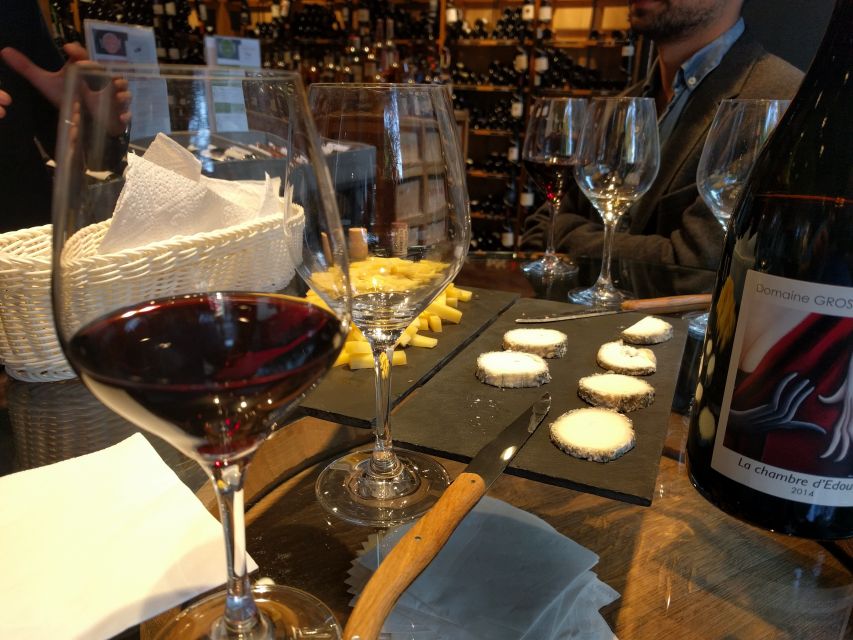
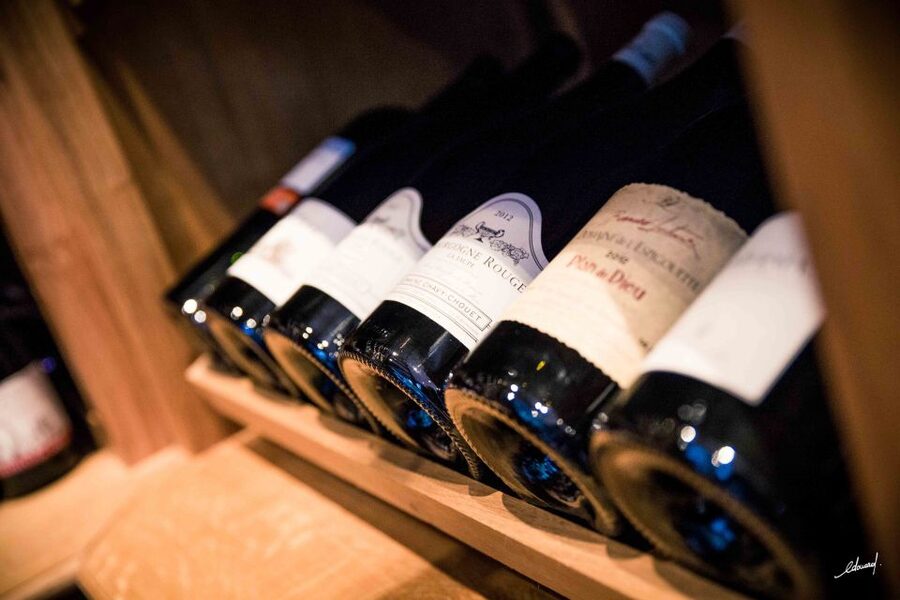
You’ll sample three different wines, and the key is where they come from. The boutique sells only wines from small independent producers, so you’re not stuck tasting the same mass-market styles you can find everywhere.
Your guide tailors the tasting to the group’s wishes. That means if you’re curious about lighter whites, you’re likely to get a lineup that supports that. If you prefer reds, they’ll steer you accordingly. It also keeps the session feeling personal instead of like a fixed script.
What you’ll get out of the three wines is contrast. You’re learning how to notice differences in:
- aroma (what comes through first),
- taste (how the flavor lands),
- and finish (how it fades).
This is where those cheese pairings start to do their real work, because wine doesn’t taste the same when paired with different textures. More on that next, but the setup is smart: the guide teaches you tasting basics, then uses pairing to make those basics obvious.
If you’re new to wine, this is a friendly way to start. You don’t need to pretend you already know your way around a glass.
Cheese Pairings That Make Flavor Differences Instant
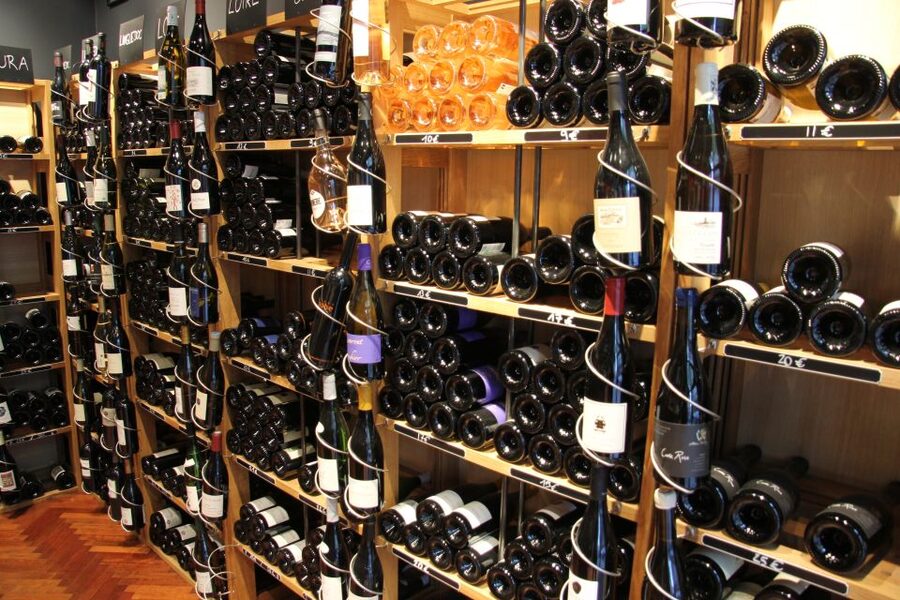
Wine tasting alone is good. Wine tasting with cheese is better, because cheese is not one single taste. It’s salt, fat, and texture—plus sometimes nutty, mushroomy, tangy, or buttery notes depending on the style.
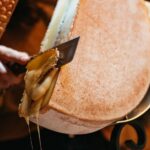
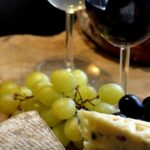
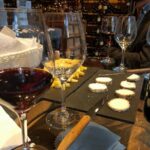
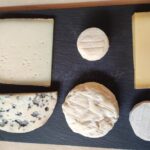
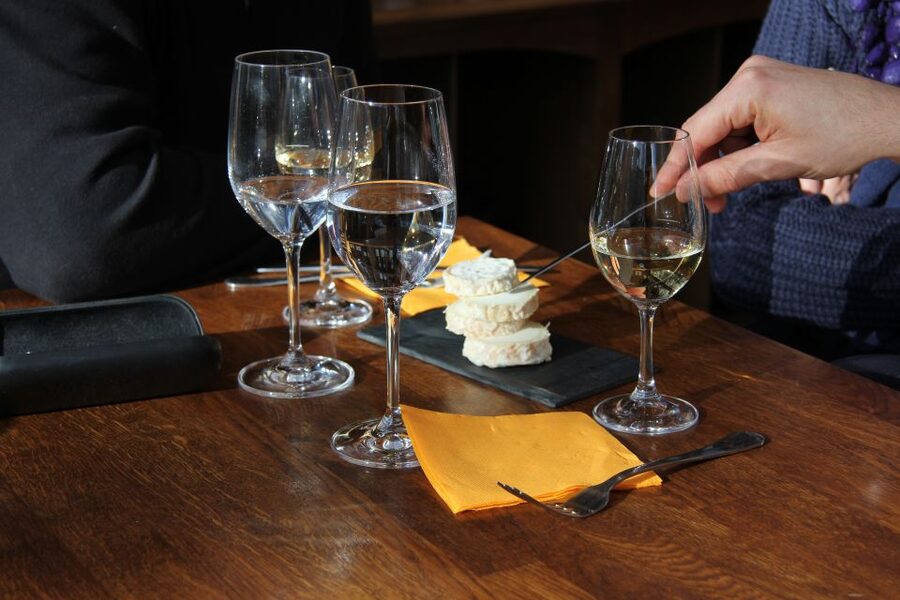
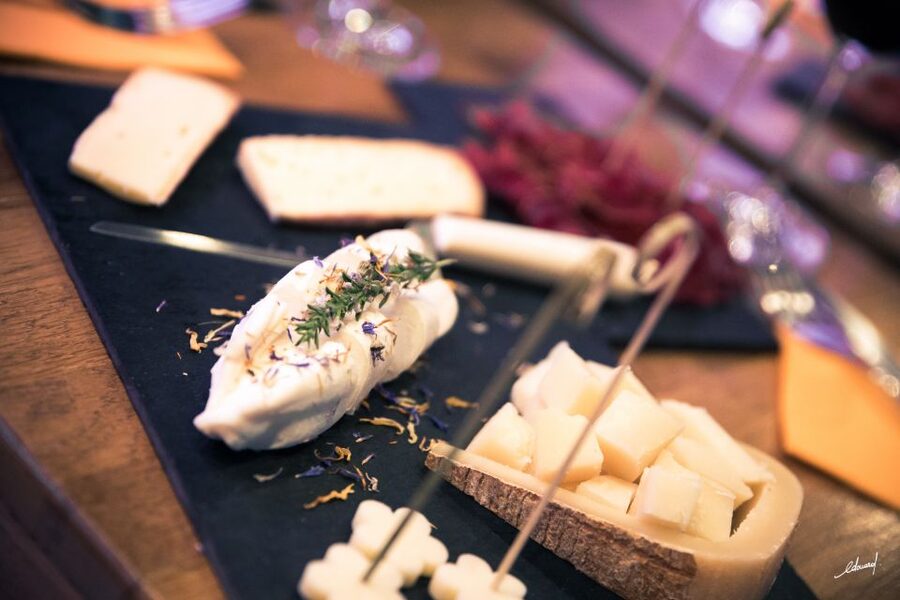
You’ll pair the wines with two French cheeses: one hard cheese and one soft cheese (with water and bread available as palate-cleansers). This is a smart structure because texture changes what you taste next.
Hard cheese tends to sharpen and clarify flavors. It can make acidity in wine feel crisper, and it can bring out fruit or spice notes that you might miss with a softer bite. Soft cheese often feels richer and can round off sharp edges in the wine, making certain flavors linger.
That’s the point of the pairings: you start to understand that wine tasting isn’t just about the wine. It’s about the combo. Once you notice this, you can recreate the effect at home without needing a winemaker degree.
From the feedback, the pairings are usually a highlight—people repeatedly call the cheese delicious and the combinations memorable. And a big practical detail: bread and water are offered to reset your palate. That keeps you from getting “taste fatigue” after the third pour.
What You’ll Actually Learn About French Wine (Without the Stuffiness)
This tour doesn’t treat you like an expert. It treats you like a curious person with good taste.
Your guide explains how French wine is produced and why it’s so diverse. You’ll hear about the significance of terroir, plus how different grapes respond to terrain, climate, and soil. You’ll also use maps to connect the dots between regions and flavors.
Some guides go a bit further into the history and process, including how wine is made and how to taste it. In real terms, that helps you answer simple questions like:
- Why does one white taste crisp while another feels round?
- Why do some reds feel dry or structured?
- Why does the same wine feel different with a hard vs. soft cheese?
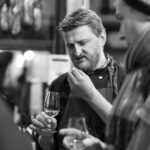
And yes, the hosts are often the reason people enjoy the session so much. Several names come up in the most positive experiences—Camille, Julian, Constance, and Leia—each described as warm, helpful, and clear when it comes to explaining what’s in your glass.


Pairing Tips You Can Use Right Away
Even if you only come for fun, you’ll leave with a couple of tools you can actually apply.
Here are a few practical takeaways that match how these sessions are set up:
- Taste small sips and pause. Let the aroma hit first, then the flavor, then the finish.
- When a wine feels sharp, try a bite of hard cheese, then compare to the same wine with the soft cheese.
- Use bread and water as a reset, not just as an afterthought. If flavors start blending together, that’s your cue.
If you’re the kind of person who worries about doing it wrong, don’t. The structure of the tasting is built to help you learn safely—question-friendly, low-pressure, and designed for real discussion.
Price and Value: Is $76 a Good Deal in Paris?
At $76 per person for 90 minutes, you’re paying for more than a couple of pours. You’re paying for:
- three wine tastings from small independent producers,
- paired French cheeses (hard + soft),
- palate-cleansing bread and water,
- and a live English/French guide who explains wine production and terroir with maps and soil samples.
In Paris, wine costs add up quickly if you’re buying separate glasses and snacks at a typical bar or café—especially if you want guidance and pairings instead of guessing. This experience packages the tastings into one structured session and uses pairing to accelerate learning.
Is it the cheapest thing you can do in Paris? No. But it’s the kind of spend that pays off later, because you’ll understand what you like and why, and you can order more confidently next time.
Also, because the group is small, the value feels more personal. With up to 8 people, you’re not stuck waiting your turn to ask what you really want to know.
Who Should Book This Paris Wine and Cheese Tasting
This is a great fit if you want:
- an easy first wine-and-cheese experience,
- a guided explanation of French wine and terroir,
- and a relaxed setting where asking questions is normal.
It’s also a good choice if you’re with friends who have different preferences. The guide can tailor the lineup to the group’s interests, and the hard/soft cheese pairing gives everyone something to notice.
If you’re a serious wine hobbyist already, you’ll still likely appreciate the focus on small producers and the pairing logic. You might even find it useful as a framework you can compare against what you already know.
One practical note: this is not a sit-down restaurant meal. Plan to eat before or after depending on your hunger level.
Quick Practical Notes for a Smooth Visit
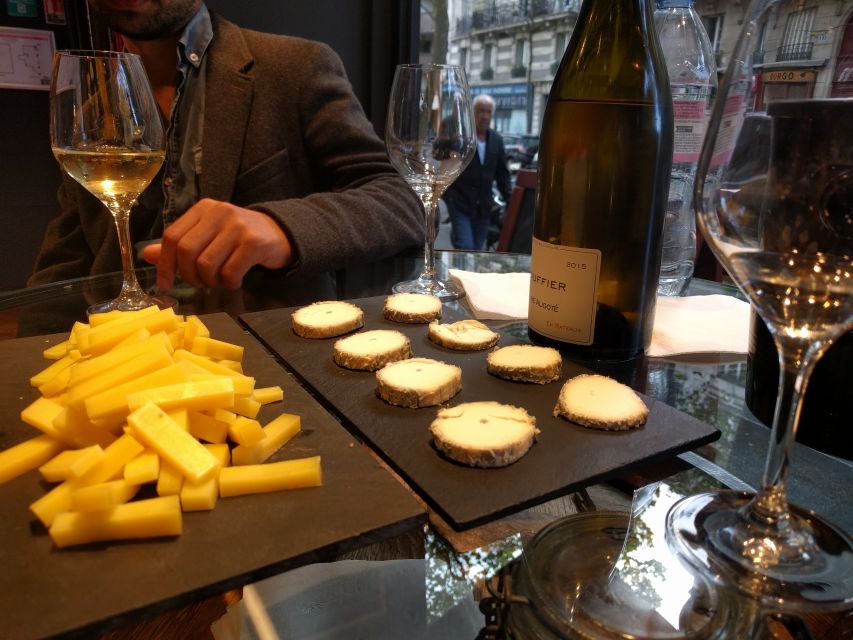
The session includes a spittoon for anyone who wants to taste without swallowing. That’s a thoughtful detail if you’re sensitive to alcohol or if you’re just trying to pace yourself.
Toilets can be tricky. Since the tasting happens in a boutique and not a restaurant, the boutique’s toilets may not be readily available or easy to access.
Meeting point can vary depending on the option you book. So double-check your confirmation details when you arrive in Paris, and give yourself a little extra time.
Should You Book This Paris Wine and Cheese Tasting?
If you want a fun, structured introduction to French wine—one that teaches you how to taste instead of just telling you what to like—I’d book it. The best part is the combo: three small-producer wines, hard and soft French cheeses, plus the terroir explanation using maps and soil samples.
I’d skip it only if you’re looking for a full restaurant-style meal or if you need guaranteed easy toilet access on-site. Otherwise, for first-timers and casual wine lovers especially, this is a smart use of 90 minutes in Paris—and $76 feels reasonable for what you get.
FAQ
How long is the Paris wine and cheese tasting?
It lasts 90 minutes.
What do I taste during the session?
You’ll taste three wines and two cheeses (a hard cheese and a soft cheese). Water and bread are also provided.
Is this a small group tour?
Yes. It’s limited to 8 participants.
What languages are available for the guide?
The live tour guide is available in English and French.
Is there anything for people who don’t want to swallow wine?
A spittoon is provided if you’d like to use it.
Are toilets available at the location?
Because the tasting is in a boutique and not a restaurant, the boutique’s toilets may not be readily available or easily accessible.
Can I cancel and get a full refund?
You can cancel up to 24 hours in advance for a full refund.