REVIEW · PARIS
Paris: French Wine and Cheese Guided Tasting
Book on GetYourGuide →Operated by L’Oeno’Vice · Bookable on GetYourGuide
Wine and cheese in Paris, explained simply.
I love the small group feel and the way it stays personal inside L’Oeno’Vice. I also love the hands-on look–smell–taste training, where you pair each pour with a specific cheese. One thing to consider: it’s an adult-focused night (not for children under 18, and not suitable for pregnant women), and you’ll be tasting enough that pacing matters over two hours.
You’ll start with a quick but practical tour of how French wine works: regions, climate, grape choice, and why those details change flavor. Then you’ll learn how to taste like a pro, using scent comparisons with perfume samples to sharpen your nose. By the end, you should feel more confident ordering wine in a Paris restaurant without guessing.
In This Review
- Key Takeaways Before You Go
- Arriving at L’Oeno’Vice: Where the Tasting Gets Real
- Simon’s France-by-Wine Start: Regions, Grapes, and Climate
- The Look–Smell–Taste Routine (With Perfume Samples)
- Your Wine Flights: 2 Whites, 2 Reds, Then Champagne
- How the Cheese Pairings Work (5 Different Cheeses)
- From Tasting Technique to Ordering Wine in Paris
- Price and Value: $82 for 2 Hours of Real Learning
- Who This Tasting Best Fits (And Who Might Skip It)
- Small-Group Reality: Pacing, Questions, and Comfort
- Practical Tips to Get More From Every Glass
- Should You Book This Paris Wine and Cheese Tasting?
- FAQ
- How long is the Paris wine and cheese guided tasting?
- What wines and cheeses are included?
- Where do I meet for the tour?
- Is the tour suitable for everyone?
- What languages is the live guide available in?
- Is the tasting wheelchair accessible?
- How many people are in the group?
Key Takeaways Before You Go

- Small-group setting (limited to 8) keeps the pace relaxed and questions easy.
- Look, smell, taste, then match each wine to a cheese on purpose, not by accident.
- Perfume samples help you practice aromas instead of guessing what you’re smelling.
- 5 cheeses with 5 wine pours (2 whites, 2 reds, 1 champagne) makes pairing feel logical.
- Simon’s approach mixes wine geography with simple tasting technique, plus lots of room for Q&A.
- You’ll leave with ordering confidence for French wine lists in Paris.
Arriving at L’Oeno’Vice: Where the Tasting Gets Real
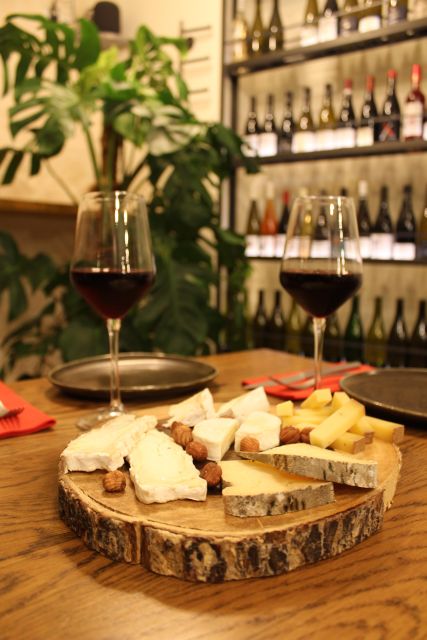
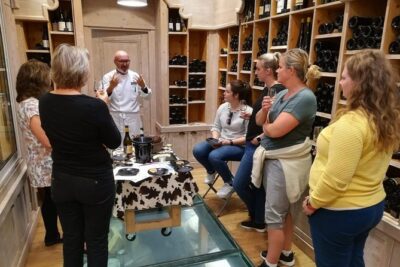
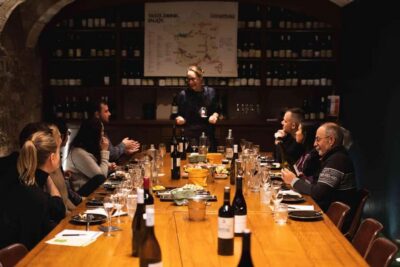
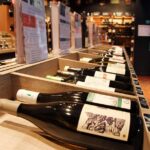
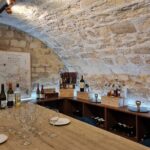
This tasting meets at L’Oeno’Vice, a straightforward wine bar spot in Paris where the whole experience centers on tasting, not touring. Because the group is limited to 8 people, you’re not shouting over a crowd. You also get the best of both worlds: a relaxed bar atmosphere with structured guidance.
In a city packed with wine bars, the trick is finding one where someone can explain what you’re drinking while you’re still drinking it. That’s the value here. You’re not just sampling; you’re learning a repeatable method you can use again later when you’re staring at a menu.
Expect the bar to feel warm and tight, which can be a plus in winter and a consideration in warmer months. If you’re sensitive to strong smells, mention it to the guide at the start, since there are scent comparisons during the tasting.
You can also read our reviews of more tours and experiences in Paris.
Simon’s France-by-Wine Start: Regions, Grapes, and Climate
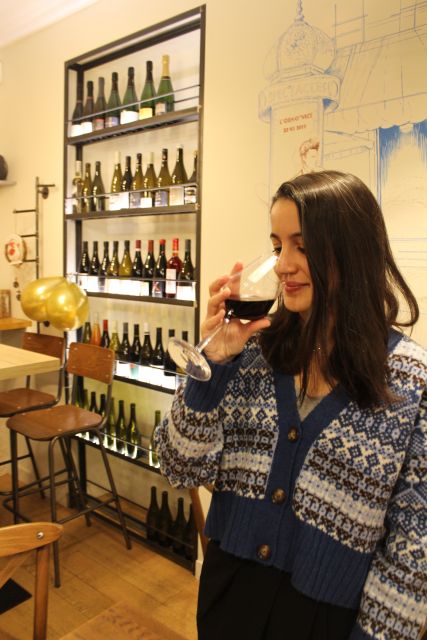
You begin with a straightforward introduction to French wine. The goal isn’t to memorize labels. It’s to understand the big levers that shape taste:
- where the grapes are grown
- how climate affects ripeness and acidity
- how grape variety influences flavor
- why region matters even when the wine style sounds similar
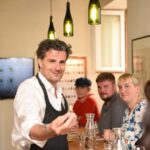
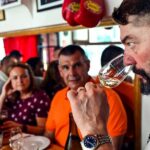
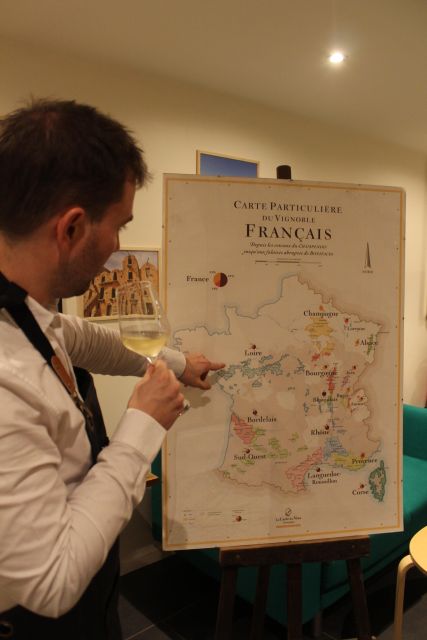
Simon covers this in a way that helps you connect the dots. One detail I really like in the way this tour is described: Simon doesn’t keep it abstract. He explains the geography and history of French wine, but he ties it back to what you’ll actually taste in the glasses.
It also helps that Simon uses visuals and practical explanations. That matters for beginners. If you’ve ever walked out of a tasting with a head full of names and no idea what to order, this style should feel more usable.
The Look–Smell–Taste Routine (With Perfume Samples)
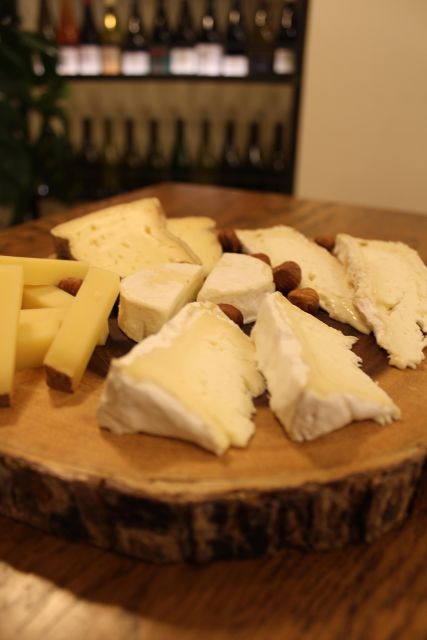
Most people rush to taste. You’ll do the opposite, in a good way.
The method goes in three steps:
1) Look at the wine color
2) Smell before you sip
3) Taste and connect aroma to flavor
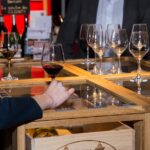
Color is more than decoration. In white wine, you’re checking for cues about style and age. In red wine, the shade can hint at how the wine was made and how it might taste.
Then comes the unique part: perfume samples. Instead of saying, Smell something floral or earthy, you compare wine aromas against prepared scents. This is smart training. It turns vague impressions into something you can practice and repeat.
If you’ve ever thought your palate isn’t trained, don’t worry. The tour is built to coach your nose step by step. You’ll compare each wine’s smell to a different perfume sample as you go, which makes it easier to notice differences between the glasses.
Your Wine Flights: 2 Whites, 2 Reds, Then Champagne
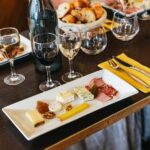
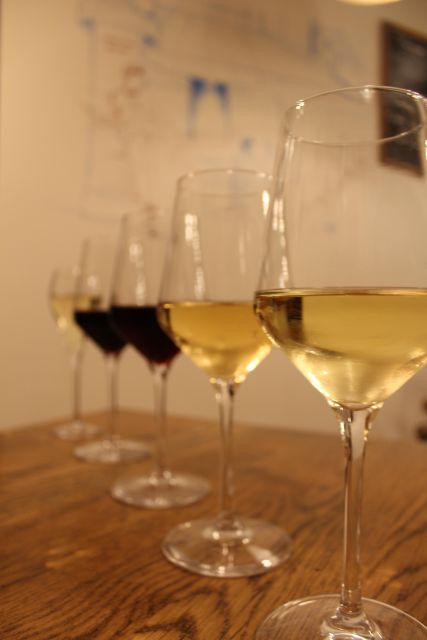
Over the two hours, you’ll taste a total of 5 wine glasses:
- 2 glasses of white wine
- 2 glasses of red wine
- 1 glass of champagne, served to finish
The pacing is compact. Two hours is long enough to learn the method and taste across styles, but short enough that you stay focused. If you’re new to tasting, this is a good structure because you’re always moving forward with a purpose: taste, then understand.
One practical point: taste in small sips. The tour is built around learning, not getting blitzed. You’ll likely want to slow down during the smell step, since that’s where the training happens.
How the Cheese Pairings Work (5 Different Cheeses)
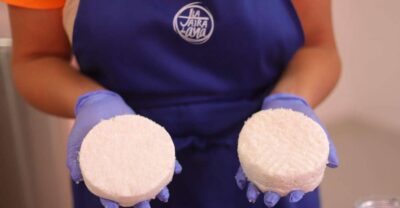
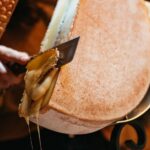
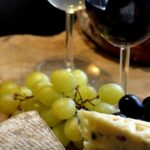
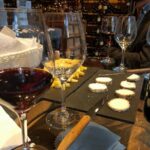
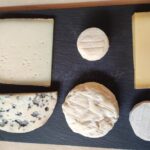
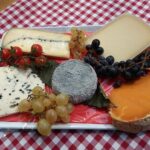
With each wine, you’ll get a different cheese, for a total of 5 kinds of cheese. This pairing strategy is key to the tour’s value.
Instead of treating cheese as a snack, you’re using it like a tool. Cheese changes how a wine tastes, and wine changes how a cheese tastes. When you switch from one pairing to the next, the differences feel immediate, which makes the lesson stick.
Here’s why this matters for you later:
- If a wine tastes flat alone, it might wake up with the right cheese.
- If a cheese overwhelms a wine, you learn what not to do.
- You start to recognize the logic of pairing, not just the result.
This is especially helpful in Paris, where wine lists can be long and the language can be tricky when you’re tired. The pairing lessons give you a mental map you can carry into your next meal.


From Tasting Technique to Ordering Wine in Paris
The best payoff is what happens after the last glass. You’ll come away better at choosing wine because you’ll understand how to read what you’re tasting.
Simon’s teaching centers on the stuff you can use fast:
- how to notice color cues
- how to identify aromas using structured comparisons
- how to connect grape and region to taste
- how to match wines with food instead of guessing
By the end, the hope is that when you sit down at a Paris restaurant, you’ll feel capable of ordering something that fits your meal. Instead of freezing when the waiter asks what you want, you can think in styles and pairing logic.
And if you’re tempted to buy bottles, this sort of tour often leaves people with favorites. Even if you don’t plan to purchase anything, you’ll probably remember a few wines that fit your taste. That makes future ordering easier.
Price and Value: $82 for 2 Hours of Real Learning
At $82 per person, this isn’t a bargain deal. But it also isn’t just a “sip and smile” night.
Here’s what you’re paying for, in practical terms:
- 5 wine tastings (2 whites, 2 reds, 1 champagne)
- 5 cheese tastings (a different cheese with each wine)
- a live wine-expert guide who teaches you how to taste and why flavors change
Two hours can feel like a lot or a little depending on what else you have planned. Here, the time is focused: you’re not moving around the city, and you’re not waiting for a bus while your curiosity cools off.
The small group helps the value too. With a limited number of participants, you’re more likely to get real explanations rather than generic ones.
When might it feel less worth it? If you only want casual drinking with no interest in technique, you could pay the same money at a bar and taste fewer planned pairings. But if you want a method you can use again, the structure makes the price easier to justify.
Who This Tasting Best Fits (And Who Might Skip It)
This experience works well if you fall into any of these groups:
- You’re a beginner who wants to understand what to smell and taste.
- You want to improve how you order wine in France.
- You enjoy food pairing and want a reason behind the match.
- You want a small, chat-friendly evening instead of a loud group event.
It’s also a good option if you’re not a hardcore wine person. The format starts with basics and gives you a repeatable routine.
It’s not suitable for pregnant women, and it’s not for children under 18. If that applies to you or your group, look for another tasting that fits your needs.
Small-Group Reality: Pacing, Questions, and Comfort
The limited-to-8 size is more than a marketing point. It shapes the whole experience.
You can ask questions and get direct answers. You can slow down during the smell and taste steps. You can react to what you taste without feeling rushed.
The bar itself also influences the vibe. People describe it as an intimate setup, like a small neighborhood wine bar where you can take your time. That matters because wine tasting isn’t a race. The goal is noticing differences, and that takes a steady pace.
If you’re someone who gets overwhelmed in group settings, this tour’s size should feel manageable. If you love lively energy, it might feel calmer than a big tour, but the guide’s humor and personality help keep it lively.
Practical Tips to Get More From Every Glass
You’ll enjoy this more if you do a couple things on purpose:
- Plan to eat lightly beforehand. You’ll be tasting multiple cheeses and wines in a short window.
- Pay attention during the smell step. That’s where the perfume samples make the biggest difference.
- Ask at least one question about the region or grape. The tour is built around explanation, and your question will shape what stands out to you.
- Take mental notes of what you liked. Not every wine will hit your taste, and that’s fine. The point is learning what you prefer and why.
Should You Book This Paris Wine and Cheese Tasting?
I’d book it if you want a short, well-structured evening where wine tasting becomes a skill you can use again. The best reason is the combination of method + pairing: you taste, you smell, you compare, and you match every pour with cheese so it all makes sense.
Skip it if you’re looking for a big social party, or if you only want casual drinking with no interest in learning how French wine is built.
If you’re in Paris and you want to leave smarter than when you arrived, this is one of the easiest ways to do it in two hours.
FAQ
How long is the Paris wine and cheese guided tasting?
It lasts 2 hours.
What wines and cheeses are included?
You’ll taste 2 glasses of white, 2 glasses of red, and 1 glass of champagne, along with 5 kinds of cheese. A wine-expert guide is included too.
Where do I meet for the tour?
Meet at L’OenoVice.
Is the tour suitable for everyone?
It is not suitable for pregnant women and children under 18.
What languages is the live guide available in?
The guide offers English and French.
Is the tasting wheelchair accessible?
Yes, the experience is wheelchair accessible.
How many people are in the group?
It’s a small group, limited to 8 participants.